Suspension systems are the backbone of vehicle safety and performance in fleet operations. These critical components absorb road shock, maintain proper tire contact with the road surface, and support heavy loads during transportation. For commercial motor vehicles operating under DOT and FMCSA regulations, properly functioning suspension systems are not just a maintenance priority but a legal requirement under 49 CFR 393.207. Regular suspension inspections help fleet managers identify worn springs, damaged shock absorbers, and compromised axle positioning components before they lead to costly breakdowns or dangerous failures on the road.
This comprehensive suspension inspection checklist provides fleet managers, maintenance technicians, and drivers with a systematic approach to evaluating all suspension components. Whether you operate heavy trucks, trailers, buses, or commercial vehicles, following this checklist ensures thorough inspections that meet regulatory standards and protect your fleet investment. Implementing digital inspection workflows through Oxmaint CMMS streamlines this process, creating permanent documentation and automated work orders when defects are discovered.
Digitize Your Suspension Inspections Today
Track inspections, generate work orders automatically, and maintain complete compliance documentation with Oxmaint maintenance management software.
Why Suspension Inspections Matter
DOT Compliance
Meet FMCSA requirements under 49 CFR 393.207 and 396.17. Documented suspension inspections protect your operating authority and prevent out-of-service orders during roadside inspections. Digital records through Oxmaint ensure audit-ready documentation at all times.
Safety Assurance
Identify worn springs, damaged shock absorbers, and axle positioning issues before they cause accidents. Protect drivers and other motorists from suspension-related failures that can lead to loss of vehicle control or cargo shifts.
Cost Control
Catch developing suspension issues early to prevent expensive emergency repairs. Extend component life through proactive preventive maintenance and reduce unplanned vehicle downtime that impacts delivery schedules and revenue.
Fleet Reliability
Maintain consistent vehicle availability and prevent mid-route breakdowns. Support on-time delivery performance with properly functioning suspension systems that handle load demands without unexpected failures.
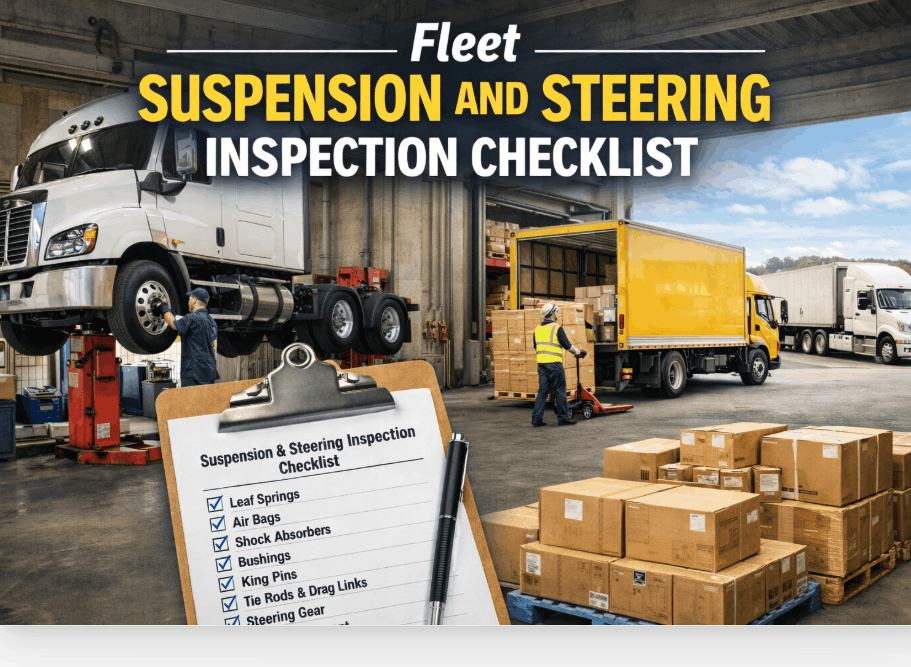
Suspension Inspection Checklist
Use this comprehensive checklist to systematically inspect all suspension components. Each section covers critical inspection points that meet DOT requirements and industry best practices. Track all inspections digitally with Oxmaint Inspection Management for complete compliance documentation.
Warning Signs of Suspension Problems
Watch for these indicators that require immediate suspension inspection. Early detection prevents costly repairs and dangerous failures.
Vehicle Sagging
One corner sits lower than others indicating spring or air bag failure
Uneven Tire Wear
Abnormal wear patterns suggest alignment or suspension component issues
Excessive Bouncing
Vehicle continues bouncing after hitting bumps indicating worn shocks
Unusual Noises
Clunking, squeaking, or rattling sounds during vehicle operation
Vehicle Pulling
Vehicle drifts to one side indicating possible suspension misalignment
Rough Ride Quality
Harsh ride indicates worn springs or failing shock absorbers
Fluid Leaks
Oil spots near wheels suggest leaking shock absorbers need replacement
Nose Diving
Front end dips excessively when braking due to worn front shocks
Digitize Your Suspension Inspections Today
Track inspections, generate work orders automatically, and maintain complete compliance documentation with Oxmaint maintenance management software.
Benefits of Digital Inspection Management
Oxmaint CMMS transforms suspension inspections from paper-based processes into streamlined digital workflows that improve compliance, reduce costs, and increase fleet reliability.
Automated Scheduling
Never miss an inspection with automated reminders and scheduling based on mileage, time, or meter readings. Set up recurring suspension inspections that trigger automatically.
Real-Time Analytics
Track inspection compliance rates, common defects, and maintenance trends across your entire fleet with comprehensive reporting dashboards.
Mobile Accessibility
Technicians complete inspections on mobile devices directly in the field. Photos, notes, and digital signatures captured instantly without paperwork.
Audit-Ready Records
Digital timestamps, signatures, and permanent records satisfy DOT audit requirements. Access complete inspection history for any vehicle instantly.
Automatic Work Orders
Failed inspection items automatically generate work orders routed to the appropriate technicians. No defects slip through the cracks.
Asset History Tracking
Complete maintenance history for each vehicle through asset management. Track suspension component replacements and repair patterns over time.
Frequently Asked Questions
Under FMCSA regulations, commercial vehicles require annual inspections that include suspension components. However, pre-trip inspections should include visual suspension checks daily, and comprehensive suspension inspections are recommended every 12,000–15,000 miles or during scheduled preventive maintenance intervals.
Per FMCSA guidelines, critical out-of-service defects include cracked or broken U-bolts, spring hangers, or positioning components resulting in axle shift; missing or broken spring leaves causing vehicle tilt; air leaks causing improper ride height; and damaged torque rods affecting axle alignment.
Drivers should perform visual pre-trip and post-trip inspections daily, checking for obvious suspension issues like sagging, fluid leaks, or visible damage. However, comprehensive suspension inspections should be performed by qualified mechanics with proper training, tools, and equipment.
Motor carriers must retain annual inspection records for 14 months from the inspection date. A copy of the current annual inspection report must be available in or on the vehicle. Digital records through Oxmaint ensure permanent retention with instant access during audits.
Vehicles with critical suspension defects must be removed from service until repairs are completed. All defects should be documented, repairs performed by qualified technicians, and re-inspection conducted before returning the vehicle to service.
Digital inspection systems ensure consistent checklist completion, capture digital signatures and timestamps for accountability, automatically schedule inspections based on due dates, generate work orders for identified defects, and maintain audit-ready documentation.