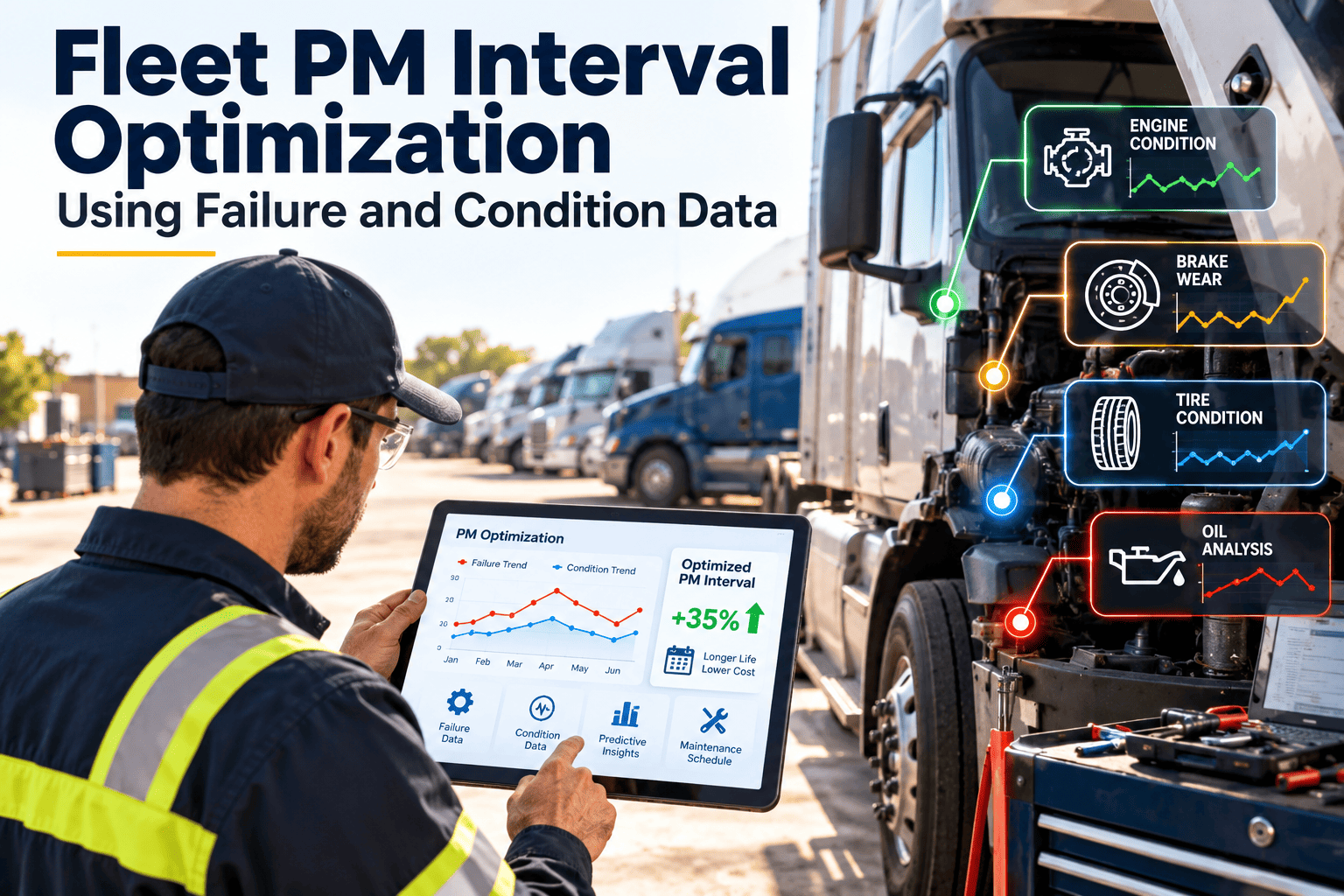
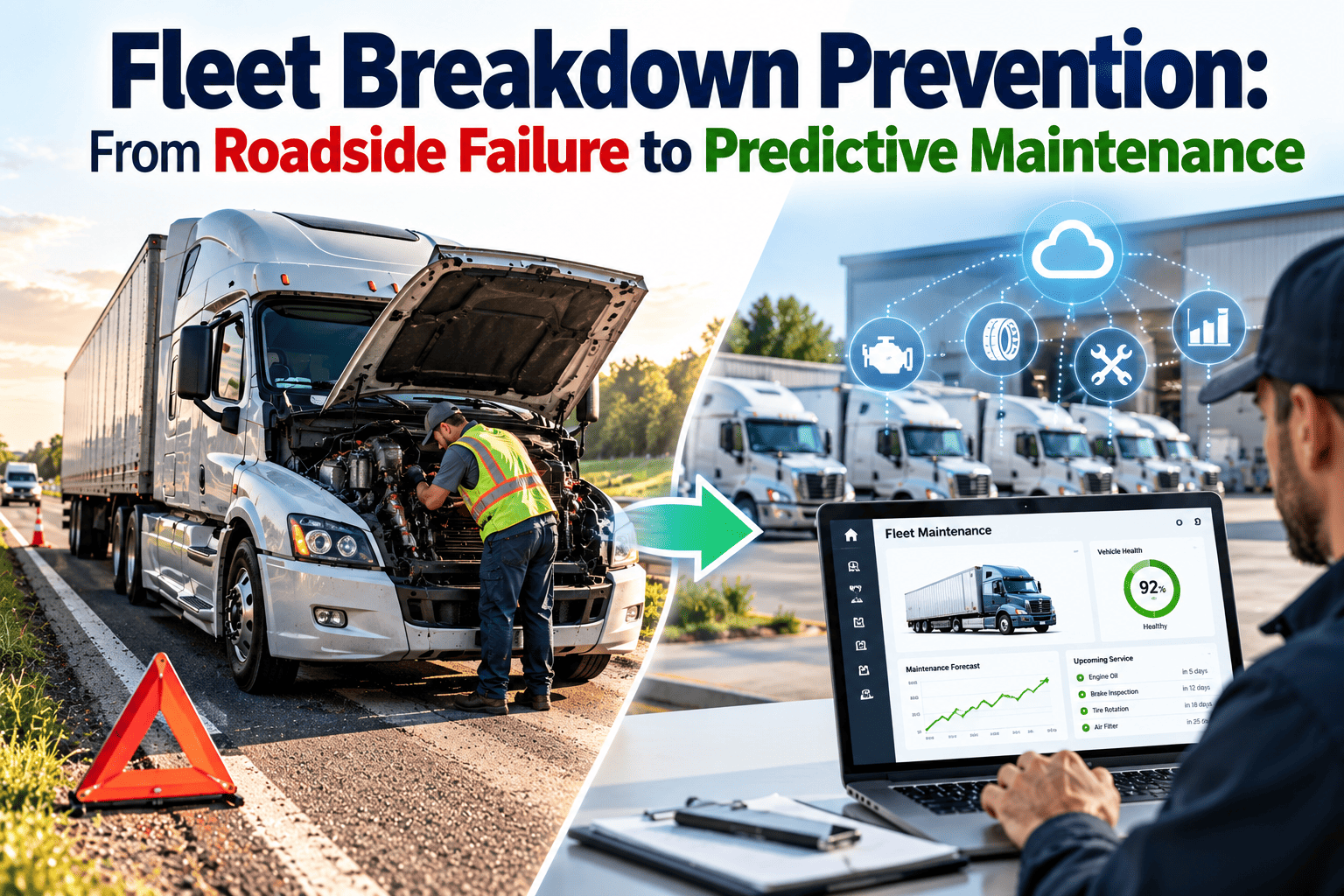
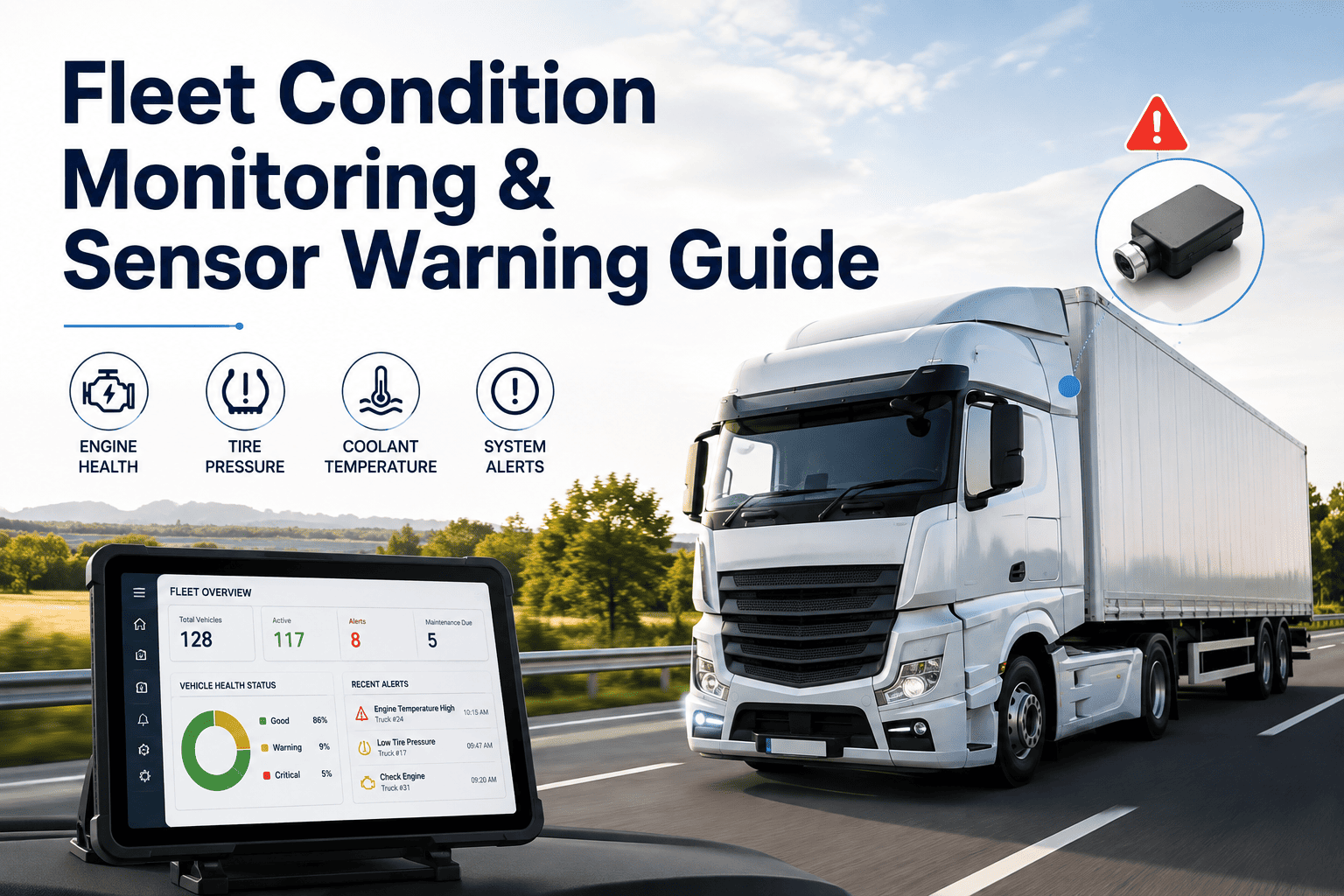
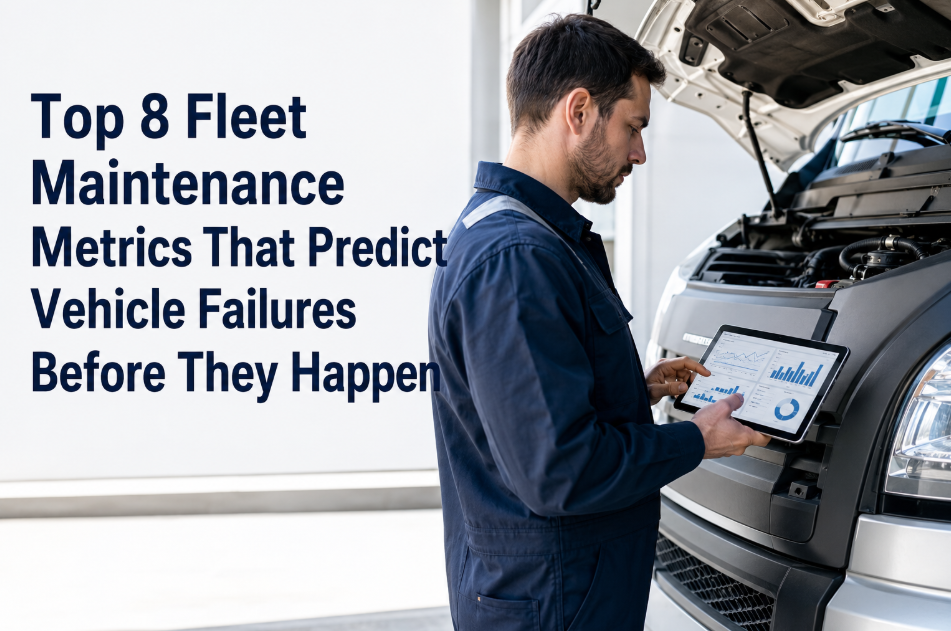
Transmission slip is one of the most expensive and disruptive failures in commercial fleet operations, often costing thousands in emergency repairs and causing days of unplanned downtime. With AI-powered predictive maintenance from Oxmaint, fleet managers can now detect early warning signs of transmission slip before catastrophic failure occurs, saving up to 40% on maintenance costs while keeping vehicles on the road. Whether you manage a small fleet or enterprise-level operations, understanding how AI detects transmission anomalies can transform your maintenance strategy from reactive firefighting to proactive prevention. Signup and experience the difference intelligent maintenance makes.
The True Cost of Transmission Failures
Transmission problems represent one of the highest-impact failure categories in heavy vehicle operations. According to recent industry reports, transmission service costs have risen for five consecutive quarters, making proactive detection more critical than ever. Understanding these numbers helps justify the investment in intelligent asset management solutions that can predict and prevent such failures.
What Causes Transmission Slip in Heavy Vehicles?
Transmission slipping occurs when gears fail to engage properly, leading to power loss, delayed acceleration, and unsafe driving conditions. For fleet operations, understanding these root causes is essential for implementing effective failure prevention strategies.
Low or Contaminated Fluid
Transmission fluid lubricates, cools, and enables hydraulic pressure. When levels drop or fluid becomes contaminated, slipping occurs rapidly. Regular monitoring through sensor data prevents this common issue.
Overheating
Heavy loads and continuous operation elevate transmission temperatures beyond safe limits. AI temperature monitoring detects overheating patterns before fluid breakdown and component damage occur.
Worn Clutch Components
Clutch packs and bands deteriorate under heavy-duty use. AI algorithms analyze shift patterns and engagement timing to identify wear progression before complete failure.
Solenoid Malfunction
Transmission solenoids control fluid flow and gear engagement. Electrical failures cause erratic shifting and slip. Real-time diagnostics can detect solenoid issues through response time analysis.
Excessive Load Stress
Operating beyond rated capacity accelerates transmission wear exponentially. Load monitoring combined with historical analysis predicts stress-related failures weeks in advance.
Deferred Maintenance
Skipping scheduled services leads to compounding issues. CMMS-integrated predictive systems ensure maintenance happens at optimal intervals based on actual condition data.
Want to understand the root causes of your transmission failures? Oxmaint's AI-powered root cause analysis identifies patterns across your entire fleet to prevent recurring issues. Get started with our comprehensive transmission slip RCA tools and take control of your maintenance operations.
How AI Detects Transmission Slip Before Failure
Oxmaint's predictive maintenance platform continuously monitors multiple data streams to identify transmission anomalies. Our machine learning models are trained on billions of data points from heavy vehicle operations, enabling detection of subtle patterns that indicate developing problems weeks before they manifest as failures.
Sensor Data Collection
IoT sensors capture temperature, pressure, vibration, and fluid data in real-time from transmission components.
Pattern Analysis
AI algorithms compare current readings against baseline performance and known failure signatures.
Anomaly Detection
Machine learning identifies deviations indicating wear, fluid degradation, or component stress.
Predictive Alerts
Maintenance teams receive actionable notifications with recommended repairs and timing.
Scheduled Repair
Benefits of AI-Powered Transmission Monitoring
Why Fleet Managers Choose Oxmaint
Early Warning Detection
Identify transmission issues 2-4 weeks before failure, allowing scheduled repairs during planned maintenance windows.
Integrated CMMS Platform
Seamlessly connects with work order management, parts inventory, and technician scheduling for streamlined operations.
Real-Time Fleet Visibility
Monitor transmission health across your entire fleet from a single dashboard with customizable alerts.
Actionable Insights
Receive specific recommendations, not just alerts, with troubleshooting steps and parts requirements.
Reactive vs. Predictive Maintenance
The difference between waiting for failures and preventing them represents significant cost savings and operational improvements for fleet operations.
| Factor | Reactive Maintenance | AI Predictive (Oxmaint) |
|---|---|---|
| Detection Timing | After failure occurs | 2-4 weeks before failure |
| Average Repair Cost | $8,000 - $15,000 (emergency) | $2,000 - $5,000 (scheduled) |
| Downtime Duration | 4-7 days unplanned | 4-8 hours planned |
| Revenue Impact | $760/hour lost productivity | Minimal with scheduling |
| Transmission Lifespan | Standard wear cycle | Extended 20-40% |
| Safety Risk | High - roadside breakdowns | Low - controlled maintenance |
Stop Transmission Failures Before They Stop Your Fleet
Join thousands of fleet managers who trust Oxmaint to keep their vehicles running. Our AI-powered predictive maintenance platform delivers measurable ROI within the first quarter of implementation.
Frequently Asked Questions
How quickly can AI detect transmission slip symptoms?
Oxmaint's AI analyzes real-time sensor data and can identify early slip indicators within hours of initial symptom development, typically 2-4 weeks before a failure would occur without intervention.
What equipment is needed for transmission monitoring?
Our platform integrates with existing telematics systems and OBD-II ports. For enhanced monitoring, optional IoT sensors can be added for temperature, pressure, and vibration data collection.
How long until we see ROI from predictive maintenance?
Most fleets see measurable results within 3-4 months, with full benefits realized in 12-18 months. Preventing even one major transmission failure can justify the annual investment.
Does Oxmaint work with both manual and automatic transmissions?
Yes, our AI models are trained on data from all transmission types including manual, automatic, and automated manual transmissions (AMT) commonly found in heavy-duty vehicles.
Transmission slip detection is just one component of Oxmaint's comprehensive CMMS platform. From asset tracking to work order management, our solution provides complete visibility into your maintenance operations. Ready to transform how you manage fleet maintenance? Create your free account today or book a personalized demo to see the platform in action.