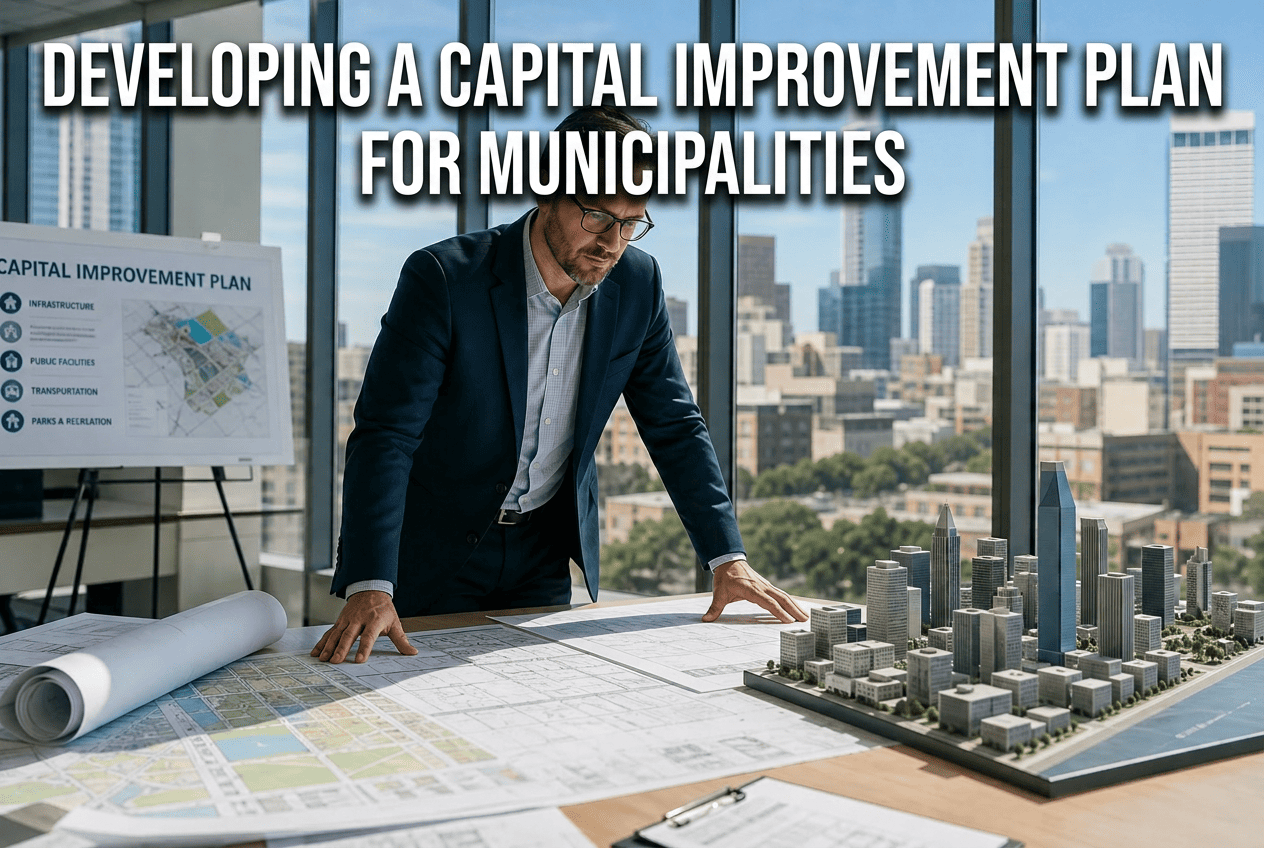
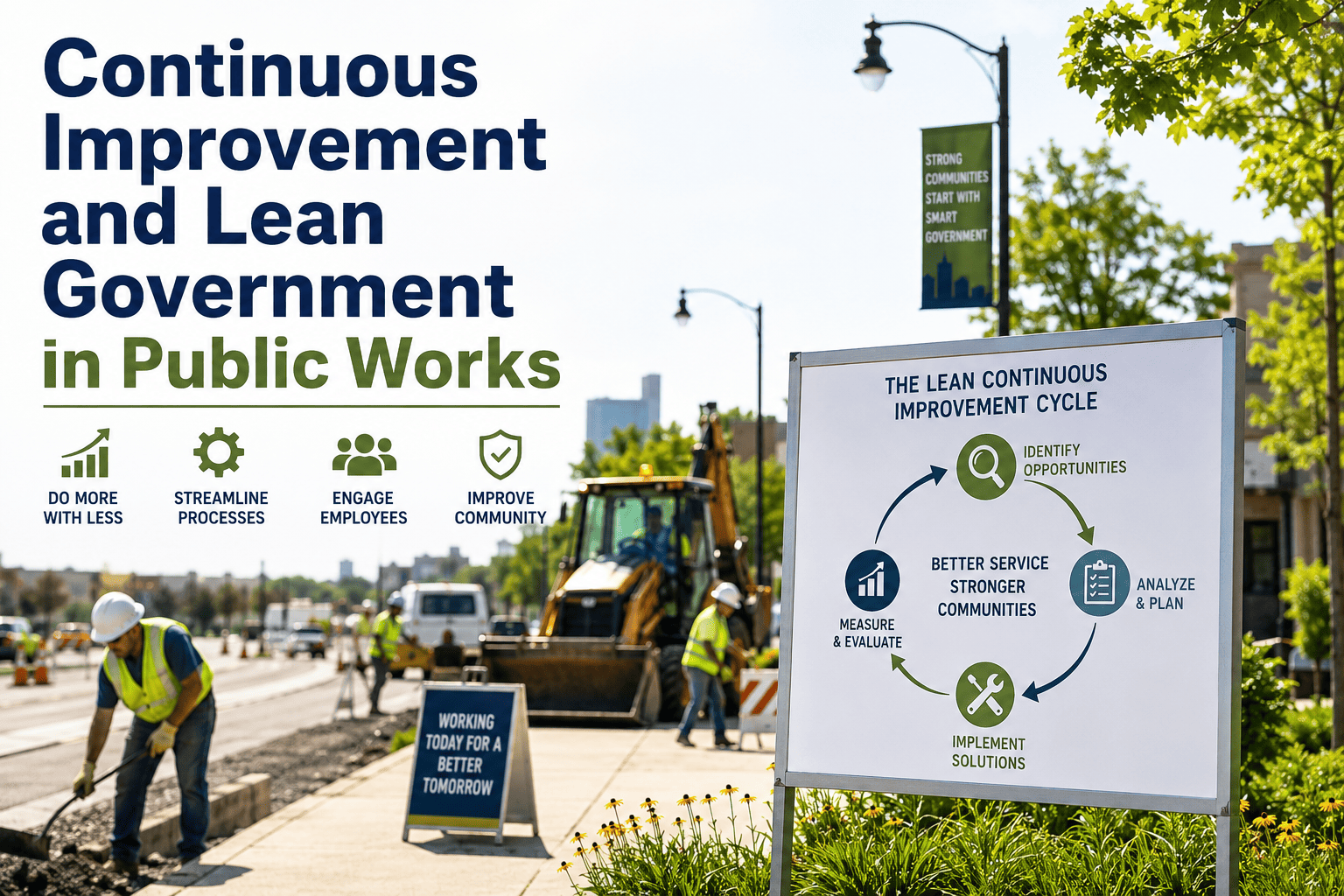
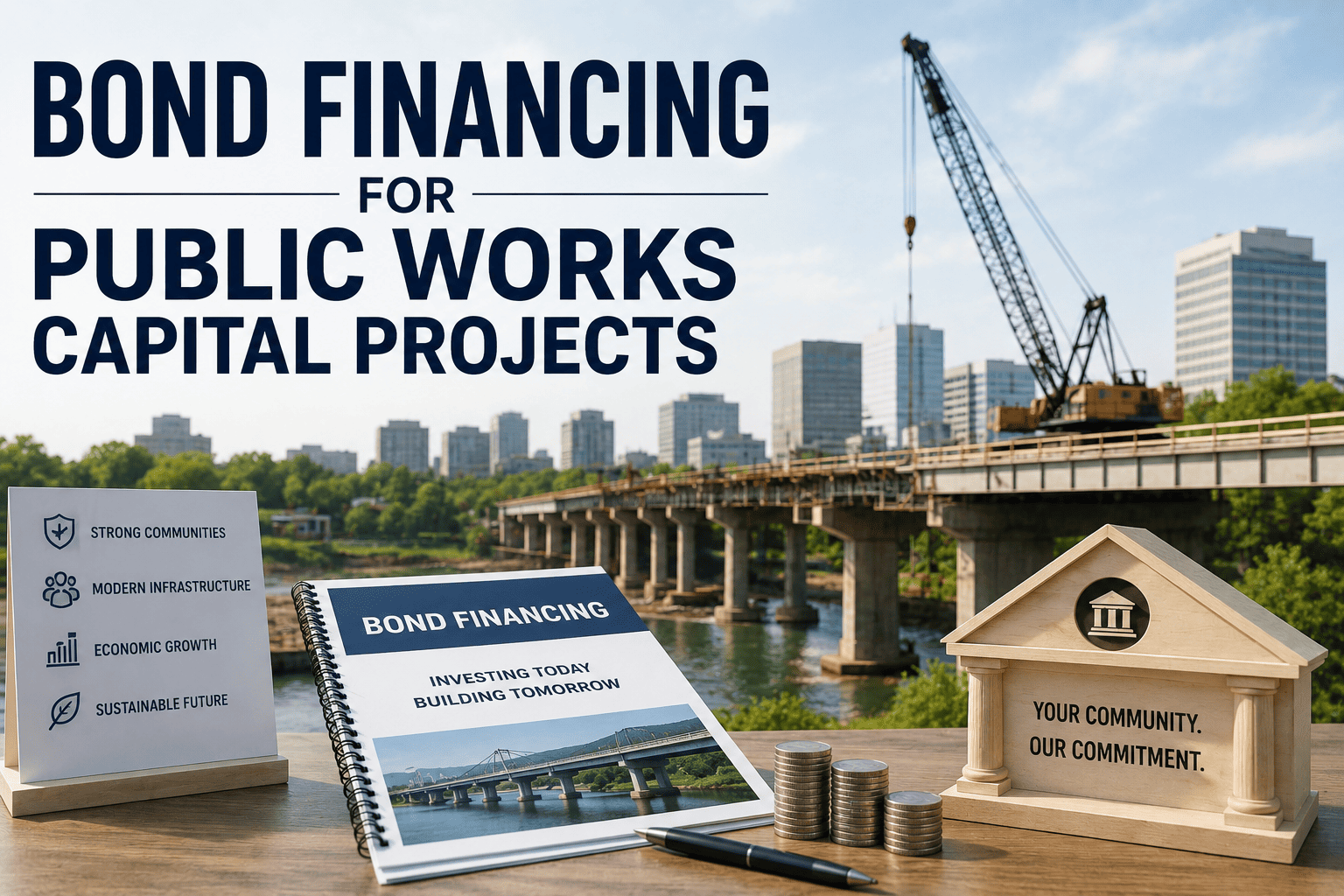
Every municipal budget season brings the same fight: too many worthy infrastructure projects competing for one finite pool of capital dollars, and a room full of department heads who each believe their bridge, their boiler plant, or their failing lift station deserves priority. A capital improvement plan exists to settle that fight before it starts, ranking projects on evidence instead of who argued hardest at the last council meeting. Yet most CIPs fail exactly where they matter most, because a scoring matrix that looks objective on paper quietly bends toward whichever department submitted the most persuasive spreadsheet. Nationally, the majority of capital projects still finish over budget and behind schedule, and the shortfall between what public infrastructure actually needs and what gets funded keeps widening every cycle. Municipalities that anchor their CIP to real asset condition data from a system like Oxmaint replace guesswork with numbers a council can defend at a public hearing, and that data-backed approach is what this page walks through.
Why plans stall
A CIP without evidence is just a wish list with a cover page
Council members approve budgets. They don't approve hunches. Here is what happens when infrastructure planning runs on outdated inspection notes instead of current asset condition data.
63%
of capital projects nationally run over their original budget once construction begins
72%
face schedule delays that push completion past the promised timeline to residents
43.6%
is the estimated gap between US infrastructure funding needs and available capital dollars
4x
higher cost of emergency repairs compared to the same work done as planned maintenance
The anatomy of a CIP
Two documents, one plan, zero confusion
A capital improvement plan is not the annual budget with a longer list attached. It is built from two distinct parts that work together across a rolling multi-year horizon.
Capital Program
The 5 to 10 year lens
A rolling planning and fiscal management window that lists every capital item above the local capitalization threshold, typically anything exceeding roughly 5,000 dollars in cost with a useful life beyond a year, so routine maintenance never gets confused with a capital investment.
Capital Budget
Year one, funded and adopted
The first year of the program becomes the legally adopted capital budget with specific dollar appropriations, passed alongside the operating budget. Every year after that stays a plan, revised annually as condition data, revenue, and council priorities shift.
The planning horizon
How a 20 year vision becomes a 1 year appropriation
Most best-practice CIPs nest three timeframes inside one document, so long-range vision and short-range accountability never fight each other.
Year 1
Adopted capital budget
Specific projects, specific appropriations, legally binding alongside the operating budget for the year.
Years 2 to 5
Funded, programmed plan
Projects are scheduled and budgeted but stay open to annual adjustment as fresh condition and revenue data arrive.
Years 6 to 20
Long-range needs list
Major facility replacements, utility expansions, and corridor projects that need years of design and land work before they can even reach year one.
Building the plan
Eight phases that turn a spreadsheet fight into a defensible plan
Skip a phase and the whole plan gets shakier. Municipalities that treat this as a sequence, not a checklist to rush through, end up with a CIP that survives contact with a budget hearing.
1
Asset inventory and condition assessment
Every road, roof, lift station, and vehicle logged with current age, condition score, and remaining useful life, not last decade's clipboard notes.
2
Project prioritization
A weighted scoring matrix ranks proposals by condition severity, safety risk, regulatory mandate, economic impact, and equity, before anyone talks budget numbers.
3
Financial analysis and funding strategy
Every ranked project is matched to the funding source that actually fits it, from bonds to grants to reserve accounts.
4
Multi-year capital budgeting
Prioritized projects convert into annual spend profiles across the funded planning window, tied to specific revenue streams.
5
Stakeholder engagement and approval
Town halls, surveys, and council workshops happen before scoring locks in, not after, which is what makes bond referendums pass.
6
Execution planning and procurement
Design, bidding, and contractor selection get scheduled with realistic lead times instead of optimistic guesses.
7
Implementation and construction management
Budget tracking, schedule monitoring, and change order control keep the funded plan from quietly drifting off course.
8
Monitoring and continuous improvement
Completed projects feed performance data back into next year's condition assessment, closing the loop for good.
The scoring matrix
What actually separates a funded project from a deferred one
A transparent, repeatable scoring method is what keeps a CIP from becoming a popularity contest between department heads.
Paying for it
Seven ways municipalities actually fund a capital project
A ranked project list means nothing without a matching, realistic funding source. Most CIPs blend several of these across a single planning cycle.
General obligation bonds
Backed by full taxing authority, usually needs voter approval, lowest interest cost for long-lived assets.
Revenue bonds
Repaid from the specific system's revenue, common for water, sewer, and utility projects.
Federal and state grants
Competitive funding that favors applicants with quantified needs lists and current condition data.
Impact fees
New development pays a proportional share of the capacity it consumes.
Special assessments
Charged to property owners who directly benefit from a specific local improvement.
Enterprise funds
Self-sustaining accounts funded by utility rates or dedicated fees for ongoing capital renewal.
Pay-as-you-go reserves
Annual set-asides from the operating budget with no debt service cost, best for vehicle and equipment replacement.
Field example
Wake County, North Carolina, maintains a rolling seven year CIP that gets reviewed and updated every single year, funded through roughly an 80 percent debt and 20 percent cash mix. That annual discipline, not a one-time planning exercise, is what keeps the plan matched to real asset condition instead of the assumptions it opened with.
See what your CIP looks like with real condition data behind it
Oxmaint turns work order history and inspection records into the asset scores and lifecycle forecasts a defensible capital plan needs.
Common questions
CIP development, answered plainly
How is a CIP different from the annual budget?
The annual budget covers day-to-day operating costs for one year. A CIP is a multi-year plan, usually 5 to 10 years, dedicated only to large, non-recurring investments like roads and facilities. Learn how
Oxmaint separates the two automatically inside one asset record.
What size project actually belongs in a CIP?
Most municipalities follow the GFOA guidance of roughly 5,000 dollars and up, with a useful life beyond one year. Anything smaller stays in routine operating maintenance instead.
How often should the plan be updated?
Annually, at minimum. Condition data, revenue projections, and council priorities all shift enough in twelve months that a static plan goes stale fast.
Book a demo to see an always-current version.
Why do some CIPs fail at the public hearing stage?
Usually because scoring happened behind closed doors after decisions were basically made. Plans that involve residents early, at the scoring stage, see bond measures pass at noticeably higher rates.
What should an unfunded needs list include?
Every ranked project that didn't make the funded window, with its cost and justification intact. Grant reviewers consistently favor applicants who can show this gap with real numbers.
Stop defending your CIP with guesswork
Get asset condition scores, lifecycle cost projections, and a funding-ready needs list in one place.