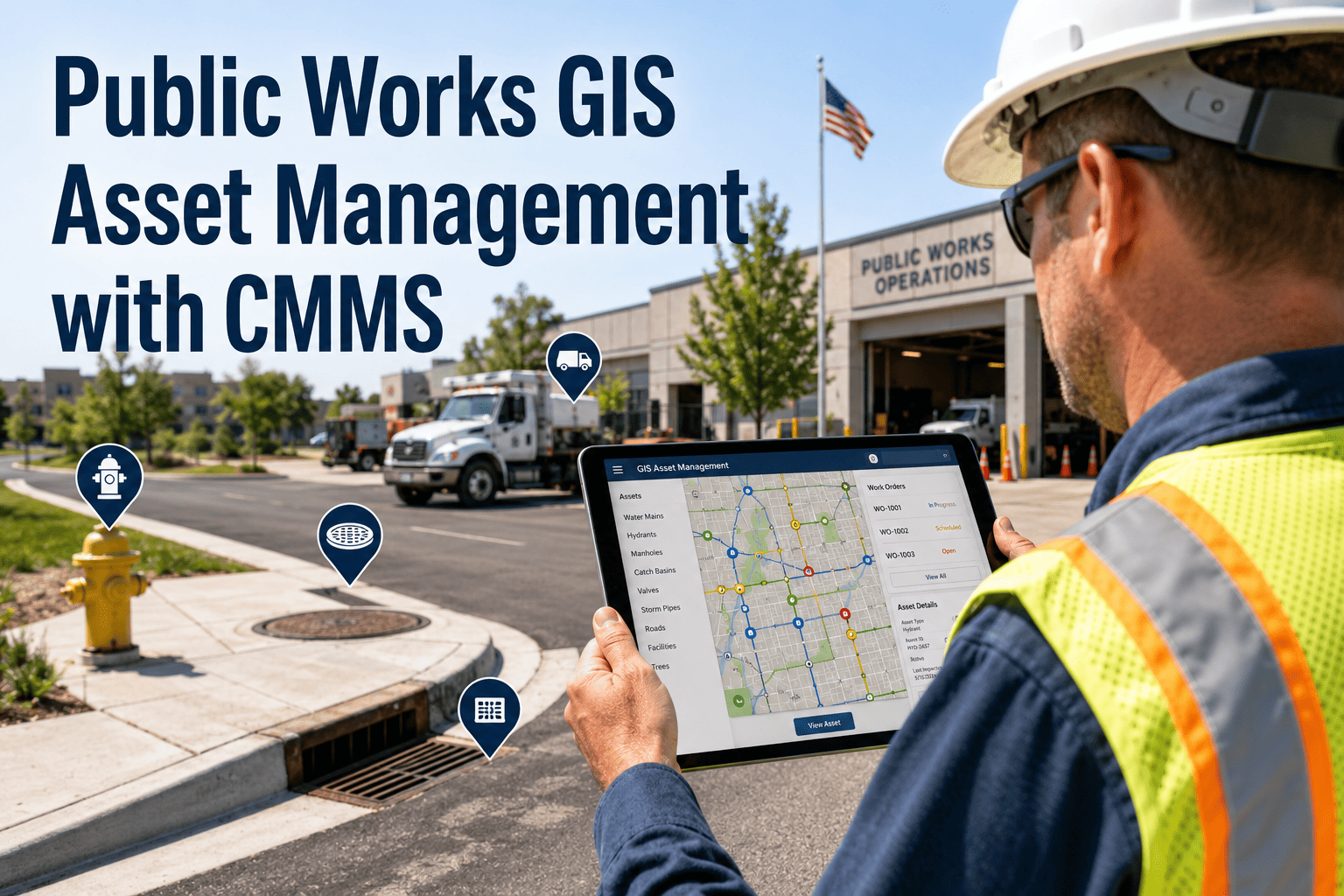
Municipal Departments of Transportation across the United States manage thousands of lane miles of roadway, yet most still rely on spreadsheets or paper surveys to track pavement conditions. OxMaint transforms raw pavement condition data into prioritized, GPS-linked work orders that road crews can act on immediately — reducing response delays, cutting repair costs, and extending pavement life across your entire network.
MUNICIPAL DOT SOLUTION
Stop Reacting to Potholes. Start Predicting Them.
OxMaint connects pavement condition surveys to mobile work orders, crew dispatch, cost tracking, and capital planning — all in one platform built for public works teams.
4–7x
Cost of Reactive vs Preventive Repair
44%
US Roads in Poor or Mediocre Condition
2–3 yrs
Recommended PCI Survey Cycle
How PCI Scores Drive Work Orders
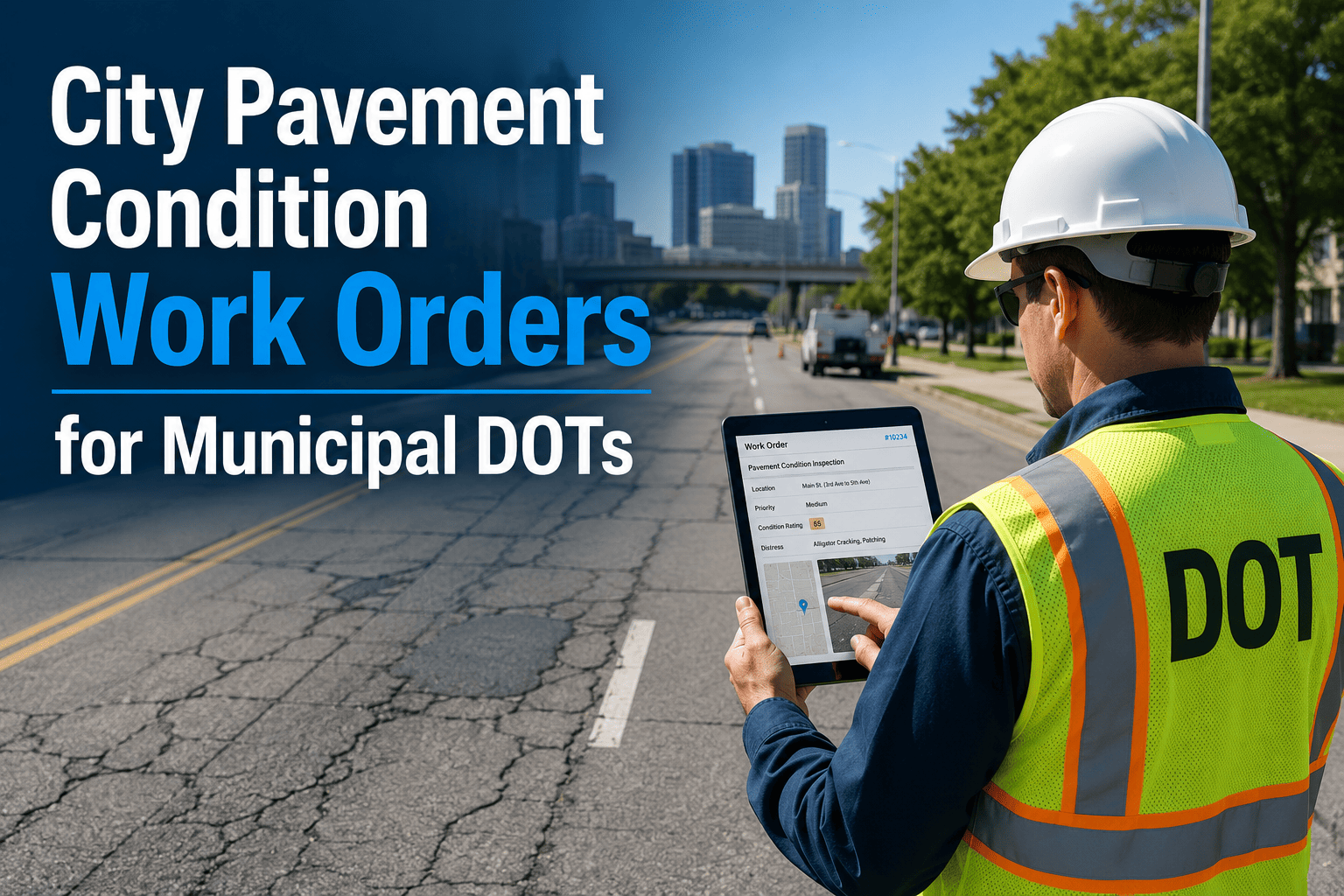
The Pavement Condition Index rates each road segment from 0 (failed) to 100 (perfect) based on 19 distress types including cracking, rutting, and potholes. OxMaint ingests PCI survey data and automatically generates prioritized work orders — so your team always knows which roads need immediate patching, scheduled overlay, or long-term reconstruction.
1
Field Survey
Crews capture PCI scores, photos, and GPS location via mobile app
2
Auto-Prioritize
OxMaint ranks segments by PCI score, traffic volume, and budget impact
3
Work Order
Mobile work orders dispatched to crews with scope, materials, and cost estimate
4
Cost History
Repair costs, labor hours, and materials logged to each road segment asset
PCI Score Action Matrix
| PCI Range |
Condition |
Recommended Action |
Typical Cost / Lane Mile |
Work Order Priority |
| 85–100 |
Excellent |
Routine sealing |
$3,000 – $8,000 |
Low |
| 70–84 |
Good |
Crack sealing, preventive overlay |
$15,000 – $40,000 |
Scheduled |
| 55–69 |
Fair |
Mill and thin overlay |
$60,000 – $120,000 |
Medium |
| 40–54 |
Poor |
Major overlay or rehabilitation |
$150,000 – $300,000 |
High |
| 0–39 |
Failed |
Full reconstruction |
$500,000+ |
Critical |
Key Features for Municipal DOTs
01
Mobile Field Surveys
Crews log PCI scores, distress types, and GPS-tagged photos directly from smartphones — no paper forms, no re-entry delays.
02
Auto Work Order Generation
OxMaint converts survey results into ranked, assigned work orders within minutes of submission.
03
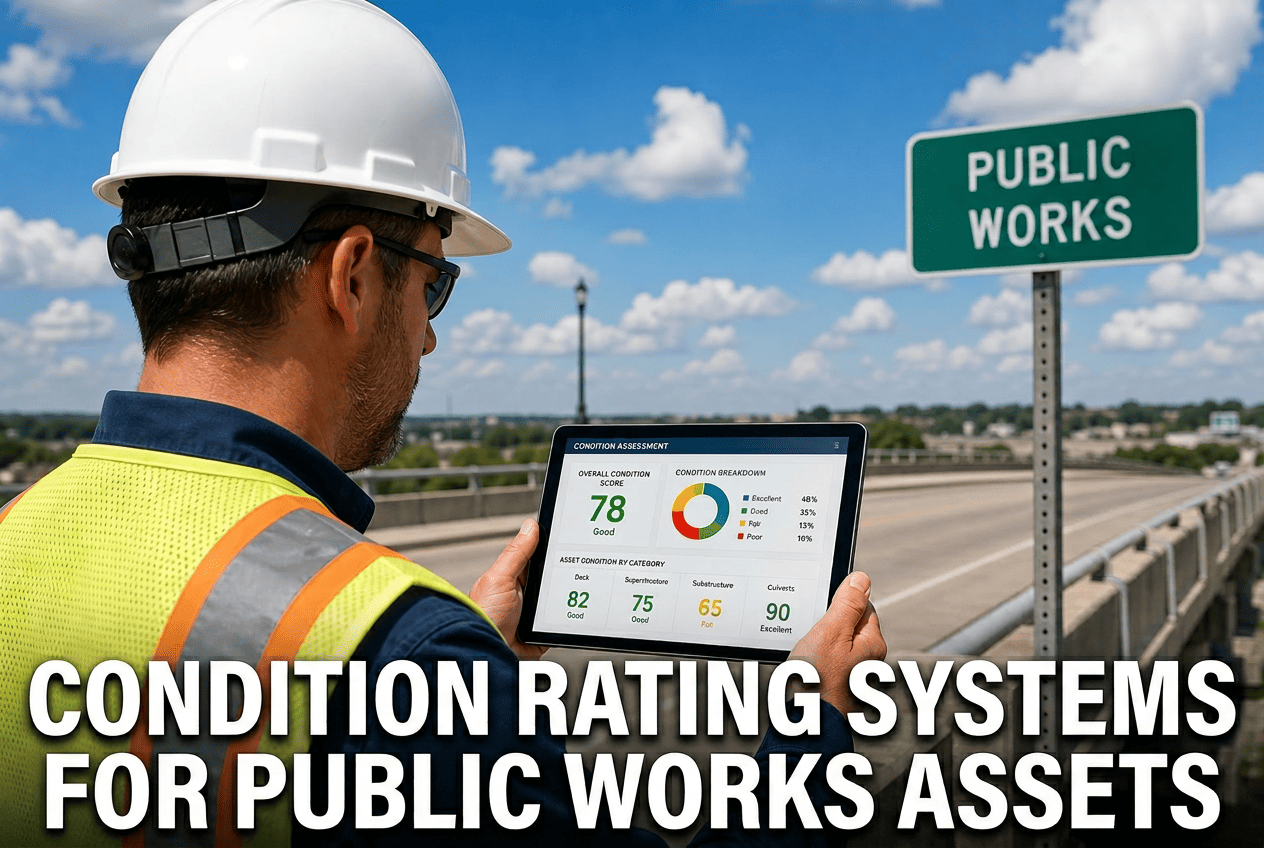
Capital Planning Dashboard
5-year cost projections by road segment, treatment type, and funding scenario — ready for budget hearings.
04
Repair Cost History
Every dollar spent per road segment is recorded — proving ROI and supporting FHWA or state reimbursement requests.
EXPERT REVIEW
David Kowalski, PE
Former City Engineer, 18 Years Municipal DOT Operations
The single biggest budget mistake I see in city DOTs is waiting until PCI scores drop below 40 before acting. At that point, you're spending 5 to 7 times more per lane mile than if you had done a preventive overlay at PCI 65. Digital work order systems that link survey data directly to repair scheduling are the only way to stay ahead of that curve at scale. The cities that adopt data-driven pavement management consistently stretch their road budgets 30 to 40 percent further than those still running on clipboard surveys and gut instinct.
Frequently Asked Questions
How does OxMaint integrate with existing pavement survey data or GIS systems?
OxMaint accepts PCI data from standard CSV exports, Esri ArcGIS layers, and automated pavement scanning equipment. Once imported, each road segment becomes a tracked asset with condition history, repair records, and upcoming work orders. Your existing GIS investment is preserved and enhanced with real-time maintenance data.
Sign up free to connect your current data sources.
Can mobile crews access work orders offline in the field?
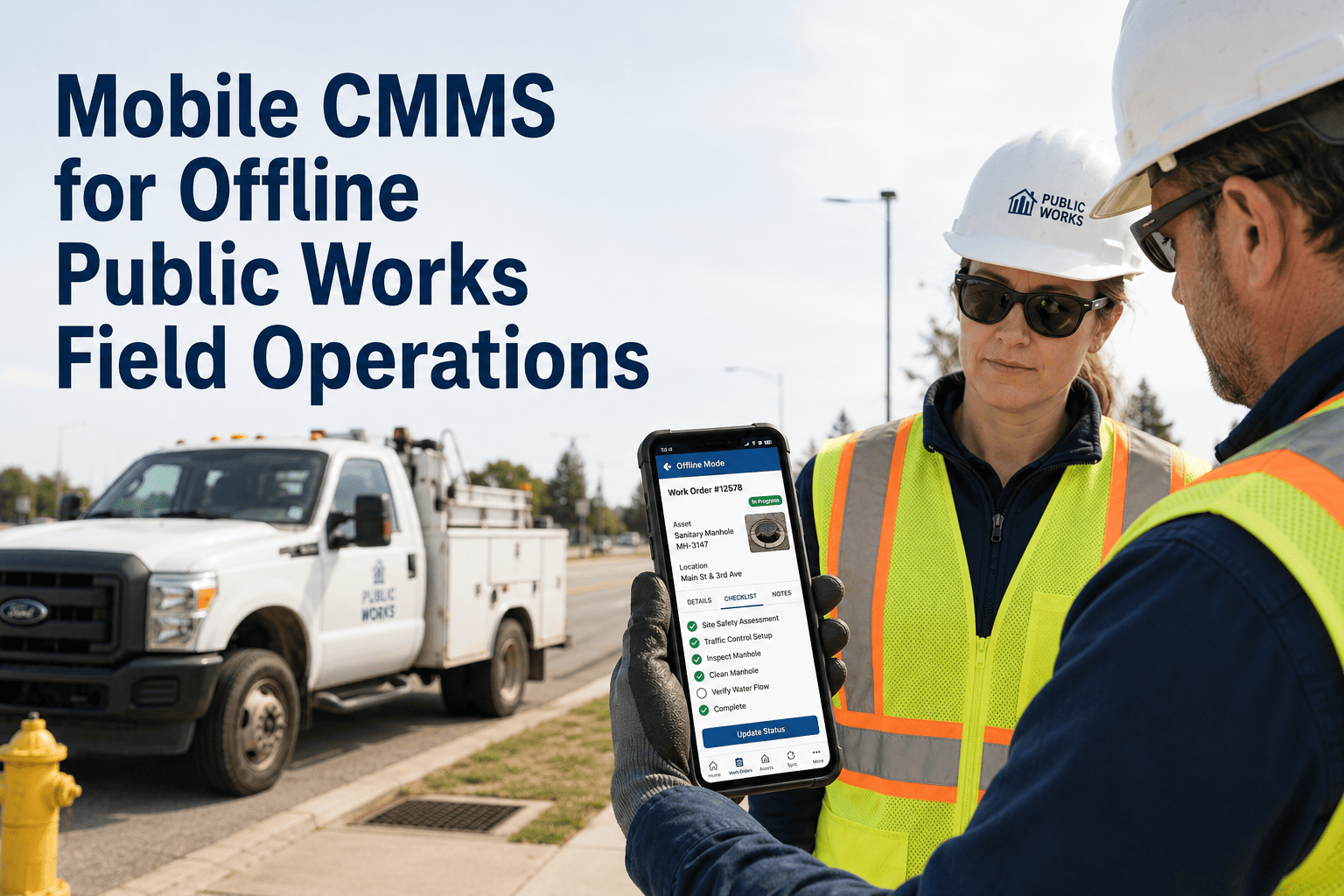
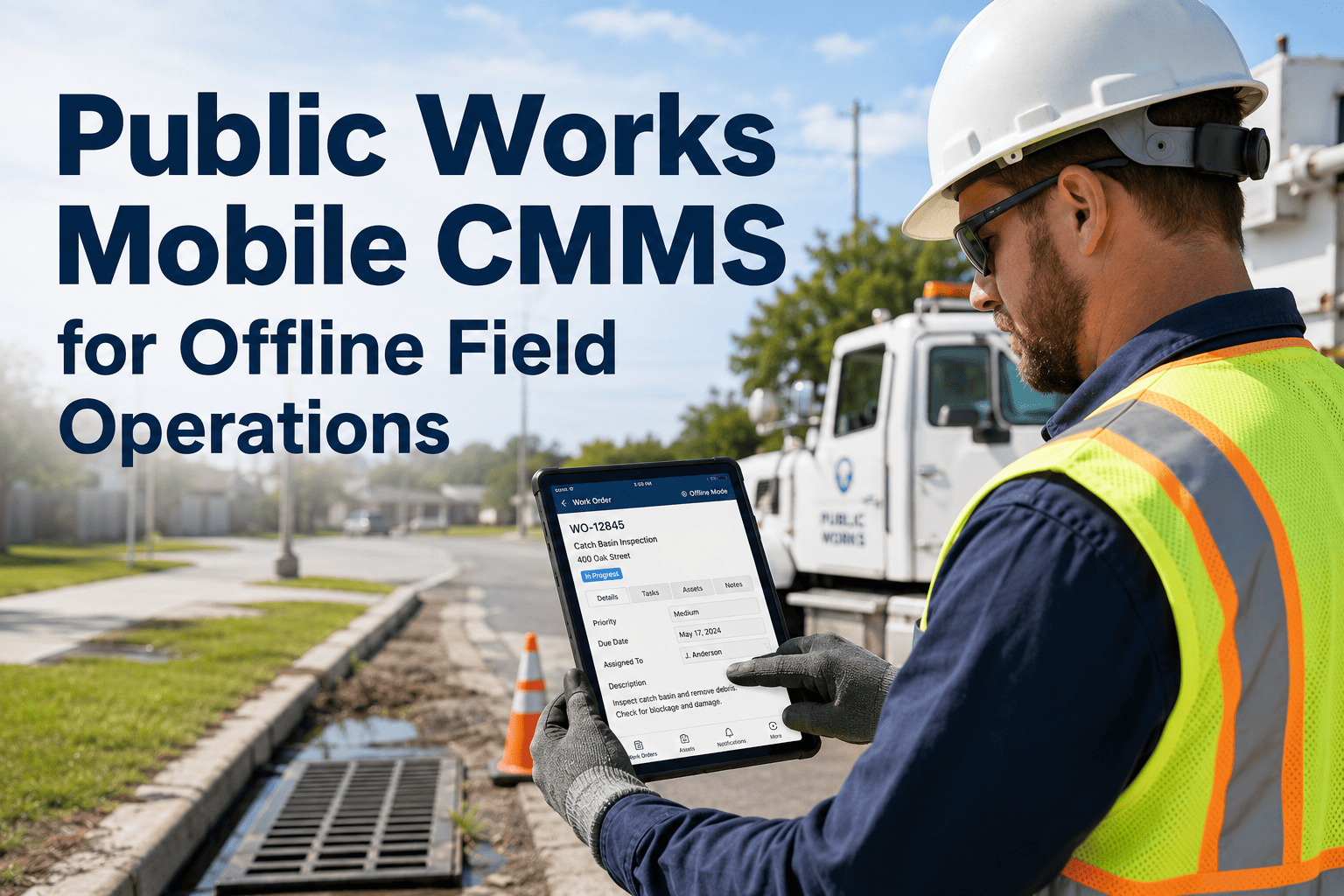
Yes. OxMaint's mobile app caches assigned work orders, maps, and asset details for offline use. Crews complete work orders, attach photos, and log materials in the field, then the data syncs automatically when connectivity is restored. This is critical for rural road crews operating in low-signal areas where many of the worst-condition roads are found.
How does the capital planning dashboard support annual budget requests?
The dashboard projects 5-year maintenance and reconstruction costs using current PCI deterioration curves, treatment cost benchmarks, and your actual historical repair data. It generates scenario comparisons showing the budget impact of different investment levels — exactly the format needed for council presentations, state transportation funding applications, and FHWA asset management reporting.
Book a demo to see a sample capital plan output.
What training does a road crew need to start using OxMaint in the field?
Most field crews are operational within one shift. OxMaint's mobile interface is designed for workers who spend their day outdoors, not at a desk — large tap targets, photo capture with one button, and voice-to-text notes. Supervisors and planners typically need a half-day orientation for work order management and reporting features. Implementation support is included with every account.
READY TO MODERNIZE YOUR DOT?
Turn Every Survey Into a Smarter Repair Decision
OxMaint gives your municipal DOT the tools to prioritize pavement repairs by data, not politics — and prove the value of every dollar spent on roads.