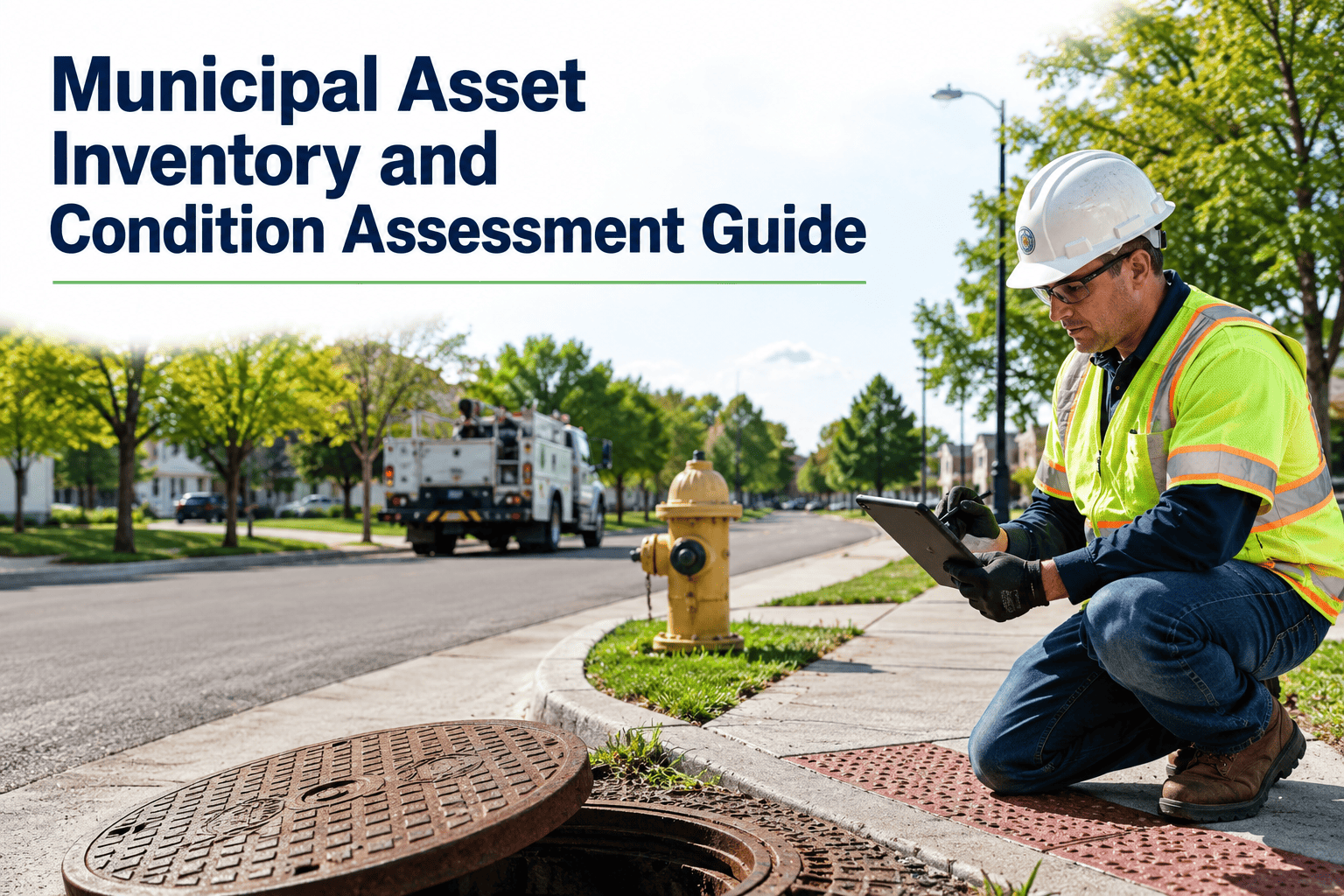
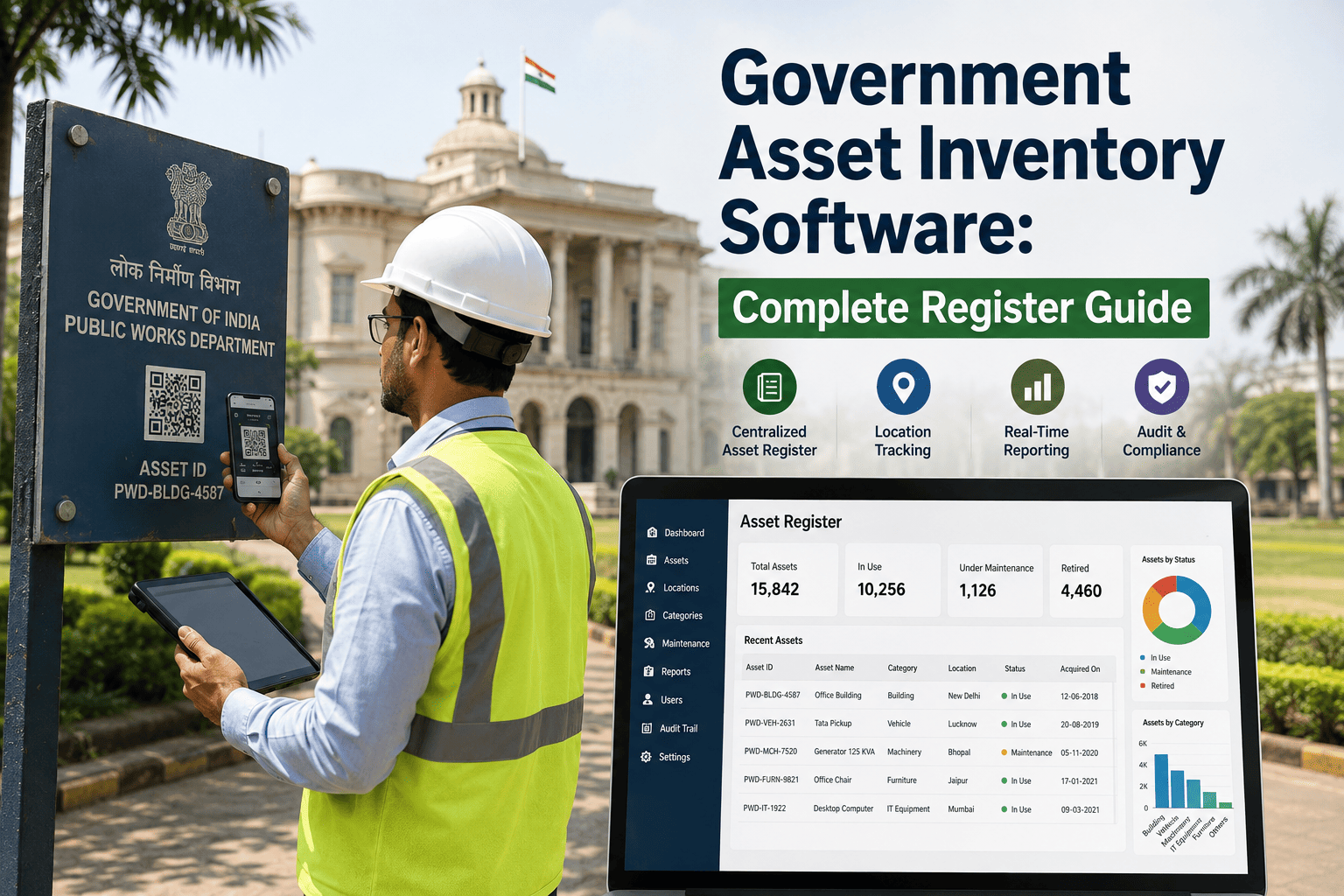
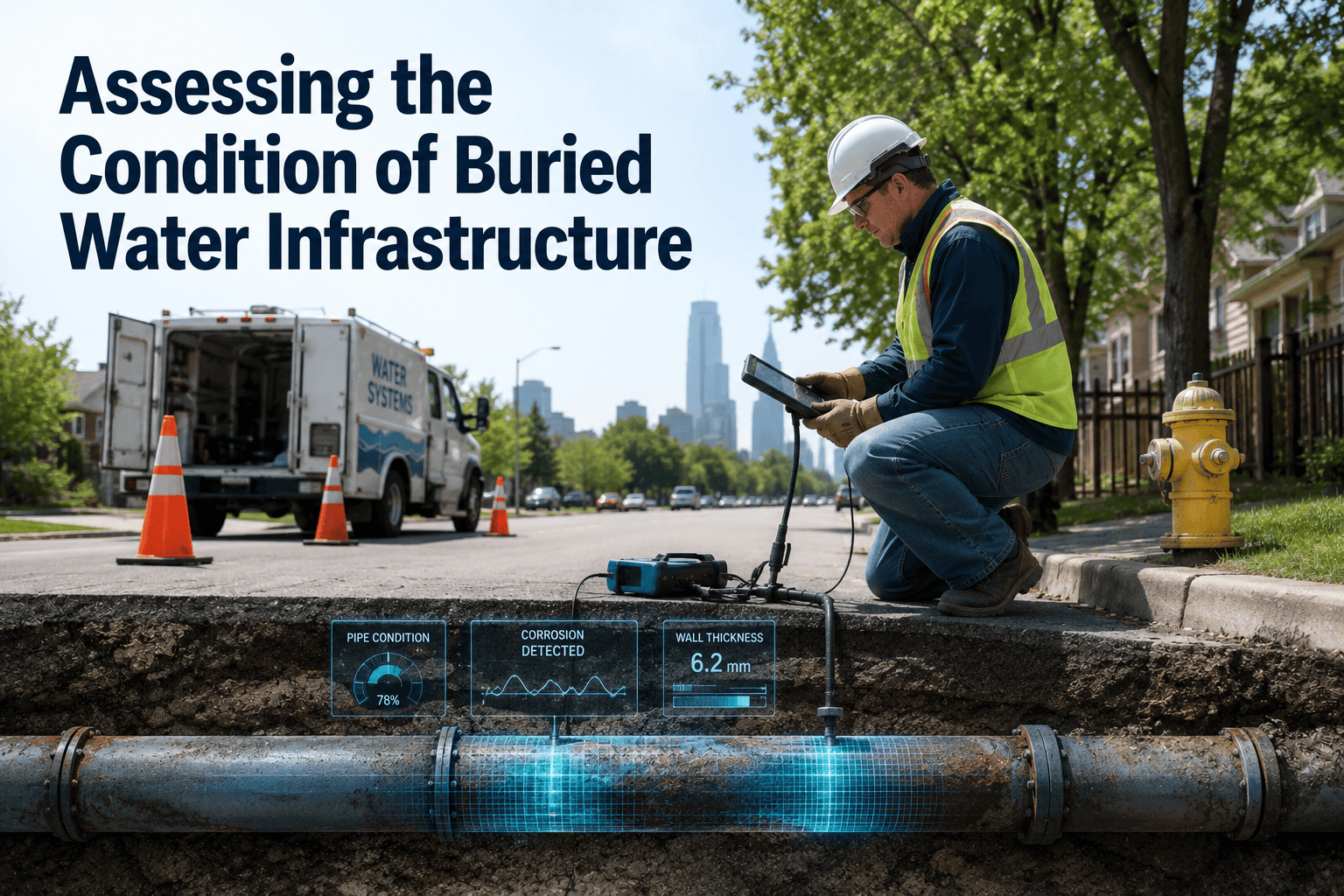
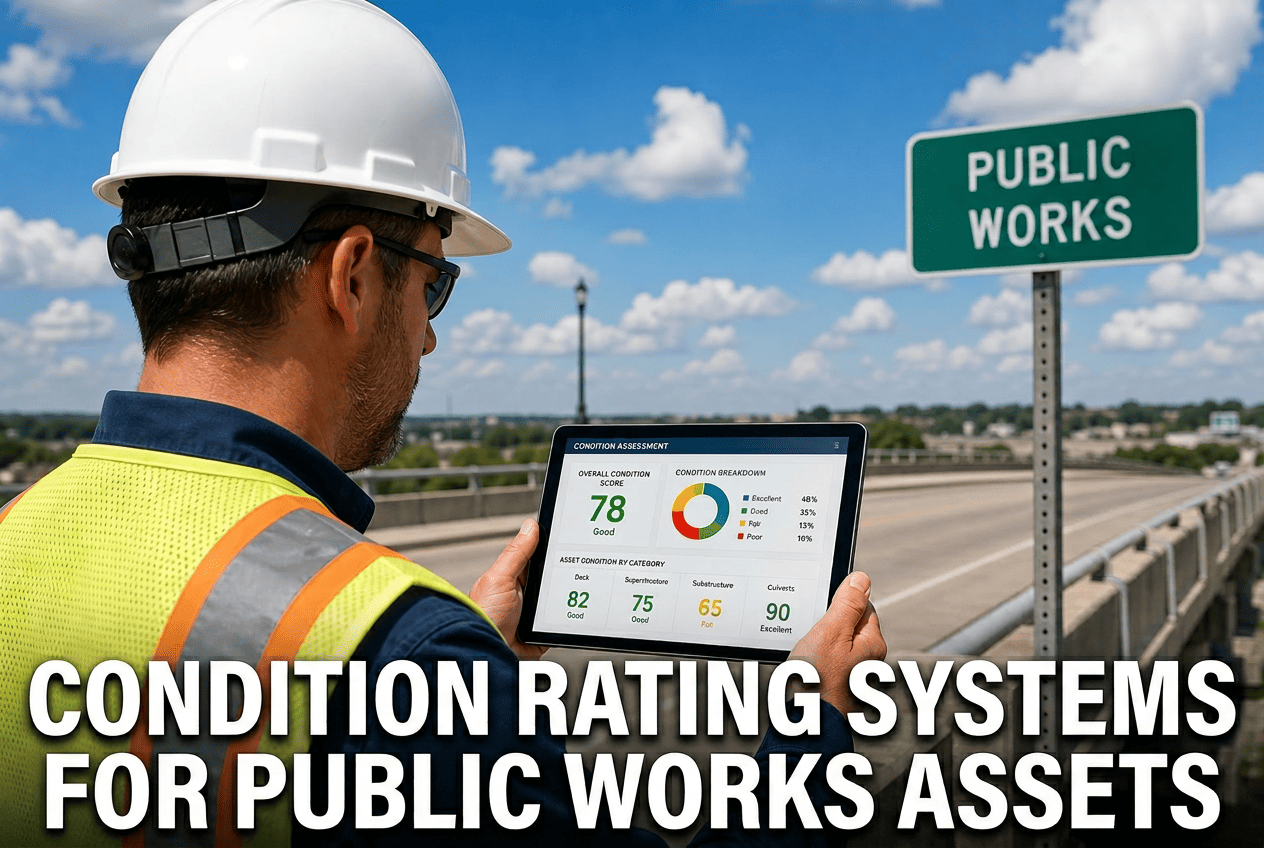
Ask a public works director what their city owns and most can name the roads, the water plant, the fleet yard. Ask which of 8,000 fire hydrants was last inspected, what a 1962 water main will cost to replace, or which culverts sit one freeze away from failure, and the answer is usually a shrug and a spreadsheet nobody trusts. Roughly 72% of municipalities operate without centralized visibility into asset condition or remaining useful life. You cannot manage what you have never inventoried, and you cannot defend a capital budget built on guesswork. This guide walks through building a complete asset inventory and condition assessment that turns "we thought it was fine" into engineering evidence. Start a free trial with Oxmaint to structure your municipal asset program.
The Core Problem
Why Inventory Comes Before Everything Else
Without Inventory
Capital budgets set by department requests and politics. Assets replaced years early while others fail catastrophically. Emergency repairs cost 3 to 5 times planned rehabilitation.
With Inventory + Condition Data
Every project justified by engineering evidence. Assets replaced at the optimal window. Grant and bond applications backed by defensible data that funders trust.
The sequence is not negotiable. A structured asset inventory must exist before condition assessment has anything to attach to, and condition assessment must exist before capital planning can rank one project above another. Municipalities that invert this order report resistance, poor data quality, and assessments nobody acts on.
Step 01 — Build the Register
The Asset Fields That Actually Matter
Identity
Unique asset ID, description, asset class, GPS location or GIS coordinates, and a note when the asset belongs to a larger campus or facility.
Lifecycle
Installation or acquisition date, estimated useful life, and method of acquisition. These three fields drive every remaining useful life calculation.
Financial
Original or estimated historical cost, current replacement cost, salvage value, and funding source. Required for GASB 34 capital asset reporting.
Condition
Current condition rating on a fixed scale, last inspection date, next inspection due date, and full maintenance and treatment history.
Criticality
A criticality rating measuring the consequence of failure in safety, financial, and service-disruption terms. Drives inspection frequency and priority.
Function
The service or department the asset supports, so condition trends can be rolled up by program area for council and budget reporting.
A mid-size city typically manages 5,000 to 20,000 assets. These fields form the minimum viable dataset: siloed spreadsheets, duplicate entries such as the same hydrant listed three ways, and missing installation dates are the exact gaps that compound during audits and emergencies. Book a session to structure your asset register.
Step 02 — Rate the Condition
A Standardized 1 to 5 Condition Scale
5
ExcellentNew or like-new. No visible deterioration. Routine maintenance only. Full remaining useful life.
4
GoodMinor wear within normal range. Preventive maintenance keeps it here. The cheapest place to intervene.
3
FairModerate deterioration. Planned rehabilitation window opens. Every year of deferral now costs exponentially more.
2
PoorSignificant deterioration. Function impaired. Major rehabilitation or replacement planning required soon.
1
CriticalFailure imminent or occurring. Public health, safety, or compliance at risk. Emergency replacement.
The single most important concept in condition assessment is the deterioration curve: assets decline slowly, then collapse fast once a threshold is crossed. Intervening at a 3 or 4 rather than waiting for a 1 is typically a 3 to 5 times cost difference. Every dollar spent at Condition 4 saves 3 to 5 dollars in emergency replacement at Condition 1.
Turn Every Inspection Into Condition Intelligence
Oxmaint captures standardized ratings, photos, GPS coordinates, and deficiency notes directly into each asset record, then tracks health trends and predicts remaining useful life. Your capital plan stops being a guess and starts being evidence.
Step 03 — Match Method to Asset
Inspection Method and Cost by Asset Class
| Asset Class |
Inspection Method |
Typical Frequency |
Indicative Cost |
| Sewer / Water Mains |
CCTV camera survey of pipe interior |
Every 5 to 10 years |
3 to 8 dollars per linear foot |
| Roads / Pavement |
Automated surface scanning survey |
Every 1 to 3 years |
8 to 15 dollars per lane-mile |
| Bridges / Culverts |
Structural, confined-space inspection |
Every 1 to 3 years |
2,000 to 8,000 dollars per structure |
| Buildings / Facilities |
Facility Condition Index assessment |
Every 3 to 5 years |
0.10 to 0.25 dollars per square foot |
| Fleet Vehicles |
Standardized unit inspection |
Annual or by usage |
150 to 500 dollars per unit |
No single method works everywhere. A comprehensive program matches technique to asset class, then standardizes the rating scale across all methods so a sewer main and a courthouse roof land on the same comparable scale. A first-round comprehensive assessment for a city of 50,000 to 100,000 typically runs 200,000 to 500,000 dollars and identifies 3 to 5 times its cost in deferred maintenance that can be caught with rehabilitation instead of emergency replacement.
The Payoff
What Structured Condition Data Unlocks
40–50%
Fewer Emergency Repairs
Municipalities running digital asset management with mobile inspections and automated work orders cut emergency spending sharply.
3–5x
Cost Avoided Per Deferral
Catching an asset at Condition 3 or 4 instead of Condition 1 avoids the emergency-replacement cost multiplier every single time.
GASB 34
Modified Approach Ready
Objective condition assessments every three years satisfy the Modified Approach, letting you expense preservation instead of depreciating.
Lower
Cost of Borrowing
Bond rating agencies and grant funders reward defensible condition data, improving bond performance and funding approval odds.
Field Voices
Asset Managers on What Changed
"Three months after we prioritized by condition data, the mains we flagged would have failed catastrophically during a freeze event. The data did not just save money, it prevented a public health emergency. That is when our council stopped asking why and started asking what else the data could tell us."
"We were replacing assets on a squeaky-wheel basis. Once every inspection fed one system, we could show council a ranked, evidence-based capital list. Budget conversations stopped being arguments about opinions and started being decisions about data. That credibility is what got our funding approved."
Frequently Asked Questions
Municipal Asset Inventory: Common Questions
How long does a first municipal asset inventory take?
How often should condition ratings be updated?
Update ratings during scheduled inspections and after any work order. High-criticality assets like water mains and major roads should be reassessed at least annually; lower-priority assets every two to three years.
Does this satisfy GASB 34 reporting?
Yes. The Modified Approach requires inventory updates, condition assessments on an objective scale at least every three years, and annual preservation estimates. A structured CMMS provides all three inputs directly.
Book a session to map your GASB 34 workflow.
Do we need one system for every asset class?
One centralized register is the goal, but each class uses its own inspection method. The key is standardizing the rating scale so roads, pipes, bridges, and buildings all report on the same comparable 1 to 5 condition scale.
What does a first-round assessment cost?
A comprehensive first-round assessment for a city of 50,000 to 100,000 typically runs 200,000 to 500,000 dollars across all asset classes, and usually surfaces 3 to 5 times that value in deferred maintenance you can address through rehabilitation.
Know Exactly What You Own and What Condition It Is In
Oxmaint builds your complete asset register, standardizes condition ratings across every class, and turns each inspection into the engineering evidence that anchors defensible capital planning. Stop guessing. Start managing with data.