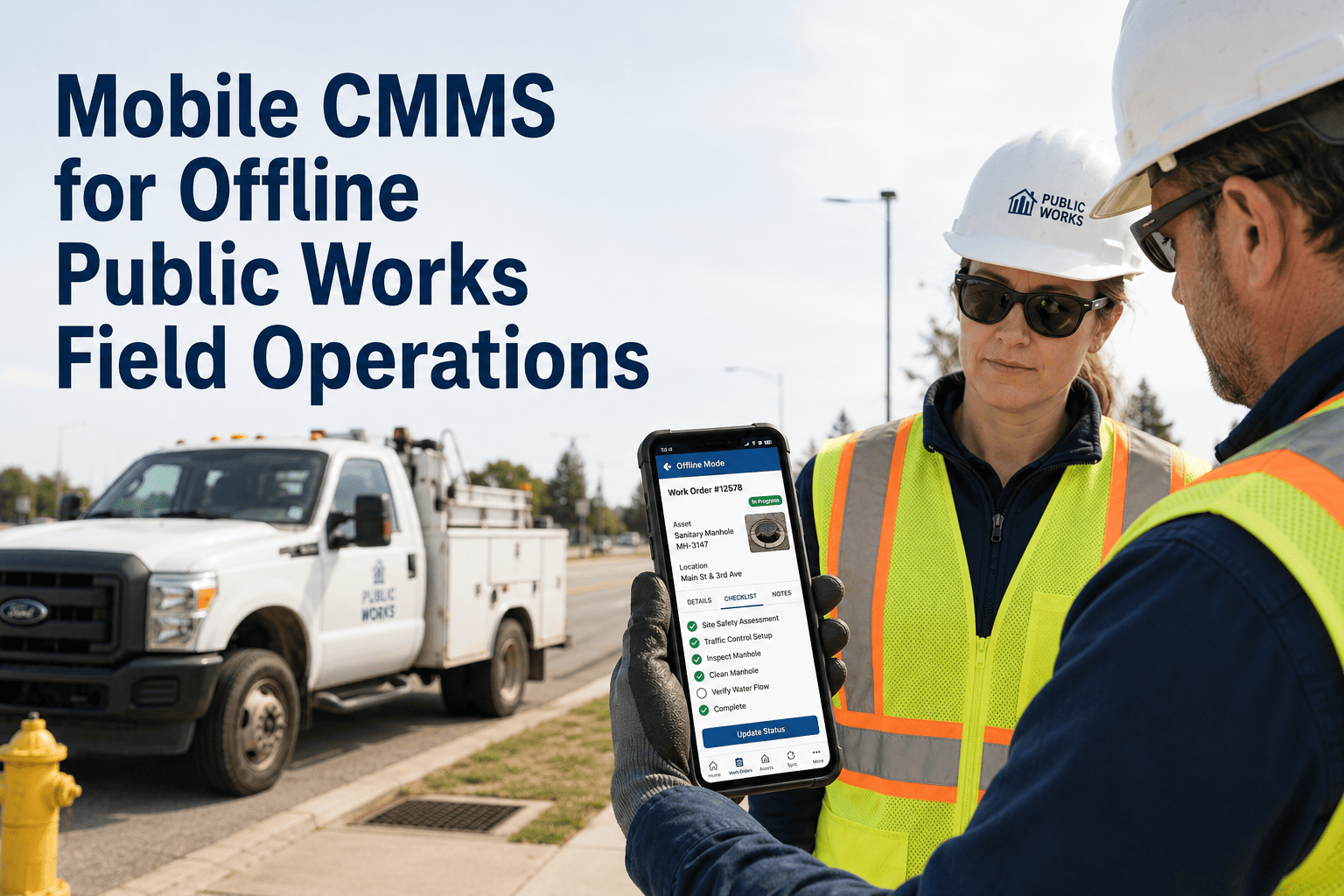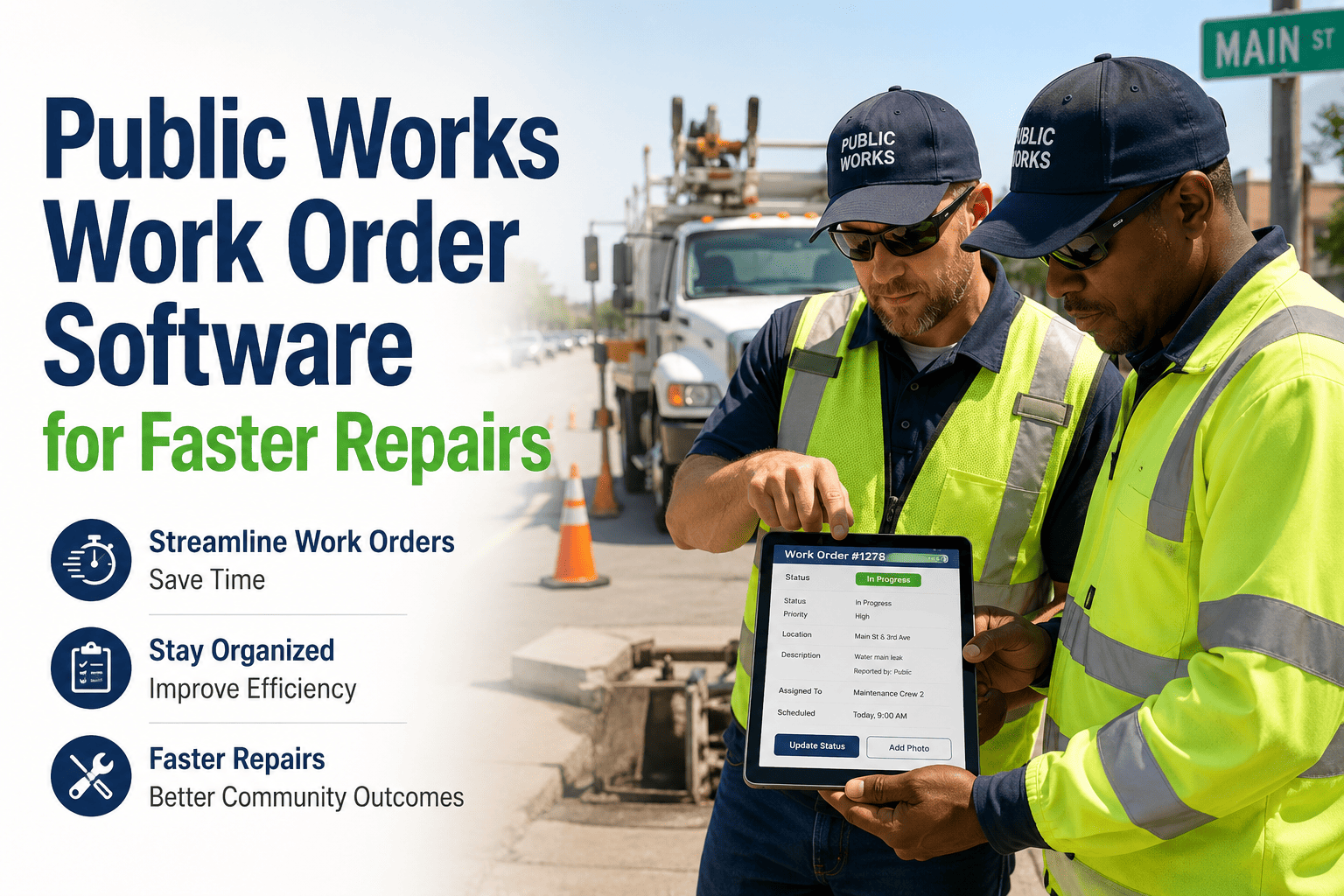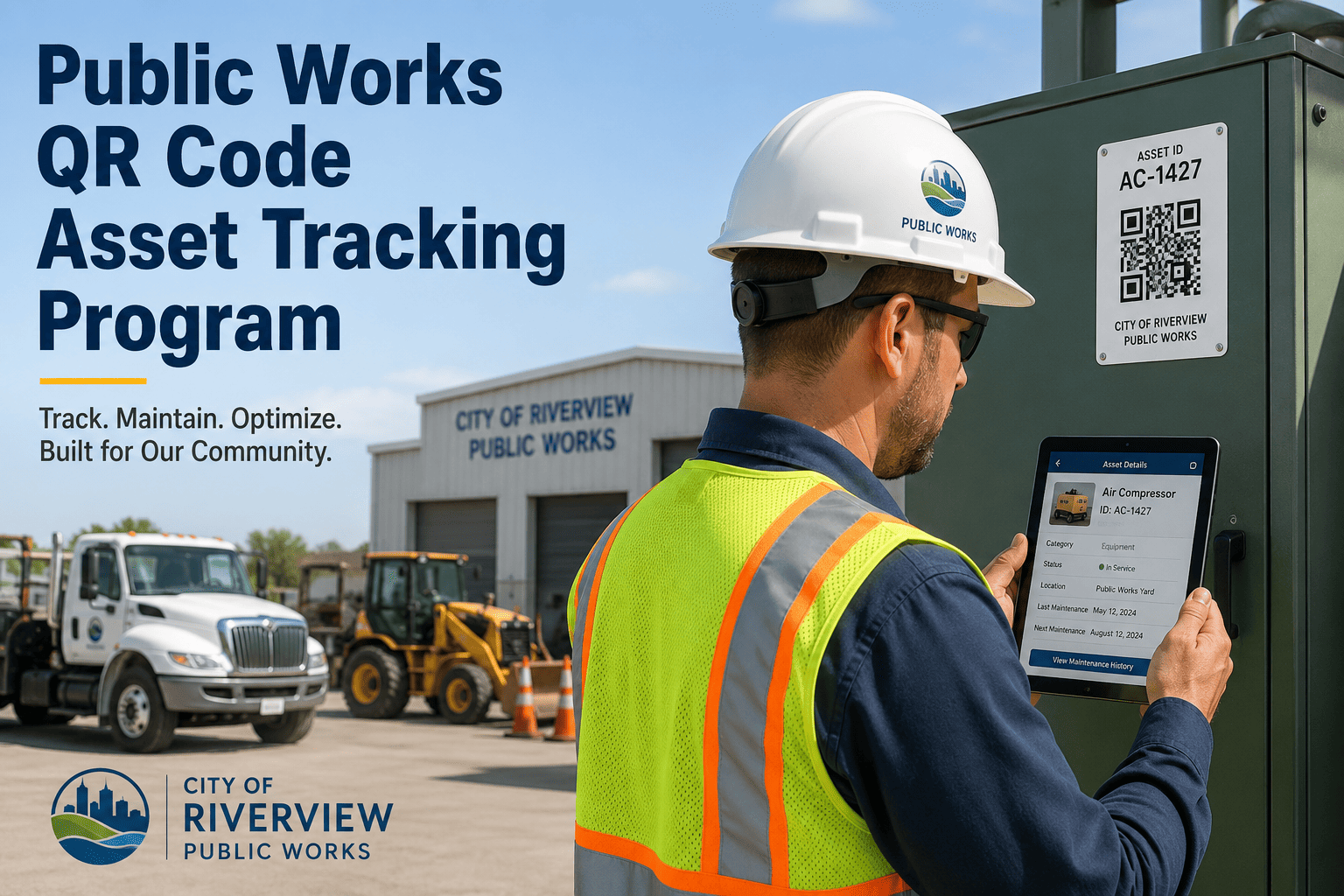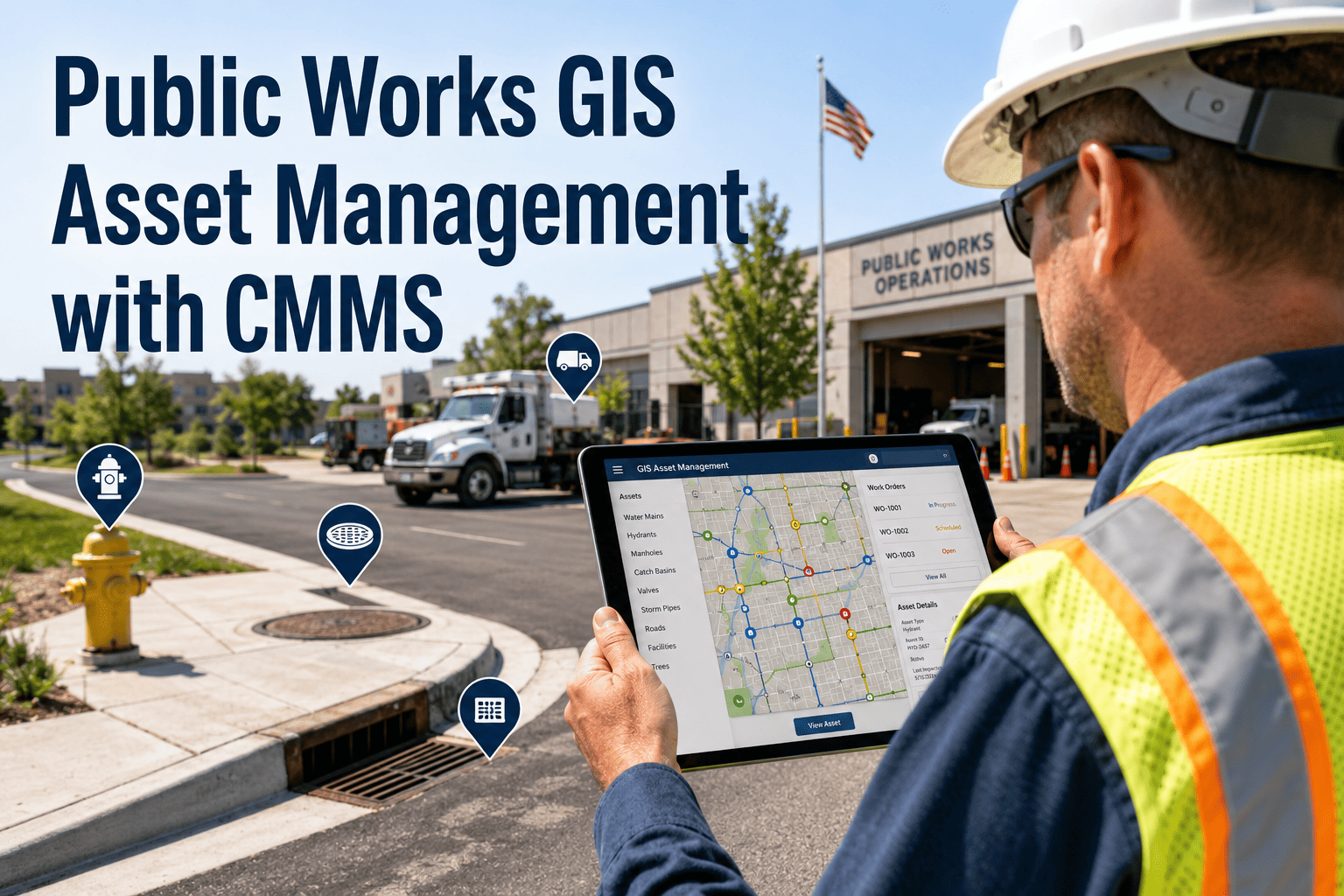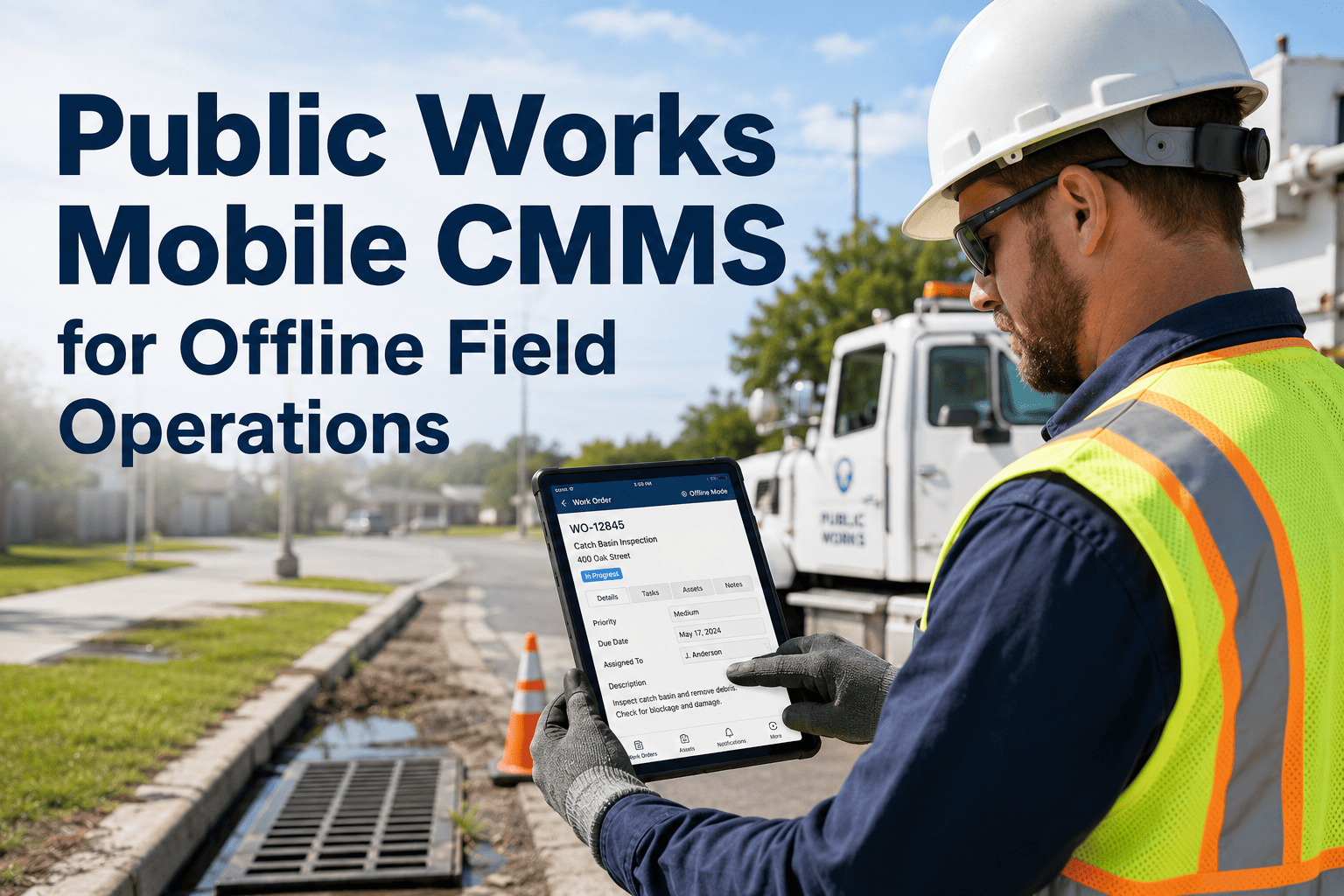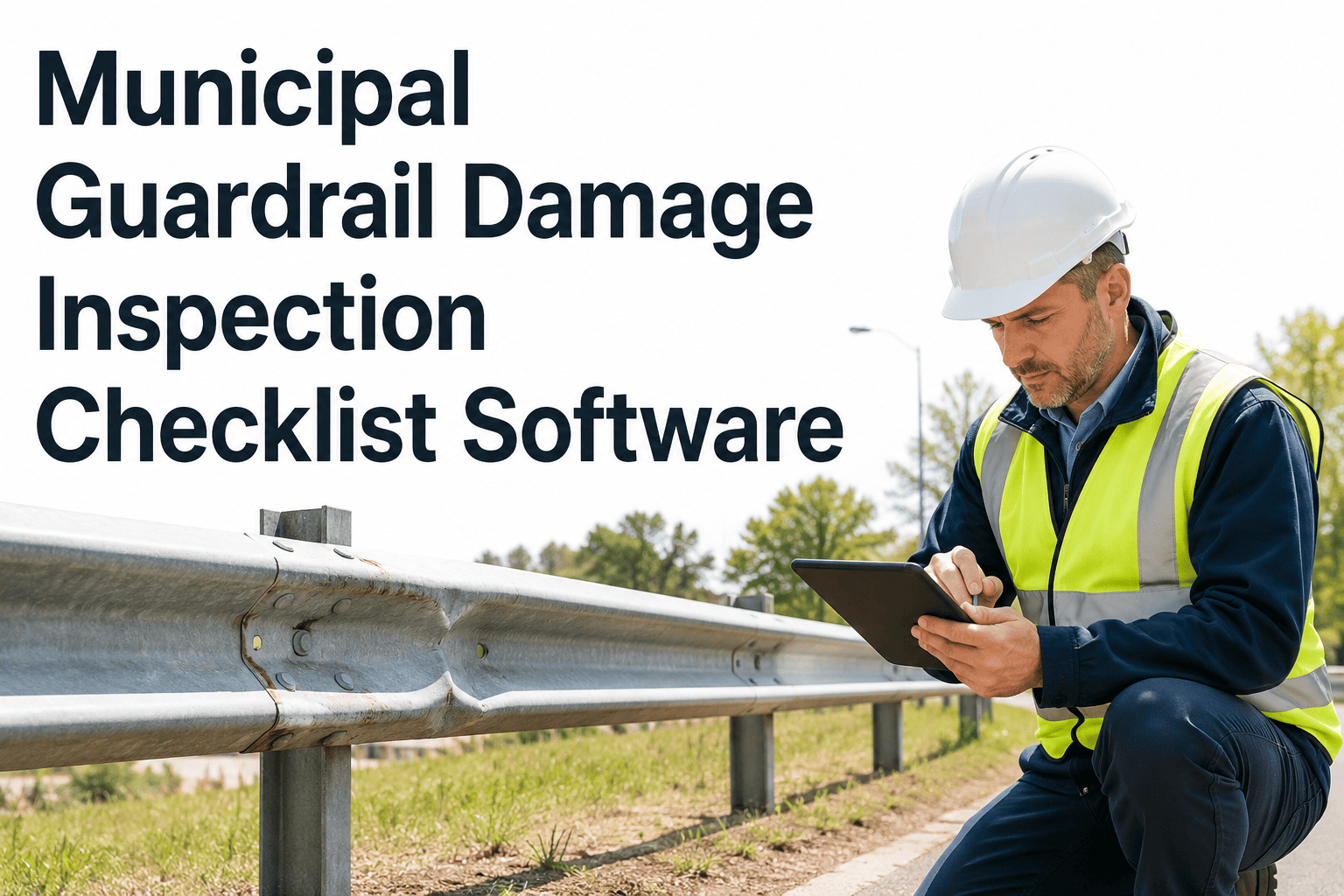
Every year, damaged guardrails that went uninspected or un-repaired contribute to fatal roadway departures — and when litigation follows, agencies without documented inspection records face liability exposure that dwarfs the cost of any repair. Municipal road maintenance supervisors are under pressure to inspect hundreds of miles of guardrail on shrinking budgets, often relying on spreadsheets that can't generate work orders, track repair status, or prove a section was assessed before an incident. OxMaint's mobile CMMS changes that — giving field crews digital guardrail inspection checklists, instant photo documentation, automatic work order creation for damaged sections, and a complete audit trail that protects the agency. This checklist covers every inspection point, grading standard, and escalation protocol your roadside safety program needs.
Municipal Guardrail Damage Inspection Checklist
Field inspection framework for road maintenance supervisors — covering post condition, rail damage grading, end terminal assessment, and instant work order generation. Built for agencies tracking 50 to 5,000+ linear miles of guardrail.
4-Level Condition Grading — Built Into OxMaint Checklists
No visible damage. Posts plumb within 3°. Rail continuous with no deflection. End terminals intact. No action required — log inspection and schedule next cycle.
Minor rust, single bolt missing, small rail dent below 2-inch depth. Non-urgent — schedule routine maintenance within 30 days. Log in CMMS with photo.
Bent or displaced rail, leaning posts, 2+ missing bolts, cracked block-outs. Priority repair — work order within 7 days. Flag section in CMMS with photo evidence.
Breached, missing, or severely deflected rail. Damaged MASH-compliant terminal. Immediate hazard — emergency work order, same-day repair or temporary barrier, supervisor notification required.
Field Inspection Checklist — Section by Section
Road maintenance supervisors using OxMaint close work orders on damaged guardrail sections 4× faster than paper-based teams — because the work order is already created the moment the inspector grades the section in the field.
Guardrail Inspection Standards & Response Timelines
| Condition Grade | Defect Type | Required Response | Work Order Priority | Typical Repair Cost |
|---|---|---|---|---|
| Grade 1 — Good | No defects | Log and schedule next cycle | None | $0 |
| Grade 2 — Fair | Minor rust, 1 missing bolt | Routine maintenance within 30 days | Low | $200–$800 |
| Grade 3 — Poor | Bent rail, leaning posts | Priority repair within 7 days | High | $1,500–$6,000 |
| Grade 4 — Critical | Breached, terminal damaged | Same-day emergency repair or temp barrier | Emergency | $6,000–$25,000+ |
Cost estimates based on AASHTO unit price ranges for rural and suburban guardrail repair. Emergency mobilization typically adds 40–60% over scheduled repair cost — a direct financial case for proactive inspection programs.
Guardrail inspection programs that rely on paper forms create a dangerous gap between field finding and repair crew dispatch. In litigation, the question is always the same: when was the damage first documented, and how long before it was repaired? Agencies running digital CMMS-based inspection programs have timestamped answers to both questions. Agencies on paper often don't — and that gap costs them settlements that dwarf the cost of any inspection software.
Guardrail Inspection — Common Questions
How often should municipal guardrail be inspected?
Most state DOTs and FHWA guidance recommend annual visual inspections for all guardrail sections, with post-impact inspections required within 24–72 hours of any reported collision. High-traffic corridors and sections near sharp curves warrant semi-annual cycles. OxMaint automatically schedules inspection cycles by section and triggers immediate re-inspection tasks when a crash report is linked to a guardrail asset. Configure your inspection schedule in OxMaint.
What documentation is required to defend against guardrail liability claims?
Defense counsel consistently needs: (1) the date the damage was first observed, (2) the work order creation timestamp, (3) the repair completion date, and (4) photo evidence of pre- and post-repair condition. OxMaint captures all four automatically — timestamped inspection records, work orders with creation and closure dates, and geotagged photos stored against each guardrail asset record. Book a demo to see the audit trail in action.
Are MASH-compliant terminals required for all new guardrail installations?
FHWA requires that all new or replaced guardrail terminals on the National Highway System (NHS) meet MASH 2016 standards. Non-NHS roads follow state DOT requirements, but most states now align with MASH. Legacy NCHRP 350 terminals can remain in service until damaged or scheduled for replacement. OxMaint tracks terminal type for every section — flagging non-compliant terminals when sections are due for replacement so agencies can prioritize upgrades correctly.
How does OxMaint generate work orders from field guardrail inspections?
When an inspector grades a section as Grade 3 or Grade 4 in the OxMaint mobile app, a work order is created automatically — pre-populated with section ID, location, damage description, condition grade, inspector photos, and priority level. The work order routes to the assigned maintenance crew instantly, eliminating the paper-to-dispatch delay that averages 72 hours in traditional programs. Start a free trial to see the workflow.
Every Guardrail Section Graded. Every Damaged Section Actioned. Every Audit Defended.
OxMaint gives road maintenance supervisors mobile inspection checklists with photo capture, automatic work orders triggered by damage grade, real-time repair tracking, and complete audit records — eliminating the documentation gap that exposes agencies to liability.