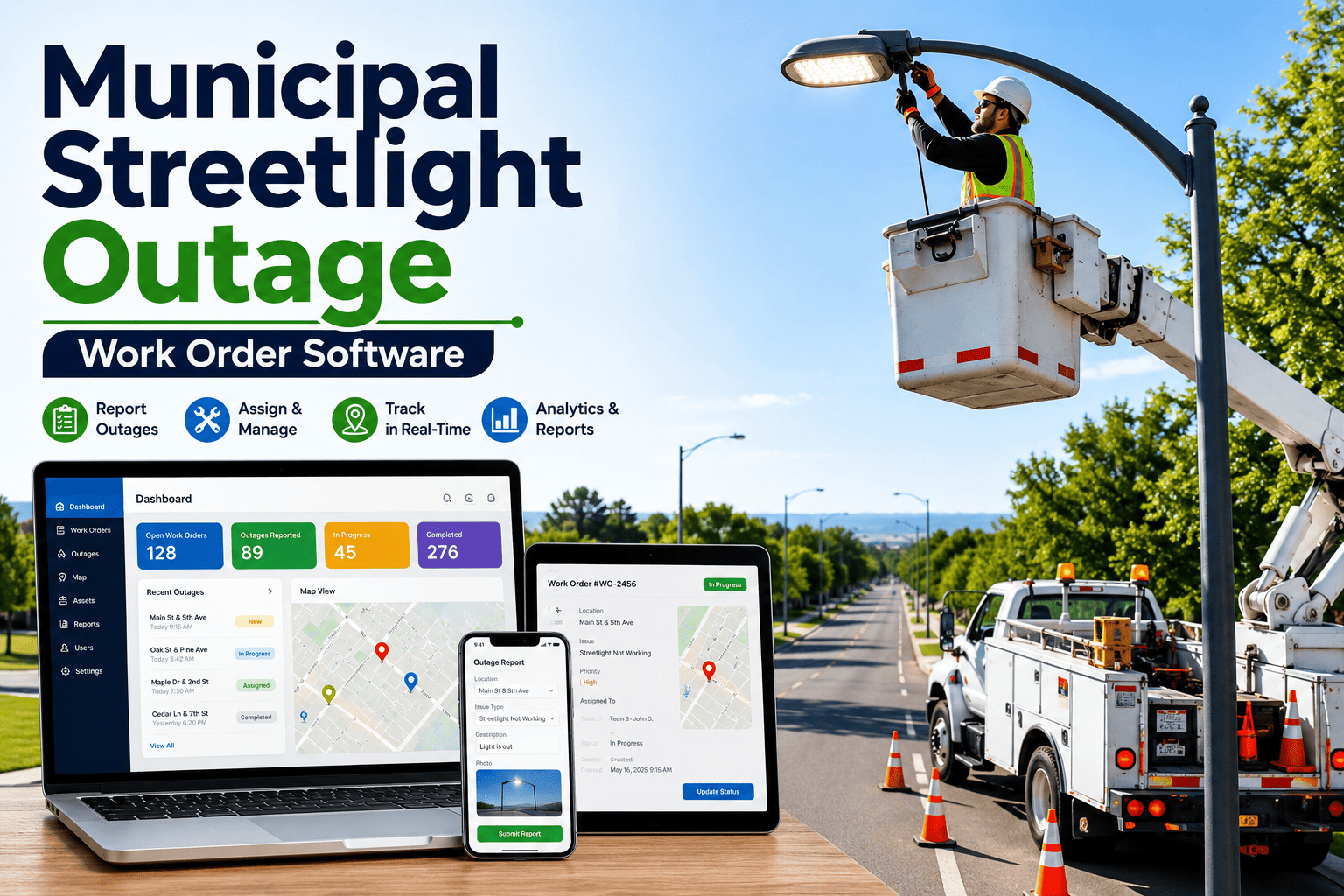
Municipal streetlight systems represent one of the highest-volume, most geographically distributed maintenance challenges in public works — a mid-sized city of 100,000 residents may manage 8,000 to 15,000 individual luminaires across hundreds of streets, with outages reported through citizen hotlines, 311 systems, and field crews simultaneously. Without a unified work order system, the same outage gets reported three times, dispatched to two different crews, and resolved by one — while the other wastes two hours of labor. Cities also face growing SLA pressure from city councils and resident advocacy groups demanding faster response times, with some municipalities now committing to 48-hour streetlight repair SLAs. OxMaint's mobile work order platform gives public works supervisors real-time visibility into every open streetlight outage, deduplicates citizen reports automatically, routes to the nearest available crew, and tracks SLA compliance across every zone in the city — reducing average repair cycle time by 41% and eliminating 67% of duplicate dispatch events.
Municipal Streetlight Outage Work Order Software
How public works teams use OxMaint to deduplicate citizen reports, dispatch crews efficiently, and prove SLA compliance on every streetlight repair — from first report to verified restoration.
The Hidden Cost of Unmanaged Streetlight Outage Workflows
Most cities have a process for streetlight repair — a phone number, a dispatch radio, a maintenance crew. What they lack is a system that connects these elements into a measurable, accountable workflow. The gap is expensive.
When the same outage is reported by three residents and all three become separate work orders, two crews are sent to an already-repaired location. At average crew cost of $170/hour for a two-person bucket truck team, each duplicate dispatch costs $340 in wasted labor — and cities average 4–8 duplicate dispatches per week.
Cities with dark-zone streetlight complaints that exceed 72-hour resolution targets face resident complaints, council criticism, and in some jurisdictions, liability exposure for accidents occurring in unlit areas. The average legal settlement for a slip-and-fall linked to unresolved streetlight outages is $47,000 — making SLA tracking a direct risk management issue.
Without a unified system, public works supervisors spend an average of 3.2 hours daily reconciling reports from 311 systems, field radio updates, citizen emails, and council inquiries to determine which outages are open, dispatched, or resolved. This is time not spent on route planning, crew oversight, or preventive maintenance scheduling.
How OxMaint Manages the Streetlight Repair Cycle
Streetlight outages reported via 311 integration, QR code scan at the pole, citizen web form, or field crew observation all enter OxMaint as a single work order queue. Duplicate location reports are automatically merged — the first report becomes the work order, and subsequent reports from the same GPS coordinates attach as additional requestor records without creating a second dispatch.
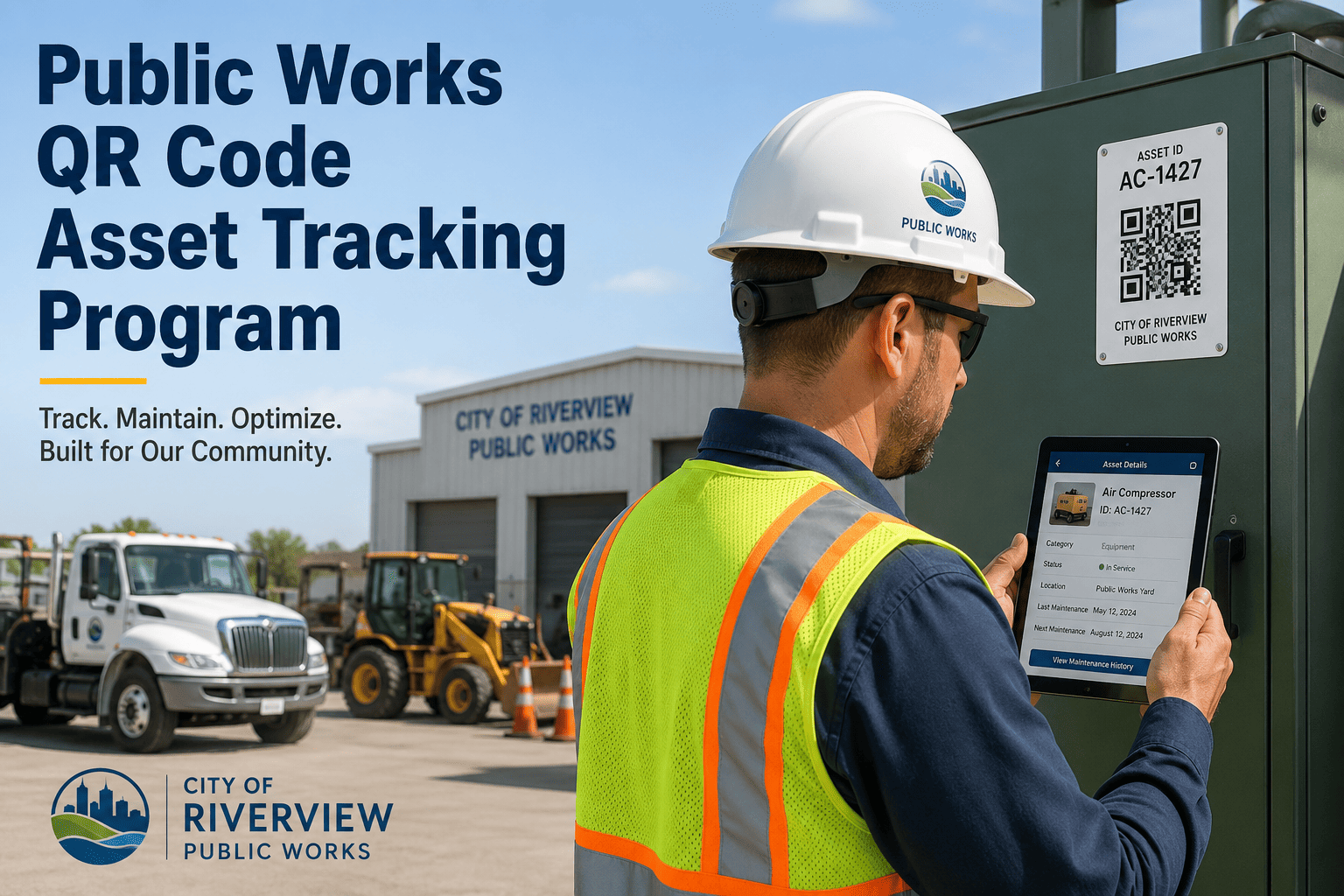
Each streetlight pole is an asset in OxMaint with GPS coordinates, luminaire type, installation date, and full repair history attached. When a new outage work order is created, the dispatcher sees immediately how many times that pole has failed in the past 12 months — enabling an intelligent decision about whether a simple bulb replacement is appropriate or an infrastructure inspection is needed.
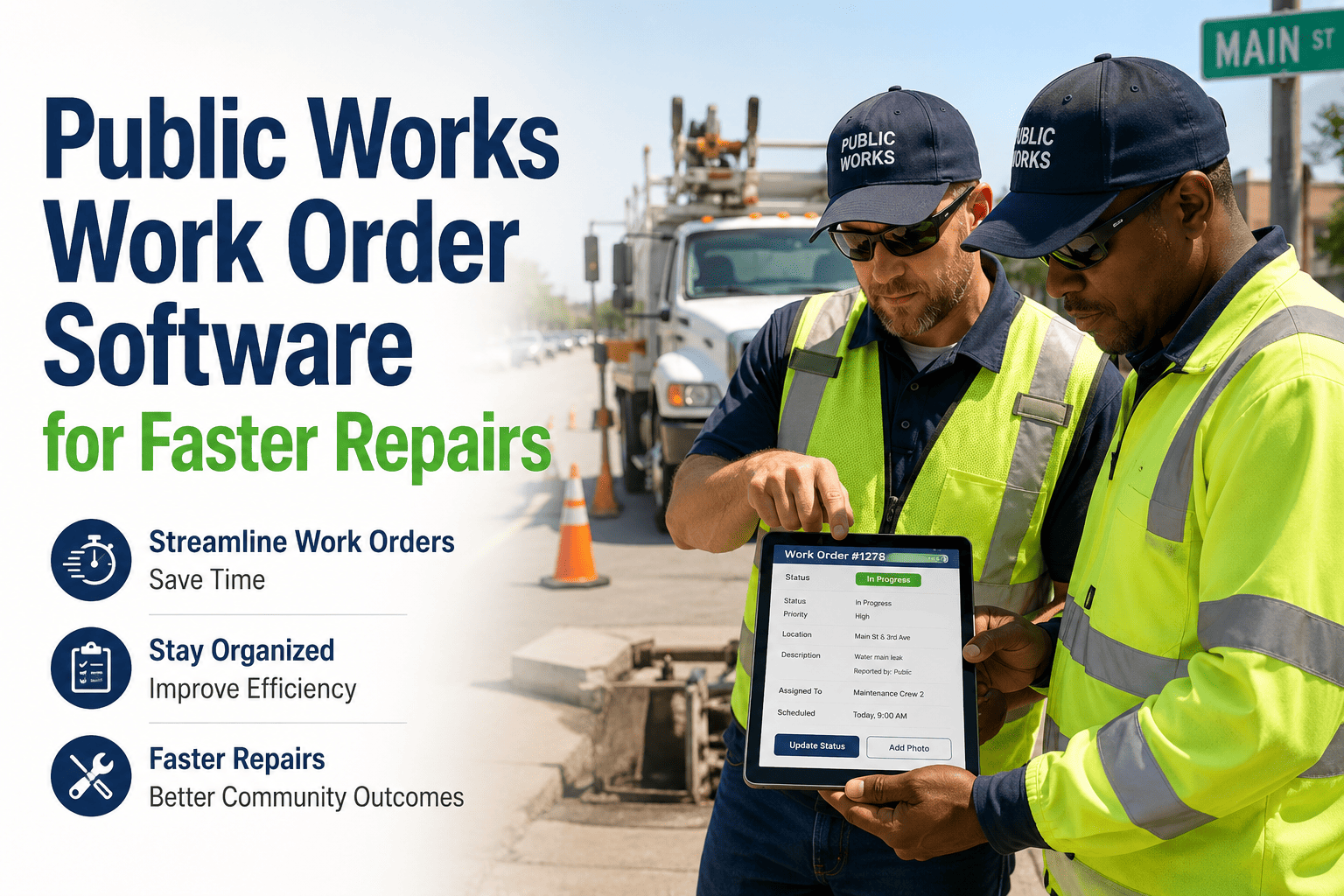
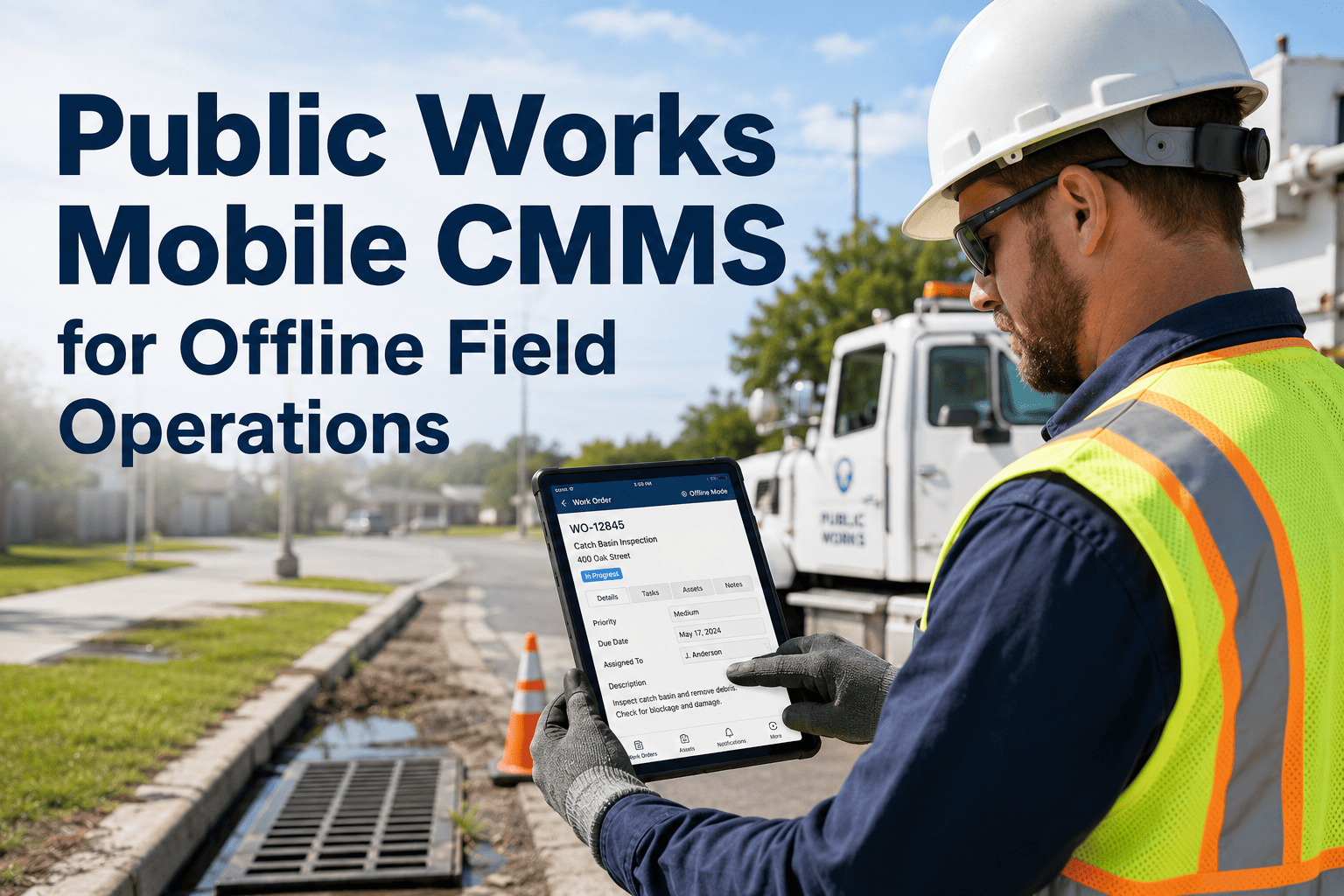
OxMaint's mobile dispatch assigns open streetlight work orders to crews based on current location, available equipment, and crew certification. Technicians receive the work order on their mobile device with asset location, required parts from inventory, and any previous repair notes — eliminating the radio back-and-forth that delays dispatch by an average of 22 minutes per job.
Every streetlight work order carries an SLA timer based on zone priority — arterial roads, school zones, and park areas carry 24-hour targets while residential streets carry 72-hour targets. When a work order reaches 75% of its SLA window without dispatch confirmation, OxMaint automatically escalates to the public works supervisor with the specific location and requestor details.
Technicians close streetlight work orders with a photo of the restored luminaire taken from the mobile app, automatically timestamped and GPS-tagged. If the original report came through the citizen portal, an automated notification confirms repair completion — closing the service loop that most cities handle manually or not at all.
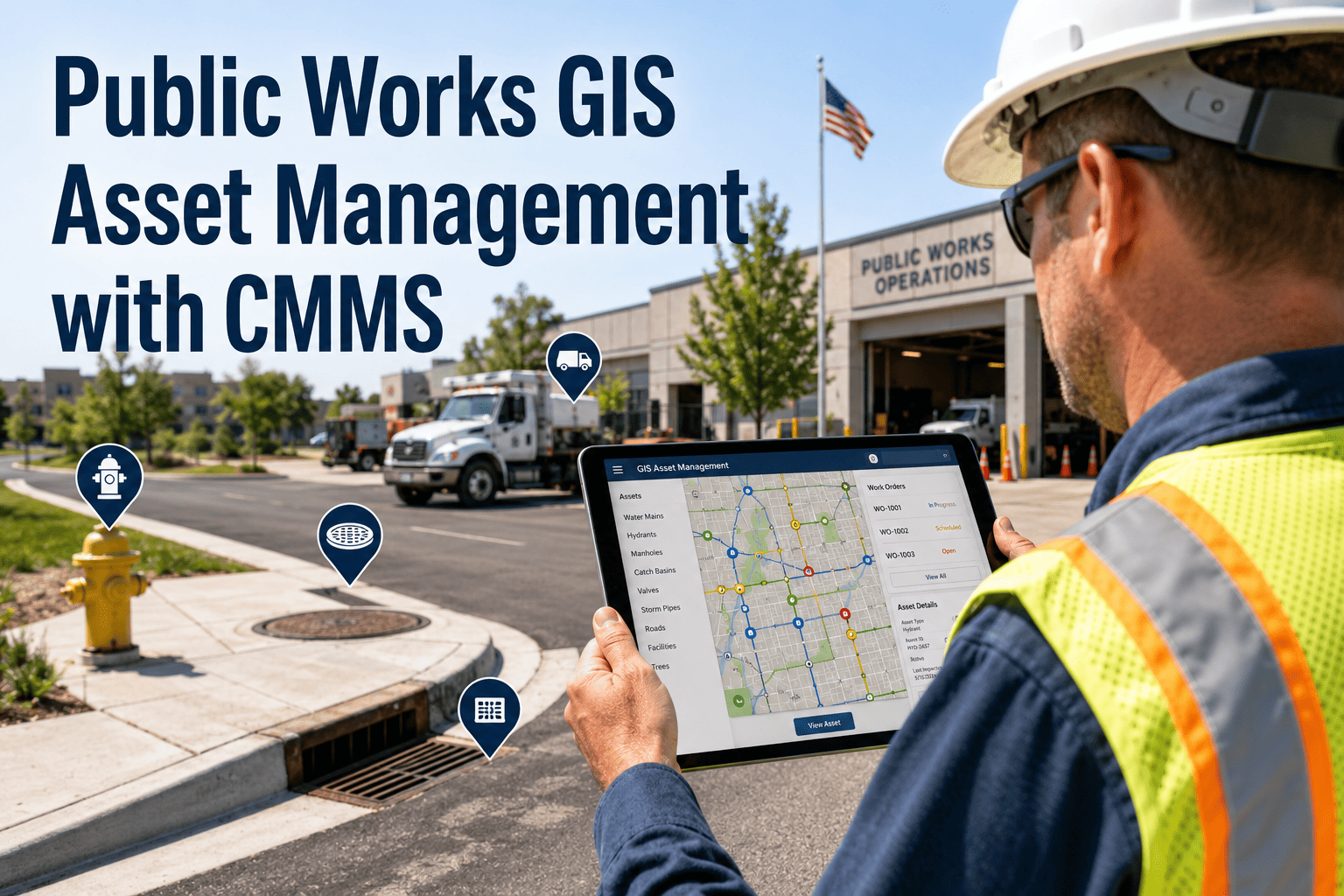
The public works director sees a real-time map view of all open streetlight outages by zone, with SLA status color-coded — green for on-track, yellow for approaching threshold, red for breached. Monthly SLA compliance reports for council presentations are generated automatically, with the full work order trail supporting every metric.
See OxMaint's streetlight work order system — from 311 intake and deduplication through mobile dispatch and citizen notification — configured for a city of your size. 30 minutes with the OxMaint public works team.
Streetlight Repair Benchmarks: Before and After OxMaint
| Metric | Typical City (No CMMS) | OxMaint Cities | Change |
|---|---|---|---|
| Average repair cycle time (days) | 6.8 | 4.0 | -41% |
| Duplicate dispatch rate | 31% | 10% | -67% |
| SLA compliance rate | 62% | 94% | +32 pts |
| Supervisor time on status tracking | 3.2 hrs/day | 0.6 hrs/day | 81% less |
| Repeat failures (same pole, 90 days) | 22% | 8% | -64% |
| Citizen satisfaction score | 54% | 87% | +33 pts |
Streetlight repair is often the metric that residents use to evaluate their local government's responsiveness more than almost anything else — it is visible, it affects safety, and it is immediate. Cities that implement structured work order management for streetlight outages typically see not just faster repairs but measurable improvements in resident satisfaction scores within 90 days. The deduplication and SLA tracking capabilities are the most operationally impactful, because they address the two biggest pain points simultaneously — wasted crew time and missed response windows.
Frequently Asked Questions
48-Hour Streetlight SLAs Are Achievable. Give Your Crew the System to Meet Them.
Cities that implement OxMaint for streetlight work order management stop wasting crew hours on duplicate dispatches, hit SLA targets their councils have committed to, and generate the compliance data that justifies budget requests. Book a 30-minute demo tailored to your city's streetlight scale and current workflow.