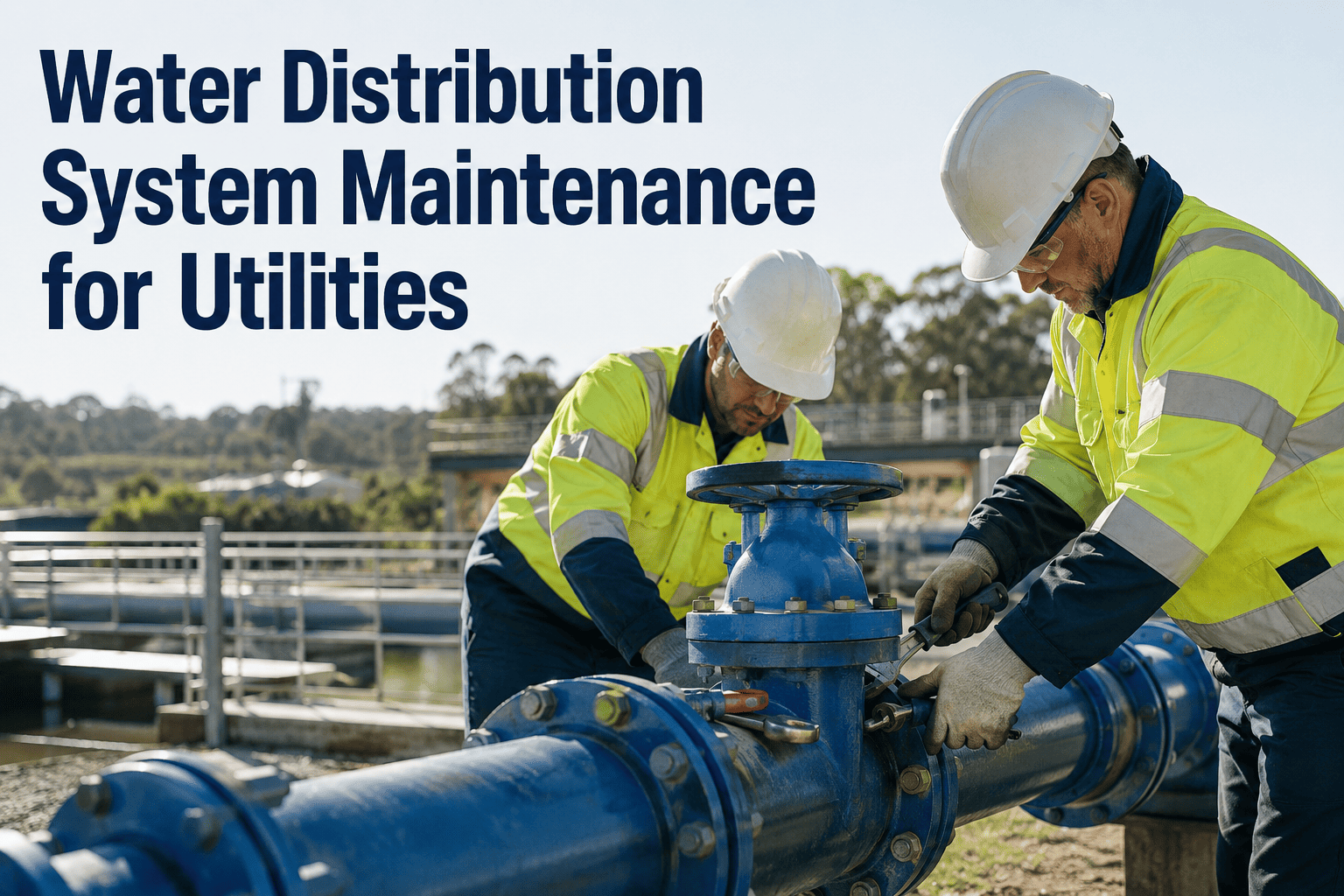
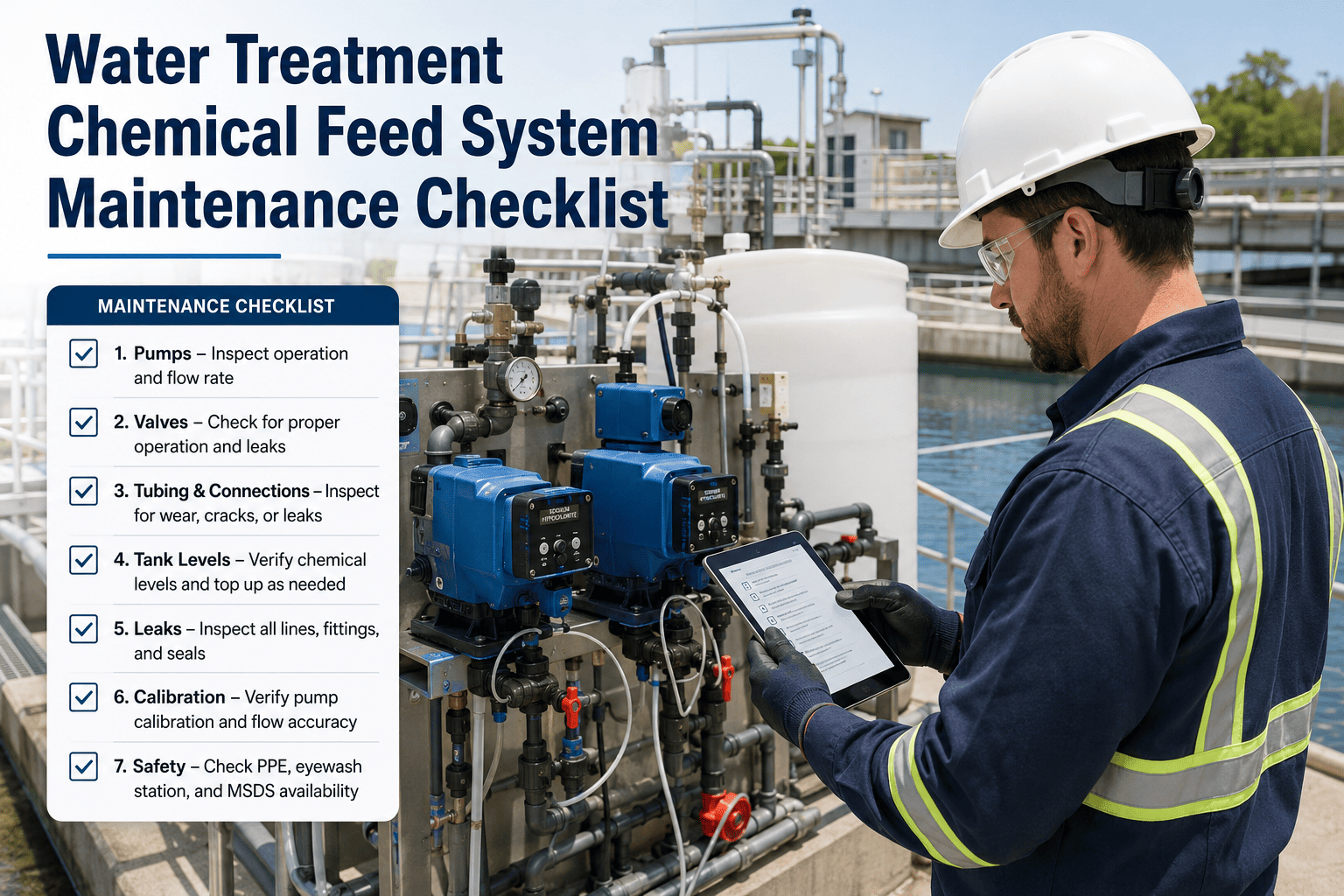
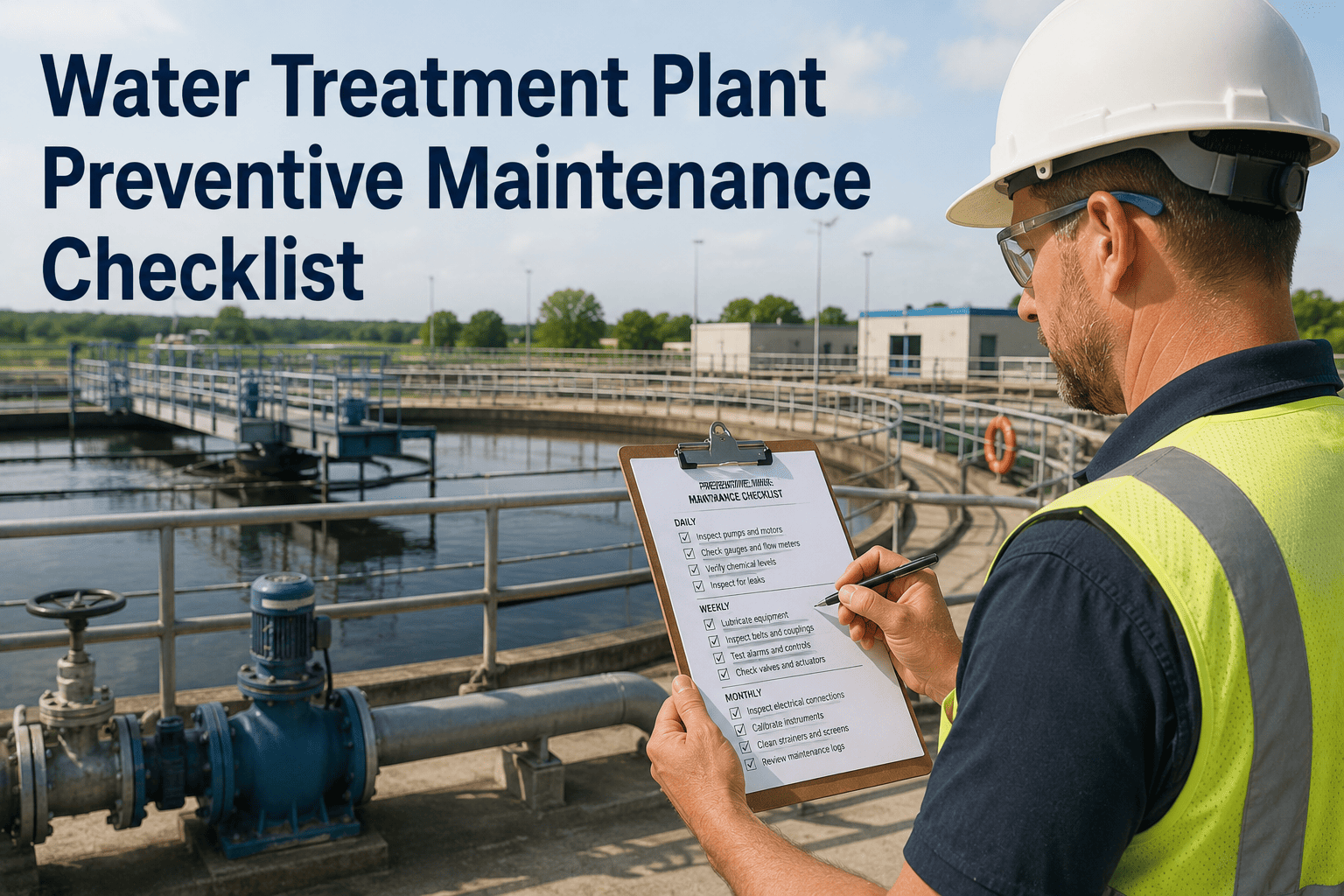
The 6-inch water main ruptured at 3:47 AM on a frigid January night. Pressure alarms triggered across the distribution network. Within minutes, 500,000 gallons per hour were flooding a residential neighborhood while 8,000 customers lost service. The emergency repair crew arrived to find a 50-year-old cast iron pipe that had shown warning signs for months—signs that went unaddressed because the valve exercising program had lapsed and the leak detection survey was 18 months overdue.
This scenario keeps municipal water superintendents awake at night. Industry data from the American Water Works Association (AWWA) indicates that U.S. water systems experience approximately 240,000 water main breaks annually, with repair costs averaging $3,000-$5,000 per incident—not including property damage claims, water loss, and emergency overtime. For municipalities operating under Safe Drinking Water Act requirements, compliance isn't just about paperwork; it's about public health protection and infrastructure stewardship.
This operations guide provides the systematic frameworks used by leading North American municipalities to ensure water distribution system reliability, automate maintenance documentation, and eliminate catastrophic failure events. Explore how digital maintenance platforms protect municipal water assets →
240K
water main breaks annually in U.S.
$5K
average repair cost per main break
16%
average water loss from aging systems
73%
still rely on paper maintenance logs
Critical Components of Municipal Water Systems
Municipal water distribution requires a holistic view of the entire system from source to tap. Maintenance extends beyond pipe repair to pumping stations, storage facilities, treatment processes, and control systems. Understanding these subsystems is vital for meeting Safe Drinking Water Act requirements and ensuring reliable service.
Pipe Materials
DI, PVC, HDPE, CI
Typical Life
50-100 Years
Critical Factor
Corrosion Control
Common Failure: Joint leaks and circumferential cracks from soil movement
Pump Types
Centrifugal/VFD
PM Frequency
Monthly/Quarterly
Critical Factor
Bearing/Seal Health
Common Failure: Mechanical seal failure causing flooding and motor damage
Inspection
3-5 Year Cycle
Coating Life
15-20 Years
Critical Factor
Structural Integrity
Common Failure: Coating deterioration leading to contamination and corrosion
Water System Maintenance Schedule: Complete Reference
The American Water Works Association (AWWA) and state regulatory agencies establish maintenance standards for municipal water systems. Maintenance schedules must be documented; missing a required inspection can result in compliance violations and consent orders. Below is the standard maintenance cadence for distribution system components.
Valve Exercising
Full cycle operation
Annual
Operability verified
Document turns/condition
Hydrant Flushing
Unidirectional flush
Semi-Annual
Water quality
Record flow/pressure
Hydrant Inspection
Flow test & inspection
Annual
ISO rating
Paint/lubricate
Pump Station PM
Vibration/temp/amp
Monthly
Efficiency baseline
Seal inspection
Tank Inspection
Interior/exterior survey
3-5 Years
AWWA D101 compliance
Diving or ROV
Leak Detection
Acoustic survey
Annual
Water loss reduction
Correlator/listening
PRV Maintenance
Calibration/rebuild
Annual
Pressure regulation
Diaphragm/spring
Chlorine Residual
Distribution sampling
Daily/Weekly
0.2 mg/L minimum
Regulatory required
Backflow Testing
Assembly certification
Annual
Cross-connection control
Certified tester
SCADA Calibration
Sensor verification
Quarterly
Data accuracy
Pressure/flow/level
Swipe to see more →
Schedule a water system maintenance assessment for your utility →
Troubleshooting Response: Decision Flowchart
When a water main breaks or pressure complaints flood the dispatch center, systematic response is critical. This decision framework helps municipal operators diagnose distribution system emergencies and restore service while minimizing water loss and customer impact.
Pressure Complaint / Main Break Report / Low Tank Level Alarm
Is there visible water surfacing or confirmed break location?
YES
Confirmed Break Response
1. Dispatch crew to isolate affected section
2. Identify valve closure sequence (GIS)
3. Notify affected customers
4. Mobilize repair equipment and materials
NO
Systematic Investigation
1. Check SCADA for pressure anomalies
2. Verify pump station operation status
3. Review tank levels and refill rates
4. Deploy acoustic leak detection
Digitize Your Water System Maintenance
Eliminate paper inspection logs and missed maintenance. Automate valve exercising schedules, track hydrant inspections, and generate compliance reports for state regulators with a utility-grade CMMS.
Top 5 Water System Failures & Fixes
Understanding failure modes like pipe corrosion and pump cavitation is crucial for preventative maintenance programs that protect public health and infrastructure investments.
01
Main Break (Corrosion/Age)
Symptom: Water surfacing, pressure drop, discolored water complaints, unexplained tank level drops.
Fix: Implement annual leak detection surveys; prioritize replacement of cast iron mains over 75 years old.
02
Pump Failure (Seal/Bearing)
Symptom: Elevated vibration, temperature rise, amp draw increase, visible seal leakage.
Fix: Monthly vibration monitoring; replace mechanical seals every 3-5 years; maintain spare pumps.
03
Inoperable Valves
Symptom: Valve won't turn during emergency; extended isolation area; prolonged customer outages.
Fix: Annual valve exercising program; document turns to close; replace gate valves with resilient wedge.
04
Low Chlorine Residual
Symptom: Dead-end complaints, boil water advisories, positive coliform samples.
Fix: Systematic flushing program; automatic flushing stations; booster chlorination at remote sites.
05
PRV Malfunction
Symptom: High/low pressure complaints, PRV hunting, pressure surges damaging customer fixtures.
Fix: Annual PRV inspection and calibration; rebuild kits on preventive schedule; install pressure loggers.
Build standardized water system maintenance workflows in your platform →
Digital CMMS Integration for Water Utilities
Paper maintenance logs are the single biggest risk factor in water utility operations. Illegible handwriting, missing dates, and incomplete records leave utilities vulnerable to regulatory violations and infrastructure failures. Digital systems enforce accountability and ensure that maintenance activities actually occur on schedule.
Traditional Logbooks
X
Paper records scattered across pump stations
X
No alerts for missed valve exercising
X
Hydrant data disconnected from GIS
X
Compliance reports require weeks to compile
CMMS-Enabled
✓
Cloud access to all asset records from field
✓
Auto-escalation for overdue maintenance
✓
GIS integration with asset conditions
✓
One-click regulatory compliance reports
01
Automated Scheduling
System automatically triggers valve exercising, hydrant inspections, and tank surveys based on compliance calendars.
02
Mobile Offline Mode
Field crews can complete inspections and log repairs at remote pump stations even without cellular connectivity.
03
Water Loss Tracking
Monitor system input versus billed consumption to identify non-revenue water and prioritize leak detection efforts.
04
Asset Lifecycle
Track total cost of ownership, repair history, and remaining useful life to justify capital replacement budgets.
45%
reduction in emergency repairs
25%
decrease in water loss
100%
compliance documentation
Request a platform walkthrough for water utilities →
Expert Perspective
America's water infrastructure is facing a trillion-dollar renewal challenge. The average water main in the U.S. is over 45 years old, with some cities operating pipes installed in the 1800s. For municipalities, the "run to failure" mindset is no longer sustainable—both financially and from a public health perspective.
Industry analysis confirms that 70% of water system failures are attributed to deferred maintenance on valves, hydrants, and pipe inspection—all preventable issues. By digitizing maintenance programs, utilities not only ensure regulatory compliance but also protect their communities from the service disruptions and contamination risks that occur when infrastructure fails without warning.
Conclusion
Water system reliability is the backbone of community public health. There is no acceptable failure rate when it comes to safe drinking water delivery. Adhering to AWWA maintenance standards, understanding common failure modes like pipe corrosion and pump seal failure, and transitioning from paper logs to digital asset management are the only ways to guarantee system performance.
This guide serves as your roadmap to operational excellence, ensuring that your community receives safe, reliable water service 24/7/365. The investment in systematic maintenance pays dividends in reduced emergency repairs, lower water loss, and sustained regulatory compliance.
Start building your water system maintenance program today →
Is Your Water System Audit-Ready?
Connect your valves, hydrants, pumps, and tanks to a maintenance platform built for utility compliance. Automated alerts, mobile inspections, and instant reporting for regulatory requirements.
Frequently Asked Questions
How often should valves be exercised in a water distribution system?
AWWA recommends exercising all distribution valves annually at minimum. Critical valves (transmission mains, pump station isolation) should be exercised semi-annually. The key is documenting the number of turns to close, direction of operation, and any resistance encountered. Valves that haven't been operated in years often become inoperable due to corrosion and sediment buildup, extending emergency isolation areas during main breaks.
What is "non-revenue water" and why does it matter?
Non-revenue water (NRW) is the difference between water produced/purchased and water billed to customers. It includes physical losses (leaks, main breaks), apparent losses (meter inaccuracy, theft), and unbilled authorized consumption (firefighting, flushing). The national average NRW is approximately 16%, meaning utilities lose nearly 1 in 6 gallons produced. Reducing NRW through leak detection and meter accuracy programs directly improves revenue and reduces treatment/pumping costs.
How do we maintain chlorine residual in dead-end mains?
Dead-end mains with low flow are prone to chlorine depletion and water quality degradation. Strategies include: systematic flushing on a scheduled basis (weekly to monthly depending on conditions), installing automatic flushing devices that discharge small volumes continuously, looping dead-ends where possible, and installing booster chlorination at remote locations. The goal is maintaining 0.2 mg/L minimum residual at all distribution system locations.
What records are required for water system regulatory compliance?
Most state primacy agencies require documentation of: water quality sampling results (bacteriological, chemical), chlorine residual monitoring, cross-connection control/backflow testing, storage tank inspections, pump station maintenance, and operator certifications. Records must typically be retained for 3-10 years depending on the type. Digital CMMS platforms provide audit trails with timestamps and user authentication that regulators prefer over handwritten logs.
Can we use a digital system to replace paper maintenance logs?
Yes, and it is strongly recommended. Digital CMMS platforms provide superior data integrity with timestamped entries, GPS location verification, photo documentation, and user authentication. Regulators increasingly prefer digital records because they cannot be easily falsified. Digital systems also enable instant retrieval during inspections, automated scheduling to prevent missed maintenance, and trend analysis to identify emerging problems before they become emergencies.