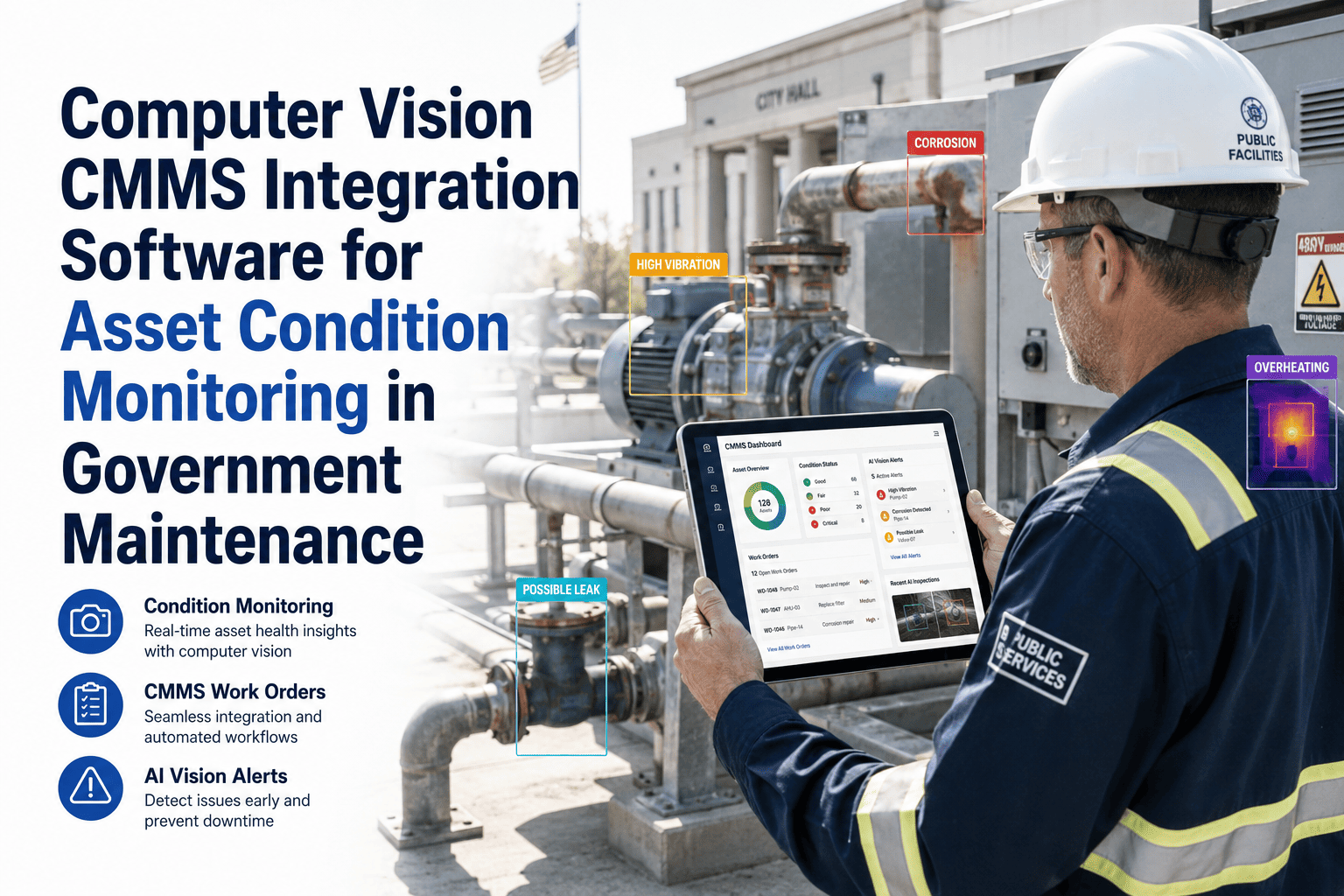
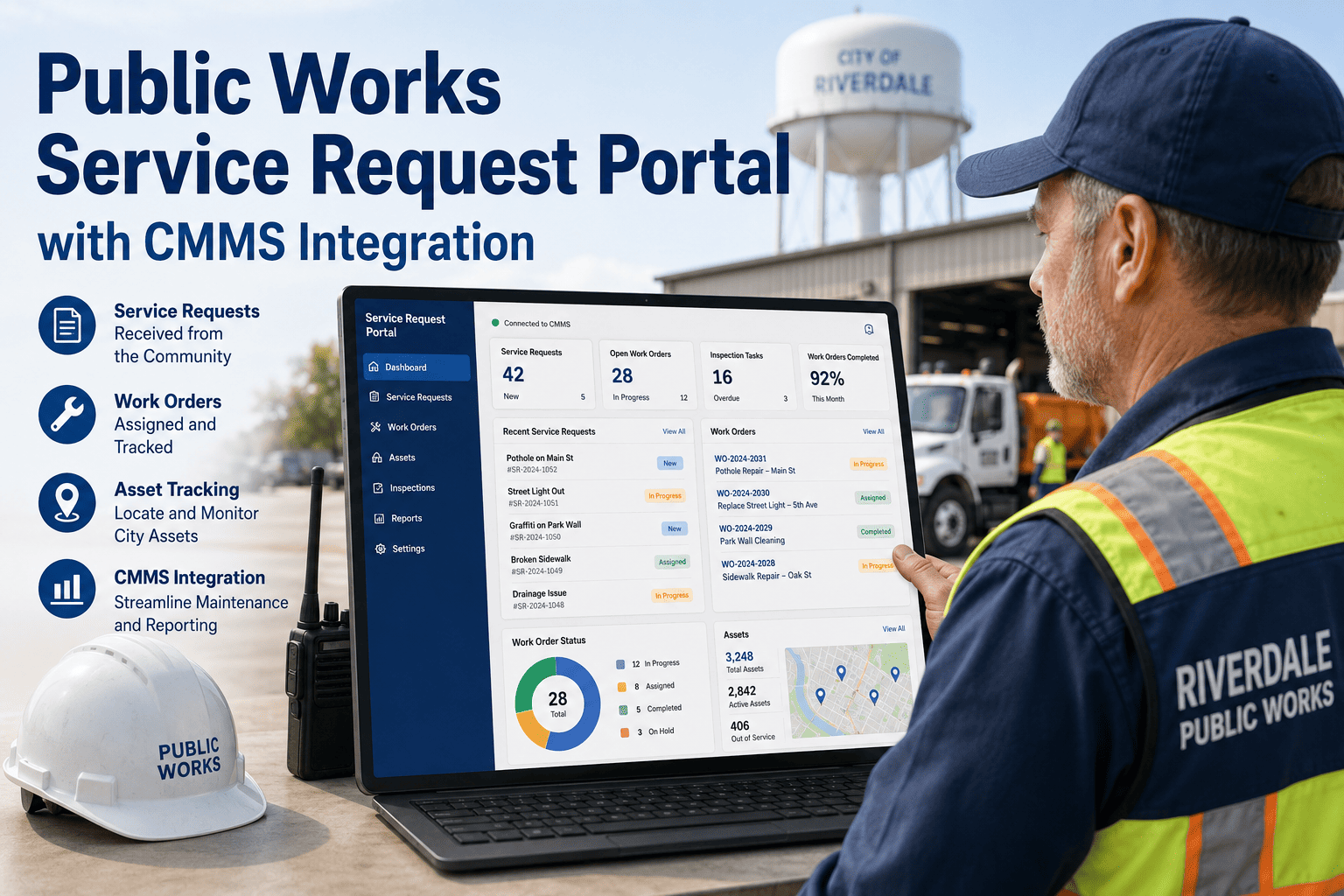
Public restrooms are one of the most visible indicators of how well a city cares for its residents — and one of the most maintenance-intensive facilities any municipal operations team manages. Vandalism, high foot traffic, aging plumbing, and inconsistent cleaning schedules combine to create a maintenance challenge that reactive work orders simply cannot solve. Cities that are getting this right are deploying IoT sensors and digital maintenance systems to move from schedule-based checks to condition-based responses. See how OxMaint powers smart city restroom maintenance.
Blog · Public Facilities · IoT Maintenance · 2026
Public Restroom Maintenance Monitoring for Cities
Why condition-based monitoring is replacing scheduled checks — and how forward-thinking cities are using IoT sensors to cut complaints, reduce costs, and keep public restrooms reliably clean and functional.
The Hidden Maintenance Crisis
Why the old way of managing public restrooms keeps failing
Most cities still operate on a fixed-schedule model — a maintenance worker checks each restroom at set intervals, regardless of how busy the facility has been. The result is a mismatch between need and response: high-traffic locations overflow and degrade hours before the next scheduled check, while low-traffic facilities get serviced more than necessary. Citizens notice. Complaints mount. Staff morale drops.
73%
of city residents rate poor public restroom conditions as their top complaint about city services, per National League of Cities surveys
2.4x
higher maintenance cost per restroom for cities using reactive-only response vs planned condition-based programs
58%
of restroom maintenance dispatches are unnecessary when IoT sensors replace time-based scheduling
IoT in Public Restrooms
What smart sensors actually monitor — and what they trigger
O
Occupancy Counters
Track cumulative entry counts per stall and per facility. When usage crosses threshold, a cleaning dispatch is triggered — not a clock.
Trigger: 50–80 uses per stall
S
Soap & Supply Sensors
Dispensers with level sensors alert the system when soap, paper towel, or toilet roll stock drops below threshold — before the shortage happens.
Trigger: Below 20% fill level
W
Water Leak Detectors
Floor-level moisture sensors detect leaks from pipes, overflows, or vandalism before they become structural damage or slip hazards.
Trigger: Any moisture detection
F
Flush & Fixture Monitors
Automatic flush sensors detect when fixtures fail to activate or cycle incorrectly — catching blockage and malfunction early.
Trigger: Missed flush cycle or error
A
Air Quality Sensors
VOC and odor sensors detect poor ventilation or drainage issues — flagging maintenance needs that a scheduled check would never catch in time.
Trigger: VOC above threshold ppm
D
Vandalism Detection
Impact and door-sensor data flags unusual activity patterns that signal damage or safety concerns — enabling faster response without increased patrol staffing.
Trigger: Unusual impact or access pattern
OxMaint IoT Integration
From sensor alert to closed work order — how the workflow runs
1
Sensor Fires Alert
IoT device transmits condition data to OxMaint when threshold is crossed — occupancy count, supply level, leak, or fixture fault.
2
Work Order Auto-Created
OxMaint generates a work order linked to that restroom asset, categorized by type — cleaning, repair, or supply restock — and assigned to the right crew.
3
Mobile Dispatch
Field technician or cleaning crew receives notification on their phone with location, task type, and any asset history relevant to the dispatch.
4
Digital Closeout
Crew completes work, logs condition, photos if needed, and closes the work order from mobile — all timestamped and stored against the restroom asset record.
Schedule-Based vs Condition-Based
The real difference IoT monitoring makes for city operations
Traditional Scheduling
Fixed check times regardless of usage
Issues discovered by complaint or during check
Staff time wasted on unnecessary visits
Supplies run out between scheduled checks
No performance data per facility
High complaint volume, low resident satisfaction
IoT Condition-Based (OxMaint)
Dispatch triggered by actual need
Issues flagged before resident notices
Resources directed where needed most
Supply alerts before stockout
Full usage and response history per site
Complaints fall, satisfaction scores rise
IoT Sensor Integration · OxMaint AI
Connect your city's restroom sensors to a maintenance platform that actually responds.
OxMaint integrates with leading IoT sensor platforms and translates every alert into a trackable, closeable work order — turning raw sensor data into operational accountability.
Expert Review
"The shift from time-based to condition-based restroom maintenance is one of the most straightforward wins in smart city operations. The sensor technology is mature and inexpensive, the ROI is immediate, and the resident satisfaction impact is measurable within the first quarter. The barrier isn't the hardware — it's connecting sensor data to a maintenance system that creates accountability. That's exactly what platforms like OxMaint solve."
Frequently Asked Questions
What city operations managers ask about restroom IoT maintenance
Which IoT sensor brands does OxMaint integrate with for public restroom monitoring?
OxMaint integrates with major IoT platforms including Milesight, Elsys, Dragino, and custom API-compatible sensor networks through its open integration layer. For cities already using a BMS or sensor aggregation platform, OxMaint connects via webhook or API to receive alert data and auto-generate work orders. The platform is sensor-agnostic — the integration team works with your existing hardware, so cities aren't required to replace or standardize sensors to get started.
Check your sensor compatibility in a free trial setup.
How does OxMaint help manage restroom maintenance across dozens of city locations?
Each restroom location is set up as an individual asset with its own sensor connections, work order history, and maintenance schedule. The supervisor dashboard shows all locations in one view — with status indicators for any open alerts, pending work orders, or overdue inspections. Cities can filter by district, park zone, or facility type to prioritize response across large areas. Monthly performance reports show response times, complaint rates, and maintenance cost per location, enabling data-driven resource allocation.
See the multi-location dashboard in a demo.
Is there a way to track citizen satisfaction alongside maintenance data in OxMaint?
Yes — OxMaint supports QR code-based feedback collection that can be posted in each restroom. Citizens scan the code and submit a simple satisfaction rating, which is timestamped and linked to the restroom asset record. This allows operations managers to correlate maintenance frequency and response time with resident satisfaction scores — giving budget justification data for IoT program expansions and concrete performance metrics for city council reporting.
What is the typical setup time for getting IoT-connected restroom monitoring operational in OxMaint?
For cities with existing sensor networks, OxMaint can be configured to receive alerts and generate work orders within one to two days once API credentials are exchanged. For new sensor deployments, the physical installation timeline depends on the number of locations and sensor vendor lead times, but OxMaint is typically configured in parallel with sensor installation, so the first work order triggers on the day sensors go live. The OxMaint team provides full onboarding support and a tested integration checklist for public facility deployments.
Free Trial · IoT-Ready Setup · No Credit Card
Your city's restrooms are talking. Make sure your maintenance system is listening.
Connect IoT sensors to smart work order dispatch, track every facility's performance, and give residents the clean, functional public spaces they deserve — without burning out your maintenance crew.