Worker Safety in Railways Maintenance: Robots, Drones & Remote Monitoring
By John Mark on March 12, 2026
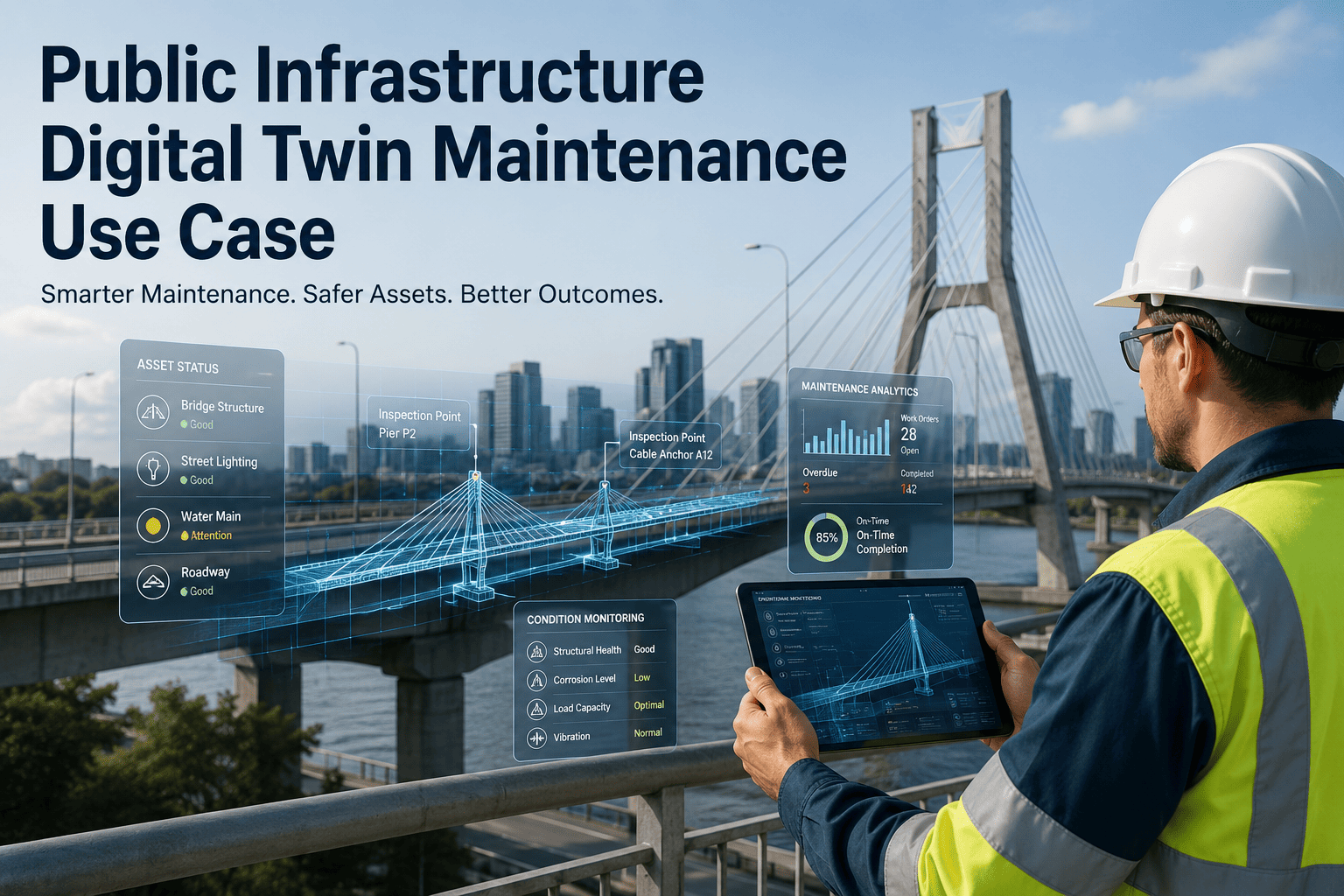
When a routine track inspection in a high-traffic rail corridor misses a hairline fracture in a sleeper, the result isn't just a maintenance delay—it's a critical safety risk for workers and the public alike. Railway environments are notoriously hazardous, with heavy machinery, high-voltage lines, and unpredictable weather making manual inspections a high-stakes endeavor. Worker safety in railways maintenance is being revolutionized by robots, drones, and remote monitoring, moving human crews away from "live" tracks and into safe, analytical roles. Oxmaint AI integrates drone workflows, autonomous robot patrols, and IoT sensor ingestion to automate hazardous inspections, reduce track-side downtime, and keep maintenance crews out of harm's way. Start with Oxmaint for free and see how digital safety ecosystems protect your most valuable assets: your people.
The Critical Impact of Automated Safety in Rail
The transition to remote monitoring isn't just about efficiency; it's about eliminating the primary causes of track-side fatalities and injuries. By deploying AI-driven vision and autonomous hardware, agencies can identify defects without stopping rail service or putting boots on the ballast. Here is the data behind the shift to safer, remote-first railway maintenance.
85%
Risk Reduction
Estimated reduction in track-side accidents through drone-led remote inspections
24/7
Continuous Vigilance
Autonomous robot patrols monitoring hazardous areas without human exposure
50%
Faster Detection
Reduction in defect identification time using AI vision and IoT anomaly alerts
These figures represent a fundamental change in public works safety standards. Agencies adopting integrated CMMS platforms for their robotic fleets report significantly lower insurance premiums, higher worker morale, and zero safety-related work stoppages. Book a demo with Oxmaint to see how these automated safety workflows protect your railway infrastructure.
The Pillars of Next-Gen Railway Worker Safety
Safety in modern rail maintenance relies on a "Defense in Depth" strategy using diverse technologies. Generic maintenance tools can't handle the high-velocity data of a drone mission or the geofencing requirements of a robot patrol. Oxmaint provides the specialized infrastructure to manage these advanced safety assets effectively.
Drones
Aerial Inspection Workflows
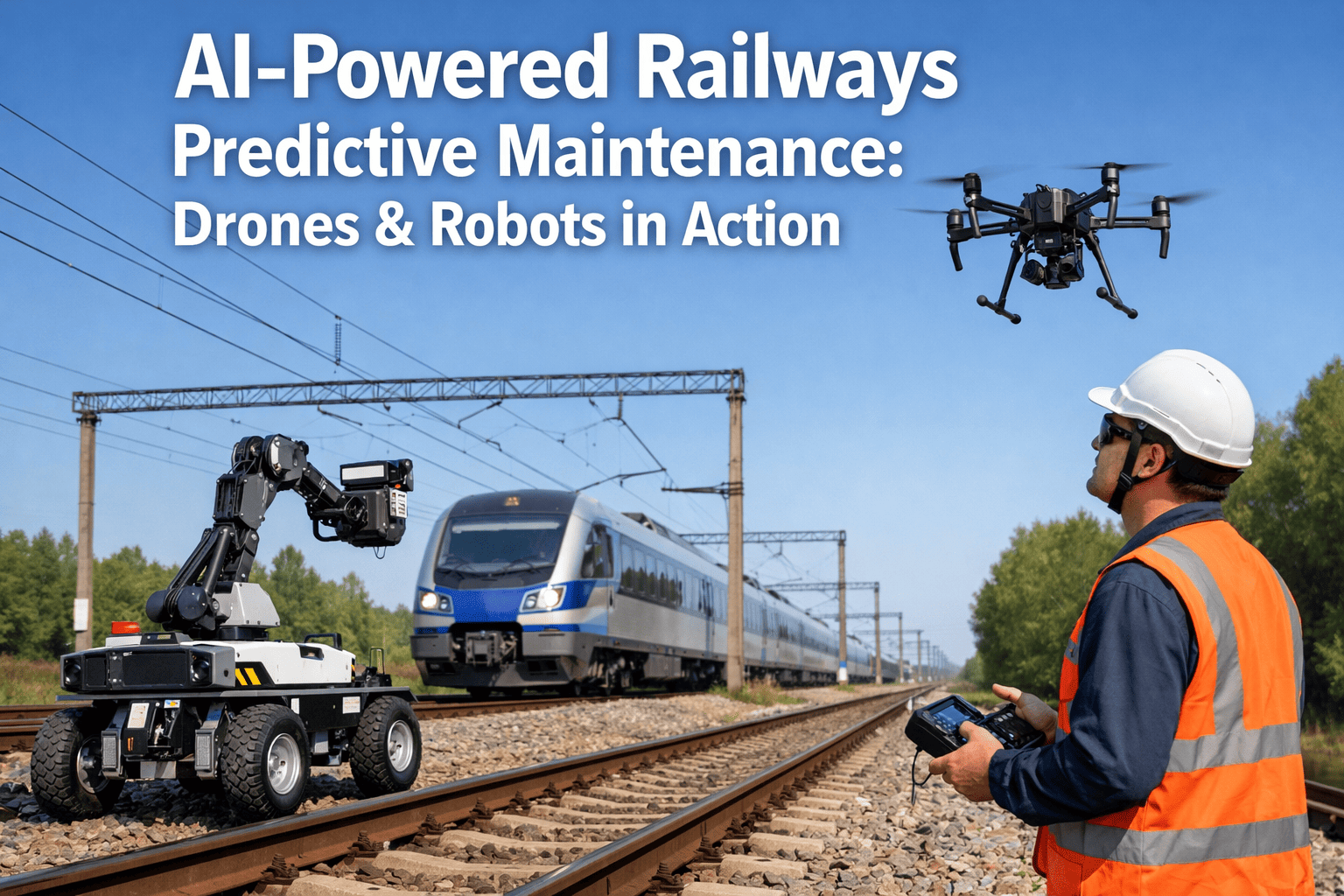
Execute high-resolution aerial surveys of bridges, catenary lines, and steep embankments, keeping inspectors on the ground while drones capture every bolt and wire with millimeter precision.
Robotics
Autonomous Track Patrols
Deploy ground robots for routine tunnel and track inspections. These units utilize teleoperation and AI vision to detect obstacles and defects without human presence in high-risk zones.
IoT
LoRaWAN Remote Monitoring
Low-power sensors track rail temperature, vibration, and structural settling. Real-time anomaly detection triggers alerts before a failure occurs, preventing emergency manual interventions.
Analytics
AI Vision Defect Detection
Automated analysis of mission logs identifies cracks, corrosion, or missing fasteners. By the time a crew is dispatched, they know exactly what tools are needed and where to go.
Control
Safety Geofencing & Alerts
Integrated safety geofencing tracks the position of both robotic assets and human crews, providing instant alerts if a person enters an active robot zone or a dangerous track area.
Logistics
Mission Logs & Route Planning
Centralized management of drone flight paths and robot mission logs ensures every inch of the rail network is accounted for and documented for federal safety audits.
Oxmaint integrates drone mission logs, robot patrols, and IoT data into one unified safety dashboard. See how public agencies are automating railway safety.
Comparison: Safety Strategies in Railway Maintenance
Choosing the right technology stack determines the speed and reliability of your safety response. We compared standard manual approaches with high-tech automated solutions to help you determine the best path for your agency's worker protection goals.
Recommended
Oxmaint AI
Robots, Drones & IoT Integration
Real-time AI vision alertsAutomated mission log syncingSafety geofencing & teleoperationPredictive asset health dashboardCMMS integrated work orders
Every railway network has unique geographical challenges. The most effective safety program combines high-frequency automated data with human expertise. Create a free Oxmaint account to pilot robot and drone workflows on your network today.
How Oxmaint Powers the "Zero-Harm" Railway Mission
Oxmaint isn't just a tracking tool; it is the central nervous system for your robotic and sensor ecosystem. By converting raw data from drones and IoT sensors into actionable work orders, it ensures that safety issues are resolved before they become accidents.
Automated Drone Ingestion
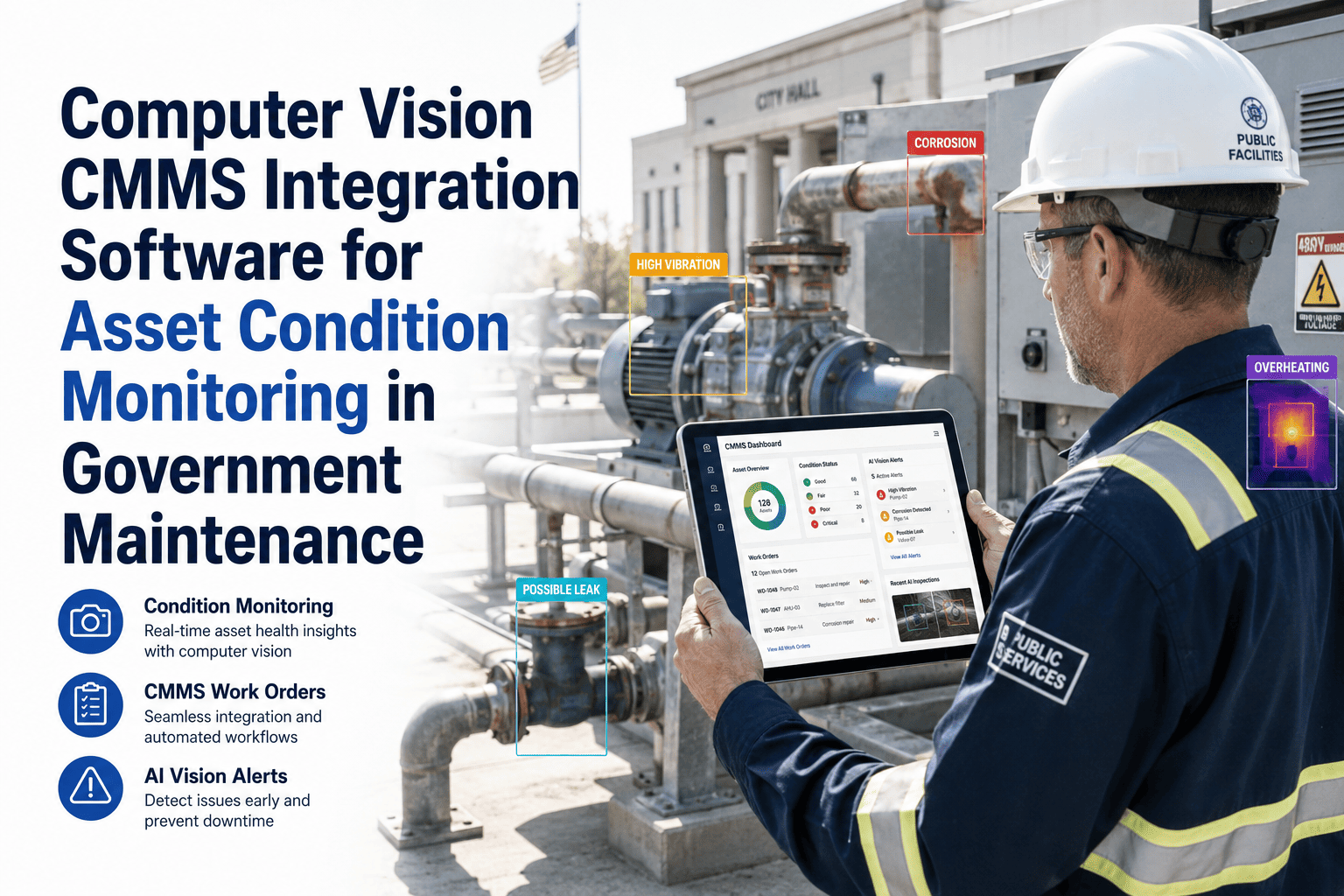
Upload drone mission logs directly. AI automatically flags corrosion on catenary masts or ballast washouts, instantly creating a geolocated work order for the maintenance team.
Robot Patrol Synchronization
Manage autonomous robot fleets across remote sections of track. Monitor teleoperation feeds and receive real-time alerts if a patrol unit detects a structural anomaly or unauthorized track entry.
IoT Anomaly Triggers
Connect LoRaWAN sensors to track rail stress and bridge expansion. When thresholds are breached, the system alerts crews via mobile before they ever need to step onto the track to investigate.
Predictive Safety Dashboard
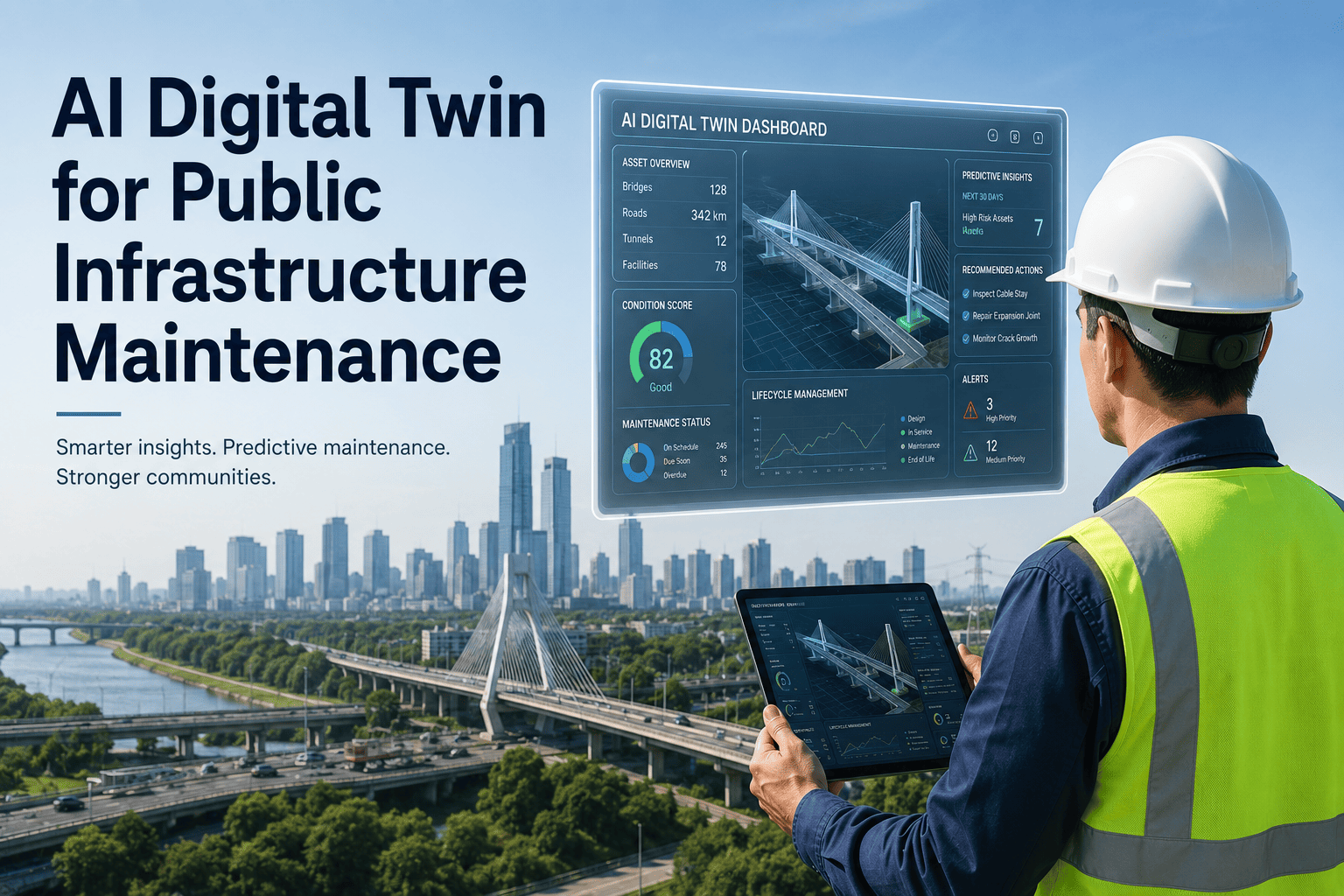
Visualize asset health trends across the entire network. Identify high-risk corridors where environmental factors cause frequent defects, allowing for proactive, safer engineering solutions. Sign up for Oxmaint to explore the safety dashboard.
Case Study: Before & After Remote Safety Implementation
Moving from manual inspections to a robot-drone-sensor ecosystem changes the very nature of railway work. It shifts the focus from "finding trouble" to "fixing trouble" in a highly controlled, safe environment.
Manual Inspection Safety
Crews walking live tracks during limited "possession" windows
Climbing catenary towers for visual wire inspections
Manual measurement of rail stress in extreme heat
Missing hairline defects due to human fatigue and low visibility
Hazardous manual entry into unlit tunnels for structural checks
High Risk
Significant potential for track-side injury and human error
Automated Safety Ecosystem
Autonomous robot patrols scanning tracks 24/7 without crews
Drones performing multi-angle inspections of high-voltage lines
IoT sensors providing continuous, remote rail stress data
AI vision detecting sub-millimeter defects with 99% accuracy
Robot units mapping tunnel integrity using LiDAR and thermal sensors
Near Zero
Personnel exposure only during pre-planned, targeted repairs
Modernize your railway safety program today. Oxmaint's free tier lets you pilot your drone and IoT integrations—no complex procurement required.
Investing in robotics and remote monitoring provides a clear return on safety. By analyzing thousands of maintenance hours, the data shows that agencies using integrated platforms like Oxmaint achieve superior safety metrics and operational uptime.
80%
Less Track Exposure
Reduction in human time spent on live, high-risk track sections
100%
Audit Traceability
Automated mission logs provide a complete digital audit trail
70%
Defect Accuracy
Improvement in defect detection compared to manual visual checks
50%
Downtime Savings
Fewer service interruptions due to predictive anomaly detection
These metrics prove that safety and efficiency are not mutually exclusive. Create your free Oxmaint account and start tracking your railway's safety condition metrics within minutes.
4 Steps to Deploying an Automated Rail Safety Program
Transitioning to high-tech maintenance is a phased process. Use this framework to move from traditional inspections to a drone-and-robot-led safety ecosystem.
1
Identify High-Risk Rail Zones
Map sections of your network with limited access, high traffic, or hazardous terrain. These are the priority areas for autonomous robot patrols and drone missions.
2
Pilot IoT and Drone Workflows
Deploy LoRaWAN sensors for bridge health and run weekly drone flights over major junctions. Integrate these data streams into Oxmaint to test automated work order triggers.
3
Activate AI Vision & Geofencing
Enable AI defect detection on mission footage and set up safety geofencing. Ensure that robot mission logs are automatically recorded and analyzed for anomalies.
4
Scale the Remote Monitoring Fleet
Expand robotics to tunnel and night inspections. Use the predictive data in Oxmaint to justify budget for complete network-wide autonomous coverage. Schedule a walkthrough to plan your deployment.
The future of railway safety is defined by the absence of workers in hazardous zones. By integrating drones, robots, and IoT into a centralized CMMS, we don't just find defects faster—we ensure our people go home safe every single night.
Director of Safety, Public Transit Authority
Take the Risk Out of Railway Maintenance
Oxmaint unites your safety-critical hardware—drones, robots, and sensors—into one powerful AI-driven platform. Automate your inspections, protect your workers from live track hazards, and maintain a robust, public-safe railway network with the most advanced CMMS built for government infrastructure.
How do drones improve worker safety in rail maintenance?
Drones eliminate the need for workers to climb tall structures (like catenary masts) or enter dangerous terrain (like steep embankments) for visual inspections. They provide high-resolution data from a distance, allowing crews to remain in safe locations while the drone identifies cracks, corrosion, or vegetation issues. Schedule a demo to see drone data integration.
What kind of railway assets can autonomous robots inspect?
Ground-based robots are ideal for inspecting tracks, sleepers, and tunnel interiors. They can be equipped with LiDAR for structural mapping, thermal cameras for detecting electrical hotspots, and high-def cameras for visual defect detection—all without requiring track possession or putting humans in confined, hazardous spaces.
Can IoT sensors really prevent railway accidents?
Absolutely. IoT sensors monitor environmental factors like rail temperature (to prevent buckling) and structural vibration (to detect bridge fatigue) in real-time. By alerting maintenance teams to "out-of-spec" conditions immediately, agencies can implement slow zones or emergency repairs before a catastrophic failure occurs. Sign up for Oxmaint to explore sensor dashboards.
How does Oxmaint handle the massive data from drone missions?
Oxmaint is designed for "Data Ingestion at Scale." You can upload mission logs and mission media directly. Our AI vision then scans the imagery for specific defect signatures and creates a documented, geolocated work order that includes the mission photos for the repair crew's reference.
What are the ROI benefits of robotics in railway maintenance?
The ROI is driven by three main factors: 1) Reduced safety-related insurance and legal costs. 2) Increased network uptime through faster, non-disruptive inspections. 3) Longer asset life through precise, early defect detection. Most agencies see a significant return within the first 12 months of a robot/drone pilot program. Book a demo to discuss your specific ROI path.