
Cleanrooms are the backbone of pharmaceutical manufacturing, semiconductor fabrication, and biotechnology research. A single undetected maintenance issue — a failing HEPA filter, a drifting pressure differential, or an overworked HVAC compressor — can compromise product integrity, trigger regulatory violations, and cost organizations hundreds of thousands of dollars in downtime and remediation. The challenge has always been catching these problems before they escalate. Traditional scheduled maintenance and manual inspections simply cannot keep pace with the complexity of modern cleanroom environments. That is where AI-powered predictive maintenance steps in, transforming how facilities detect, diagnose, and resolve maintenance issues before contamination ever occurs. If your facility still relies on reactive maintenance for cleanroom operations, it is time to sign up for OxMaint and experience the future of intelligent asset management.
The Real Cost of Cleanroom Failures Nobody Talks About
When a cleanroom fails to maintain its classification, the consequences cascade rapidly. Research shows that 63% of HEPA filter replacements are triggered by high pressure drops indicating filter plugging, while 15% fail leak tests and 19% of all filter failures trace back to human error. These are not abstract statistics — each failure represents potential batch contamination, production halts, and regulatory scrutiny that can shut down operations for days or weeks.
Consider what happens when a fan filter unit (FFU) starts degrading silently. Airflow velocity drops by fractions that manual spot-checks miss. Particle counts creep upward. By the time a routine certification test catches the problem, contamination may have already affected product batches across multiple production cycles. AI-driven monitoring catches these micro-deviations in real time, alerting maintenance teams while the issue is still a minor adjustment — not a catastrophic failure.
How AI Actually Detects Cleanroom Maintenance Issues
AI-powered predictive maintenance in cleanrooms works through a layered approach that combines continuous sensor data collection, pattern recognition, and machine learning algorithms trained on historical operational data. Here is what that looks like in practice across the critical systems that keep your cleanroom running.
AI analyzes compressor performance curves, refrigerant pressures, fan motor current draw, and supply air temperature trends. When a compressor begins working harder to maintain the same temperature setpoint, the system flags early-stage degradation — typically 2 to 6 weeks before a visible failure occurs.
Continuous pressure differential monitoring across filter banks detects gradual loading patterns. AI models distinguish between normal dust accumulation and abnormal plugging caused by environmental events, predicting optimal replacement windows rather than relying on fixed schedules.
Room-to-room and room-to-corridor pressure differentials are monitored continuously. AI detects patterns like door seal degradation, ductwork leaks, or damper actuator failures that cause slow pressure drift — issues that periodic Magnehelic gauge readings often miss entirely.
Temperature, humidity, and particle counts are correlated across multiple zones simultaneously. AI identifies when a humidity spike in one zone traces back to a failing dehumidifier in an adjacent area — connections that manual monitoring would never catch in time.
The beauty of AI-based detection is that it learns what "normal" looks like for your specific cleanroom. Every facility has unique operational patterns — shift changes, seasonal variations, production load cycles. Machine learning models adapt to these rhythms and flag deviations that matter, eliminating the false alarms that plague traditional threshold-based monitoring systems. Ready to bring this intelligence to your cleanroom operations? Book a demo and see how OxMaint makes it happen.
Stop Reacting to Cleanroom Failures. Start Predicting Them.
OxMaint gives your maintenance team the AI-powered tools to monitor cleanroom assets in real time, predict failures before they happen, and maintain compliance without the guesswork.
Five Silent Cleanroom Killers That AI Catches Early
Most cleanroom failures do not happen suddenly. They develop over days or weeks through subtle changes that escape routine inspections. AI-powered condition monitoring excels at catching these slow-developing threats before they cross critical thresholds.
Fan Filter Unit Bearing Wear
FFU motors develop bearing wear that changes vibration signatures long before audible noise appears. AI vibration analysis detects these frequency shifts and predicts remaining useful life, allowing planned replacements during scheduled downtime rather than emergency shutdowns during production.
Door Seal Degradation
Cleanroom door seals compress and harden over time, creating micro-gaps that compromise pressure differentials. AI correlates pressure fluctuation patterns with door activity logs to identify which seals are failing — a diagnostic that would take manual investigation hours to complete.
Humidity Control Drift
Dehumidifier coils gradually lose efficiency as refrigerant charge decreases or coils accumulate residue. AI tracks the relationship between outdoor conditions, system effort, and achieved humidity levels to detect efficiency degradation weeks before humidity excursions occur.
Particle Count Trend Creep
A cleanroom can slowly drift out of classification without any single reading triggering an alarm. AI trend analysis identifies statistically significant upward movement in particle counts across multiple measurement points, pinpointing the source — whether it is filter degradation, airflow pattern changes, or process-related contamination generation.
Control System Sensor Drift
Temperature and humidity sensors gradually lose calibration accuracy. AI cross-references readings from multiple sensors and identifies when a single sensor begins reporting values that diverge from the cluster — catching calibration drift that could mask real environmental excursions.
Each of these issues, left undetected, can escalate into contamination events that trigger batch rejections, regulatory citations, and costly facility shutdowns. With OxMaint's predictive maintenance platform, your team receives actionable alerts before these killers strike. Sign up today and give your cleanroom the protection it deserves.
From Reactive to Predictive: The Cleanroom Maintenance Evolution
The transition from reactive to predictive does not require ripping out existing infrastructure. Modern CMMS platforms like OxMaint integrate with your current sensor networks and building management systems, layering AI analytics on top of data you are already collecting. The intelligence is in the software, not in expensive hardware upgrades. Facilities that have adopted this approach report maintenance cost reductions of 25% or more while simultaneously improving uptime and regulatory compliance. Book a demo to see how seamlessly OxMaint integrates with your existing cleanroom infrastructure.
Why Cleanroom Managers Choose OxMaint
OxMaint is not just another CMMS with a predictive label. It is purpose-built for asset-intensive environments where equipment reliability directly impacts product quality and regulatory standing. Here is what makes it the right choice for cleanroom maintenance teams.
When AI detects an anomaly, OxMaint automatically generates prioritized work orders with diagnostic context, suggested corrective actions, and parts requirements — so your technicians arrive prepared, not guessing.
Every maintenance action, sensor reading, and corrective measure is automatically logged with timestamps and technician identification. When auditors arrive, your documentation is already complete and audit-ready.
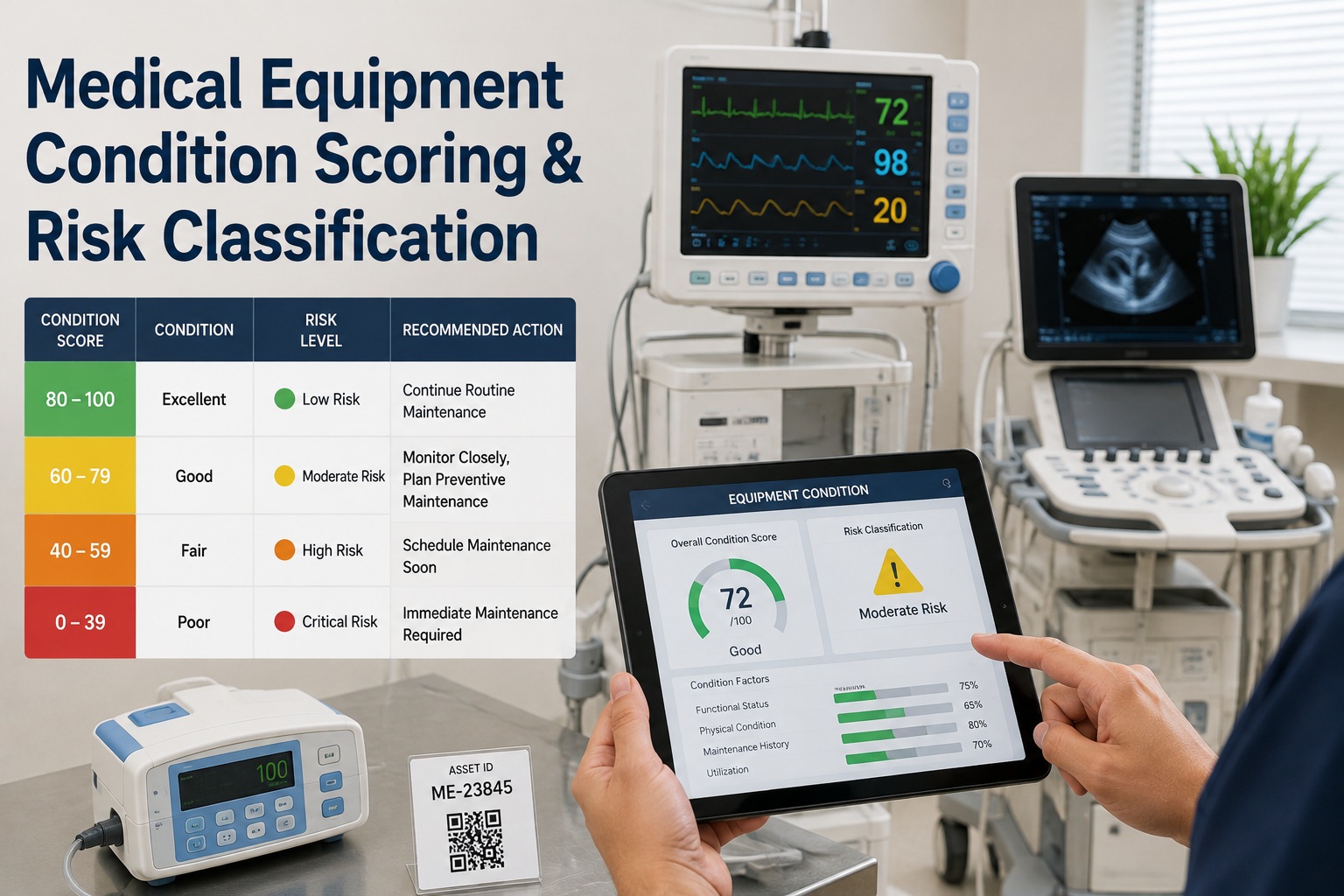
Visual dashboards show the real-time health status of every critical cleanroom asset — from HVAC systems to individual FFUs — with color-coded indicators that make it easy to prioritize maintenance resources.
Technicians receive alerts and access work orders from their mobile devices, enabling faster response times and real-time updates from the cleanroom floor without returning to a desktop terminal.
Whether you manage a single pharmaceutical cleanroom or a network of semiconductor fabs, OxMaint scales with your operations and adapts to your unique maintenance requirements. Sign up now and start transforming your cleanroom maintenance strategy today.
Your Cleanroom Deserves Smarter Maintenance
Join thousands of maintenance professionals who have switched from reactive firefighting to AI-powered predictive maintenance with OxMaint. Reduce downtime, cut costs, and maintain compliance — all from one platform.
Frequently Asked Questions
What types of cleanroom equipment can AI-powered predictive maintenance monitor
AI-powered predictive maintenance can monitor virtually every critical cleanroom system including HVAC units, HEPA and ULPA filter banks, fan filter units (FFUs), dehumidifiers, air handling units (AHUs), pressure control dampers, laminar flow hoods, pass-through chambers, and environmental monitoring sensors. The system integrates with existing building management systems and sensor networks to provide comprehensive coverage across all cleanroom assets without requiring specialized hardware installations.
How far in advance can AI predict cleanroom maintenance issues
The prediction horizon varies by equipment type and failure mode. For mechanical components like fan bearings and compressor motors, AI can typically predict failures 2 to 6 weeks in advance. Filter degradation patterns can be predicted months ahead, allowing optimal replacement scheduling. Pressure differential and environmental control issues are often detected within hours of the onset of drift, providing ample time for corrective action before classification is compromised. The system continuously improves its prediction accuracy as it accumulates more operational data from your specific facility.
Does predictive maintenance replace the need for scheduled cleanroom certifications
Predictive maintenance complements rather than replaces formal certification requirements. Regulatory standards such as ISO 14644 still require periodic classification testing and documentation. However, AI-powered monitoring dramatically reduces the risk of failing certification tests by catching issues between formal testing intervals. Many facilities find that continuous monitoring actually makes certification testing smoother and faster because their cleanrooms are consistently maintained at or above classification requirements rather than drifting between test periods.
What is the return on investment for AI-based cleanroom maintenance
Industry research indicates that predictive maintenance can reduce overall maintenance costs by 25 to 40 percent, decrease unplanned downtime by up to 70 percent, and extend equipment lifespan by 20 to 40 percent. For cleanroom operations specifically, the ROI is amplified by the high cost of contamination events — a single batch rejection in pharmaceutical manufacturing can cost more than an entire year of predictive maintenance software and services. Most facilities report positive ROI within 3 to 6 months of implementation.
How does OxMaint integrate with existing cleanroom monitoring systems
OxMaint is designed for seamless integration with existing building management systems (BMS), SCADA platforms, and standalone sensor networks through standard communication protocols. The platform can ingest data from particle counters, environmental monitors, HVAC controllers, and other connected devices already installed in your facility. Implementation typically requires no additional hardware and can be completed within days, not months, allowing your team to start receiving predictive insights quickly.
Is AI-based cleanroom maintenance suitable for facilities with older equipment
Yes. AI predictive maintenance is often most valuable in facilities with aging equipment, where the risk of unexpected failures is highest. Even legacy systems that lack built-in connectivity can be retrofit with low-cost IoT sensors for vibration, temperature, current, and pressure monitoring. OxMaint's platform is designed to work with both modern smart equipment and older systems augmented with external sensors, making it accessible regardless of your facility's equipment age or technology level.
.png)


-(1).jpg)


