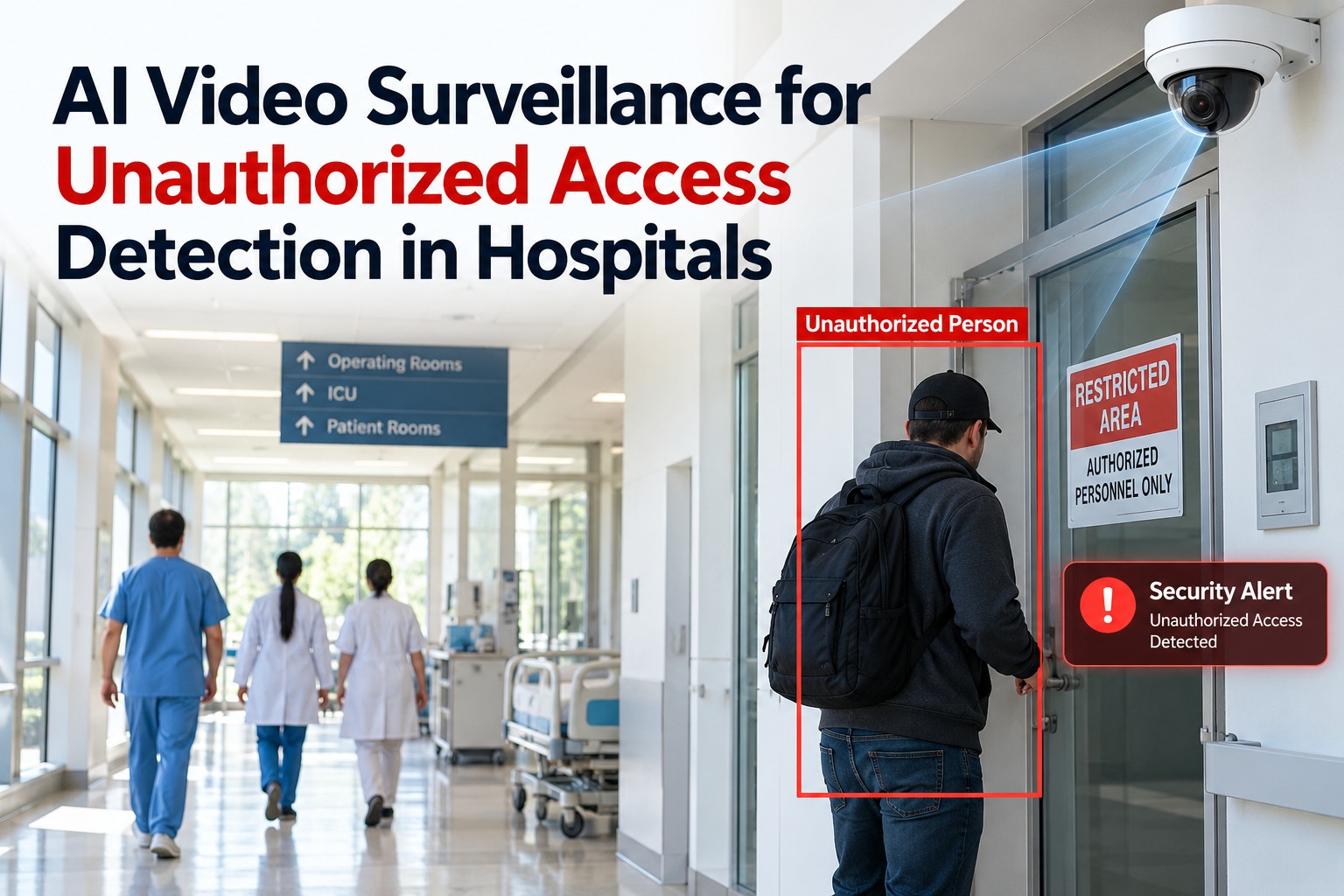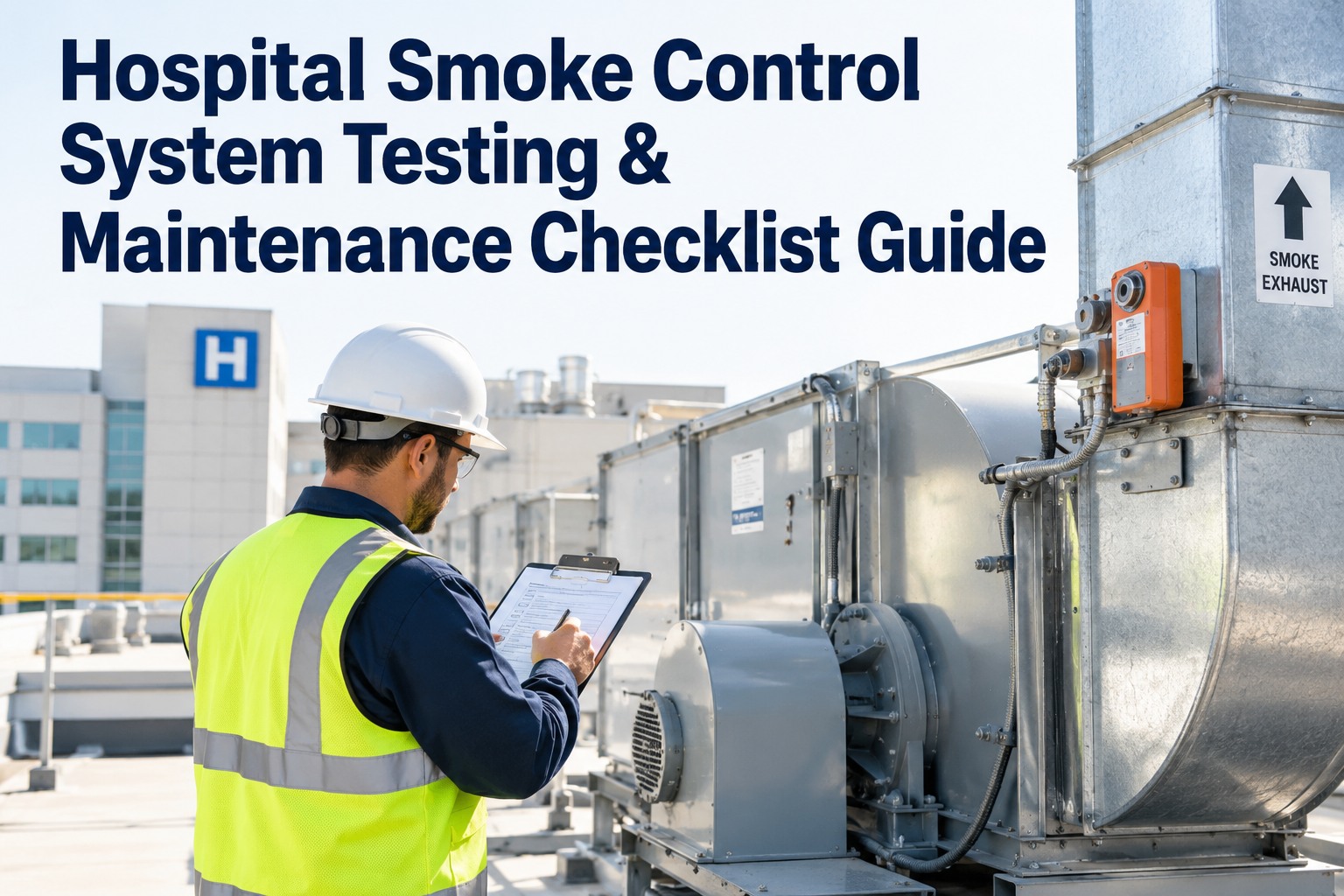
Every unauthorized entry into a restricted ward, every infant security alert that goes unverified, every access card reader that fails during a lockdown — these are not maintenance oversights. They are documented liability events waiting to become front-page incidents. If your hospital security infrastructure still runs on manual inspection logs and spreadsheet-tracked service records, you are managing risk with tools built for a different era. Book a demo to see how Oxmaint closes the security maintenance gap across your entire facility.
Hospital security system maintenance requires structured, documented oversight across five equipment categories: access control and badge readers, CCTV and surveillance cameras, infant security and wander management systems, emergency lockdown infrastructure, and duress/panic alarm networks. Oxmaint digitizes inspection schedules, service records, and compliance documentation for all five — delivering a single auditable record that satisfies TJC EC standards, CMS Conditions of Participation, and your internal risk management requirements.
The Five Security Systems Where Maintenance Failures Become Liability Events
Your clinical team responds to a lockdown. The door controller in Ward 4B does not respond. That failure was documented in a paper inspection log 11 months ago — and the corrective work order was never generated. Book a demo to see how Oxmaint prevents that scenario across your entire hospital campus.
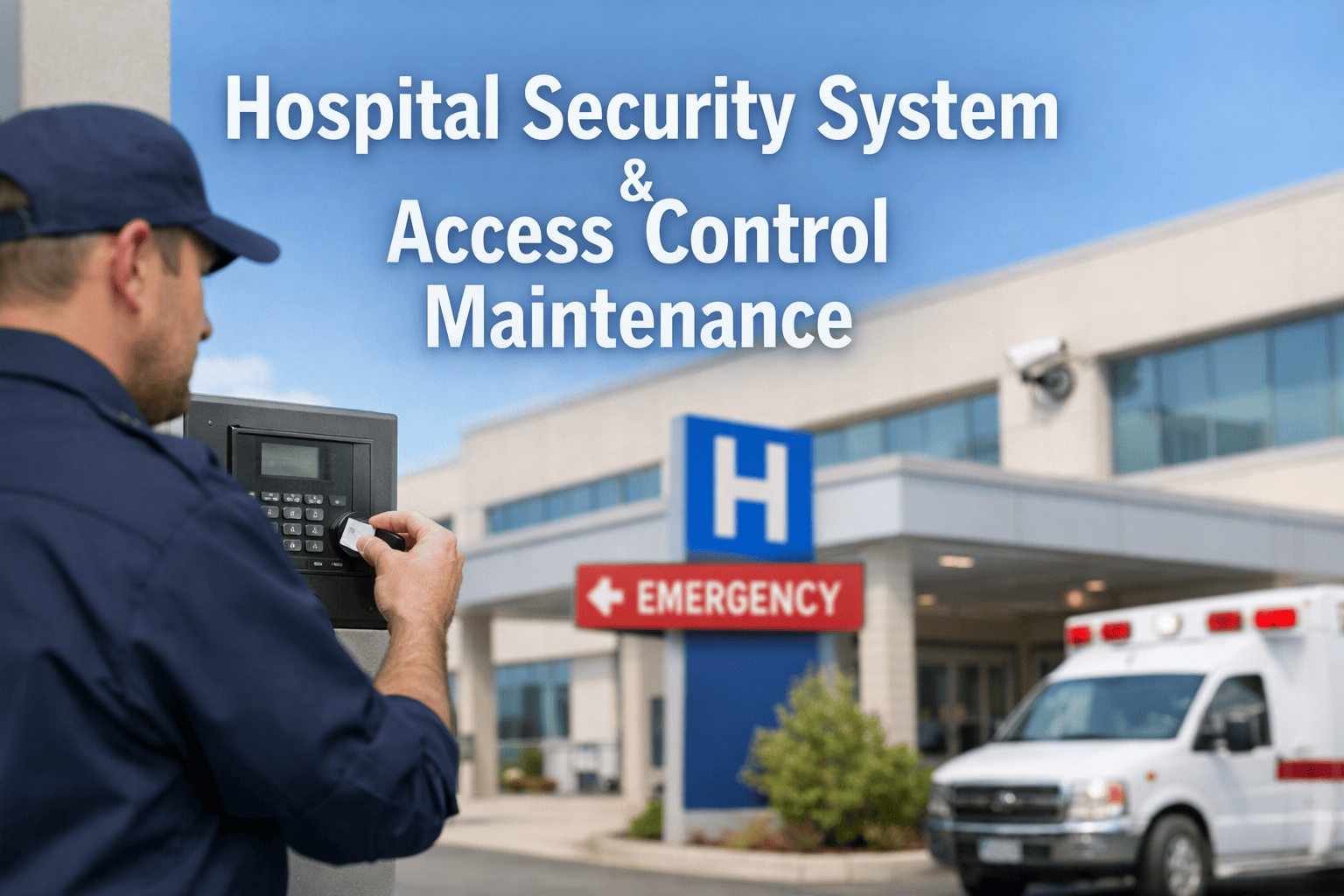
Card readers, door controllers, electric strikes, and credential management systems across ICU, pharmacy, pediatrics, and OR corridors require documented periodic testing and firmware maintenance. A single deactivated credential that remains in the system — or a reader that intermittently fails — creates both a physical security gap and a TJC citation exposure. Oxmaint schedules reader tests, captures pass/fail results per door, and routes corrective work orders before findings become inspection violations.
Surveillance coverage in parking structures, emergency department entries, medication storage areas, and patient corridors depends on cameras that are operational, correctly aimed, and recording to an accessible archive. A camera that has been offline for 60 days — undiscovered because no one has a scheduled inspection record — becomes the center of an incident investigation. Oxmaint maintains camera-level inspection records, NVR storage verification schedules, and automatic alerts when inspection due dates are missed.
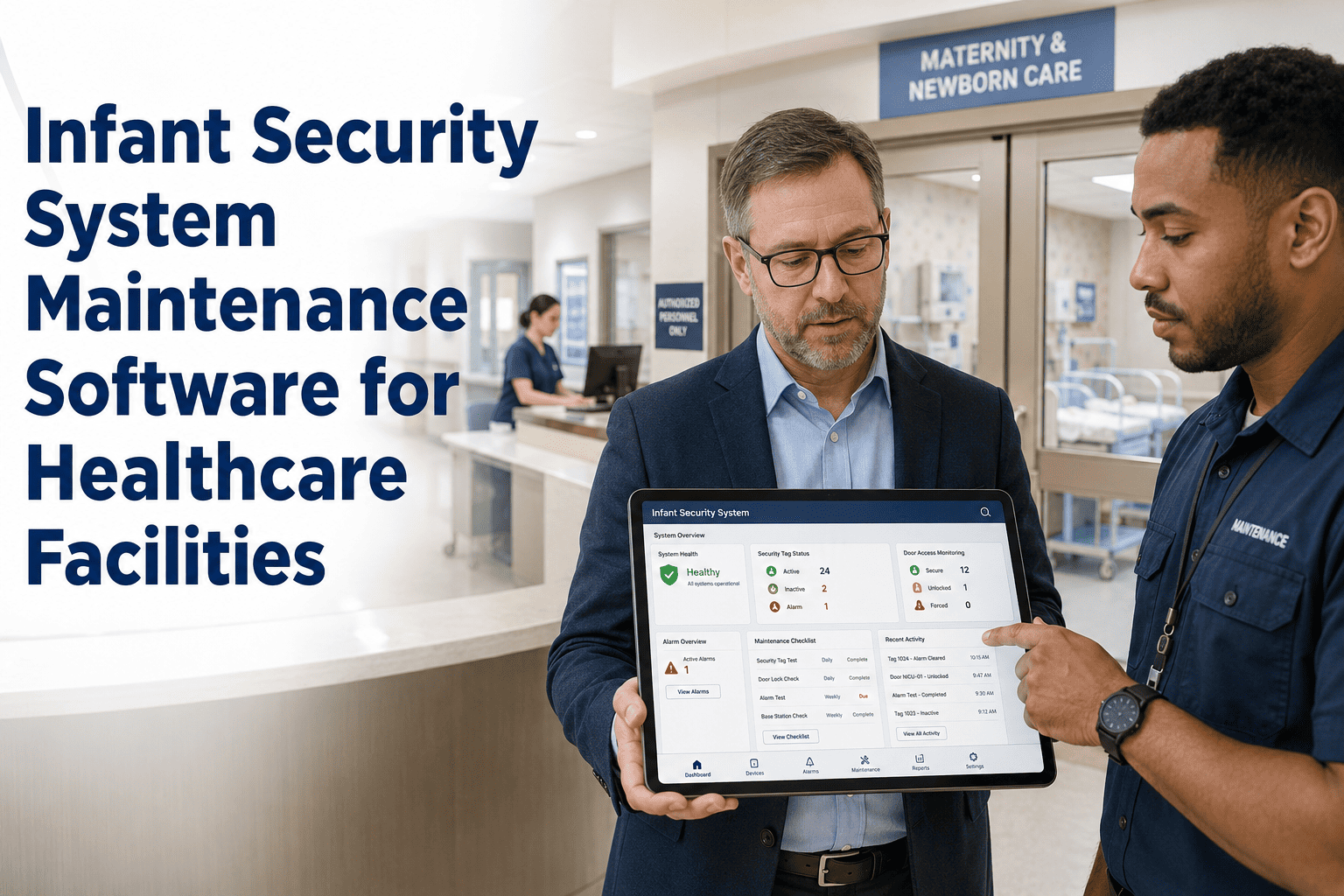
Infant abduction prevention systems — ankle band transmitters, door controllers, and RFID zone monitors — require documented functional testing at defined intervals. Wander management systems protecting memory care and behavioral health patients carry equivalent documentation obligations. A band that was not tested, a zone monitor with a depleted battery, or a door controller that failed its last inspection without a closed corrective action — these are the conditions that precede a critical incident. Oxmaint enforces testing schedules with hard-close sign-off requirements before the work order is marked complete.
Lockdown controllers, electromagnetic door hold-opens, and emergency notification integration must be tested under simulated activation conditions — not just visually inspected. The gap between a tested system and a system that appears functional is exactly the gap that manifests during an active threat event. Oxmaint structures lockdown drills as documented work orders with zone-by-zone confirmation, captures technician sign-off per door controller, and archives drill results as compliance evidence for TJC survey preparation.
Every Camera. Every Card Reader. Every Infant Band Test. Documented Before the Next Survey.
Oxmaint replaces disconnected spreadsheets and paper inspection logs with a single digital record — scheduled, completed in the field, and instantly exportable for TJC, CMS, or your risk management team. Book a demo to see the security maintenance workflow for your facility type.
Deployment Roadmap — From Paper Logs to Audit-Ready Security Records
A structured 6-week deployment moves your hospital from reactive security maintenance to a documented, compliance-ready program — without disrupting ongoing operations or requiring IT project resources.
Every access control reader, camera, infant security zone, lockdown controller, and duress alarm registered in Oxmaint's asset hierarchy with its building, floor, zone, and compliance standard reference. Inspection frequencies mapped per TJC EC and CMS CoP requirements — monthly, quarterly, annual, and drill-based schedules configured per asset category.
Security technicians complete inspections on mobile — QR-scanned asset tags at each reader, camera, and zone controller. Pass/fail fields, photo capture, and deficiency notes entered at the device. Failed inspections automatically generate corrective work orders routed to the appropriate supervisor. No paper transcription, no missing signatures. Book a demo to see the mobile inspection flow for infant security systems.
Oxmaint security dashboard activated showing inspection compliance rates by system type, overdue inspections by zone, open corrective actions with age, and upcoming drill obligations. TJC EC evidence packages exportable in under 2 hours — versus days of manual record assembly before a survey. Role-based views configured for your Director of Security, Facility Manager, and VP of Operations.
Security Maintenance Compliance — Regulatory Framework
Hospital security maintenance obligations span multiple regulatory bodies simultaneously. Oxmaint's pre-configured templates align inspection records to each standard's documentation requirements.
| Standard | Security System Scope | Documentation Requirement | Oxmaint Coverage |
|---|---|---|---|
| TJC EC.02.06.01 | Access control, CCTV, infant security, lockdown systems, duress alarms | Documented inspection intervals, test results, and corrective action closure per equipment category | Pre-configured EC inspection schedules, pass/fail records per asset, corrective action tracking with auto-escalation |
| CMS CoP §482.41(b) | Physical plant security — restricted areas, medication storage, patient safety zones | Maintenance records demonstrating operational status of security infrastructure serving patient safety obligations | Asset-level maintenance history, deficiency records, and corrective action closure evidence exportable per CoP scope |
| HIPAA §164.310(c) | Workstation access control, PHI area surveillance, medication room security | Physical safeguard implementation and maintenance records for areas containing or accessing PHI | PHI-zone security asset tagging, inspection records aligned to physical safeguard policy, OCR audit export capability |
| NFPA 99 / 101 | Emergency egress, door hold-open systems, lockdown interface with fire alarm | Annual testing records for electromagnetic door hold-opens, integration testing with fire alarm release | NFPA-aligned door system inspection schedules, integration test records, annual certification tracking |
| State DPH / Licensing | Infant security, behavioral health elopement prevention, ED security requirements | State-specific inspection frequencies and test documentation for high-acuity security systems | Configurable inspection frequencies per state requirement, licensure survey-ready export with date-stamped records |
Security System Maintenance — KPI Benchmarks
Your Next TJC Survey Will Ask for These Records. Will You Have Them?
The hospitals that pass TJC EC surveys without corrective action plans are not the ones with the best security systems — they are the ones with the best maintenance documentation. Oxmaint gives you both. Book a demo to see your current inspection compliance gap identified in the first session.
Operational Results — Hospitals Using Oxmaint Security Maintenance
Oxmaint Platform Capabilities for Hospital Security Teams
Card reader functional tests, door controller verification, and credential audit schedules configured per TJC EC frequencies — results captured on mobile, failures automatically generating corrective work orders.
Camera-level inspection records, lens cleaning schedules, NVR storage verification, and archive integrity checks — each camera's maintenance history retrievable in seconds for HIPAA or TJC review.
Band transmitter tests, zone monitor battery checks, and door controller activation verifications enforced as hard-close requirements — the work order cannot complete until every test step is documented confirmed.
Emergency lockdown drills structured as zone-by-zone work orders — each door controller confirmed by a named technician with timestamp and result. Drill records archived and exportable as TJC EC evidence.
Real-time visibility into overdue inspections, open corrective actions, and upcoming drill obligations — by system type, building, and zone. EC evidence packages assembled and exported in under 2 hours.
Inspection overdue alerts at 7-day and 1-day intervals routed to the responsible technician and supervisor. Corrective actions auto-escalate to the Director of Security at day 10 — before the issue becomes a survey finding.
Frequently Asked Questions
Identify Your Security Maintenance Compliance Gap — Before Your Next TJC Survey Does
In a 30-minute strategy session, we will map your current inspection coverage against TJC EC and CMS requirements — and show you exactly where the documentation gaps are. You will leave with a clear picture of your exposure and a deployment plan to close it. Book your complimentary security compliance review now.