Pharmaceutical manufacturers operating under FDA, EMA, and ICH Q10 frameworks face a compounding cost challenge: maintenance spend that averages 18–24% of total plant operating budget — with reactive programs pushing that figure above 30%. OxMaint equips VP Operations and Plant Directors with the systems intelligence to cut that burden by 25–40% while sustaining full GMP compliance.
12 Strategies to Reduce Pharma Maintenance Costs — Without Compliance Risk
A strategic guide for Operations VPs, Plant Directors, and Engineering leaders navigating GMP-regulated cost reduction in pharmaceutical manufacturing.
Where Pharma Maintenance Spend Leaks
In regulated manufacturing, maintenance inefficiency is not simply a budget problem — it is a product quality and regulatory exposure problem. Each dollar of unplanned repair generates an estimated three to five dollars in downstream costs: batch investigations, re-validation cycles, and regulatory documentation.
Unplanned Downtime
Batch failures, decontamination, and regulatory investigations compound the direct cost of every unplanned stoppage.
Spare Parts Overspend
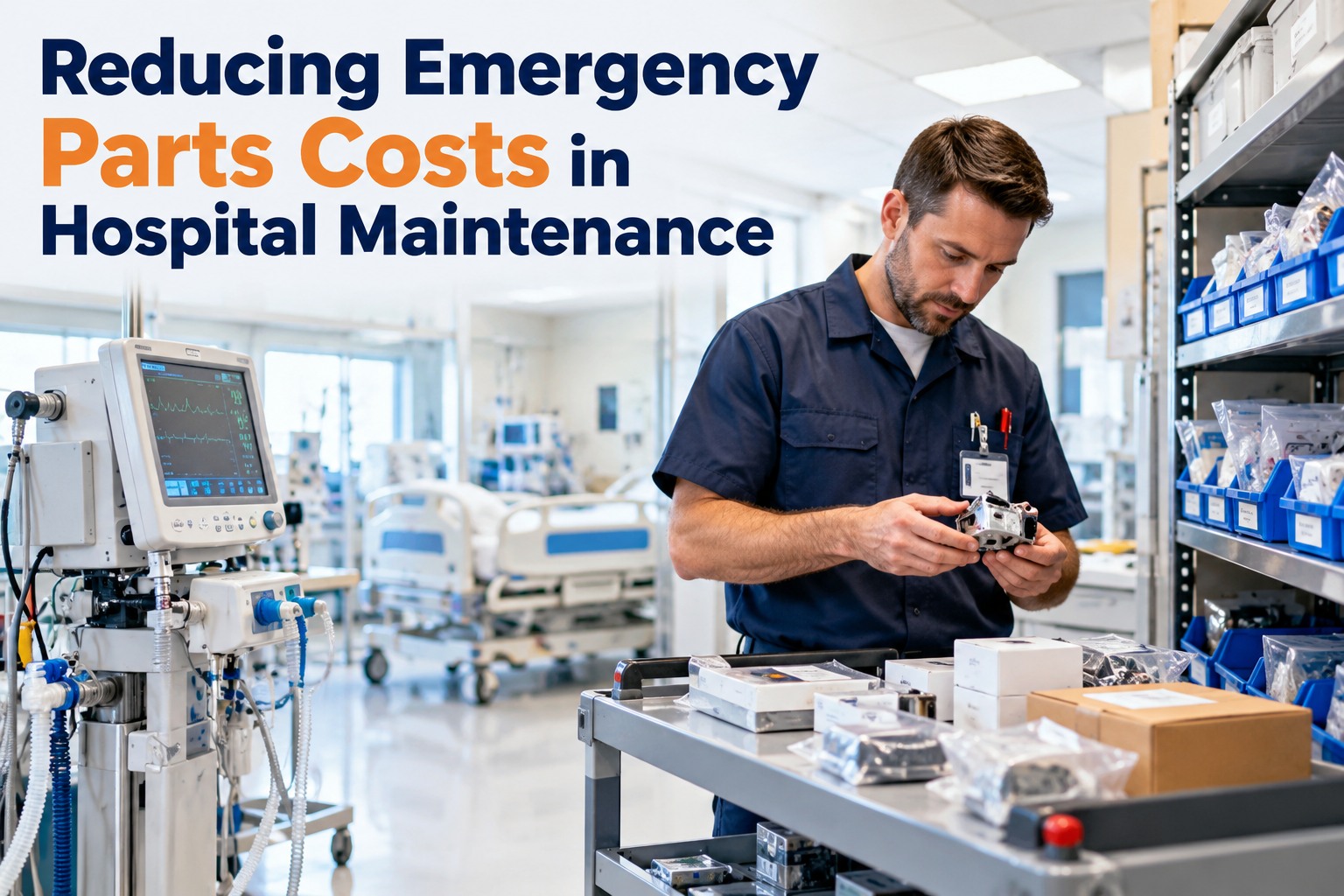
Emergency procurement and unmanaged inventory inflate parts costs by up to 45% in facilities lacking centralized control.
Technician Overhead
Paper-based work orders and manual scheduling consume nearly a third of skilled maintenance labour in non-digital facilities.
Compliance Deviations
Inadequate maintenance records consistently rank among the leading causes of FDA 483 observations and EMA findings.
12 Proven Cost Reduction Strategies
Shift to Predictive Maintenance
IoT condition monitoring on autoclaves, HVAC, and granulators detects failure signatures weeks ahead. Predictive programs cut emergency repair costs by 40–50%.
Apply Risk-Based PM Scheduling
Rank assets by GMP criticality and failure consequence. Concentrate resources on equipment whose failure initiates batch rejection or regulatory breach.
Digitize Work Orders and Audit Trails
Auto-generated digital logs eliminate transcription errors, accelerate deviation investigations, and satisfy 21 CFR Part 11 documentation standards by default.
Right-Size PM Intervals
Equipment performance data eliminates over-maintenance on low-risk assets and concentrates effort where interval optimization drives measurable reliability gains.
Centralize Spare Parts Inventory
CMMS-managed stock levels, reorder triggers, and multi-site consolidation reduce carrying costs by 25–35% while eliminating critical production stockouts.
Synchronize Shutdowns with Production
Planned maintenance windows coordinated with batch schedules eliminate production interference and cut overtime costs from emergency interventions.
Deploy AI-Driven Failure Mode Analysis
Machine learning applied to historical failure logs identifies systemic root causes. AI-assisted FMEA reduces repeat failures by 55%, eliminating recurring repair expenditure.
Move to KPI-Driven Budget Allocation
Replace fixed maintenance budgets with dynamic models tied to OEE, MTBF, and cost-per-repair metrics — directing spend to highest-consequence assets.
Standardize Vendor Qualification and Tracking
CMMS-based vendor scorecards tracking SLA adherence, parts pricing, and compliance history drive better contract terms and reduce unqualified vendor risk.
Deploy Mobile Technician Workflows
Mobile work order access cuts task completion time by 30%, eliminates paper transcription, and accelerates GMP sign-off — reducing labour cost per completed task.
Benchmark Maintenance Cost Per Unit
Tracking maintenance spend as a percentage of asset replacement value and per production unit surfaces optimization gaps worth 10–20% in immediate savings.
Integrate CMMS with ERP and QMS
Connected systems eliminate duplicate documentation, accelerate batch record release, and reduce cross-functional investigation costs across multi-site operations.
Efficiency Gain Potential by Category
Relative efficiency gain potential based on OxMaint pharma client outcomes across FDA and EMA regulated facilities.
Questions from Operations Leadership
Can cost reduction be achieved without compromising GMP compliance?
The most impactful savings come from eliminating deviation rework, emergency procurement, and reactive investigation cycles — areas where compliance is already underperforming. Digital maintenance platforms simultaneously reduce cost and strengthen regulatory posture.
How quickly will a pharma facility see measurable savings?
Most facilities identify 15–20% in savings within 90 days through work order digitization and inventory right-sizing alone. Full predictive maintenance programs deliver peak ROI within 12–18 months of deployment.
Is OxMaint validated for GMP-regulated environments?
OxMaint supports 21 CFR Part 11 and Annex 11 requirements — including electronic signatures, audit trails, and role-based access controls — enabling deployment in FDA and EMA regulated facilities without additional validation overhead.
What is the implementation timeline for multi-site operations?
Single-site deployments go live within 4–6 weeks. Multi-site rollouts are phased by asset criticality, with full ERP and QMS integration completed within 3–4 months.
Reduce Pharma Maintenance Costs. Strengthen Compliance. From Day One.
Join pharmaceutical operations leaders using OxMaint to systematically reduce maintenance spend, eliminate compliance risk, and build audit-ready facilities at scale.