60% of rural hospitals have experienced a cyber incident in the last three years, yet 73% say they struggle to maintain HIPAA compliance due to staffing and funding gaps. When a ransomware event hits a rural facility, the operational impact is compounded by a brutal reality: there is no second hospital 10 miles away to absorb diverted patients. The nearest alternative may be 72 miles out. OxMaint gives rural hospital maintenance teams a cyber-resilient CMMS that works with whatever IT staff and budget you have — prioritizing critical equipment checks, documenting recovery workflows, and keeping your facility audit-ready without requiring a dedicated security team. Talk to a healthcare implementation specialist in 30 minutes.
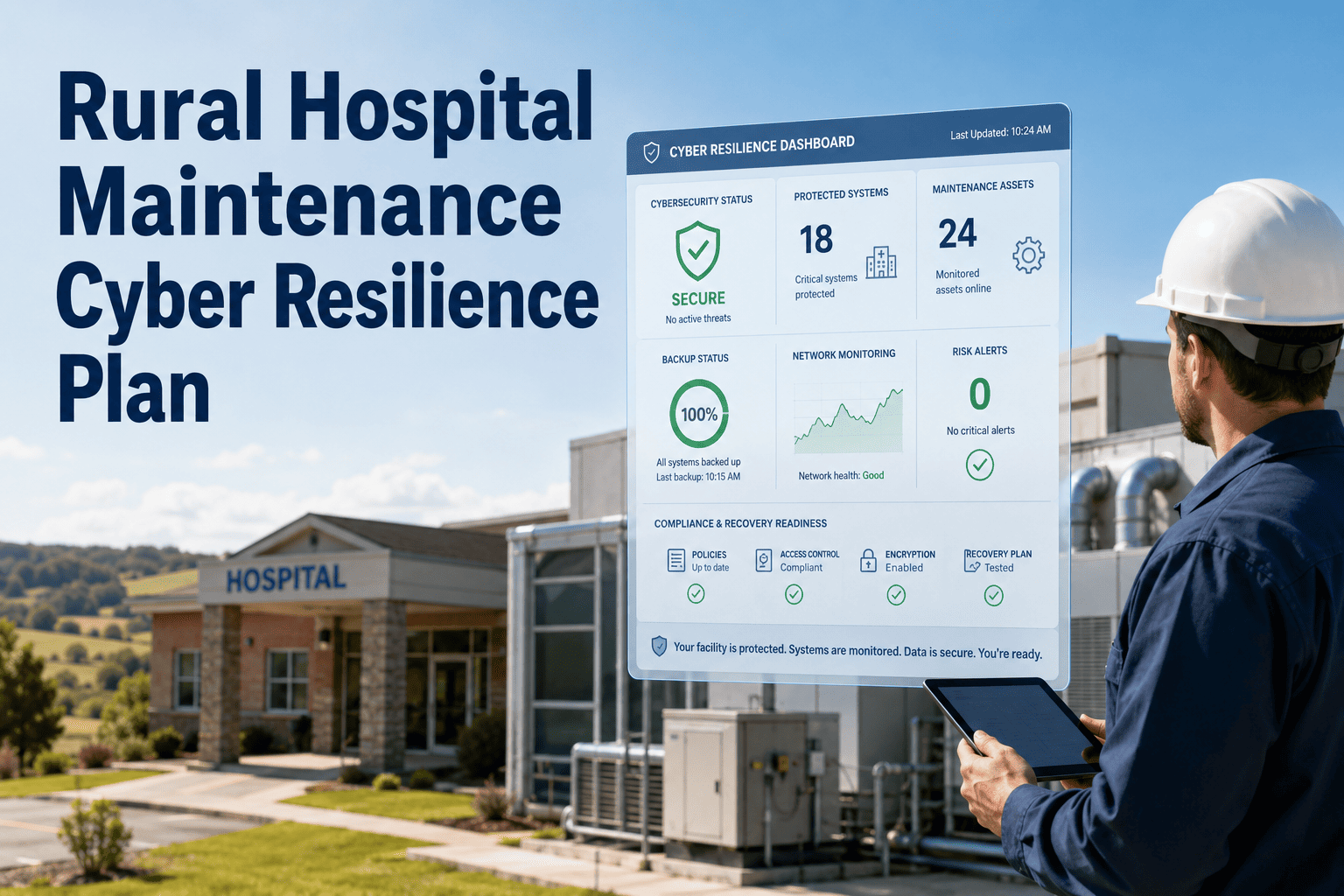
Rural Hospital — Cyber Resilience Plan
Maintenance Cyber Resilience Plan for Rural Hospitals
How to prioritize critical equipment checks, protect maintenance records, and execute recovery workflows — with limited IT staff and tight budgets.
60%
of rural hospitals experienced a cyber incident in the last 3 years
646
rural hospitals currently at risk of closure — a cyberattack can tip the balance
18.7 days
average operational downtime following a hospital ransomware event
$1.9M
estimated daily cost of ransomware downtime in healthcare facilities
Why Rural Hospitals Face a Different Risk Profile
The Vulnerability Stack
Legacy EHR and medical device systems with unpatched vulnerabilities, unchanged for years due to budget constraints
Small IT teams — often 1–2 people — responsible for everything from printing to EHR security to medical device networks
No dedicated cybersecurity staff; 73% of rural healthcare orgs struggle to maintain HIPAA compliance due to staffing gaps
Maintenance and facilities teams running paper-based systems with no digital audit trail for equipment status or access logs
The Consequences of Downtime
Patient diversion to facilities 40–70+ miles away when critical systems go offline — direct patient safety impact
No redundant maintenance team to cover manual recovery when digital systems fail — single points of human failure
Recovery without documented equipment baseline takes 3–5x longer — no record of what was running, where, or in what state
Regulatory exposure compounds financial damage — HIPAA fines on top of recovery costs at facilities already near margin
5-Phase Cyber Resilience Plan
The Rural Hospital Maintenance Cyber Resilience Framework
Phase 1
Build a Defensible Equipment Baseline
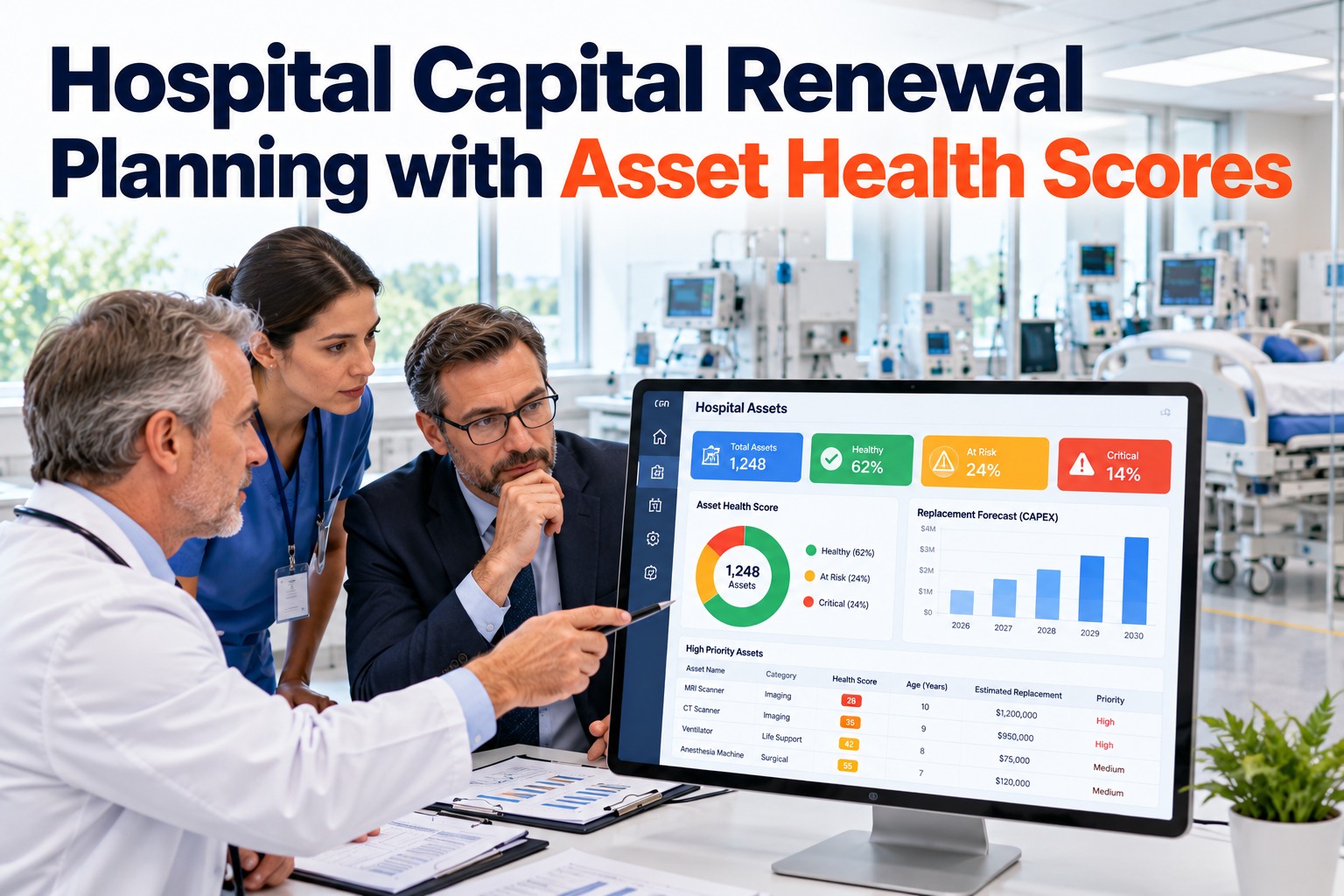
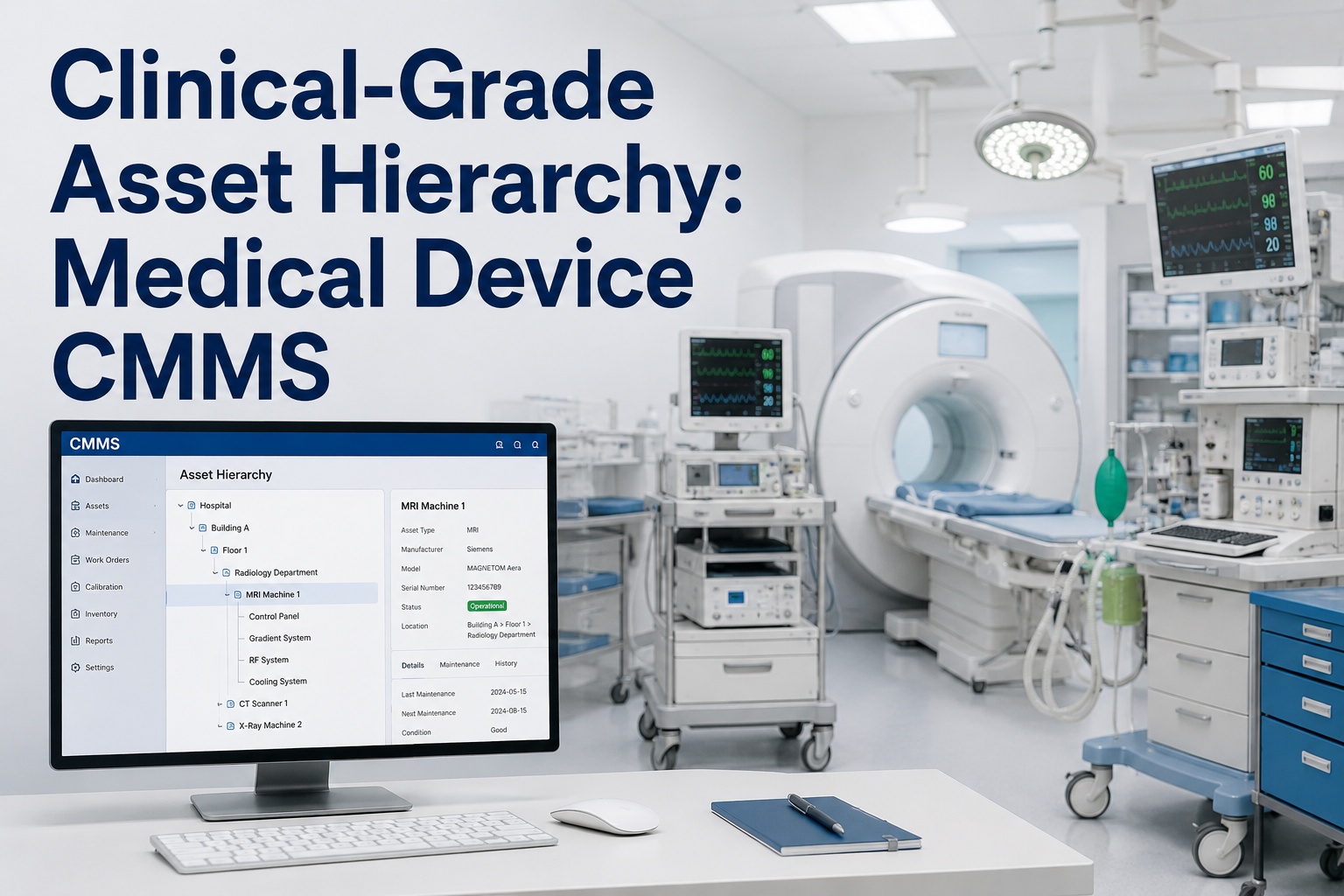
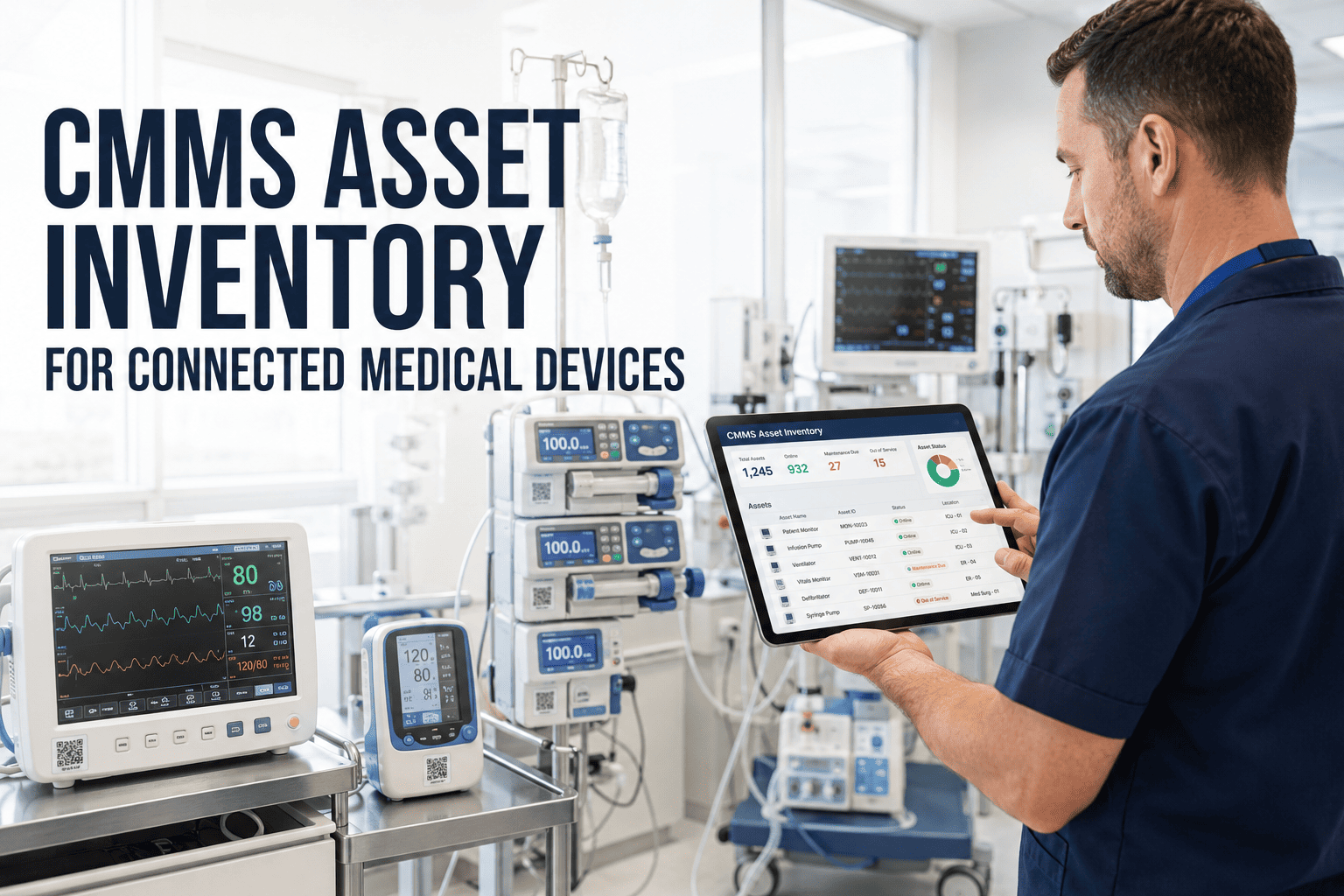
Document every connected device — medical, IT, facilities — with asset ID, network connection type, firmware version, and criticality tier. Without a current inventory, recovery after an incident is guesswork. OxMaint creates this baseline from existing data and keeps it current through every work order.
Asset Registry
Phase 2
Classify Equipment by Patient Care Criticality
Assign each asset to a criticality tier — life support, clinical support, or operational. During or after a cyber incident, maintenance teams triage recovery in criticality order. Facilities that have not classified their assets before an incident waste the first 24–48 hours identifying what to fix first.
Risk Triage
Phase 3
Implement Offline-Accessible PM Schedules
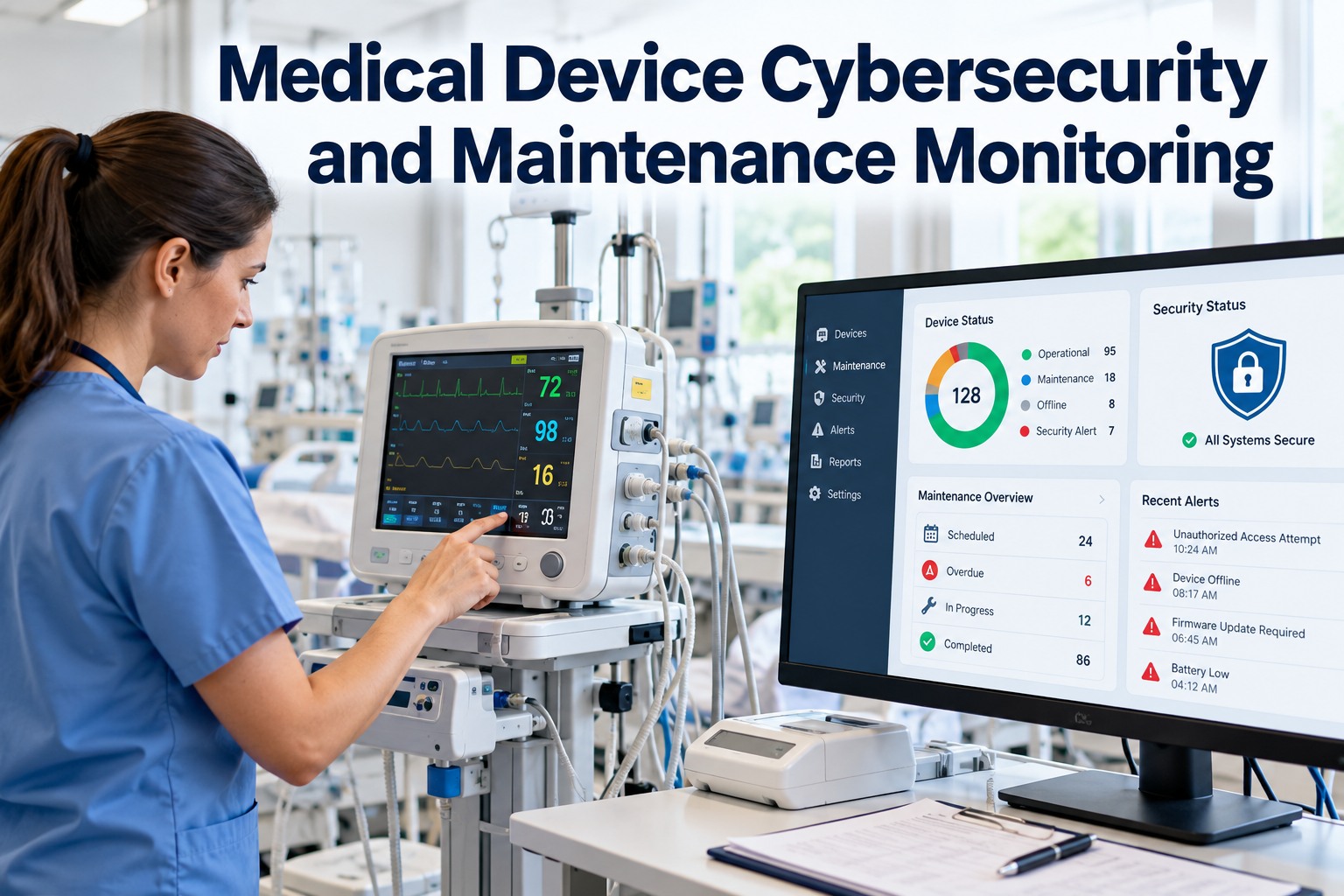
Critical PM schedules must remain accessible when hospital networks go down. OxMaint's mobile app supports offline work order execution, so maintenance teams continue critical equipment checks even when the facility network is isolated during an incident — without defaulting to paper and losing the audit trail.
Offline Capability
Phase 4
Document Recovery Workflows Before You Need Them
Pre-build work order templates for the most likely recovery scenarios: network isolation, system restore, equipment manual-mode operation. Templates assigned to criticality tiers deploy automatically when a downtime event is declared — giving technicians step-by-step workflows without waiting for supervisor direction in a crisis.
Recovery Templates
Phase 5
Maintain an Always-On Audit Trail
Every work order, asset access, and PM completion is timestamped and stored in OxMaint's cloud-backed record system. Regulators reviewing a post-incident report require documented evidence of equipment state, maintenance history, and access logs. Facilities with paper-based records cannot produce this evidence — and face compounded HIPAA penalties as a result.
Audit Records
Built for Under-Resourced Facilities
OxMaint Works With the Team and Budget You Have
No large IT team required. No complex implementation. Rural hospital facilities teams are operational in OxMaint within 2 weeks — with a system designed around the realities of small maintenance teams managing high equipment criticality.
Rural Hospital Cyber Readiness: Where Most Facilities Stand Today
| Readiness Dimension | Typical Rural Hospital (Paper-Based) | With OxMaint CMMS |
|---|---|---|
| Connected device inventory | Partial, outdated spreadsheet — updated on audit cycle only | Complete, real-time — updated with every work order |
| Critical equipment identification | Informal knowledge in senior technician's head | Documented criticality tiers, visible to entire team |
| PM access during network outage | Paper backup (often outdated) or verbal instruction | Offline mobile app with pre-loaded checklists |
| Recovery workflow documentation | Not documented before incident; improvised response | Pre-built templates deploy on downtime event declaration |
| Post-incident audit evidence | Cannot produce timestamped records — HIPAA penalty risk | Cloud-backed, timestamped records always available |
| Patch and firmware task tracking | Email notices, no workflow — advisory often missed | Work orders assigned, deadline tracked, sign-off required |
Expert Review
Rural hospitals are not smaller versions of urban health systems — they are categorically different risk environments. One ransomware event at a 50-bed critical-access hospital does not trigger a diversion to the next facility 5 miles away. It triggers a crisis for the 10,000 people whose only hospital just went offline. The maintenance team in that facility is not a back-office function — it is the front line of operational recovery. Facilities that have not documented their equipment baseline and recovery workflows before an incident hits will spend the first 48 hours of a crisis figuring out what they're supposed to be fixing first.
SL
Sandra Liu
Rural Health Facilities Advisor, former HTM Director at a Critical Access Hospital, 15 years in rural healthcare operations
Frequently Asked Questions
What free or subsidized cybersecurity resources are available to rural hospitals?
Microsoft's Cybersecurity Program for Rural Hospitals offers free security assessments, foundational cybersecurity tools, and training resources to eligible critical access and rural hospitals across the U.S. CISA is also mandated under the Rural Hospital Cybersecurity Enhancement Act to develop workforce training programs and materials specifically for rural facilities. Additionally, the American Hospital Association and National Rural Health Association publish guidance on building low-cost cybersecurity baselines. A CMMS like OxMaint complements these programs by providing the maintenance-side documentation layer that cyber assessments consistently identify as missing. Start a free OxMaint trial alongside your security program.
How does OxMaint help a maintenance team of 3–4 people manage a full equipment inventory?
OxMaint is specifically designed for small teams with high asset counts. PM schedules run automatically — maintenance managers define inspection intervals once, and work orders generate without manual scheduling. The mobile app allows technicians to complete, document, and close work orders from the field without returning to an office system. Asset data imports from existing spreadsheets or CSV exports during setup, so even a team starting with a basic inventory is operational within days rather than weeks. Most rural hospital facilities teams are fully deployed in 2–3 weeks. Book a demo with our rural health implementation team.
What happens to OxMaint work orders if the hospital network goes down during an incident?
OxMaint's mobile app supports offline operation — technicians can access assigned work orders, complete checklists, and capture photos without network connectivity. Records sync automatically when the connection is restored. For rural hospitals where a network isolation event could last 12–72 hours, offline capability is not a convenience feature — it is a core operational requirement. Maintenance teams that rely solely on web-based tools lose access to their PM schedules and equipment records during exactly the moments they need them most. Test offline capability in a free trial.
How does OxMaint support HIPAA audit requirements after a cybersecurity incident?
HIPAA Security Rule enforcement following a cyber incident requires facilities to demonstrate that they maintained reasonable safeguards — including documented access controls, maintenance records for connected devices, and evidence of security-related work orders. OxMaint provides timestamped records of every asset interaction, PM completion, and corrective work order as standard outputs. These records are accessible through the cloud-backed system even if local facility servers are compromised during an incident. Regulators reviewing post-incident documentation receive structured, date-stamped evidence rather than reconstructed paper logs. See the compliance reporting features in a demo.
Rural Hospital CMMS — Built for Small Teams
Protect What You Can't Afford to Lose
OxMaint gives rural hospital maintenance teams a documented equipment baseline, offline-capable PM schedules, pre-built recovery workflows, and cloud-backed audit records — everything needed for cyber resilience without a dedicated IT security team.
2 wks
Typical deployment
Offline
Works without network
5-phase
Resilience framework
100%
Cloud-backed records