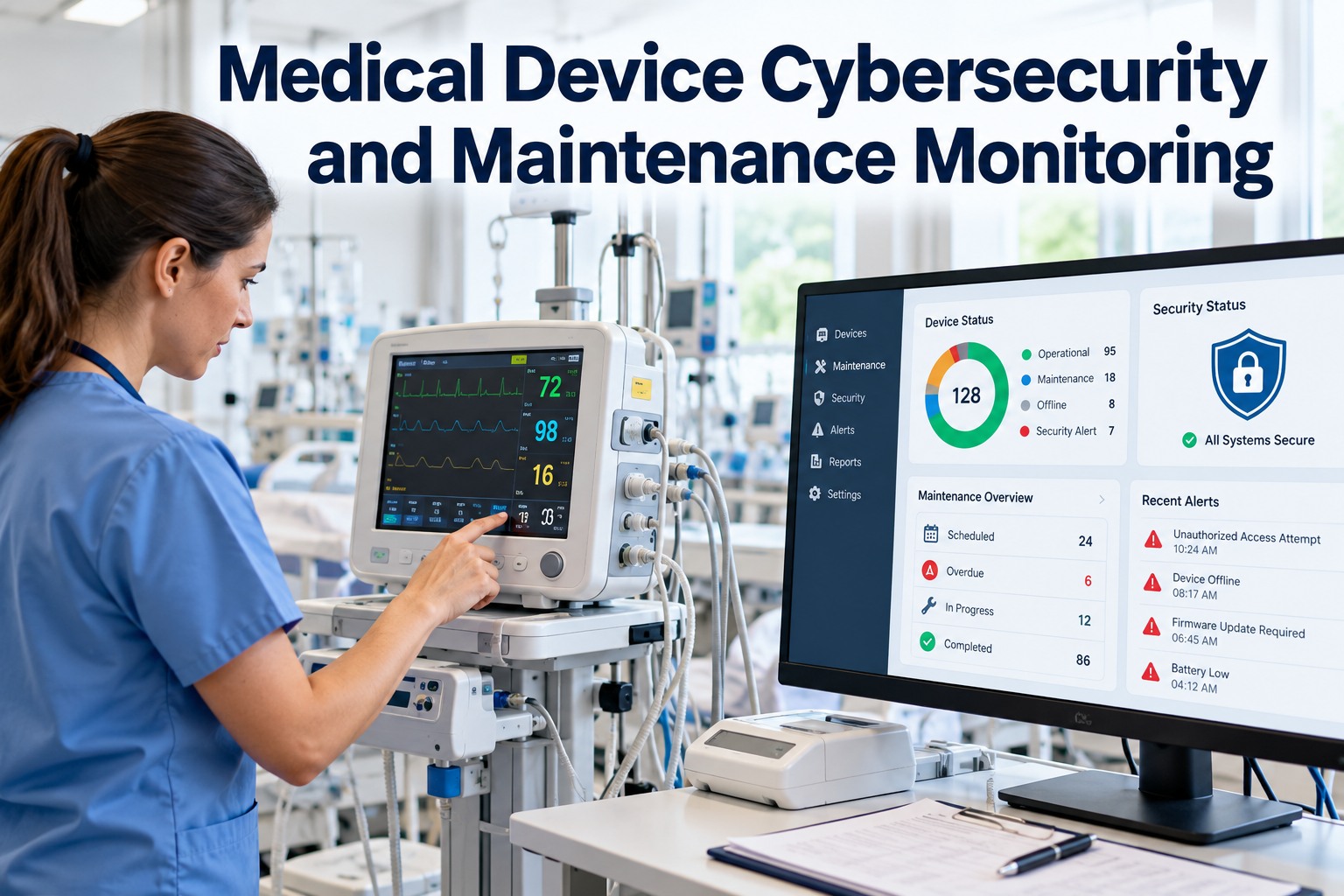
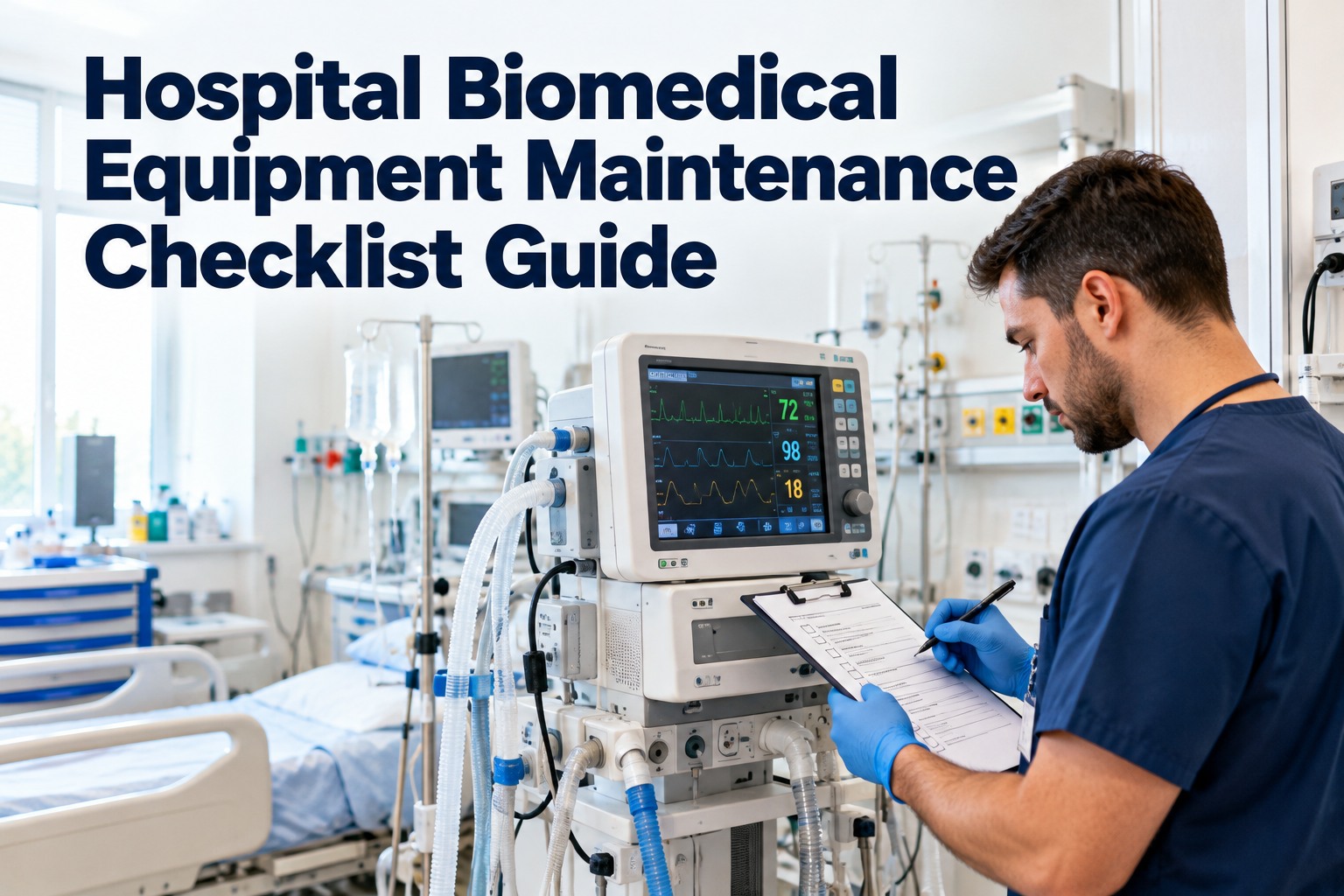
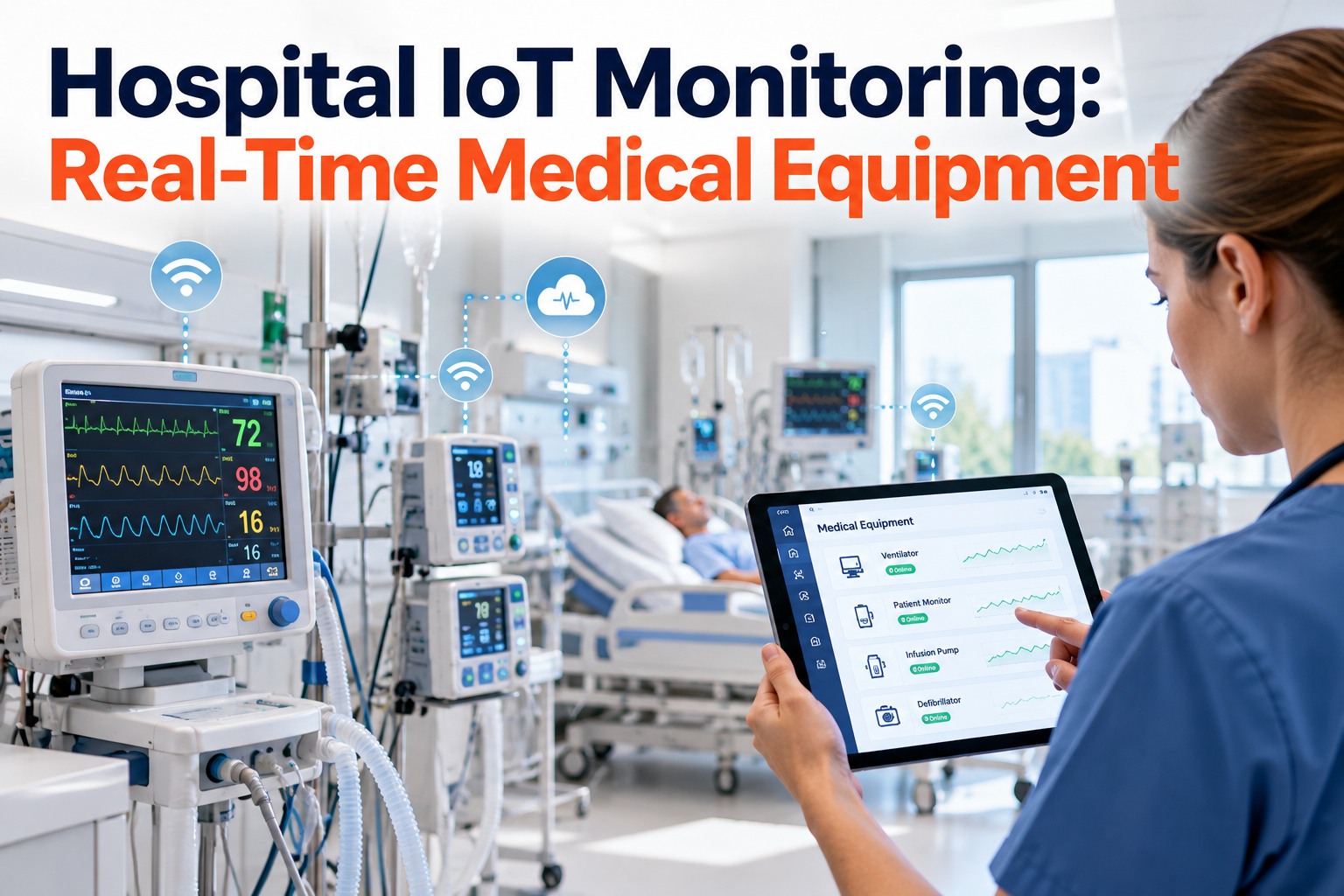
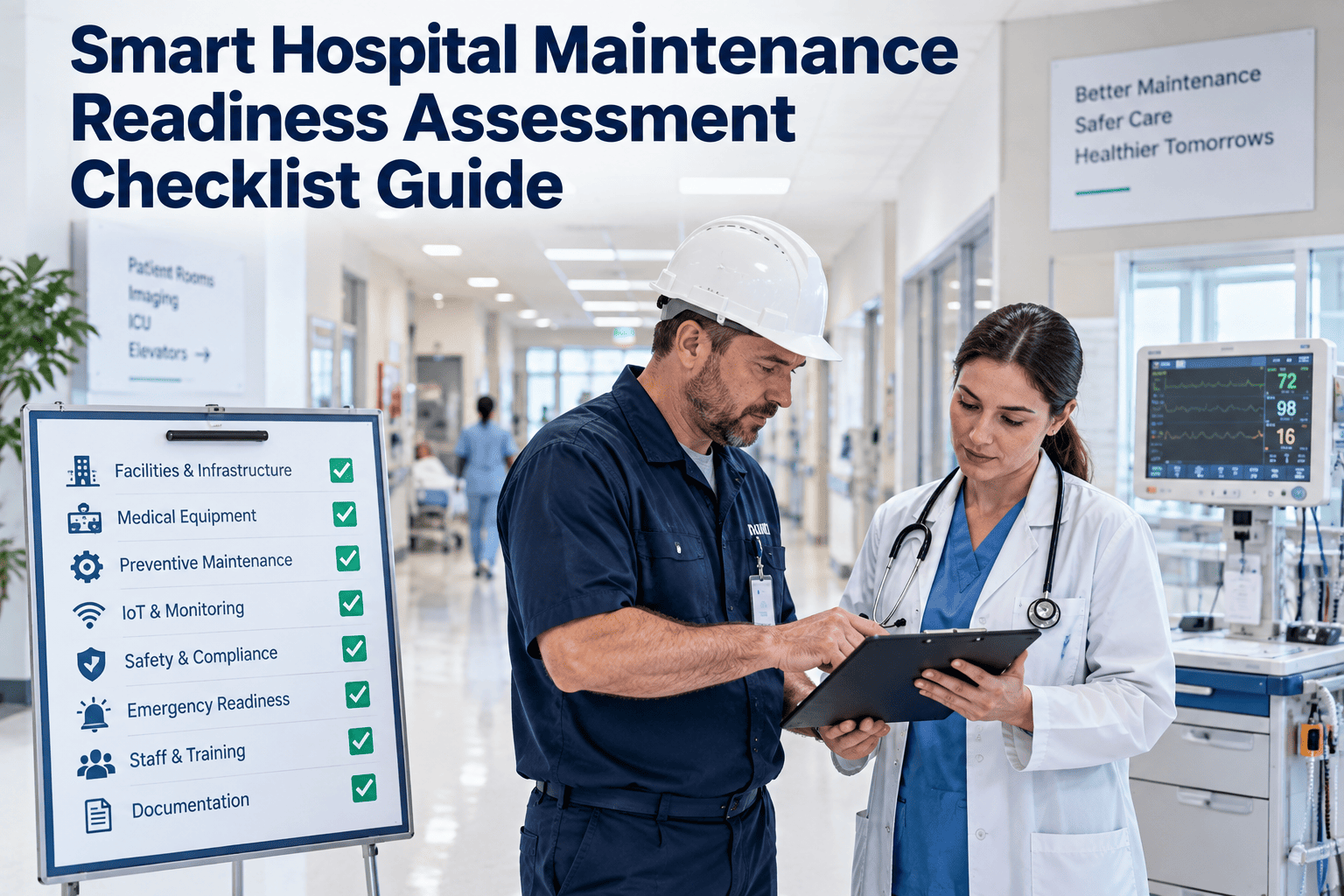
The infusion pump keeping a patient alive is also a networked computer running an operating system that stopped getting security patches years ago. Biomedical engineering tracks its PM schedule; IT security tracks its vulnerabilities — and the two lists rarely match. That gap is where an unpatched device becomes both a downtime risk and a breach. OXMAINT AI is AI-powered maintenance management software (CMMS) that puts every connected medical device on one record — maintenance status, firmware version, patch state and risk class together — so security and biomed finally see the same asset. Book a demo to see one unified device inventory.
Healthcare · Device Cybersecurity & Maintenance
Medical Device Cybersecurity and Maintenance Monitoring
A connected medical device is a clinical asset and a network endpoint at once — but most hospitals manage those two realities in separate systems that never reconcile. OXMAINT AI unifies them: every device carries its maintenance history, firmware and patch status, end-of-life date and risk class on one record, so a vulnerability and a service need surface in the same place.
- 1Discover & inventory
- 2Classify the risk
- 3Patch & maintain
- 4Monitor & prove
The connected-device risk
53%of networked devices carry a known critical vulnerability
14%run an unsupported or end-of-life operating system
21%still use default or weak credentials
Source: legacy medical-device security research (Blue Goat Cyber, 2025)
Where Security and Maintenance Are the Same Job
Cybersecurity and biomedical maintenance are treated as separate functions, but they act on the same physical devices and need the same facts. When those facts live in one inventory, both teams get stronger. Start a free trial to see the overlap.
Security needs
- Every device on the network, discovered
- Firmware version and known vulnerabilities
- Patch state and end-of-life date
Shared record
Model, serial, location, owner, risk class — the single asset identity both teams act on.
Maintenance needs
- PM schedule and service history
- Calibration and uptime status
- Parts, warranty and replacement plan
The device inventory is the join. When it's complete and shared, a patch gap and a PM gap are visible on the same asset — instead of in two systems that never reconcile.
Classify the Risk Before You Prioritize the Fix
Not every device warrants the same urgency. Scoring by exposure and clinical criticality tells you which vulnerability to close first — and which device can wait for a compensating control. Book a demo to see risk scoring.
Critical
Life-supporting & exposed
A patient-critical device with a known exploited vulnerability, on a reachable network. Segment or compensate now; plan remediation urgently.
Elevated
Vulnerable but contained
A known vulnerability on a device that's segmented or lower-criticality. Schedule the patch or firmware update in the next maintenance window.
Managed
Patched & monitored
Current firmware, no open critical vulnerability, on its PM schedule. Keep monitoring for the next advisory or end-of-life date.
Risk scoring weighs exploitability, network exposure and clinical criticality — the approach behind vulnerability prioritization in device-security guidance. Network segmentation is repeatedly cited as the single highest-impact control. Sources: Blue Goat Cyber; CISA KEV catalog.
Give Biomed and Security the Same Source of Truth
See how OXMAINT AI keeps firmware, patch state, risk class and PM history on one device record — so nothing falls between the two teams.
The Monitoring Loop for a Connected Device
A device isn't secured or maintained once — it's a standing loop. This is the cycle OXMAINT AI runs for every asset, from discovery to end-of-life. Start a free trial to run the loop.
1
Discover
Find every connected device and add it to the inventory with model, serial, location and owner — you can't protect what you can't see.
2
Classify
Score each by clinical criticality and exposure, and record firmware, OS and end-of-life status.
3
Remediate
Raise a work order to patch, update firmware, segment or apply a compensating control — tracked to completion.
4
Maintain
Keep the PM, calibration and uptime schedule running alongside the security work on the same record.
5
Monitor & prove
Watch for new advisories and end-of-life dates, and keep an audit-ready record for both safety and security.
The Standards Framing the Program
A device-security program isn't invented from scratch — it maps to established frameworks. These are the reference points a hospital's inventory should support. Book a demo to align to your framework.
FDA §524B
Premarket cybersecurity requirements for new medical devices, including an SBOM.
IMDRF N70
Guidance for managing the cybersecurity of legacy devices through end-of-life.
IEC 81001-5-1
Security across the health-software and device life cycle.
SBOM
A software bill of materials to trace components and their vulnerabilities.
CISA KEV
The known-exploited-vulnerability catalog to prioritize what to fix first.
ISO 27001
The information-security management backbone the program sits within.
Framework references per current medical-device security guidance; this is orientation, not a compliance determination. Confirm applicability with your security and regulatory teams. Source: Blue Goat Cyber.
How OXMAINT AI Unifies Security and Maintenance
OXMAINT AI is maintenance management software that carries each device's service and security state on one record — so biomedical engineering and IT security work from the same inventory instead of two. Start a free trial to unify your first device class.
-
1
Inventory
One complete register of connected devices with model, serial, location, owner and network state.
-
2
Track
Firmware, patch status, end-of-life and PM schedule on the same asset record.
-
3
Act
Turn a vulnerability or a service need into a ranked, assigned work order, tracked to closeout.
-
4
Prove
Keep an audit-ready history for safety, security and regulatory review in one place.
Frequently Asked Questions
Why manage device security and maintenance together?
Because they act on the same physical devices and need the same inventory. Split across two systems, a patch gap and a PM gap never get seen side by side.
Start a free trial to unify them.
What makes legacy medical devices risky?
Many run unsupported operating systems that no longer receive patches, and a large share carry known critical vulnerabilities — yet still connect to clinical networks.
Book a demo to flag your legacy fleet.
If a device can't be patched, what then?
Which standards should the inventory support?
FDA §524B, IMDRF N70 for legacy devices, IEC 81001-5-1, SBOM tracking and the CISA KEV catalog are the common reference points.
Book a demo to map yours.
Can OXMAINT AI produce an audit-ready record?
Yes — every patch, service and control is logged to the device, so you have one timestamped history for safety, security and regulatory review.
Start a free trial to build it.
Close the Gap Between the Patch List and the PM List
Put every connected medical device on one record — maintenance, firmware, patch state and risk together — on a single platform.