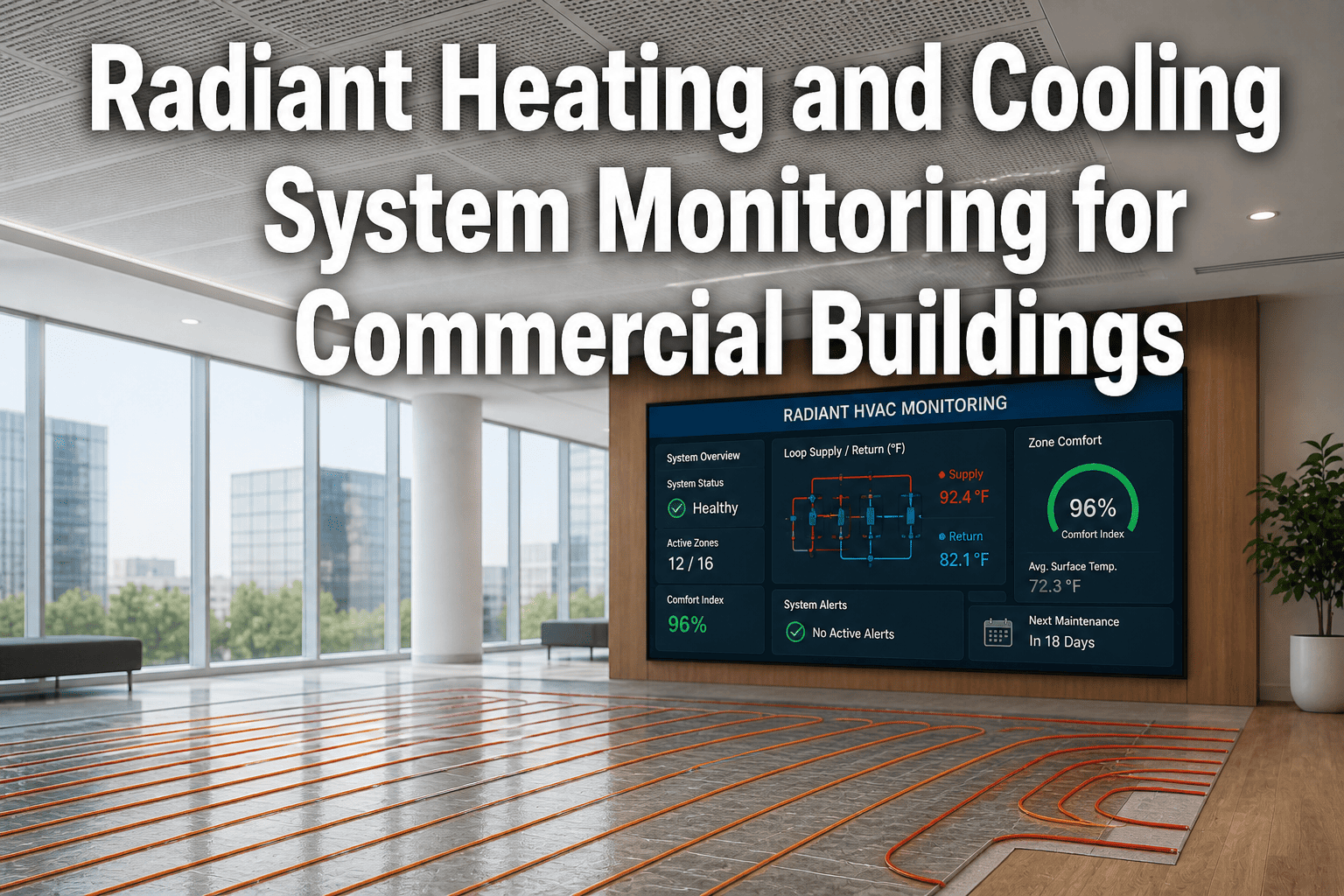
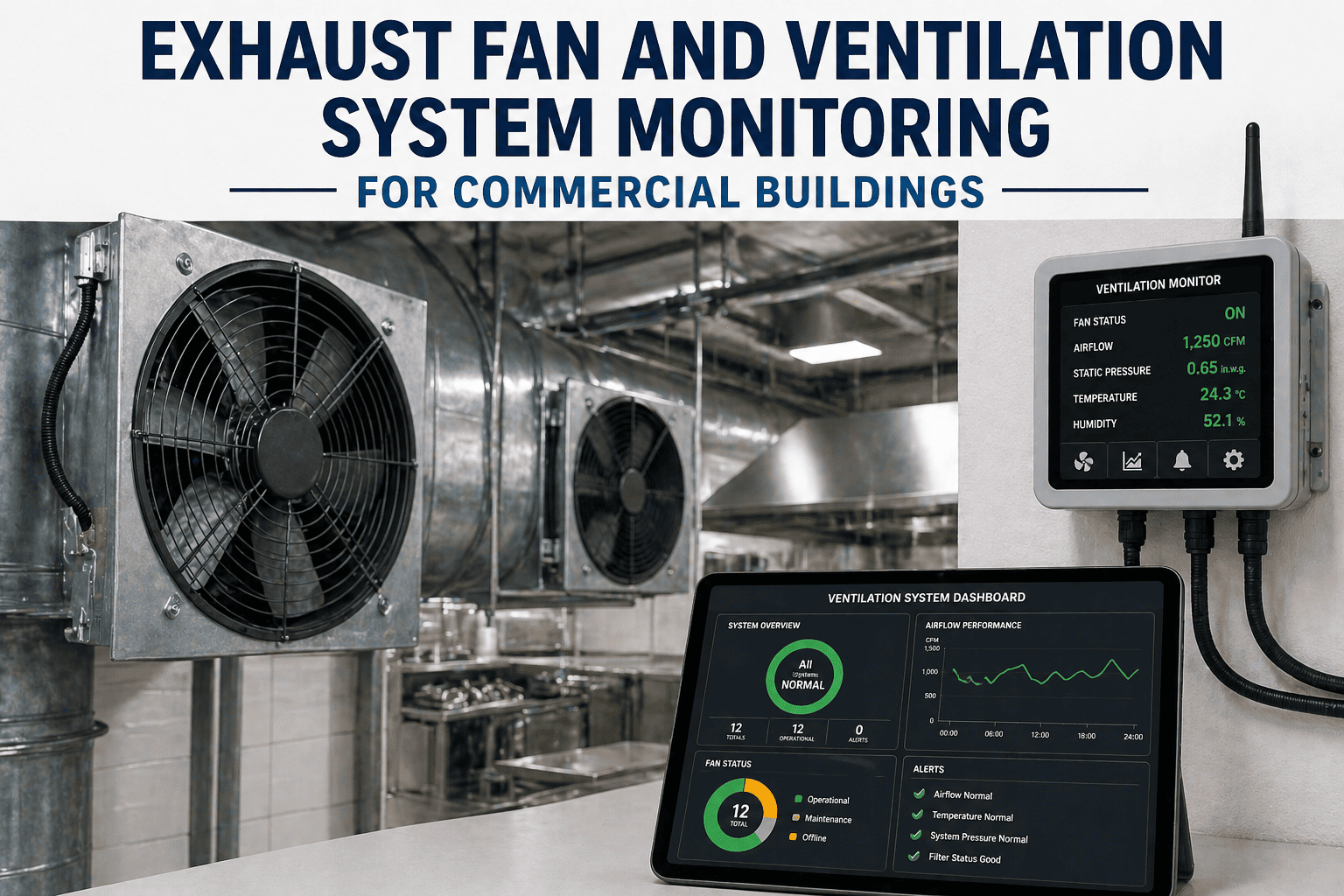
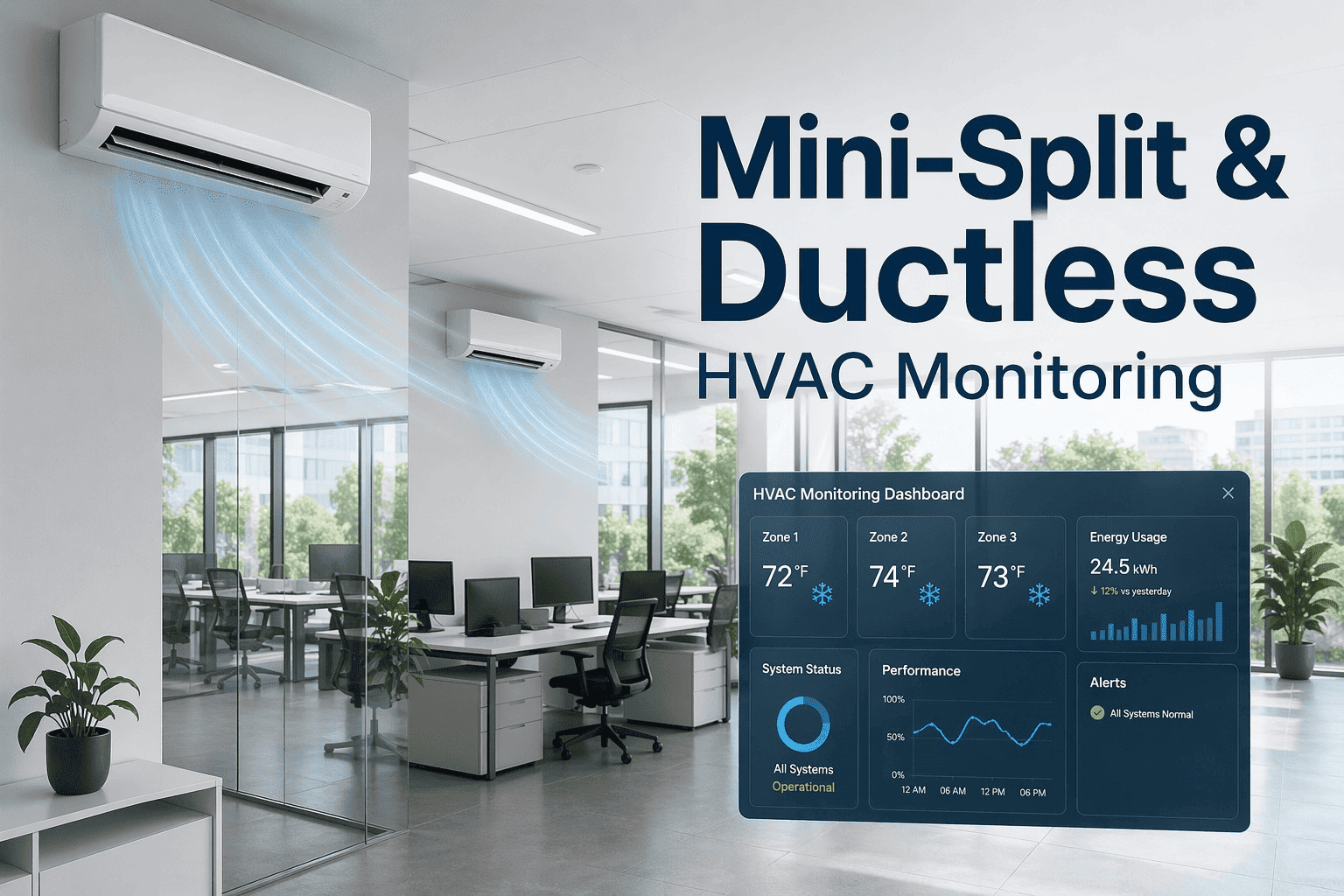
Chilled beam and radiant ceiling systems represent the leading edge of commercial building HVAC design — delivering superior energy efficiency, lower noise levels, and improved occupant comfort compared to conventional forced-air systems. But their performance advantage depends entirely on precise monitoring of the parameters that conventional HVAC managers rarely measure: dew point margins, chilled water valve positions, beam discharge temperatures, and panel surface temperatures. When these systems are maintained using standard HVAC PM practices, condensation events, valve failures, and coil degradation accumulate silently until a visible failure triggers expensive emergency intervention. Oxmaint's preventive maintenance platform gives facilities teams the structured monitoring, automated scheduling, and performance analytics to keep chilled beam and radiant ceiling systems operating at their design efficiency year-round.
ADVANCED HVAC SYSTEMS
Chilled Beam and Radiant Ceiling HVAC Monitoring for Commercial Buildings
Condensation control, valve performance, and energy efficiency — the three critical monitoring pillars for chilled beam and radiant systems that standard HVAC programmes consistently miss.
Chilled Beam vs Radiant Ceiling: System Comparison
Understanding the mechanical differences between active chilled beams, passive chilled beams, and radiant ceiling panels is essential before designing a monitoring programme. Each system has distinct failure modes, critical parameters, and PM requirements that cannot be addressed with a generic HVAC maintenance checklist.
Parameter
Active Chilled Beam
Passive Chilled Beam
Radiant Ceiling Panel
Cooling mechanism
Induced air + chilled water coil
Natural convection over chilled coil
Radiant heat transfer, water-cooled panels
Primary condensation risk
Medium — primary air reduces risk
High — no primary air dew point control
High — large surface area exposure
Critical monitored parameter
Primary air flow rate, supply water temp
Room dew point vs supply water temp
Panel surface temp vs dew point margin
Valve monitoring priority
2-way modulating valve per beam
2-way or on-off valve per beam
Zone valve plus panel isolation valves
Typical PM frequency
Annual inspection, filter check 6-monthly
Annual — no filter, coil dust check
Annual — valve and panel integrity
Energy efficiency rating
Very high — 30–40% vs VAV
High — 20–30% vs VAV
Very high — radiant efficiency advantage
The Three Critical Monitoring Parameters
Facilities teams experienced with conventional HVAC focus on supply air temperature, return air temperature, and equipment runtime. Chilled beam and radiant systems require three additional parameters that determine whether these high-efficiency systems perform as designed or silently degrade into condensation risks and energy waste.
01
Dew Point Margin
The difference between room dew point temperature and chilled water supply temperature. This must remain positive at all times — a negative margin means condensation is forming on beam or panel surfaces.
Safe margin: 2°C minimum above dew point at all supply temperatures
Failure consequence: Visible condensation, ceiling tile damage, mould risk, tenant complaints, insurance claims
02
Chilled Water Valve Performance
Modulating valves controlling flow through each beam or panel zone are the most common failure point in chilled beam systems. Stuck-open valves cause over-cooling and condensation risk; stuck-closed valves eliminate cooling capacity from entire zones.
Monitoring: Valve position feedback versus cooling demand signal — variance above 10% indicates valve degradation
Failure consequence: Zone temperature drift, occupant complaints, energy waste, accelerated valve actuator failure
03
Coil and Panel Heat Transfer Efficiency
Over time, dust accumulation on passive beam coils and mineral scale build-up inside chilled water circuits reduce heat transfer efficiency. Gradual capacity loss is invisible until cooling complaints emerge or energy monitoring flags increased plant run-time.
Monitoring: Delta-T across supply and return water temperature — declining delta-T indicates coil fouling
Failure consequence: 15–25% capacity loss before visible failure, increased chiller run-time, higher energy cost
PREVENTIVE MAINTENANCE FOR ADVANCED HVAC
Monitor What Matters — Before Condensation Calls Do
Oxmaint structures dew point margin checks, valve performance monitoring, and coil efficiency tracking into automated PM work orders — so your team catches chilled beam degradation before it becomes a ceiling repair.
PM Checklist: Chilled Beam and Radiant System Inspection
| Inspection Item |
Frequency |
Method |
Pass Criterion |
| Dew point margin verification |
Monthly (summer), quarterly (winter) |
BMS data review + spot hygrometer reading |
Supply water temp above room dew point by 2°C minimum |
| Chilled water valve position check |
Semi-annual |
BMS valve position feedback vs demand signal |
Valve tracking demand within 10% across full range |
| Passive beam coil dust inspection |
Annual (bi-annual in dusty environments) |
Visual inspection, fin comb cleaning if required |
No visible dust bridging between fins, airflow unobstructed |
| Chilled water delta-T measurement |
Annual (seasonal trend comparison) |
Supply and return temperature logged per circuit |
Delta-T within 10% of commissioning baseline |
| Active beam nozzle condition |
Annual |
Visual inspection for blockage, discharge direction check |
All nozzles clear, induction pattern symmetric |
| Panel surface integrity (radiant) |
Annual |
Visual inspection for corrosion, joint leaks, discolouration |
No surface corrosion, no water staining on ceiling tiles |
| Water treatment chemistry check |
Quarterly |
Inhibitor concentration, pH, conductivity, biological count |
Within manufacturer treatment specification ranges |
Energy Efficiency Performance: Chilled Beam vs Conventional Systems
35–40%
Energy saving vs conventional VAV systems when chilled beams operate at design efficiency with proper dew point control
18–25%
Typical energy efficiency loss when chilled beam coils reach 30% fouling — recoverable with a single annual cleaning PM
4–6 yrs
Average valve actuator replacement cycle when valve performance monitoring is in place versus 2–3 years reactive replacement
£28/m²
Average annual ceiling repair cost per incident when condensation events occur due to missed dew point margin monitoring in UK commercial buildings
Expert Review
Mark Llewellyn, CEng MIMechE
Principal HVAC Engineer, Commercial Building Services — 21 Years Specialising in Chilled Beam and Radiant Systems
The irony with chilled beam systems is that the facilities teams who maintain them are often proud of their energy bills but have no idea their systems are operating at 70% of design efficiency. Coil fouling and valve drift happen gradually and invisibly — there is no alarm, no complaint, just quietly climbing energy costs and subtly warm zones. The maintenance programmes that catch this early are the ones that measure delta-T across the chilled water circuit annually and compare it to commissioning data. That single data point tells you more about beam health than any visual inspection. What CMMS systems like
Oxmaint do correctly is make those measurements a mandatory, documented part of the PM work order rather than an optional extra that gets skipped when time is short. The dew point margin check is the other critical one — I have seen six-figure ceiling repair bills that were entirely preventable with a monthly BMS parameter review that takes less than five minutes.
Frequently Asked Questions
Why does condensation occur on chilled beam systems and how is it prevented?
Condensation forms on chilled beam coils or radiant panels when the surface temperature drops below the room dew point — the temperature at which air moisture begins to condense. In chilled beam systems this happens when chilled water supply temperature is set too low relative to the room humidity level, when the primary air dehumidification fails in active systems, or when room humidity rises above the design envelope during hot humid weather. Prevention requires maintaining a dew point margin of at least 2°C between supply water temperature and room dew point at all times — a parameter that must be monitored continuously rather than checked annually.
Oxmaint's PM system structures dew point margin checks as scheduled work order tasks with mandatory technician sign-off.
How often should chilled beam coils be cleaned and what method is used?
Passive chilled beam coils should be inspected annually for dust accumulation and cleaned when fin fouling is visible or when delta-T measurements indicate capacity loss. In environments with above-average dust loads — commercial kitchens above, open-plan offices with high occupancy, or buildings near construction activity — bi-annual inspections are recommended. Cleaning uses compressed air and soft brushing for fin cleaning, with vacuum extraction to prevent dust redistribution. Active beam nozzles require inspection for blockage and may require specialist jet cleaning every three to five years. Water-side descaling of coils is required when treatment records show elevated conductivity or biological contamination.
Can Oxmaint be configured to track chilled beam-specific parameters rather than generic HVAC data?
Yes. Oxmaint allows custom PM checklists to be built for each asset type, meaning chilled beam inspection work orders include dew point margin fields, delta-T recording, valve position checks, and coil condition ratings as mandatory completion fields. Generic HVAC PM templates do not capture these parameters. Asset-specific configuration also enables seasonal PM scheduling — monthly dew point checks through summer, quarterly in winter — without manual rescheduling.
Book a demo to see how chilled beam PM programmes are configured in Oxmaint.
What is the ROI on structured preventive maintenance for chilled beam systems?
The return on investment from structured PM for chilled beam and radiant systems comes from three areas: energy efficiency recovery from coil cleaning (typically 15–25% efficiency restoration per coil), extended valve actuator life from early detection of drift (doubling actuator replacement cycles from 2–3 years to 4–6 years), and avoided condensation events that trigger ceiling tile replacement, mould remediation, and tenant compensation claims. Combined, these savings typically deliver a 4:1 to 8:1 return on the cost of structured PM for chilled beam portfolios in commercial office and mixed-use buildings, with payback periods under 18 months in most cases.
OXMAINT FOR ADVANCED HVAC SYSTEMS
Your Chilled Beam Investment Deserves Maintenance That Matches It
Oxmaint structures dew point monitoring, valve performance tracking, coil efficiency checks, and water treatment records into automated PM work orders — so your high-efficiency systems stay high-efficiency, not just high-cost to repair.