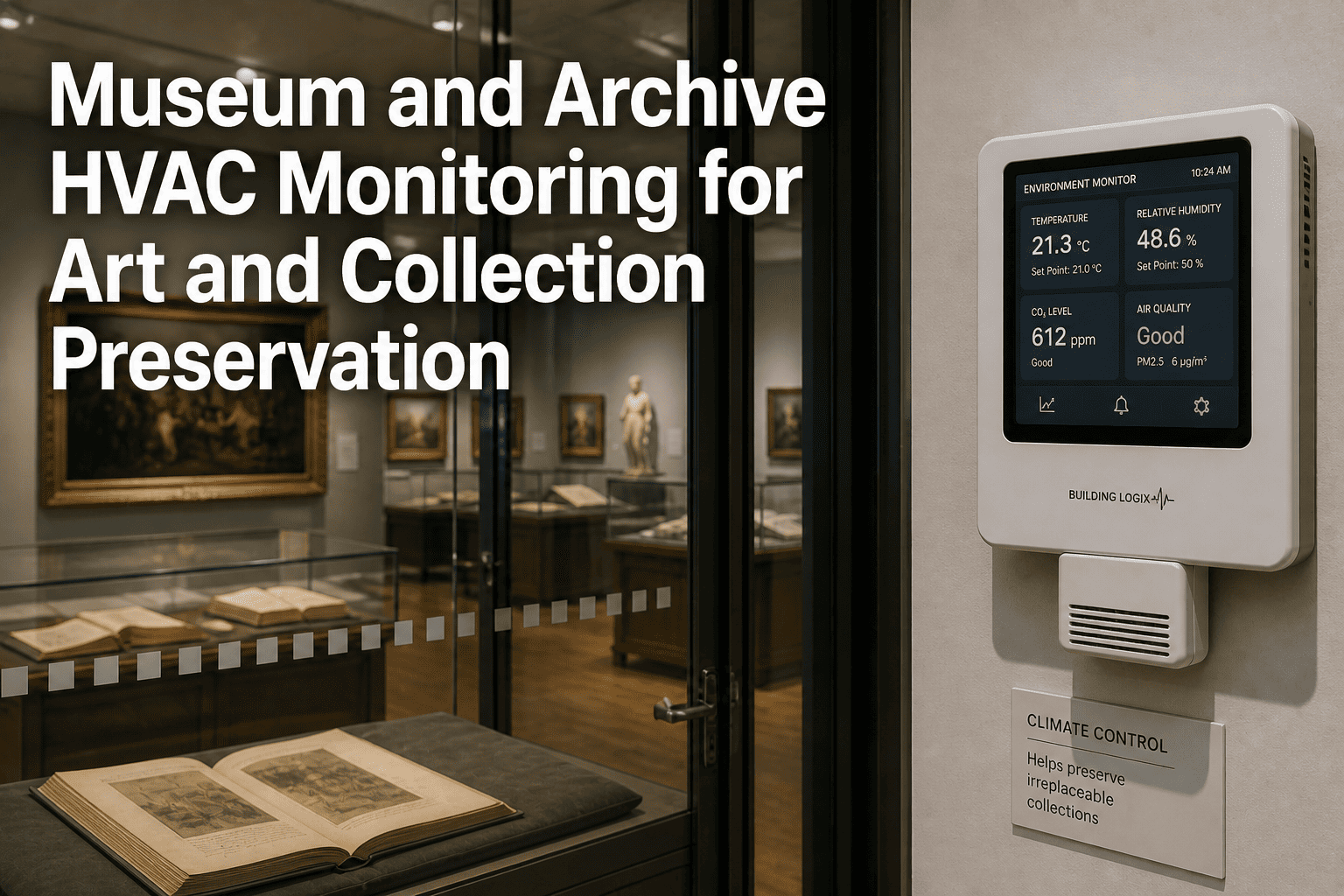
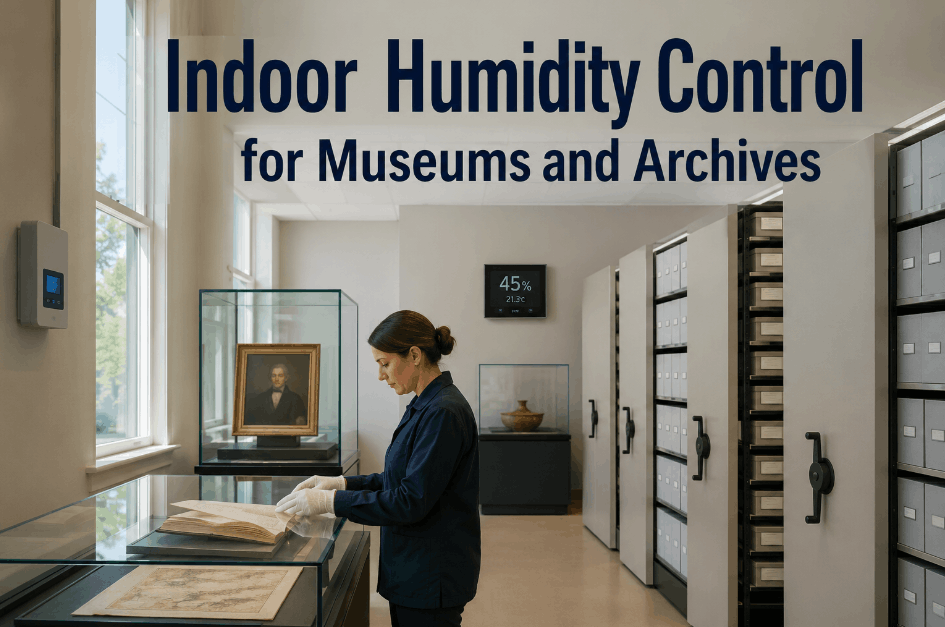
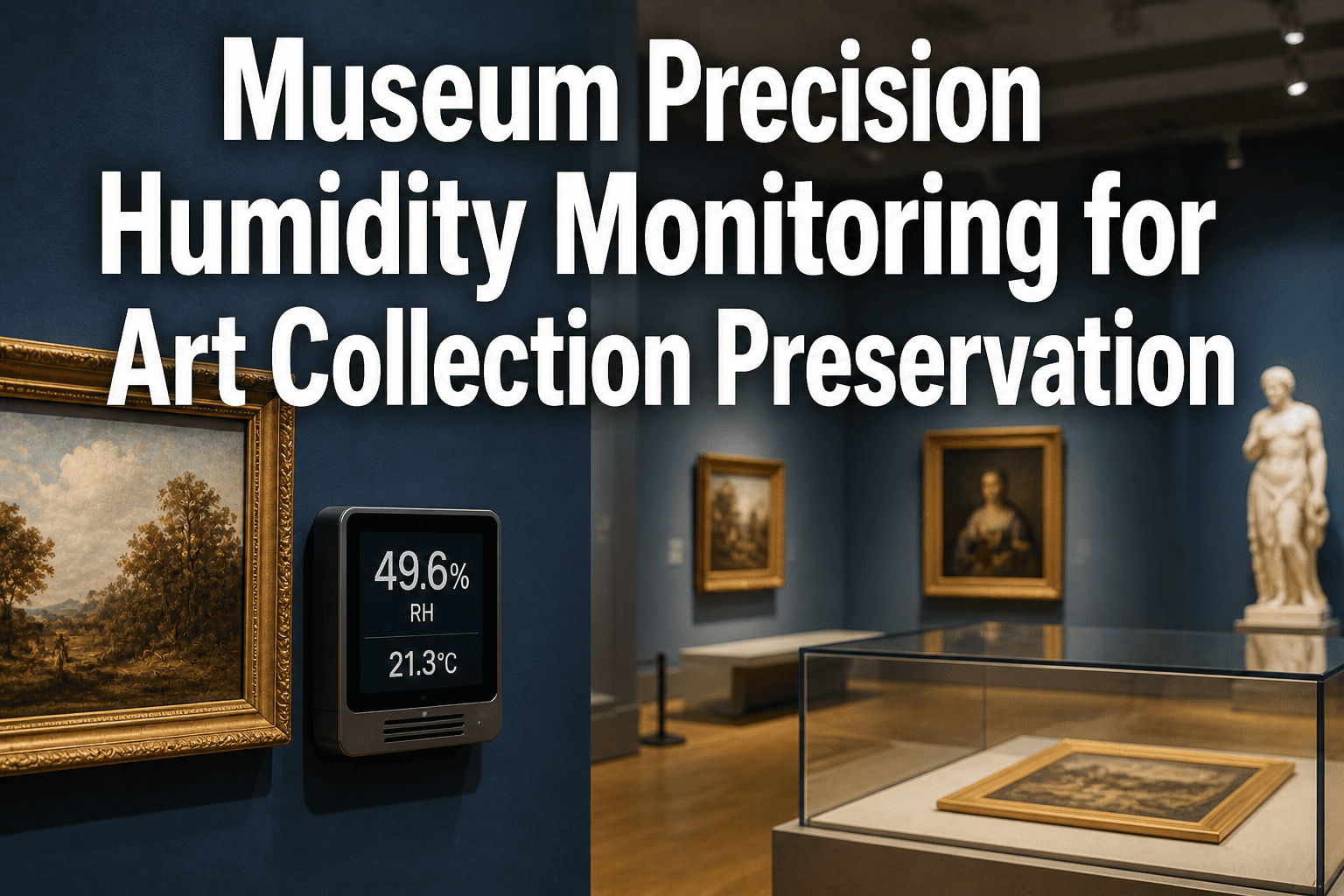
A single humidity spike of 15% relative humidity sustained for 48 hours can cause irreversible warping in wooden panel paintings, trigger bronze disease in metal antiquities, and accelerate acid degradation in paper archives. Museums, galleries, and cultural institutions spend decades acquiring and conserving collections — yet the HVAC systems responsible for protecting those collections are often managed reactively, without the environmental analytics needed to prevent damage before it occurs. Oxmaint's preventive maintenance platform gives conservation teams live environmental monitoring, automated PM scheduling, and documented audit trails that protect both collections and institutional credibility.
COLLECTION PRESERVATION
Museum and Archive HVAC Monitoring for Art and Collection Preservation
Precise climate control is not a comfort issue in museums — it is a conservation imperative. Oxmaint delivers HVAC analytics, PM scheduling, and environmental documentation purpose-built for cultural facilities.
Why Standard HVAC Maintenance Is Insufficient for Cultural Facilities
Commercial building HVAC maintenance focuses on occupant comfort and energy efficiency. Museum and archive HVAC maintenance must additionally satisfy conservation science requirements — specific temperature and humidity tolerances that vary by collection type, season, and gallery microclimate. A standard PM programme that services equipment on calendar intervals without monitoring environmental parameters in real time cannot detect the gradual drift conditions that cause collection damage long before any visible symptoms appear.
H
High Humidity
Above 65% RH
Mould growth on organic materials within 48–72 hours
Active corrosion on metal artefacts and instrument components
Canvas distortion and paint layer delamination
L
Low Humidity
Below 40% RH
Wood panel cracking and joint failure in furniture and sculpture
Vellum and parchment shrinkage, tearing at binding edges
Paint craquelure acceleration in oil paintings
T
Temperature Fluctuation
Change more than 2°C/day
Differential expansion in composite artefacts causes internal stress
Accelerated chemical degradation in photographic materials
Binding adhesive failure in rare books and maps
A
Airborne Particulates
Inadequate filtration
Sulphur dioxide deposits on marble and limestone surfaces
Particulate soiling of textiles requiring costly conservation cleaning
Ozone from UV sources accelerates polymer degradation
Conservation Environment Standards by Collection Type
International conservation bodies including ASHRAE, the Institute for Conservation, and the International Council of Museums have established environmental targets for each category of cultural material. Maintaining HVAC performance within these tolerances is the primary technical obligation of a museum facilities team — and the foundation of any loan agreement or accreditation assessment.
| Collection Type |
Target Temperature |
Target RH |
Max Daily Fluctuation |
Critical HVAC Failure Risk |
| Oil and Tempera Paintings |
18–22°C |
45–55% |
±2°C / ±5% RH |
Canvas deformation, paint loss |
| Paper and Works on Paper |
16–20°C |
45–55% |
±1°C / ±3% RH |
Foxing, embrittlement, tear |
| Photographic Collections |
2–15°C (storage) |
30–40% |
±1°C / ±2% RH |
Vinegar syndrome, silver mirroring |
| Textile and Costume |
18–20°C |
45–55% |
±2°C / ±5% RH |
Fibre brittleness, dye migration |
| Metal Artefacts |
15–20°C |
Below 45% |
±3°C / ±5% RH |
Active corrosion, bronze disease |
| Wood and Furniture |
18–22°C |
50–60% |
±2°C / ±5% RH |
Joint failure, veneer lifting |
| Archival Paper (Cold Store) |
Below 8°C |
35–45% |
±1°C / ±2% RH |
Acid degradation, ink fading |
How Oxmaint Structures Museum HVAC Monitoring
Effective museum HVAC monitoring requires three capabilities that standard building management systems do not deliver: asset-level PM documentation that satisfies conservation audit requirements, environmental parameter logging linked directly to equipment work orders, and escalation workflows that alert conservation staff — not just engineering — when thresholds are breached. Oxmaint integrates all three into a single CMMS platform.
01
Asset Registry with Conservation Zones
Each HVAC asset — AHU, dehumidifier, chiller, humidifier, filter bank — is mapped to the gallery or storage zone it serves. Environmental targets for each zone are stored in the asset record, providing the baseline against which PM performance and sensor data are measured.
02
Automated PM Scheduling
Preventive maintenance work orders are generated automatically based on manufacturer intervals and seasonal programme requirements — filter changes before summer humidity season, humidifier servicing before winter dry periods, full AHU inspection ahead of major exhibitions or loan arrivals.
03
Environmental Parameter Logging
Technicians record temperature, RH, and airflow measurements directly on mobile work orders at point of service. Readings outside conservation targets automatically flag a deviation event and notify both the engineering and conservation team, creating a documented response chain.
04
Audit Trail for Loan Agreements and Accreditation
Every PM completion, environmental reading, and corrective action is permanently attached to the relevant asset and zone record. This creates the documented maintenance history that major lenders require as a condition of loan, and that accreditation bodies review during facility assessments.
BUILT FOR CONSERVATION FACILITIES
Protect Every Collection With Documented HVAC Performance
Oxmaint gives museum and archive teams live PM scheduling, environmental logging, and compliance-ready audit trails — all linked to the assets that protect your collections every day.
The Real Cost of HVAC Failure in Cultural Institutions
$2.5M
Average insurance claim for collection damage following an HVAC failure event in a medium-sized museum — excluding reputational and accreditation consequences
72 hrs
Window within which mould growth becomes irreversible on organic materials in high-humidity HVAC failure conditions — faster than most reactive maintenance response cycles
30–50%
Reduction in HVAC-related collection damage events reported by institutions that shift from reactive to preventive maintenance programmes with environmental monitoring
Expert Review
Dr. Sarah Renwick, ACR
Senior Conservator, Environmental Risk — Major National Collection, 19 Years Experience
The conversation in museum facilities has shifted significantly over the last decade. We used to debate what the right temperature and humidity targets were — now we know. The debate is entirely about whether your maintenance programme can actually deliver those conditions consistently and prove that it has done so. That is where most institutions still fall short. I have reviewed facilities where the HVAC equipment was serviced correctly but nobody was recording environmental parameters against conservation zone targets, so there was no way to demonstrate compliance to a lender or accreditor. A CMMS that links PM work orders to environmental readings and conservation zone targets — like
Oxmaint — closes that gap entirely. The documented audit trail it produces is what major lending institutions now expect as a baseline.
Frequently Asked Questions
What environmental parameters does Oxmaint track for museum HVAC monitoring?
Oxmaint's work order system enables technicians to record temperature, relative humidity, airflow velocity, filter differential pressure, and any equipment-specific parameters at the point of service. These readings are stored permanently against the asset and zone record, creating a longitudinal environmental dataset that supports conservation compliance reporting, loan condition documentation, and ASHRAE standard verification.
Book a demo to see how environmental logging is configured for cultural facility requirements.
How does Oxmaint support HVAC maintenance documentation for major loan agreements?
Major lending institutions typically require borrowing museums to demonstrate that HVAC systems serving loan galleries have been maintained to documented standards and that environmental conditions have been consistently within conservation targets. Oxmaint generates asset-level maintenance histories and environmental compliance reports directly from live data, covering any time period and any specific gallery or storage zone. This eliminates the manual report compilation that typically requires days of effort before a significant loan arrival.
Can Oxmaint be configured for different environmental targets across different gallery zones?
Yes. Oxmaint's asset registry allows each HVAC unit and the zone it serves to be configured with specific environmental targets — so a photographic storage room with a 35–40% RH requirement is maintained to a different standard than a textile gallery with 50–55% RH targets. PM checklists, threshold alerts, and compliance reporting are all generated from the zone-specific configuration rather than building-wide averages, which is essential for mixed-collection facilities managing multiple conservation environments simultaneously.
How quickly can Oxmaint be deployed in an existing museum or archive facility?
For a standard museum or archive facility, Oxmaint can be fully deployed with asset registry populated, PM schedules activated, and mobile access configured for the maintenance team within two to four weeks. The asset import process accepts data from existing spreadsheets and BMS exports, reducing manual data entry.
Start a free trial to assess the deployment process against your specific facility configuration and collection requirements.
OXMAINT FOR MUSEUMS AND ARCHIVES
Your Collection Deserves Maintenance That Matches Its Value
Oxmaint's preventive maintenance platform schedules, documents, and reports on every HVAC service event in your facility — creating the environmental compliance record that protects collections, satisfies lenders, and demonstrates institutional credibility.