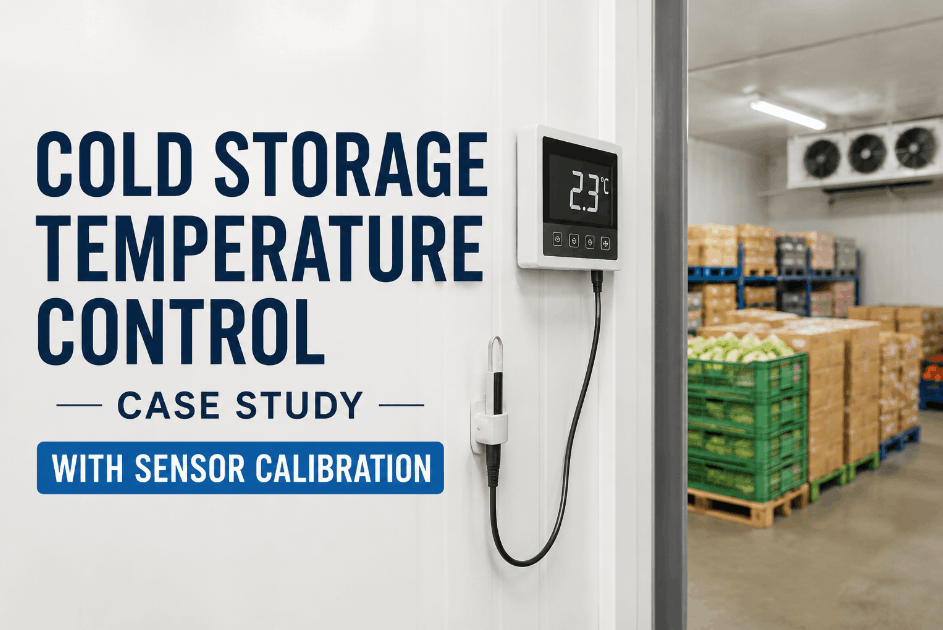
Cold storage facilities running fixed defrost cycles pay a hidden tax on every cycle that fires at the wrong time — wasted energy, unnecessary temperature swings, and product at risk. A regional distribution center managing 11 refrigerated zones across two temperature bands found itself absorbing all three: energy consumption was 18–22% above benchmarks, spot temperature audits routinely flagged variance in high-turnover zones, and the defrost schedule had not been adjusted since commissioning. The root issue was not aging equipment. It was a scheduling model that treated every zone identically and a maintenance workflow that had no mechanism to detect drift or flag when conditions changed. If your cold storage operation is running the same pattern, Sign Up Free to see how Oxmaint structures schedule-driven maintenance and sensor monitoring — or Book a Demo with a refrigeration operations specialist.
Cold Storage · Defrost Scheduling · Energy Waste Reduction
Reduce Defrost Waste With Schedule-Driven Zone Control
Dynamic defrost scheduling, sensor-linked PM triggers, and zone-level monitoring — OxMaint helps cold storage teams cut energy waste while protecting product temperature stability.
Site Profile
The Operation: Multi-Zone Cold Storage Facility Running on Static Defrost Schedules
Site Overview
IndustryRefrigerated distribution — multi-zone cold chain, high inventory turnover
Team9 facility technicians, 3 shifts, 1 refrigeration maintenance lead
Zone Count11 refrigerated zones across two temperature bands (0°C and -18°C)
Prior SystemFixed-interval defrost timers, manual temperature logs, paper-based PM tracking
Oxmaint FeaturesPM Scheduling · Sensor-Linked Triggers · Work Order Management · Temperature Monitoring · Defrost Optimization · Compliance Reporting
Baseline Pressure Points
21%
Energy overconsumption above site benchmark — driven by defrost cycles firing outside peak ice-load windows
34%
Of spot temperature audits flagging variance beyond acceptable band in high-turnover zones
0
Schedule adjustments made since commissioning — all 11 zones running identical defrost intervals regardless of actual load
Root Cause Analysis
Why Defrost Waste Compounded — And Why Temperature Drift Went Undetected
A structured review of 60 days of defrost logs, energy consumption records, and temperature audit data identified three compounding gaps. Equipment condition was not the primary driver. The defrost schedule had been set at commissioning and never reviewed against actual zone usage patterns — high-turnover zones with frequent door cycles needed more frequent defrosts while low-traffic zones were over-cycling with no ice load to justify the energy spend. There was no mechanism connecting field temperature readings to PM triggers, and no visibility into which zones were drifting before a product-risk event occurred. Sign Up Free to map your own cold storage maintenance gaps — or Book a Demo to see how Oxmaint's scheduling engine applies to multi-zone refrigerated operations.
41%
Fixed Defrost Intervals Not Matched to Zone Usage Patterns
All 11 zones ran identical defrost cycles regardless of door frequency, throughput, or seasonal load. Low-traffic zones over-cycled; high-turnover zones accumulated ice between cycles — creating both waste and instability simultaneously.
33%
No Sensor-Linked PM Triggers to Catch Drift Early
Temperature readings were logged manually on paper rounds. There was no automated mechanism to flag zones trending outside acceptable band before variance became a product-risk event or a compliance issue.
18%
Idle Time Extending Post-Defrost Recovery Windows
Defrost cycles were not timed against operational windows. Recovery periods frequently extended into active receiving or dispatch periods — exposing product to elevated temperatures during loading operations.
8%
No Feedback Loop From Reactive Repairs to Schedule Review
Evaporator coil and drain heater repair records were not linked to zone performance data. Repeat issues on the same units did not trigger PM schedule reviews — so underlying drift causes were never addressed at source.
The Solution
How Oxmaint Rebuilt Defrost Scheduling, Monitoring, and PM Discipline Across All 11 Zones
The facility deployed Oxmaint without changing its refrigeration equipment or adding headcount. The platform replaced fixed-interval defrost timers with a structured PM scheduling model that mapped cycle frequency to zone usage patterns — high-turnover zones were assigned tighter intervals with operational window constraints, while low-traffic zones moved to demand-adjusted cycles based on logged conditions. Temperature monitoring readings were integrated into the work order system, creating automated triggers when zone readings drifted outside defined bands. Defrost timing was aligned to non-operational windows — eliminating recovery period overlap with active receiving and dispatch. Repair history on evaporator coils and drain components was linked to zone PM records, so repeat failure patterns generated automatic schedule review flags. Book a Demo to see how Oxmaint handles defrost scheduling and sensor-linked PM automation for multi-zone cold storage.
01
Zone-Differentiated Defrost Scheduling Based on Usage Patterns
Oxmaint replaced uniform defrost intervals with zone-specific PM schedules mapped to actual door cycle frequency, throughput volume, and seasonal load data. High-turnover zones received tighter, operationally-constrained defrost windows; low-traffic zones shifted to condition-adjusted cycles — eliminating over-cycling in zones with no ice accumulation load.
02
Automated Temperature Drift Alerts Linked to Work Order Creation
Temperature monitoring readings were integrated into Oxmaint's work order engine. Zones trending outside defined variance thresholds triggered automatic work order creation with zone ID, current reading, and alert classification — giving the maintenance lead early warning before any product-risk condition developed.
03
Defrost Cycle Timing Aligned to Non-Operational Windows
Defrost schedules were synchronized against facility operational windows in Oxmaint. Cycle timing was constrained to exclude active receiving, dispatch, and cross-dock periods — ensuring recovery windows completed before product-handling operations resumed and eliminating temperature exposure during loading.
04
Repair History Linked to Zone PM Records for Pattern Detection
Evaporator coil, drain heater, and expansion valve repair records were linked to zone-level PM histories in Oxmaint. Assets with repeat repair events on the same unit triggered automatic PM review flags — converting reactive repair data into proactive schedule improvements and reducing the recurrence rate on highest-incident zones.
Results at 90 Days
Measured Outcomes Three Months After Deployment
31%
Reduction in energy consumption from defrost over-cycling — low-traffic zones adjusted to demand-based intervals
74%
Drop in temperature audit variance flags — from 34% of spot checks to below 9% across all zones
100%
Defrost cycles completed within non-operational windows — zero recovery period overlaps with active product handling
-48%
Repeat repair events on high-incident zone components — evaporator coil and drain heater recurrence reduced by nearly half
+41%
Increase in PM completion rate within scheduled window across all 11 zones
3.6×
ROI on platform cost within 90 days from energy recovery and avoided product-risk events
| Metric |
Before Oxmaint |
90 Days After |
Change |
| Defrost energy overconsumption |
21% above benchmark |
Within 3% of benchmark |
-31% |
| Temperature audit variance flags |
34% of spot checks |
Below 9% |
-74% |
| Defrost cycles in operational windows |
Uncontrolled |
0 overlaps |
Full compliance |
| Repeat component repairs (per quarter) |
23 events |
12 events |
-48% |
| PM completion rate within window |
51% |
72% |
+41% |
| Temperature documentation compliance |
~40% (manual paper) |
100% (digital) |
Full compliance |
Key Business Impact
What Reducing Defrost Waste Actually Means for Cold Chain Operations
"Most cold storage operations I assess are running defrost schedules that were set during commissioning and never revisited. The facility doesn't look broken — the refrigeration is running, temperatures are being logged, and no one is raising alarms. But the waste is structural: low-traffic zones burning energy on cycles with nothing to defrost, high-traffic zones accumulating ice between cycles because the interval doesn't match actual door frequency, and recovery windows overlapping with product-handling operations because nobody connected the schedule to the ops calendar. The fix isn't expensive equipment upgrades. It's connecting schedule logic to actual zone behavior, automating the triggers that catch drift before it becomes a product event, and linking repair history to PM reviews so repeat failures stop recurring. Once those three things are in place, the energy numbers move, the audit flags drop, and the team can actually run maintenance ahead of conditions rather than responding to them."
Sandra Kellerman, Cold Chain Facility Operations Advisor
18 years refrigerated distribution and food-grade storage operations · Former facility manager, multi-temperature distribution centers · Specialist in defrost optimization, PM structuring, and cold chain compliance readiness
Defrost Scheduling · Energy Recovery · Temperature Stability
Replace Static Defrost Cycles With Zone-Intelligent Schedule Control
Usage-mapped defrost intervals, automated temperature drift alerts, operational window alignment, and PM feedback loops — OxMaint gives cold storage teams the structure to reduce energy waste without adding headcount.
FAQs
Frequently Asked Questions
How does Oxmaint help reduce defrost energy waste in cold storage?
Oxmaint replaces fixed-interval defrost timers with zone-specific PM schedules matched to actual usage patterns. Low-traffic zones shift to demand-adjusted cycles; high-turnover zones get tighter, operationally-constrained windows — eliminating over-cycling and the energy waste it generates.
Can Oxmaint detect temperature drift before it becomes a product-risk event?
Yes. Temperature readings integrated into Oxmaint trigger automatic work order creation when zones trend outside defined variance thresholds — giving maintenance teams early warning before conditions affect product integrity or compliance standing.
Does Oxmaint support defrost scheduling across multiple temperature zones?
Yes. Oxmaint manages zone-differentiated PM schedules across multiple temperature bands from a single planner dashboard — with zone-level visibility, independent interval settings, and full scheduling compliance reporting.
Can defrost cycles be constrained to avoid overlapping with product-handling operations?
Yes. Oxmaint's scheduling engine allows operational window constraints on PM timing — defrost cycles can be blocked from firing during active receiving, dispatch, or cross-dock periods to protect product temperature during handling.
How quickly does a cold storage facility see measurable improvement after deployment?
Most facilities see measurable temperature audit improvement and energy trend changes within the first 30–45 days after schedule restructuring. Full PM compliance and repeat failure reduction typically stabilize within 60–90 days.
Every Optimized Cycle Is Energy Recovered and Product Protected
Give Your Cold Storage Operation the Scheduling Structure It Needs
Oxmaint brings zone-differentiated defrost scheduling, automated temperature alerts, operational window controls, and PM feedback loops to cold storage teams — with no additional maintenance headcount required.