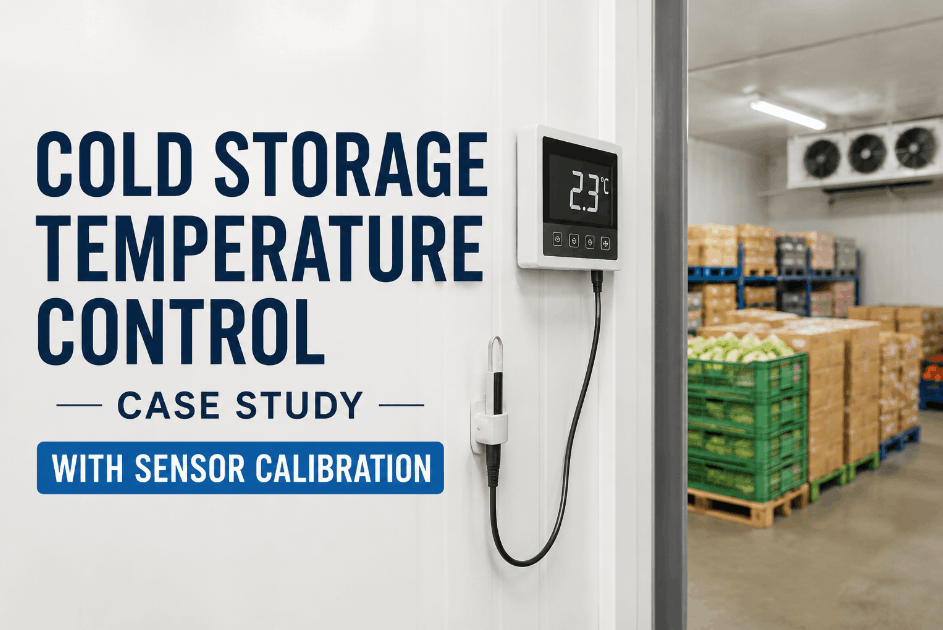
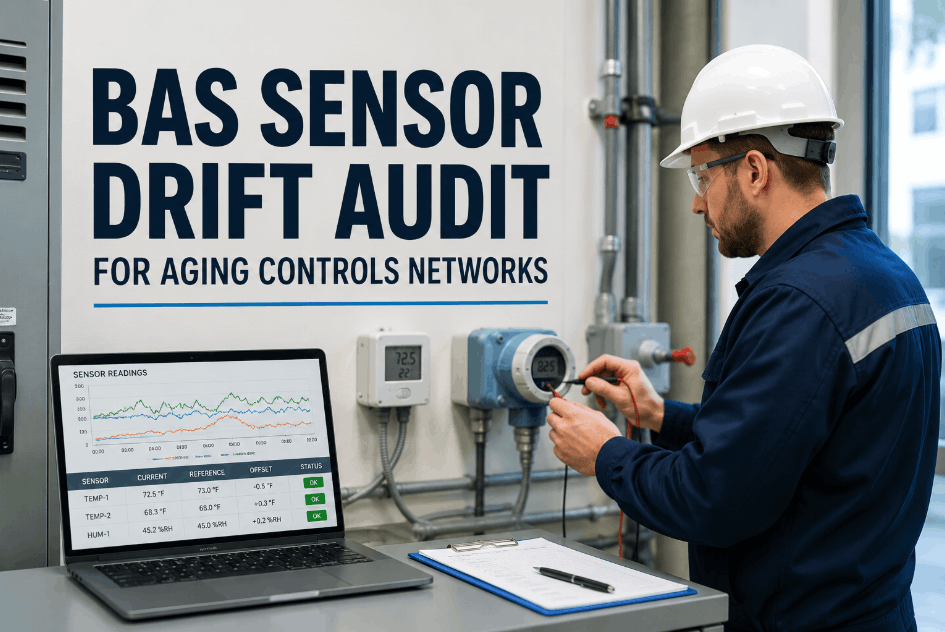
Cold storage operations rarely lose product to one catastrophic compressor failure — they lose it to a temperature sensor drifting a few degrees out of calibration for weeks before anyone notices the readings no longer match reality. Manual logbooks record whatever a sensor reports without checking whether the sensor itself is still accurate, and by the time a calibration audit catches the drift, product may already have spent days outside its safe range. A multi-dock refrigerated distribution facility ran into exactly this pattern: calibration checks happened on a loose annual schedule rather than sensor-specific intervals, temperature excursions were sometimes caught only during a compliance audit, and reconciling paper logs against actual readings consumed days every quarter. If your cold storage operation is tracking sensor calibration without a connected asset history or automated excursion escalation, Sign Up Free to see how Oxmaint structures cold chain monitoring and calibration compliance — or Book a Demo with a food safety operations specialist.
Sensor Calibration · Excursion Escalation · Audit-Ready Compliance
Stop Calibrating Every Sensor on the Same Calendar and Start Matching Intervals to Real Drift
Sensor-specific calibration PM, real-time cold chain data, automated excursion escalation, and digital compliance trails — Oxmaint helps cold storage teams catch drift before it becomes product loss.
Facility Profile
The Operation: A Refrigerated Distribution Facility Calibrating Sensors on the Wrong Calendar
Facility Overview
IndustryCold storage and refrigerated distribution — multi-dock 3PL facility
Scope1 facility, 410,000 cu ft of refrigerated and frozen storage, 96 monitored temperature sensors across 14 storage zones
Team7 refrigeration technicians, 1 QA/compliance officer, 1 warehouse operations manager
Prior SystemPaper temperature logs reconciled against sensor readings on a fixed annual calibration calendar
Oxmaint FeaturesPLC & Sensor Integration · Preventive Maintenance · Inspection Management · Safety & Compliance · Asset Management · Analytics & Reporting
Baseline Calibration Issues
62%
Of temperature sensors overdue for calibration relative to manufacturer-recommended intervals
5 days
Average time before a sensor drift was identified outside of a scheduled audit
140+
Paper log entries requiring manual reconciliation against sensor data each quarter
Root Cause Analysis
Why Sensor Drift Went Undetected Between Compliance Audits
A review of paper temperature logs, calibration certificates, and audit findings revealed four compounding gaps in how sensor accuracy was tracked. The refrigeration equipment itself performed reliably — the failure was in trusting sensor readings without verifying the sensors. Sign Up Free to bring sensor-specific calibration scheduling to your cold chain — or Book a Demo to see excursion escalation on a live system.
40%
Calibration Ran on a Fixed Annual Calendar, Not Sensor-Specific Intervals
Every sensor across every zone followed the same generic schedule regardless of usage, age, or manufacturer tolerance, so some drifted well before their next scheduled check.
26%
Paper Logs Were Disconnected From Real-Time Sensor Data
Technicians recorded whatever the display showed without a system comparing those readings against the sensor's own calibration history, so drift went unnoticed until a manual audit caught it.
21%
No Escalation When Readings Diverged From Baseline Tolerance
A reading several degrees off from a paired reference point in the same zone triggered no automatic flag, leaving drift detection dependent on someone noticing by chance.
13%
No Audit-Ready Compliance Trail for Inspectors
Calibration records, temperature logs, and corrective actions lived across separate binders and spreadsheets, turning every regulatory audit into a multi-day document hunt.
The Solution
How Oxmaint Matched Calibration Timing to Real Sensor Drift
The facility deployed Oxmaint to connect live cold chain data to a single asset register, schedule calibration by actual sensor behavior, and escalate excursions automatically. Sign Up Free to see sensor-specific calibration scheduling on your own facility — or Book a Demo to walk through excursion escalation live.
01
Sensor and PLC Integration Brought Real-Time Cold Chain Data Into One Register
Oxmaint's PLC and sensor integration connects directly to the cold chain monitoring network, giving every temperature sensor a live data feed tied to its own asset record instead of a manual logbook entry.
02
Calibration PM Schedules Now Run on Sensor-Specific Intervals
Preventive maintenance for each sensor is generated from its manufacturer-recommended interval and its own drift history, replacing the single facility-wide calendar with calibration timing matched to actual behavior.
03
Automatic Escalation When Readings Diverge Beyond Defined Tolerance
When a sensor's reading drifts beyond a set tolerance from its calibrated baseline or a paired reference point, Oxmaint automatically opens a work order for calibration review before product is put at risk.
04
Digital Inspection Checklists Create an Audit-Ready Compliance Trail
Calibration checks, temperature logs, and corrective actions are now captured through digital checklists with a complete, timestamped history available for any HACCP or regulatory audit.
Results at 75 Days
Calibration Compliance, Excursion Detection, and Audit Readiness After Deployment
96%
Of sensors now on calibration schedules matched to manufacturer interval and drift history
18 hrs
Average time to flag a sensor drift — down from roughly 5 days
31%
Reduction in temperature excursion incidents outside safe range
100%
Of calibration and inspection records now in one audit-ready digital trail
70%
Reduction in time spent reconciling paper logs each quarter
2.7×
ROI on Oxmaint platform cost within 75 days from reduced product loss and audit prep time
| Metric |
Before Oxmaint |
75 Days After |
Change |
| Sensors on matched calibration intervals |
38% on schedule |
96% on schedule |
+58% |
| Time to flag a sensor drift |
~5 days average |
18 hours average |
-85% |
| Temperature excursion incidents |
Baseline rate |
31% reduction measured |
-31% |
| Calibration and inspection records |
Paper and spreadsheets |
100% in one digital trail |
Unified |
| Quarterly log reconciliation time |
140+ entries, multi-day |
70% faster reconciliation |
-70% |
| Platform ROI |
Not measured |
2.7× within 75 days |
2.7× |
Key Business Impact
What Sensor Calibration Discipline Means for Cold Storage Temperature Control
Cold storage rarely loses product to a compressor that fails outright — it loses product to a sensor that quietly stopped telling the truth weeks before anyone checked it against its own calibration history. A fixed annual calendar treats every sensor the same regardless of how it's actually drifting, which is exactly backwards. Once calibration timing follows real sensor behavior and excursions trigger an automatic flag instead of waiting for the next audit, the whole compliance posture changes from reactive to provable. Oxmaint gives cold chain teams that structure without replacing the monitoring hardware they already trust.
Daniel Osei, Cold Chain Operations & Food Safety Compliance Specialist
15 years refrigerated logistics operations · Former QA manager, multi-site cold storage distribution network · Specialist in sensor calibration programs, temperature excursion escalation, and audit-ready compliance reporting for cold chain facilities
Sensor-Matched Intervals · Faster Detection · One Audit Trail
Give Your Cold Chain Calibration Timing That Matches Real Sensor Behavior
Real-time cold chain data, sensor-specific calibration PM, automated excursion escalation, and digital compliance trails — Oxmaint helps cold storage teams protect product and prove compliance.
FAQs
Frequently Asked Questions
How does Oxmaint manage temperature sensor calibration in cold storage facilities?
PM schedules are generated per sensor from manufacturer intervals and that sensor's own drift history, replacing a single facility-wide calendar.
Can Oxmaint automatically flag a temperature sensor that has drifted out of tolerance?
Yes. Readings diverging beyond a defined tolerance from baseline or a paired reference automatically open a calibration work order.
Does Oxmaint help with HACCP or regulatory cold chain audits?
Yes. Digital inspection checklists and calibration records create a single timestamped compliance trail available for any audit.
How does Oxmaint connect to existing cold storage sensor networks?
Through PLC and sensor integration that pulls live readings directly into each sensor's asset record in Oxmaint.
How long does it take to set up calibration scheduling across a cold storage facility?
Most teams configure sensor-specific calibration intervals and escalation rules within the first two to three weeks.
Every Sensor, One Calibration Standard
Bring Sensor Calibration Discipline and Excursion Escalation to Your Cold Storage Facility
Oxmaint brings real-time cold chain data, sensor-specific calibration PM, automated excursion escalation, and audit-ready compliance trails to refrigerated facility teams.