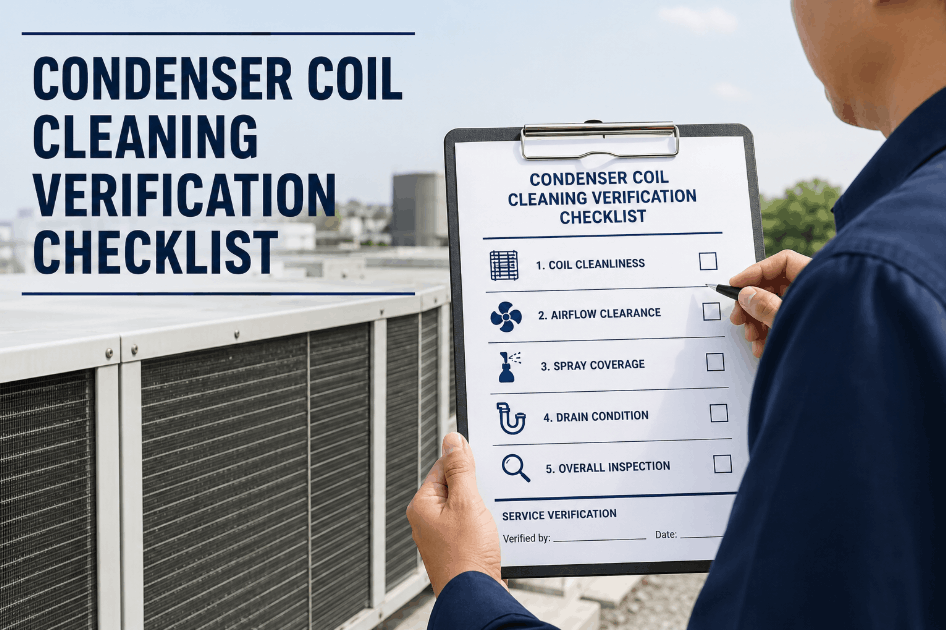
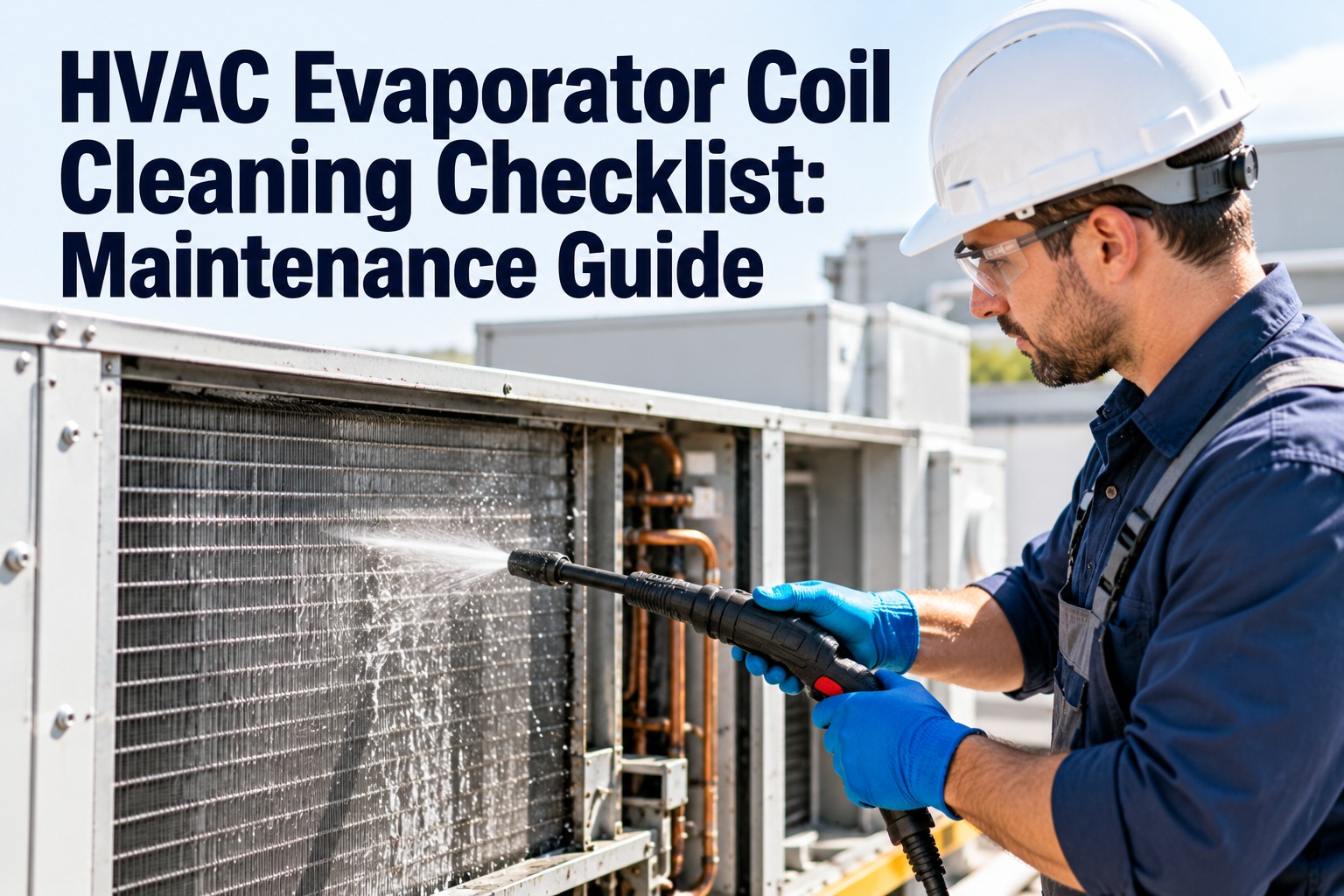
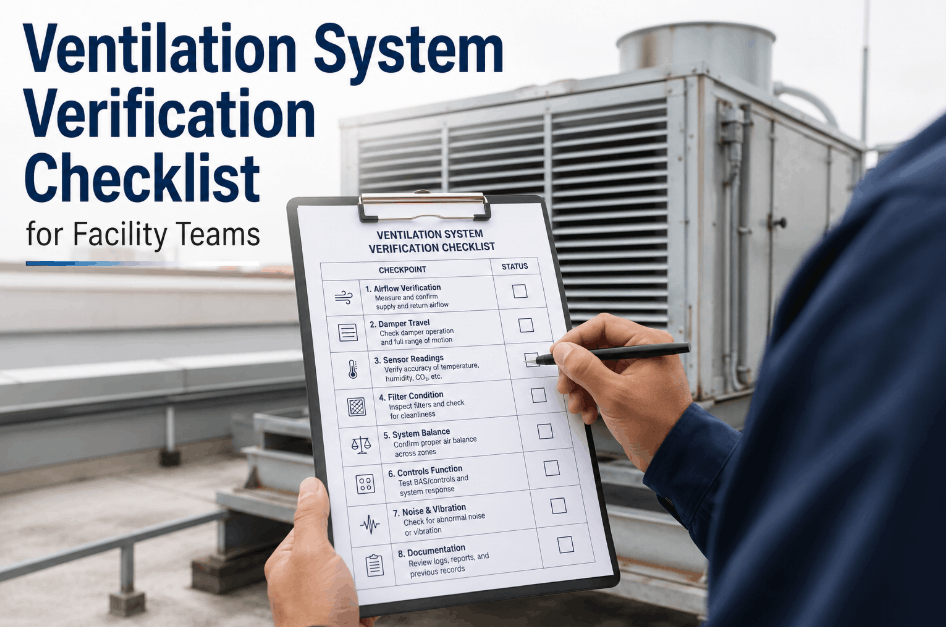
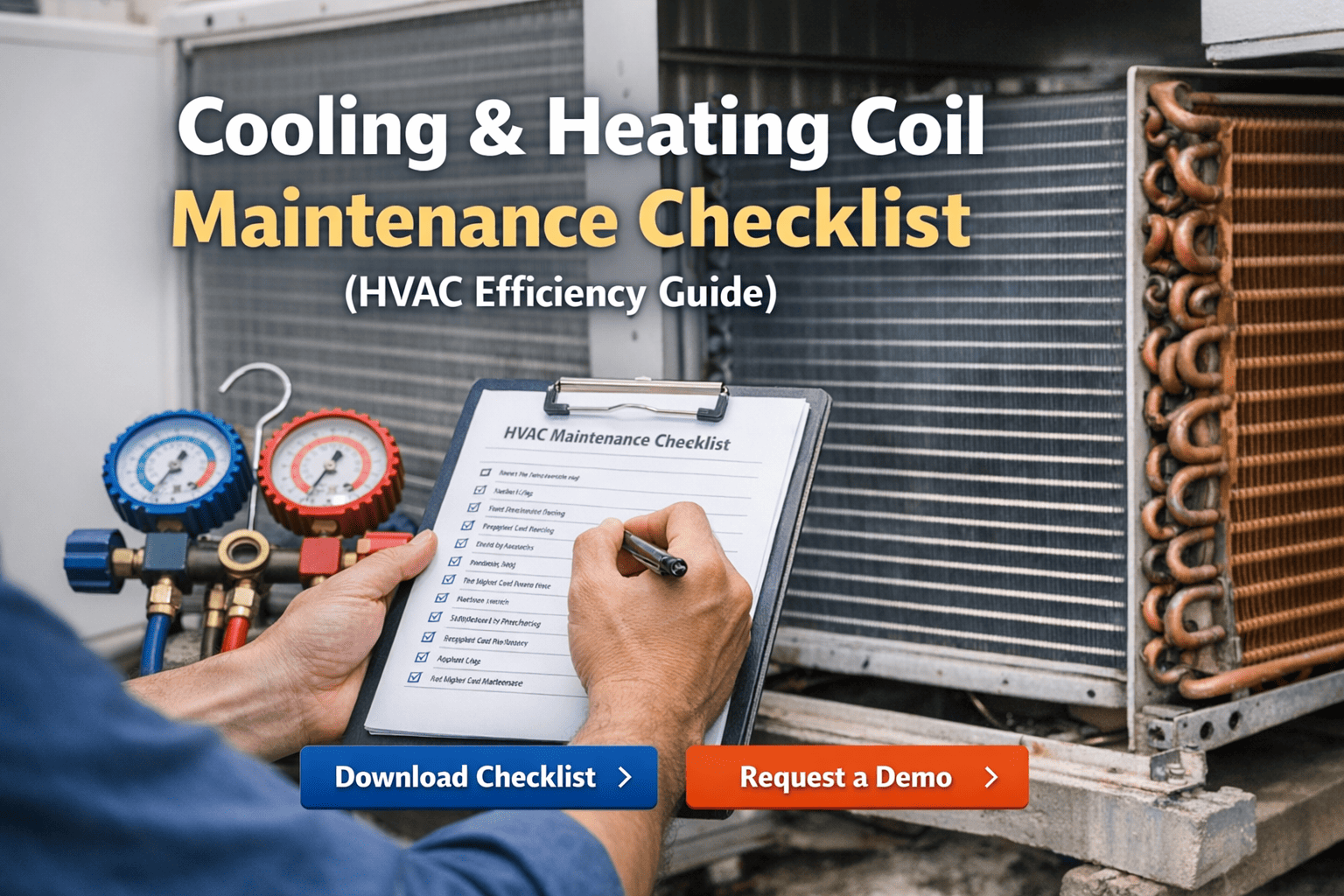
A condenser coil cleaning that looks complete on the surface can still leave your refrigeration or HVAC system underperforming if coil cleanliness, airflow clearance, spray coverage, and drain condition are not systematically verified after service. Fouled coils raise condensing pressure, reduce system capacity, and shorten compressor life — and the damage compounds with every hour of operation after an incomplete clean. Oxmaint's Sign up free platform gives maintenance teams a structured mobile environment to verify condenser coil cleaning quality, capture post-service readings, and generate service records with full audit trails — so every clean is confirmed, not just completed. Whether you manage rooftop units, process cooling systems, chiller condenser sections, or refrigeration racks, unverified coil cleaning creates energy waste and reliability risk across every refrigerant circuit in your facility. Book a demo to see how Oxmaint helps facilities and maintenance teams standardize condenser service verification and close out work orders with defensible field records. Use this checklist immediately after condenser coil cleaning to confirm service quality before the equipment returns to full load operation.
Verify Condenser Coil Service Quality with Oxmaint
Capture post-cleaning readings, confirm airflow clearance, and generate audit-ready service records — built for maintenance teams managing HVAC and refrigeration equipment across industrial and commercial facilities.
1. Coil Cleanliness Confirmation
Visual inspection after cleaning reveals whether the coil surface, fin depth, and face areas are free of fouling. A clean face with debris packed behind the fins still restricts airflow and raises condensing pressure.
2. Airflow Clearance Verification
Condenser coil cleaning restores coil performance only if adequate airflow clearance is maintained around the unit. Recirculation and obstruction issues eliminate the benefit of a clean coil within hours of restart.
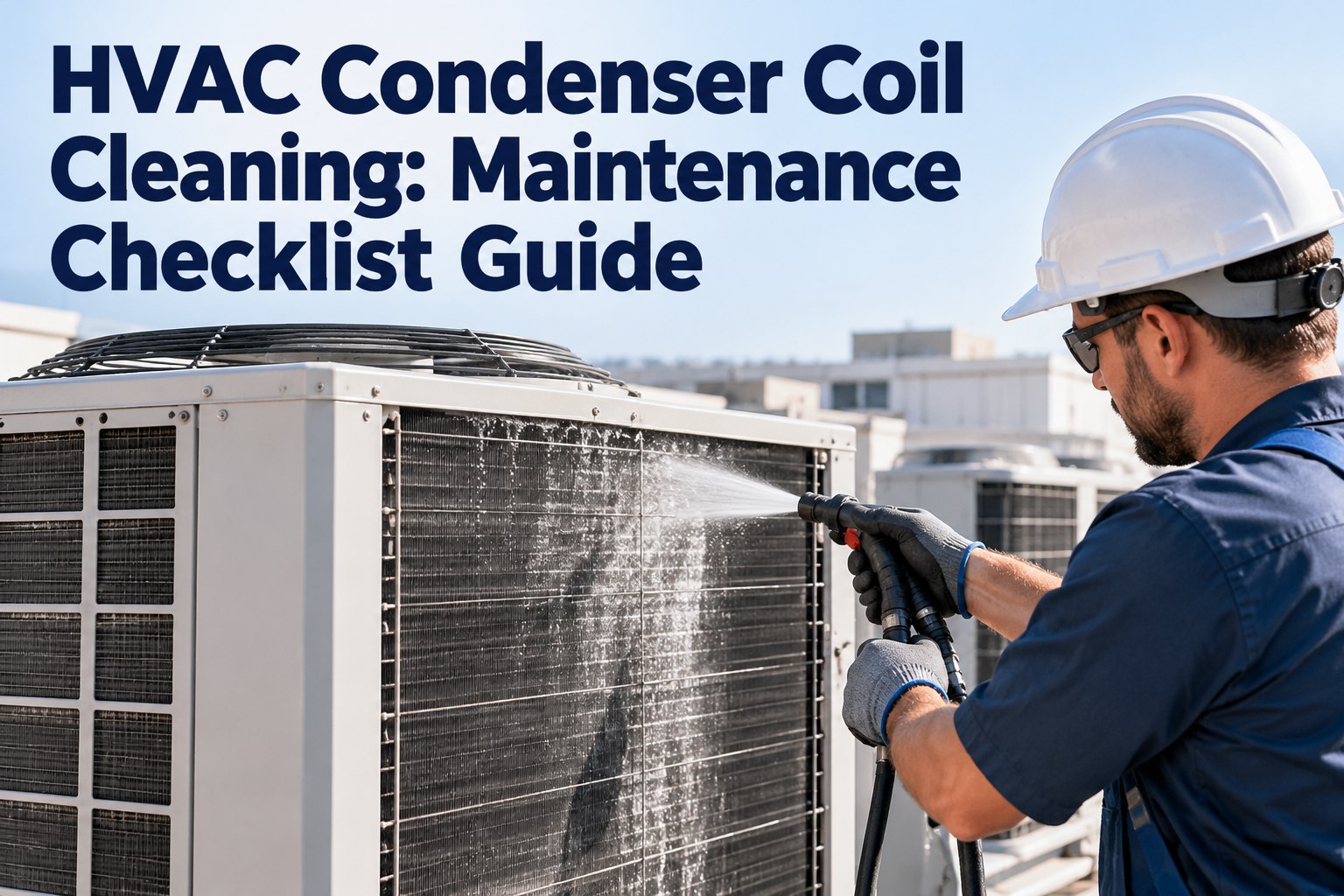
3. Spray Coverage & Service Method Review
Cleaning method quality directly determines whether fouling was removed or just displaced. Verifying spray coverage and chemical application prevents callbacks and ensures service cost translates to actual performance recovery.
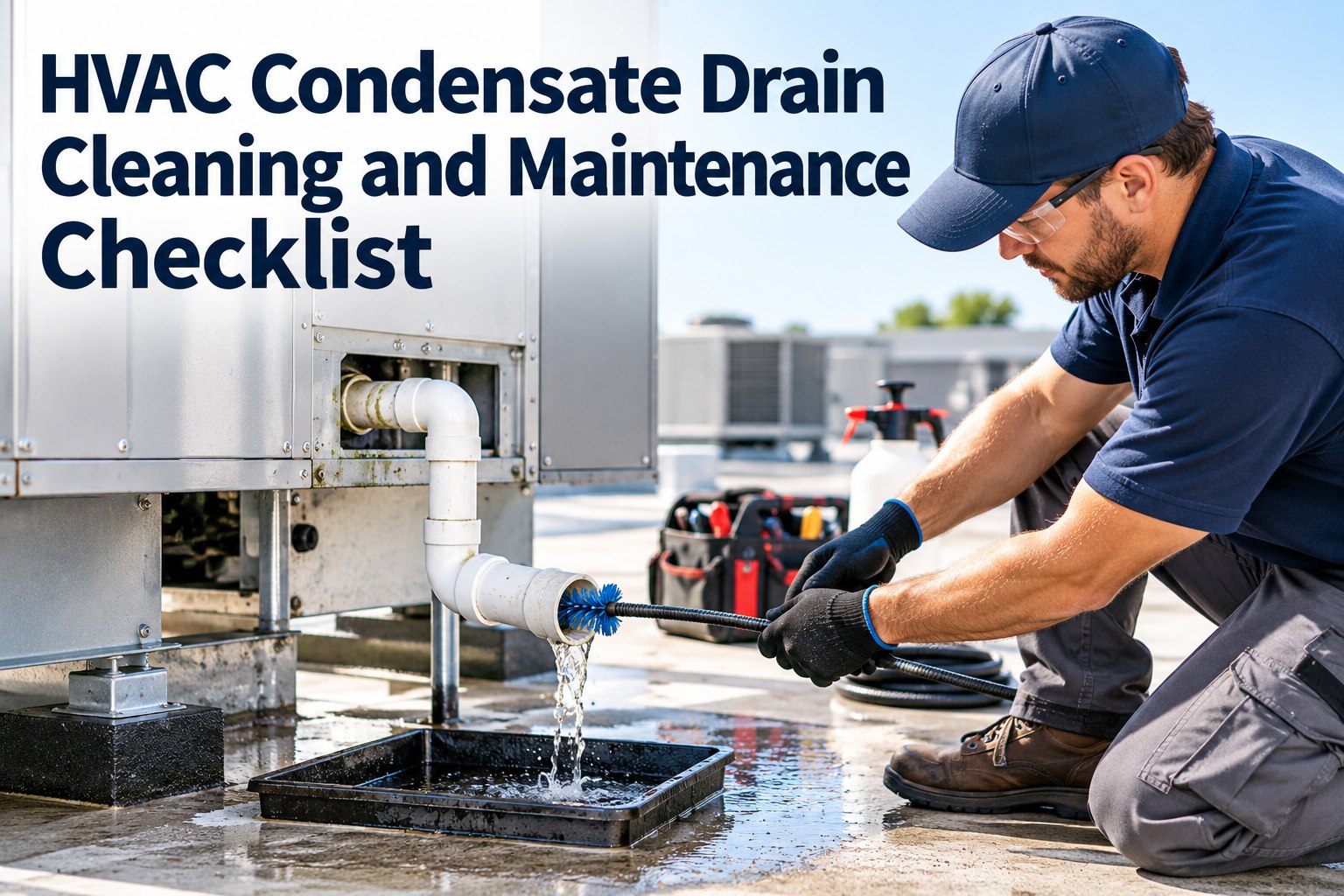
4. Drain Condition & Water Management
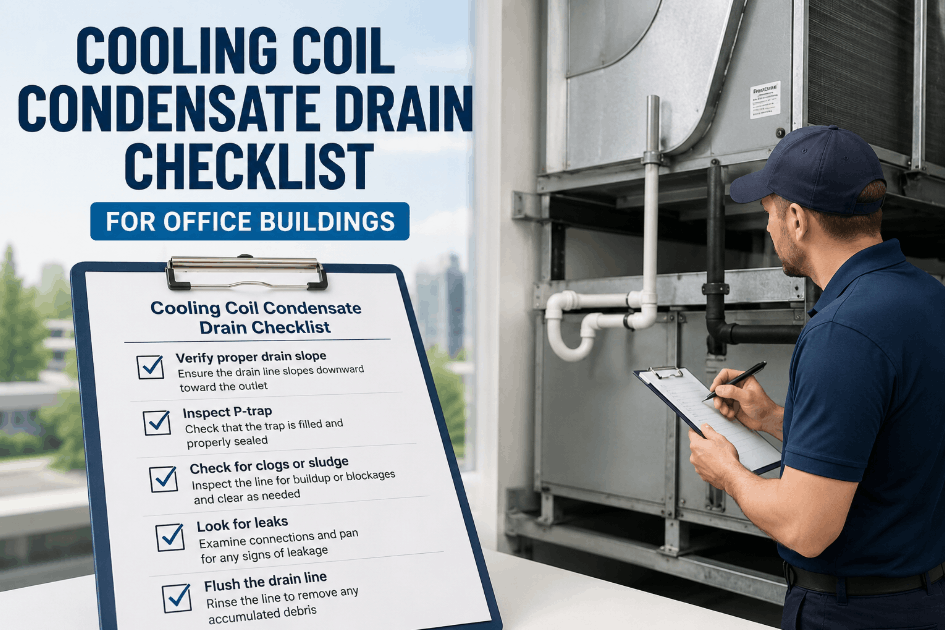
Drain pan and condensate management failures after coil cleaning cause water damage, biological growth, and refrigerant system moisture contamination that develop within days of returning equipment to service.
5. Post-Service Performance Verification
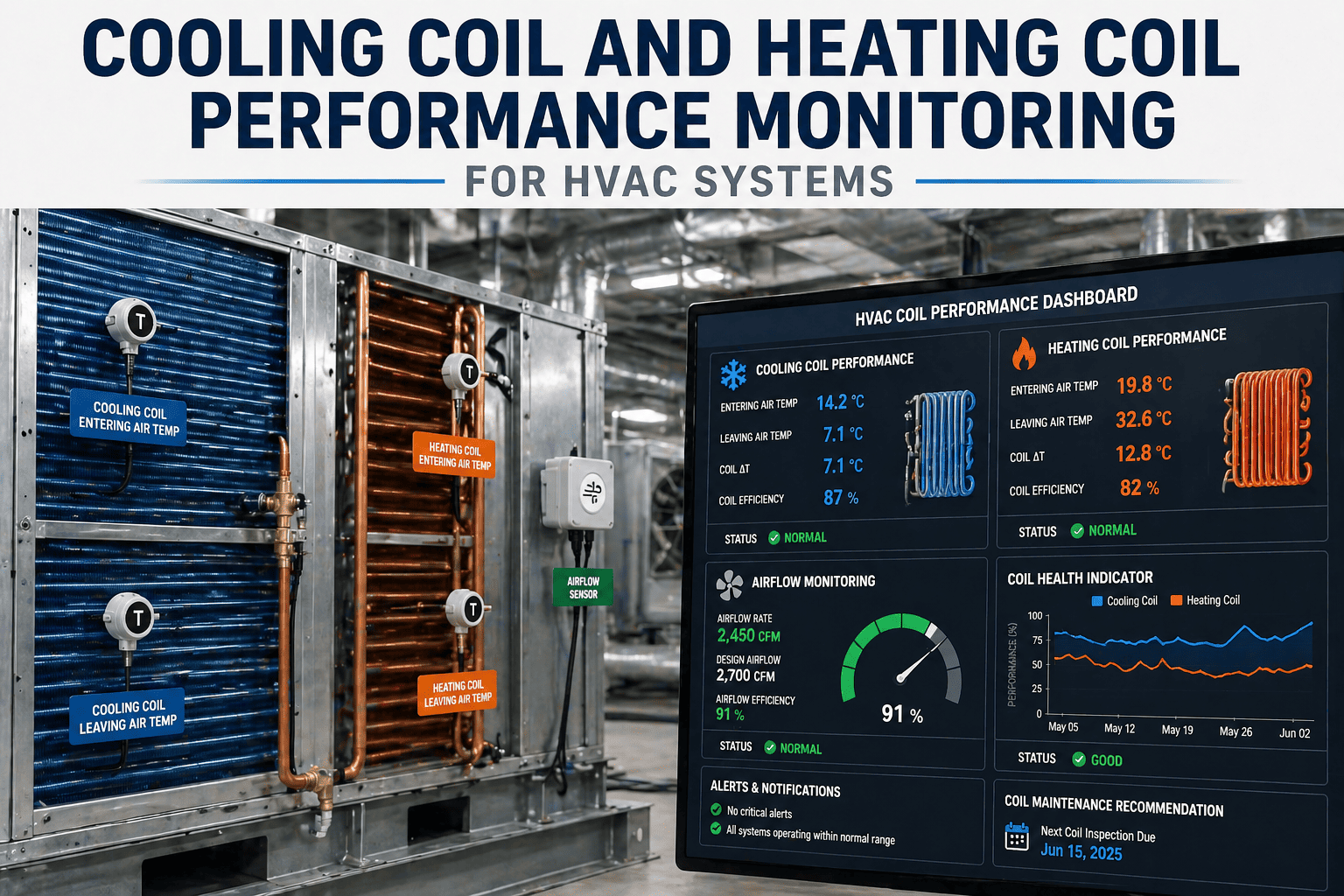
Returning a unit to service without capturing post-cleaning performance data means you have no basis for measuring what the cleaning achieved or for defending service quality during the next inspection or budget review.
Confirm Every Condenser Coil Clean Delivers Real Results
Oxmaint gives maintenance teams the mobile tools, mandatory field capture, and post-service verification workflows to turn condenser coil cleaning from a scheduled task into a confirmed performance outcome.
Frequently Asked Questions — Condenser Coil Cleaning Verification
1. How often should condenser coils be cleaned and inspected?
Most commercial and industrial condenser coils should be cleaned at minimum annually, with quarterly inspections in high-fouling environments such as restaurants, industrial plants, or coastal locations. Post-cleaning verification should be completed every service cycle regardless of interval.
2. What performance measurements confirm a condenser coil cleaning was effective?
Compare condensing pressure, subcooling, and entering-to-leaving air temperature difference before and after cleaning. A successful cleaning will lower condensing pressure toward design conditions and reduce the air temperature rise across the coil to within expected range for current ambient conditions.
3. How does Oxmaint support condenser coil cleaning verification?
Oxmaint provides mobile work order forms with mandatory field capture for post-service readings, photo attachment, and deficiency logging — ensuring technicians document findings at the asset, not at a desk. Managers receive real-time visibility into service completion and quality across all units and facilities.
4. What are the most common mistakes in condenser coil cleaning that verification catches?
Surface-only cleaning that leaves mid-depth debris, insufficient chemical rinse causing ongoing corrosion, drain pan fouling left unaddressed, and high-pressure washing that bends fins are the most common failures. Systematic post-cleaning verification catches all of these before equipment returns to load.
5. Can condenser coil cleaning records support energy audit or compliance reporting?
Yes. Documented pre- and post-cleaning performance readings, combined with timestamped and technician-signed work orders in Oxmaint, provide the service evidence needed for energy management programs, insurance inspections, and regulatory compliance reviews requiring maintenance history on critical cooling equipment.
Ready to Build a Verified Condenser Maintenance Program?
Oxmaint gives your team the structured workflows, mobile capture tools, and audit-ready records to confirm condenser coil service quality — every clean, every unit, every facility you manage.