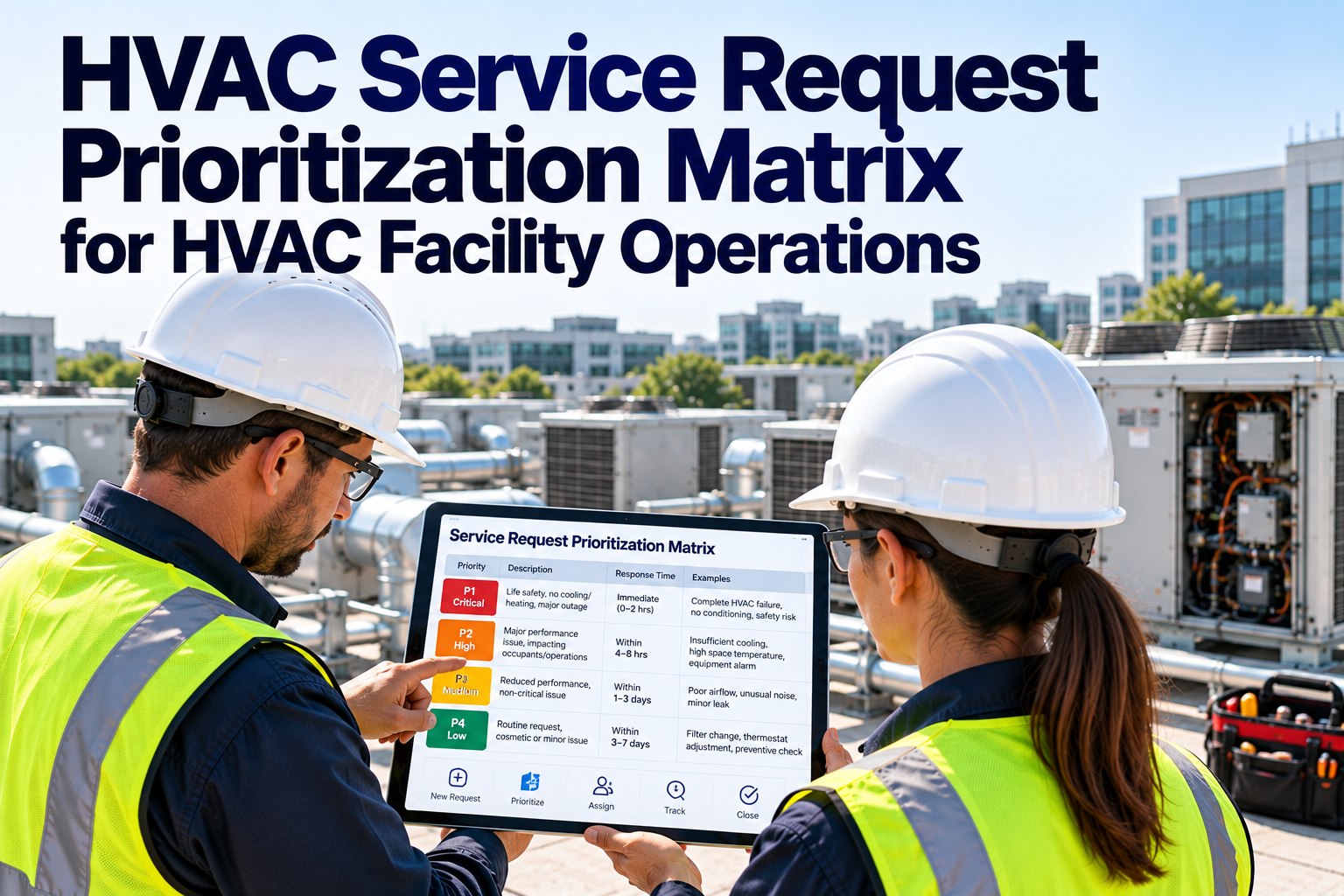
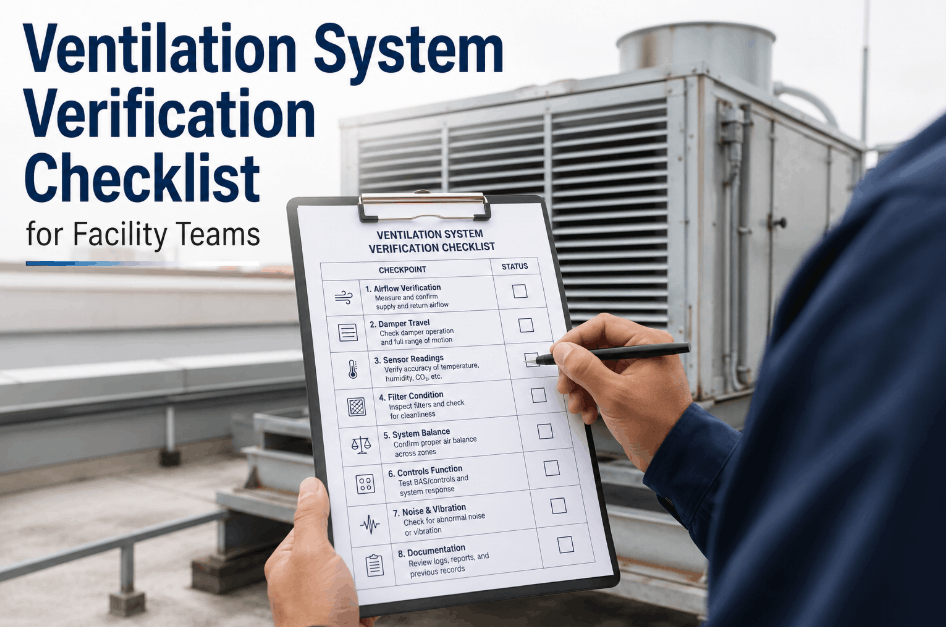
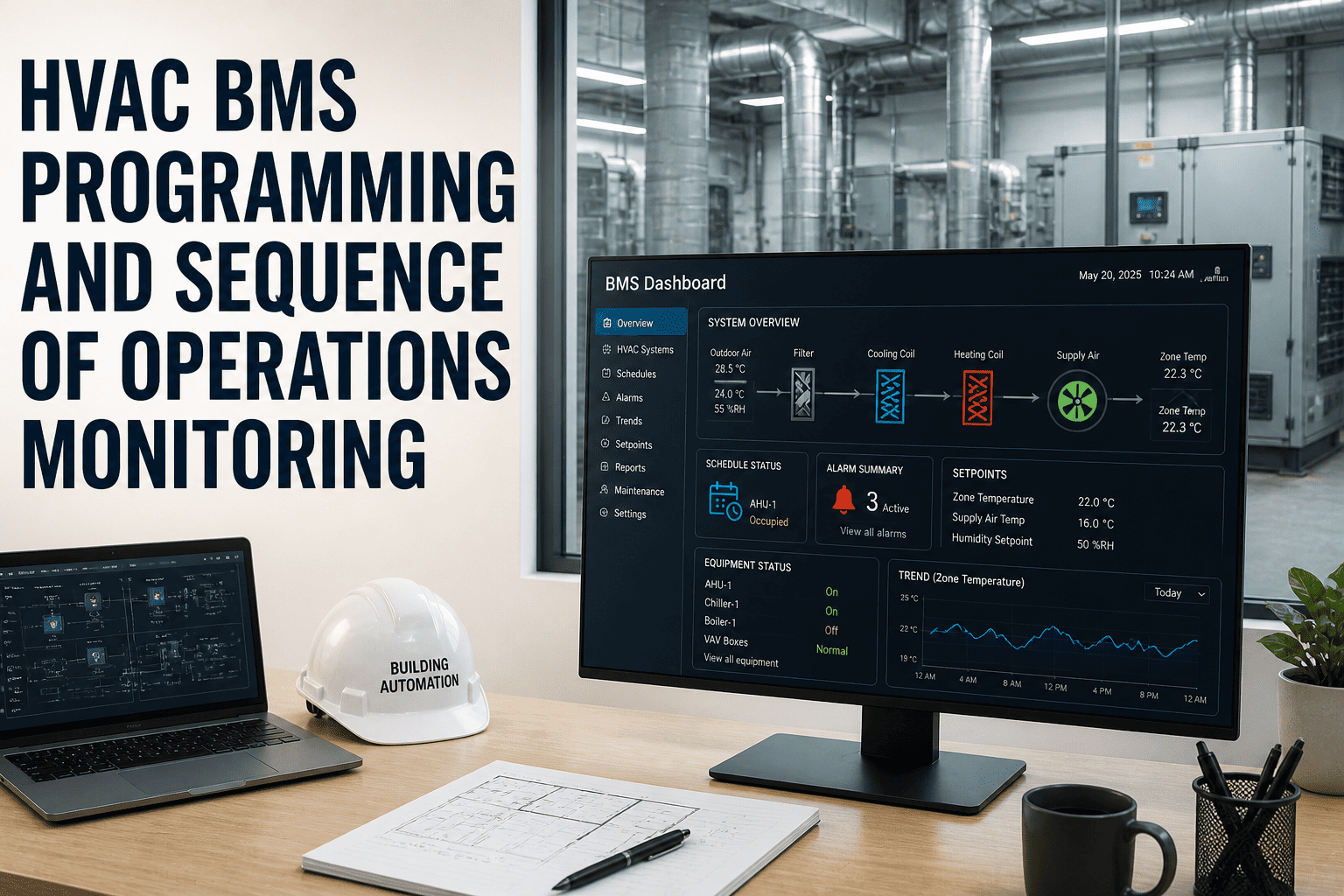
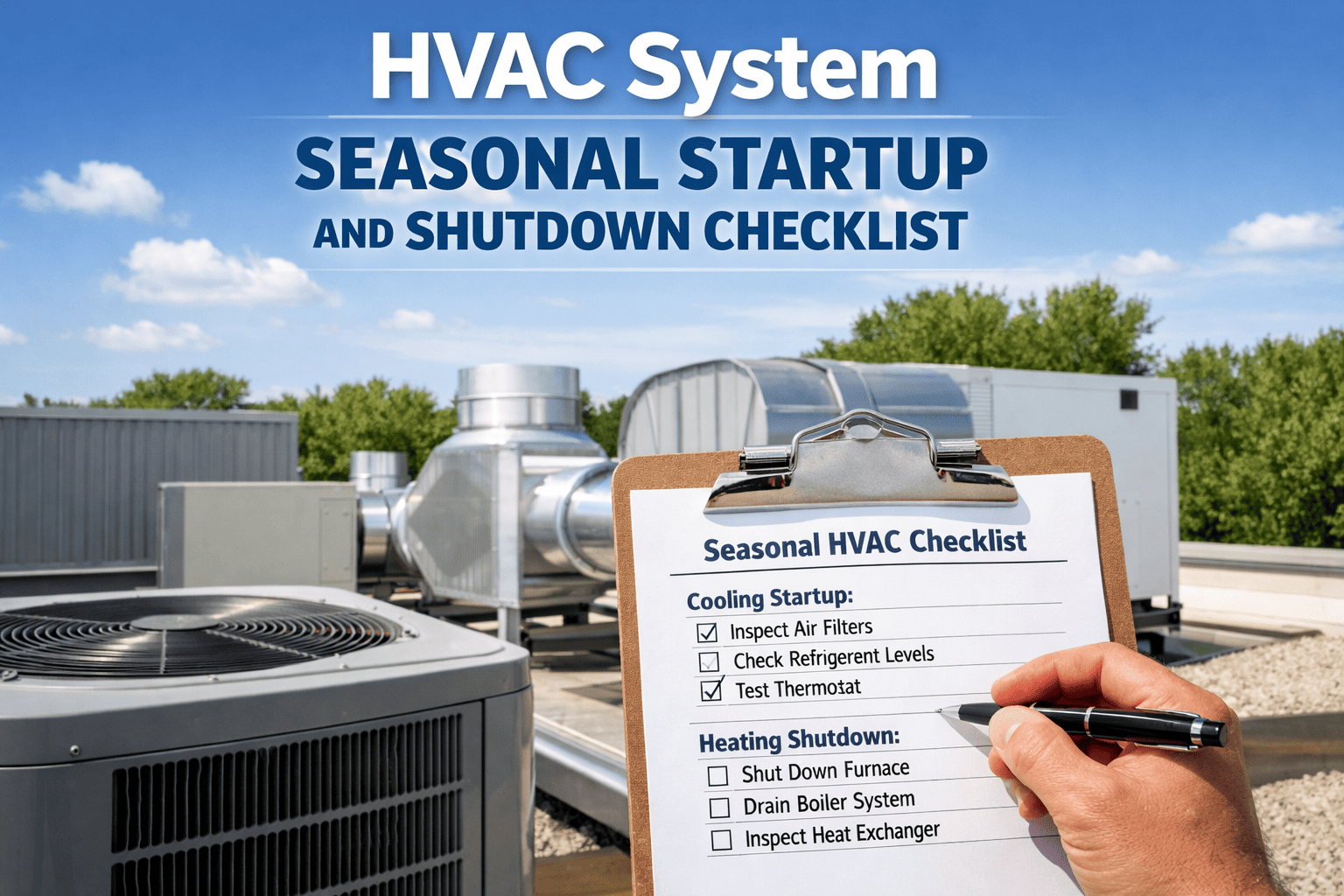
Cooling plant shutdowns that follow inconsistent or incomplete sequences create the conditions for equipment damage, delayed restart, and costly corrective work that a controlled procedure would have prevented entirely. Whether shutting down for seasonal transition, a planned maintenance window, or a scheduled capital project, the steps taken during shutdown determine how cleanly the plant goes offline — and how reliably it returns to service. This checklist is designed for maintenance engineers, facilities operations teams, and HVAC service providers who need a structured, repeatable cooling plant shutdown procedure covering chiller sequencing, pump isolation, valve positioning, controls confirmation, and final system verification. Oxmaint's Sign Up Free platform delivers digital shutdown work instructions to technicians at the equipment with step-by-step task sequencing, completion tracking, and sign-off controls — so nothing in the shutdown sequence is skipped, forgotten, or completed out of order. From chilled water systems to condenser loops and associated controls, uncontrolled cooling plant shutdowns are among the most preventable sources of equipment damage in facility operations. Book a Demo to see how Oxmaint's operations task management tools support safe, documented cooling plant shutdown execution. Use this checklist before every planned cooling plant offline event to confirm full sequence compliance by every technician involved in the shutdown.
1. Pre-Shutdown Coordination & Load Confirmation
Cooling plant shutdowns that begin without confirmed load status, stakeholder notification, and backup plan verification create avoidable service disruptions. Pre-shutdown coordination is not administrative overhead — it is risk control for the building or process the plant serves.
2. Chiller Sequencing & Controlled Shutdown Execution
Chiller shutdown sequence matters. Abrupt chiller shutdowns without proper load ramping, pump runtime confirmation, and refrigerant circuit stabilization create stress on compressor components and controls that appear as premature wear or startup failures.
3. Pump, Valve & Pipe System Isolation
Correct valve positioning and pump isolation following chiller shutdown determines whether the system can be worked on safely and whether it will restart cleanly without water hammer, flow imbalance, or system pressure events.
4. Controls, BAS Confirmation & Electrical Isolation
Cooling plant controls that are not placed in correct shutdown mode or properly handed to the BAS create nuisance alarms, false restart attempts, and unauthorized remote restarts during the shutdown period. Controls confirmation is a non-optional step in any safe plant offline procedure.
5. Post-Shutdown Verification & Restart Readiness Documentation
A cooling plant shutdown is only complete when the offline state is verified, documented, and handed over with clear restart authorization criteria. Post-shutdown verification creates the record that makes restart safe and accountable.