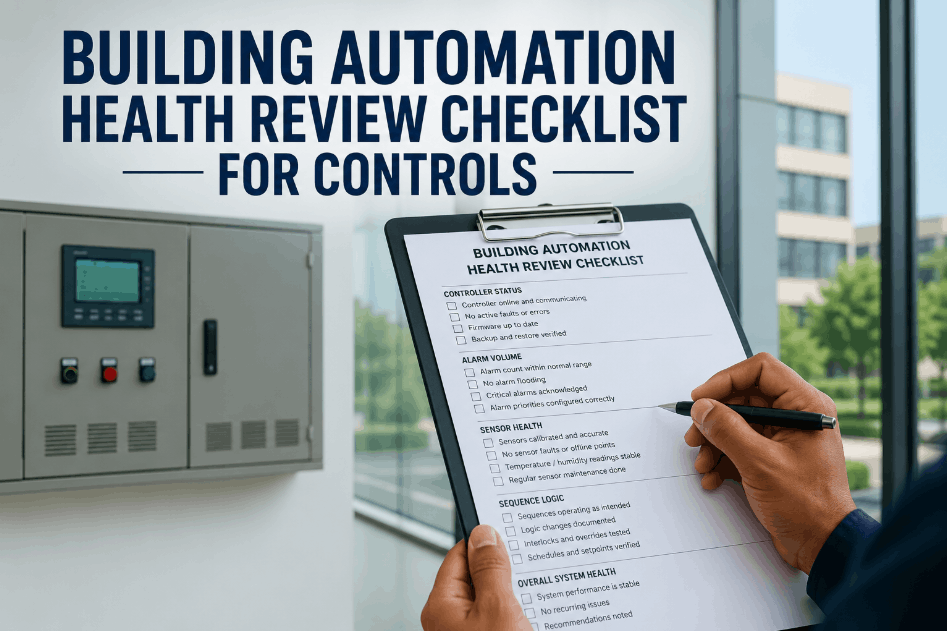
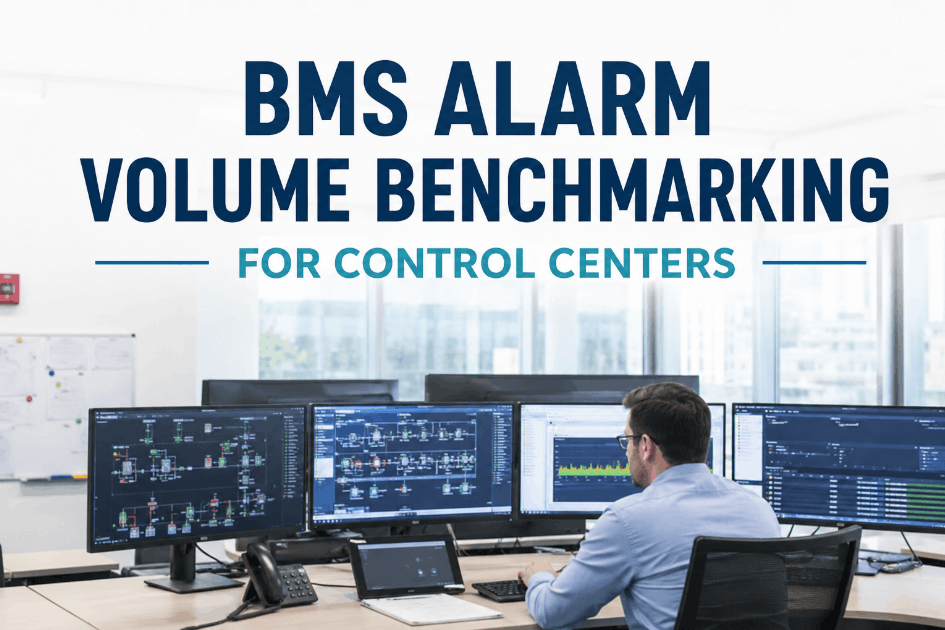
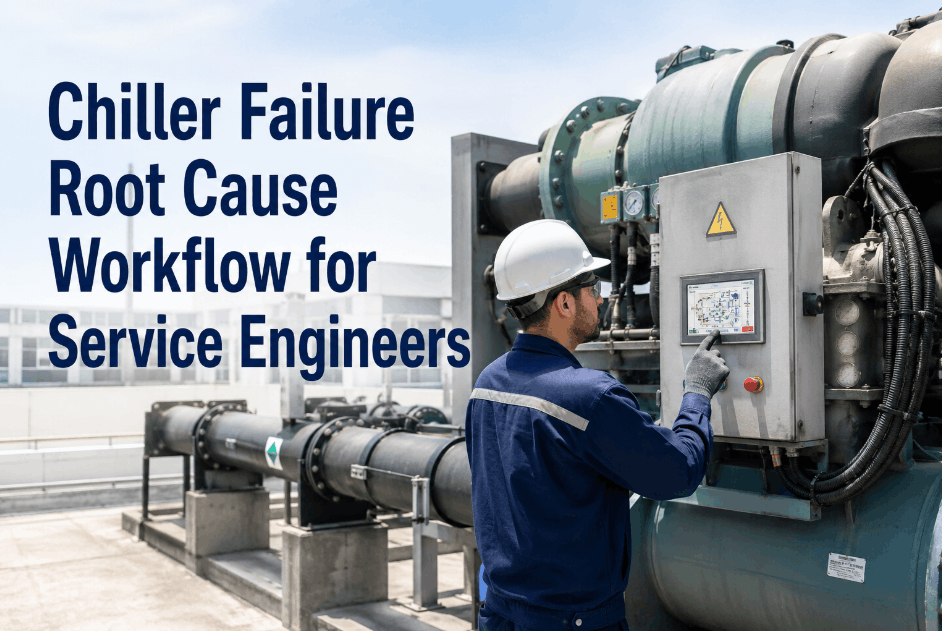
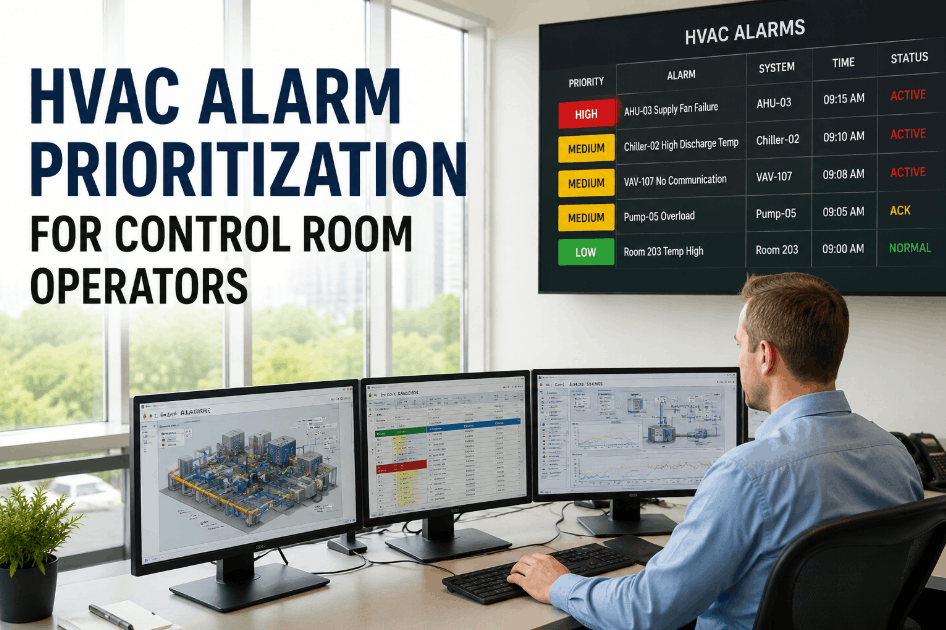
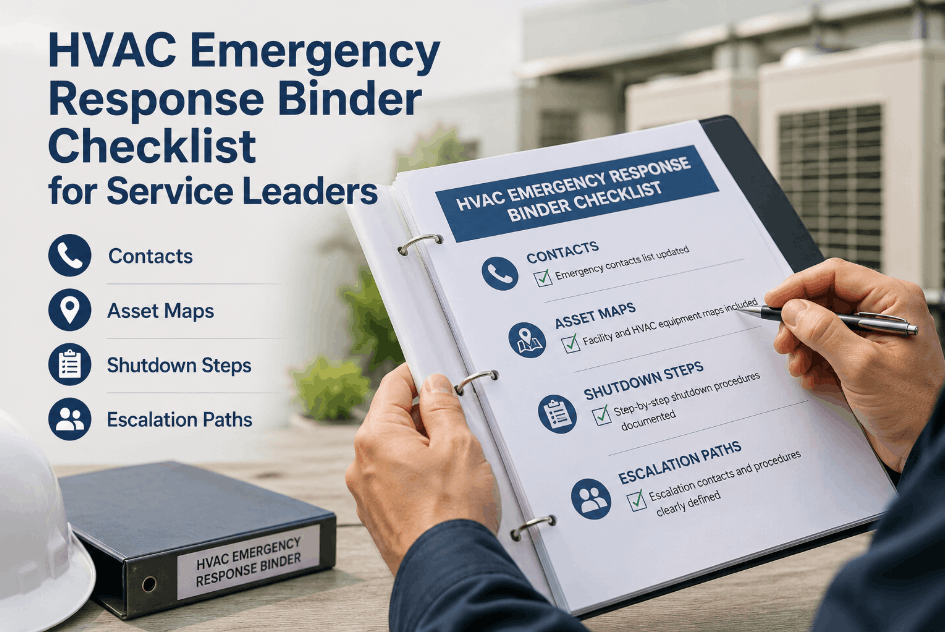
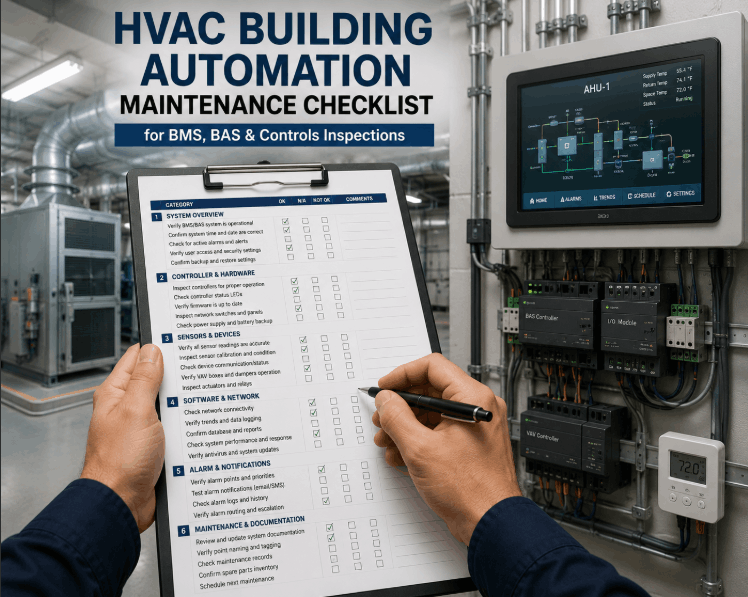
Remote alarm response in building operations fails not because alarms go undetected — but because the process that follows detection is unstructured, ownership is unclear, and the path from alarm notification to verified resolution depends on individual judgment rather than a defined response sequence. When remote alarms fire without a confirmed response owner, cause verification gets deferred, issue escalation happens too late or not at all, and the same fault recurs because the alarm was acknowledged without investigation. For operations center teams, facility managers, and building engineers managing distributed assets across multiple sites, the gap between receiving an alarm and closing the issue with a confirmed fix is where most unplanned equipment failures and compliance gaps originate. Oxmaint's Sign Up Free platform gives building operations teams structured alarm response workflows, mobile work order assignment, and real-time visibility into open alarm events — so every remote alarm is received, triaged, owned, and closed against a documented record rather than managed through informal communication chains. From initial alarm acknowledgment to root cause verification and work order closure, this checklist defines the response sequence your team should execute for every remote alarm event — not just the critical ones. Book a Demo to see how Oxmaint connects remote alarm events to asset records, technician dispatch, and maintenance histories — ensuring no alarm is lost between notification and resolution. Use this checklist to confirm that your alarm response process is structured, assigned, and traceable from first notification to verified closure — before a missed or delayed response results in an extended outage or compliance gap.
1. Alarm Receipt & Initial Triage
Remote alarms that are received without a defined triage sequence produce inconsistent initial responses — some investigated immediately, others deferred until secondary confirmation. Confirm that the first steps of every alarm response are structured and executed against a defined sequence, regardless of alarm source or shift staffing level.
2. Cause Verification & Remote Diagnostic Check
Assigning a technician to a remote alarm without first performing available remote diagnostic checks wastes dispatch time when the cause is resolvable remotely and delays response when dispatch is required. Confirm that remote verification steps are completed before a response action is assigned.
3. Response Ownership Assignment & Dispatch
Remote alarms that are triaged without a named response owner are the most common source of response delays — every person on the team assumes someone else is acting. Confirm that ownership is formally assigned and acknowledged before the triage step is closed, regardless of alarm priority tier.
4. On-Site Investigation & Resolution Documentation
Remote alarm response that closes without documented findings produces no institutional knowledge, no asset history update, and no basis for identifying recurring fault patterns across the portfolio. Confirm that every on-site response produces a documented finding and a verified resolution — not just an alarm acknowledgment and reset.
5. Escalation, Communication & Alarm Event Closure
Alarm response that is technically resolved but not formally communicated and closed leaves the operations center, client stakeholders, and maintenance planning teams without visibility into what occurred, what was done, and what follow-up is required. Confirm that alarm event closure includes escalation confirmation and stakeholder communication as defined steps — not post-incident tasks that get deferred.