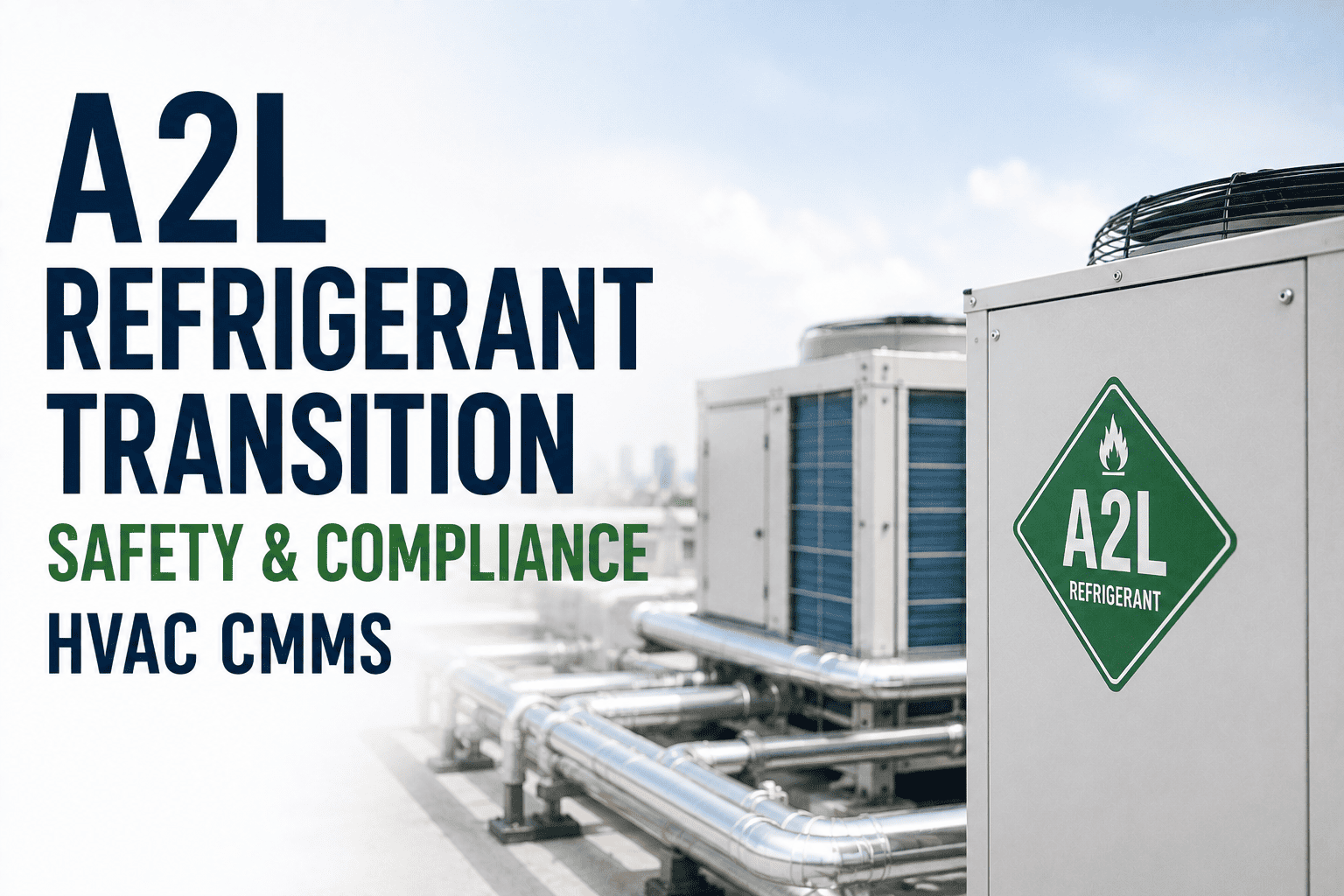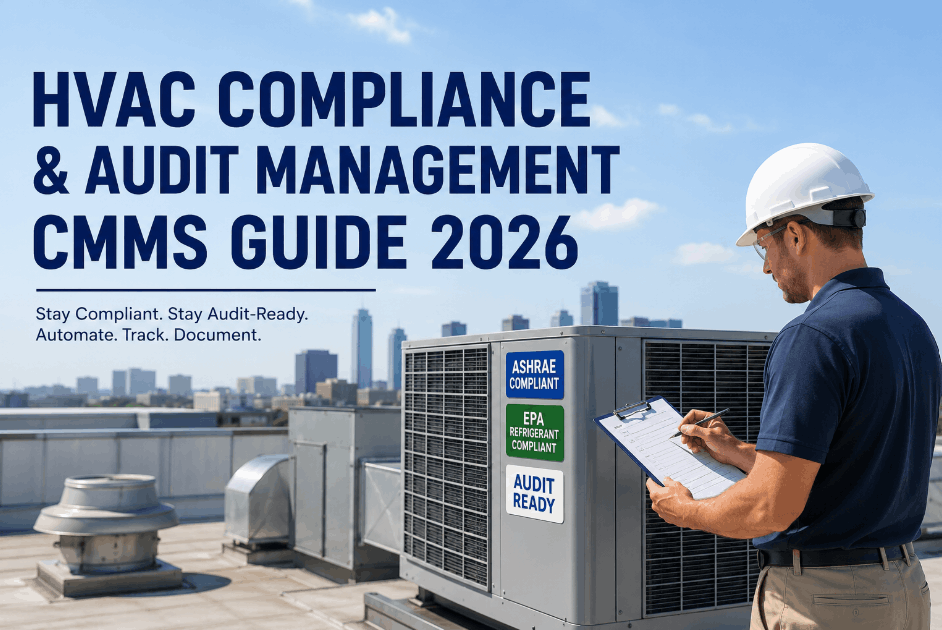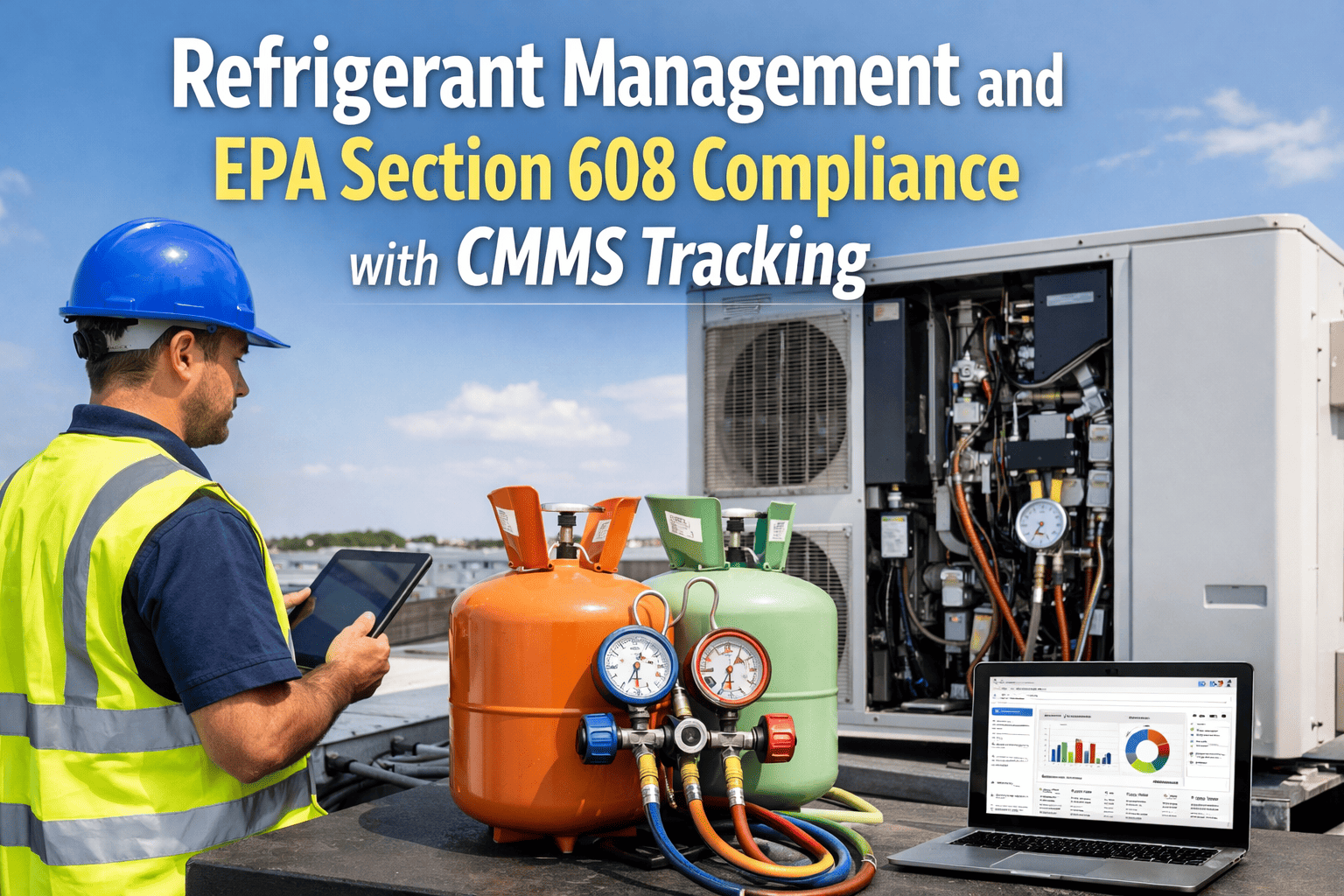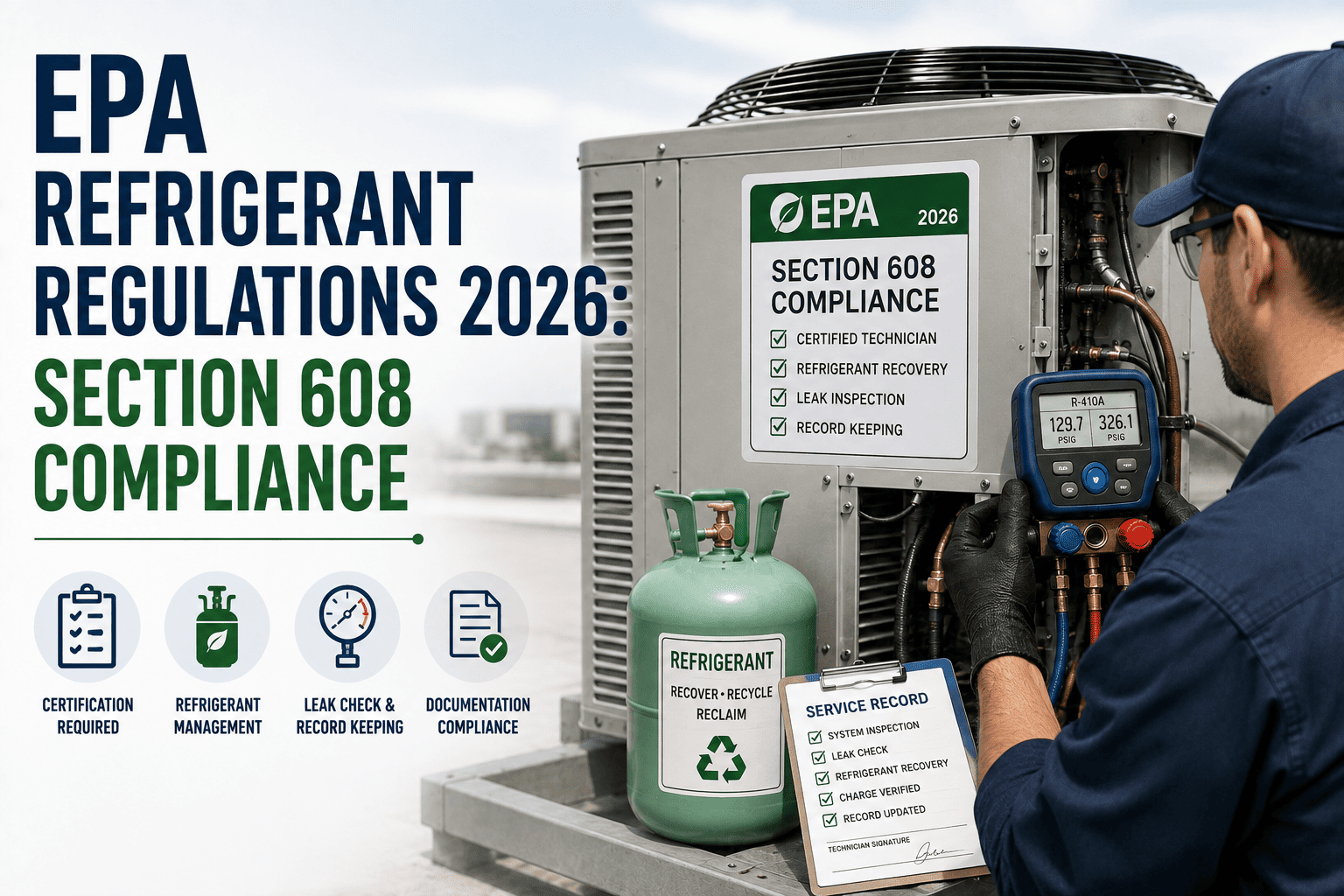
The EPA refrigerant regulations taking effect in 2026 represent the most significant shift in HVAC compliance in over a decade — phasing out high-GWP refrigerants like R-410A, mandating A2L transitions to R-454B and R-32, and tightening Section 608 leak repair requirements. For maintenance and reliability teams, this means every refrigerant-containing asset, service log, and leak inspection must be documented to a new standard of audit-readiness. This guide breaks down the 2026 rule changes, timelines, and compliance steps — and shows how a CMMS built for EPA refrigerant compliance like OxMaint turns regulatory risk into a controlled, automated workflow. You can Start Free Trial today or read on for the full breakdown.
EPA Refrigerant Regulations 2026
Is your maintenance team ready for the 700 GWP limit and R-410A phase-out?
Starting January 1, 2026, EPA Section 608 compliance enters a new era — tighter leak repair thresholds, mandatory A2L refrigerant transitions, and elimination of R-410A in new equipment. Teams still tracking refrigerants on spreadsheets face fines up to $44,539 per day per violation. OxMaint automates the entire compliance lifecycle — from asset-level refrigerant tracking to digital leak inspection logs.
The 2026 Regulatory Landscape
What changes under EPA refrigerant regulations in 2026
The AIM Act amendments and EPA's Technology Transitions Rule under Section 608 reshape four core areas of refrigerant compliance — each carrying direct operational impact for any facility running HVAC, chillers, or refrigeration equipment.
New equipment must use refrigerants at or below 700 GWP, effectively ending R-410A (GWP 2,088) in new systems.
Commercial refrigeration systems leaking 30%+ of charge per year trigger mandatory Section 608 repair deadlines.
R-454B and R-32 (A2L, mildly flammable) replace R-410A — requiring updated safety protocols and technician training.
EPA Section 608 requires refrigerant service logs, leak inspections, and disposal records kept for minimum 3 years.
Refrigerant Transition Guide
R-410A phase-out timeline and A2L transition milestones
The EPA's phasedown schedule isn't a single deadline — it's a multi-year ramp that affects equipment purchasing, service contracts, and maintenance budgets starting now.
Preparation & Equipment Conversion
Manufacturers finalize R-454B and R-32 system designs. Maintenance teams should inventory all R-410A assets, train technicians on A2L safety, and update service-tool inventories for mildly flammable refrigerants.
700 GWP Limit Takes Effect
New residential and light commercial HVAC equipment must use refrigerants below 700 GWP. R-410A is prohibited in newly manufactured systems. Existing R-410A systems may continue operating and being serviced.
Section 608 Leak Repair Enforcement
EPA tightens leak inspection frequency for systems with 50+ lbs charge. Quarterly inspections required for chronic leakers; documentation must include refrigerant type, amount added, repair method, and technician certification ID.
R-410A Production Phasedown Reaches 85%
HFC production rights shrink to 15% of baseline. R-410A reclaim and recycle becomes critical as virgin refrigerant costs surge. Teams need asset-level refrigerant tracking to prioritize conversions by leak rate and age.
Section 608 Compliance Checklist
EPA 608 leak repair and documentation requirements
A 180-asset commercial facility spending $42K/yr on refrigerant top-offs without digital logging is a compliance time bomb. Here's what Section 608 actually requires — and what each work order must capture.
Leak Inspection Scheduling
- Systems 50–500 lbs: annual inspection if leak rate exceeds threshold
- Systems 500+ lbs: leak inspection every 3 months until repaired
- Document method: electronic, bubble, ultrasonic, or pressure-decay
Repair Deadline Tracking
- Repairs must be completed within 30 days of leak detection
- Follow-up verification test required within 14 days post-repair
- If repair fails, document second attempt or mothball/dispose plan
Refrigerant Service Logging
- Record refrigerant type, lbs added, lbs reclaimed per service event
- Technician name, certification number, and certification type
- Date, equipment ID, and leak location (if identified)
Records Retention & Audit Readiness
- Maintain all service logs for minimum 3 years (EPA can request anytime)
- Refrigerant purchase and disposal records linked to specific assets
- System disposal or retrofit documentation with refrigerant recovery amounts
CMMS for EPA Refrigerant Compliance
How OxMaint helps: refrigerant compliance, automated
A purpose-built EPA refrigerant CMMS eliminates the spreadsheet chaos that causes 60% of compliance violations — missed inspection deadlines, incomplete service logs, and undocumented leak repairs.
Asset-Level Refrigerant Tracking
Tag every chiller, RTU, and refrigeration unit with refrigerant type, charge capacity, GWP, and A2L classification. OxMaint auto-flags assets approaching phase-out deadlines — so your 2026 conversion plan is data-driven, not reactive.
Outcome: 100% asset-level refrigerant visibility in one dashboardAutomated Leak Inspection Scheduling
OxMaint generates preventive maintenance work orders for quarterly and annual Section 608 leak inspections based on system charge size and historical leak rate. Technicians complete digital checklists on mobile — no paper, no missed deadlines.
Outcome: Eliminate missed inspection penalties (up to $44K/day)Digital Section 608 Service Logs
Every refrigerant work order auto-captures technician certification ID, lbs added/reclaimed, leak location, repair date, and verification test result. Export an audit-ready report in seconds — 3-year retention handled automatically in the cloud.
Outcome: Audit prep drops from 3 days to 3 minutesPredictive Leak Detection
OxMaint's AI analyzes refrigerant top-off frequency, runtime hours, and vibration data to predict which systems will breach Section 608 leak thresholds — letting you prioritize repairs before they become EPA-reportable events.
Outcome: Cut refrigerant spend 25–40% with early interventionR-410A vs R-454B vs R-32
Refrigerant comparison: what maintenance teams need to know
The A2L transition isn't just a chemical swap — it changes safety procedures, service tools, and storage requirements. Here's how the three dominant refrigerants compare for compliance planning.
| Property | R-410A (Phasing Out) | R-454B (A2L Replacement) | R-32 (A2L Alternative) |
|---|---|---|---|
| GWP Value | 2,088 | 466 | 675 |
| Safety Class | A1 (Non-flammable) | A2L (Mildly flammable) | A2L (Mildly flammable) |
| 2026 Compliant | No (new equipment) | Yes | Yes |
| Service Tool Changes | Standard | Updated for A2L | Updated for A2L |
| Leak Detection Required | Per 608 thresholds | Yes + A2L detectors | Yes + A2L detectors |
Worked Example
A 220,000 sq ft hospital campus running 14 chillers (R-410A, total charge 1,200 lbs) leaks 8% of charge annually — below the 30% threshold but costing $31K/yr in top-offs. By migrating to OxMaint, the facility tags each chiller with charge data, schedules quarterly leak inspections automatically, and uses AI predictive analytics to identify two units with rising leak trends. Early repair saves $18K in refrigerant costs and avoids a threshold breach that would trigger EPA reporting.
Don't let 2026 catch your team on spreadsheets
See how OxMaint automates EPA Section 608 compliance — refrigerant tracking, leak inspection scheduling, and audit-ready service logs in one platform.
Frequently Asked Questions
EPA refrigerant regulations 2026: common questions
When does the R-410A phase-out officially start?
January 1, 2026 is the effective date for the 700 GWP limit under the EPA Technology Transitions Rule. New HVAC equipment manufactured after this date cannot use R-410A. Existing R-410A systems may continue operating and being serviced with reclaimed refrigerant, but maintenance teams should begin conversion planning now. Book a demo at calendly.com/oxmaintapp/30min to see how OxMaint prioritizes assets for conversion.
What is the EPA Section 608 leak repair threshold?
Section 608 requires leak repair when commercial refrigeration systems leak 30% or more of their full charge per year (for systems with 50+ lbs charge). Industrial process refrigeration has a 20% threshold, and comfort cooling a 15% threshold. Once triggered, repairs must be completed within 30 days and verified within 14 days after.
Do A2L refrigerants like R-454B require different maintenance procedures?
Yes. R-454B and R-32 are classified A2L (mildly flammable), requiring updated safety protocols including A2L-rated leak detectors, restricted ignition sources in mechanical rooms, modified service tools, and technician training on flammable refrigerant handling. Your CMMS should tag A2L assets separately so work orders include the correct safety checklist.
How long must EPA refrigerant service records be retained?
EPA Section 608 requires refrigerant service logs, leak inspection records, and disposal documentation to be retained for a minimum of 3 years. Records must include refrigerant type, amount added or reclaimed, technician certification number, equipment ID, and leak repair details. Digital records stored in a CMMS like OxMaint satisfy this requirement automatically.
Can a CMMS help with EPA refrigerant compliance?
Absolutely. An EPA refrigerant CMMS like OxMaint tracks refrigerant type and charge per asset, auto-schedules Section 608 leak inspections, captures technician certification IDs on every work order, and stores 3+ years of service logs in the cloud. This eliminates paper-based tracking, prevents missed inspection deadlines, and produces audit-ready reports in seconds. Start a free trial at app.oxmaint.ai.
Automate your EPA refrigerant compliance before 2026
Join maintenance teams using OxMaint to track refrigerants, automate leak inspections, and stay audit-ready — all in one AI-powered CMMS.
Free 14-day trial · No credit card