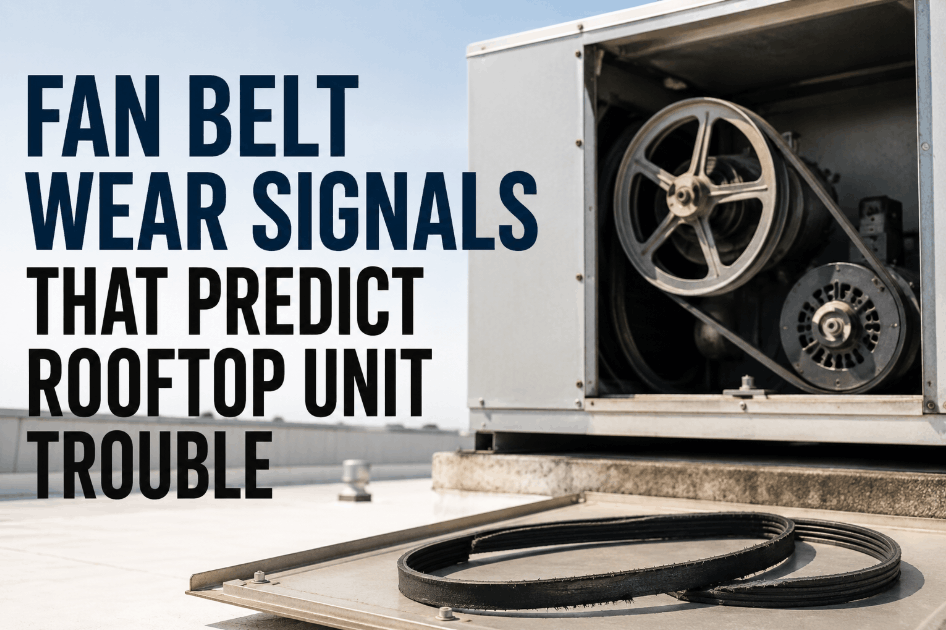
Fan belt wear is one of the earliest and most reliable indicators that a rooftop unit is heading toward a breakdown. By the time a belt snaps, the damage has usually already spread — to bearings, motors, and airflow systems that were stressed under a failing drive. Sign Up Free on Oxmaint and start logging rooftop unit inspections, belt condition records, and vibration findings in a centralized CMMS that tracks wear progression before it becomes a service call. Facilities teams that catch belt wear signals early eliminate unplanned downtime, protect equipment longevity, and reduce emergency repair costs across their RTU portfolio. Book a Demo to see how Oxmaint helps maintenance teams monitor asset health trends on rooftop units site-wide.
Why Fan Belt Wear Predicts Rooftop Unit Failure
Rooftop units depend on drive belts to transfer motor power to the fan assembly. As belts wear, they introduce vibration, reduce airflow efficiency, and place compounding stress on adjacent components. The failure chain — belt degradation, bearing wear, motor strain, airflow loss — moves faster than most inspection cycles catch when teams rely on visual checks alone. Oxmaint enables maintenance teams to log quantitative belt condition data at every PM visit so wear trends are visible across the equipment lifecycle, not just at the moment of failure. Sign Up Free to build an inspection history that actually predicts RTU trouble.
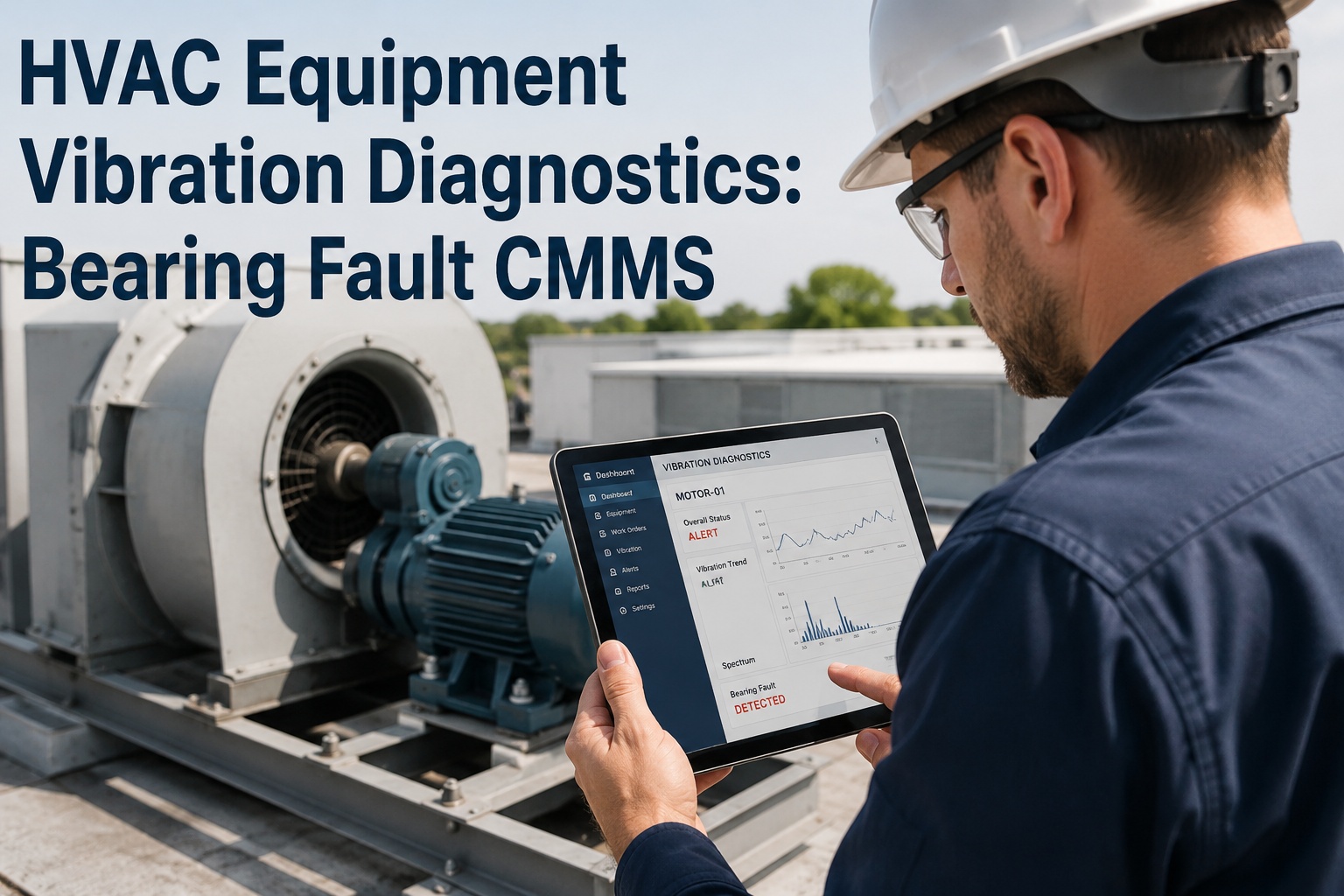
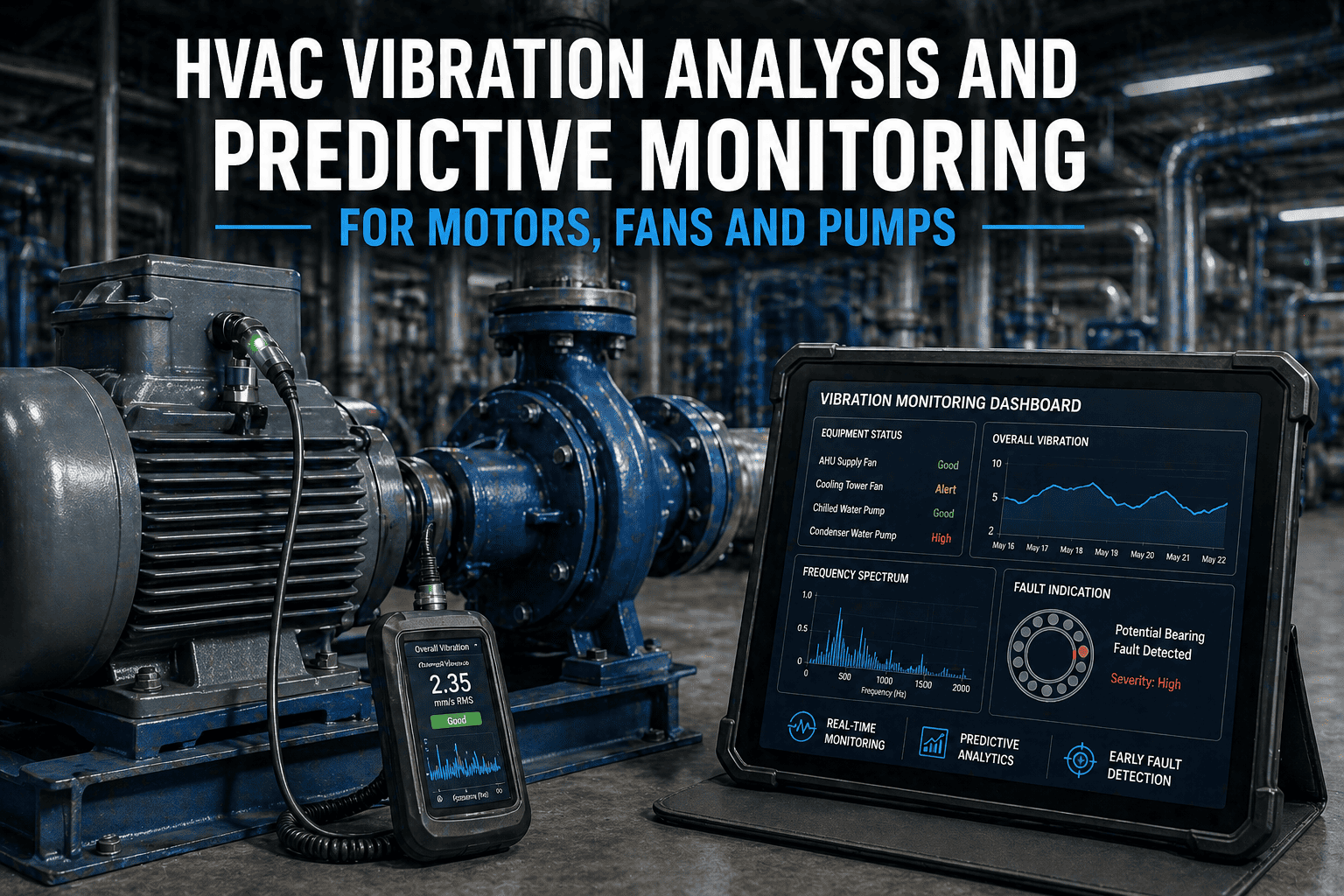
A worn or misaligned belt creates rhythmic vibration that transfers through the fan shaft and housing. Technicians should log vibration readings at each inspection — progressive increases between visits are the earliest quantifiable warning that belt condition is degrading.
Slippage occurs when a stretched or glazed belt loses grip on the drive pulley. Audible squealing during startup, reduced fan RPM relative to motor speed, and visible glazing on the belt surface are field-identifiable indicators that replacement is approaching.
Belt tension outside manufacturer specification — too loose or overtightened — accelerates wear on both the belt and bearing assembly. Tension should be measured and logged at every PM visit, with readings compared against the equipment's acceptable range documented in Oxmaint's asset profile.
Cracking on the belt's outer surface or fraying along the edges signals material fatigue. These conditions appear before total belt failure and are the primary visual indicator that drive belt replacement should be scheduled — not deferred to the next seasonal PM cycle.
When drive and driven pulleys are misaligned, uneven belt wear accelerates belt life consumption and increases bearing stress. Alignment checks should be part of every RTU inspection protocol — logged with pass/fail status in Oxmaint so recurring misalignment is flagged as a systemic issue, not a one-time finding.
A slipping or failing belt reduces fan speed, which directly reduces supply airflow to conditioned spaces. When comfort complaints and airflow measurements don't match system design specifications, belt condition should be checked before assuming refrigerant or controls issues.
Fan Belt Inspection Checklist for Rooftop Units
Standardizing belt inspection scope across your RTU fleet eliminates the inconsistency that lets wear signals go undetected between service visits. Book a Demo to see how Oxmaint's digital inspection forms guide technicians through structured RTU checks and capture findings against each asset record.
| Inspection Item | What to Check | Frequency | Action Threshold |
|---|---|---|---|
| Belt Tension | Measure deflection against manufacturer spec | Every PM visit | Outside ±10% of spec range |
| Surface Condition | Visual check for cracks, glazing, fraying | Every PM visit | Any visible cracking or edge fraying |
| Pulley Alignment | Straight-edge or laser check across pulleys | Every PM visit | Misalignment exceeding 1/16 inch |
| Vibration Reading | Log vibration at motor and fan bearing | Every PM visit | Trend increase >15% from baseline |
| Belt Slip Check | Compare motor RPM vs fan RPM under load | Seasonal start-up | Fan speed >5% below motor speed |
| Pulley Wear | Inspect groove wear and edge sharpness | Annually | Groove depth loss or sharp edges |
How Oxmaint Helps Teams Catch Belt Wear Before RTU Failure
Build RTU Asset Profiles with Belt Specifications
Register each rooftop unit in Oxmaint with manufacturer belt type, tension specification, and replacement interval. Technicians accessing the asset profile during inspection have the reference data they need — eliminating guesswork on tension targets and belt specifications in the field.
Deploy Standardized Belt Inspection Forms
Oxmaint's digital inspection forms guide technicians through structured RTU belt checks — tension readings, alignment status, surface condition scores — and attach findings directly to the asset record. Every inspection produces logged, comparable data rather than paper notes.
Track Wear Trend Data Across Inspection History
Oxmaint's asset history view surfaces belt inspection findings across visits so maintenance supervisors can identify progressive wear trends before threshold conditions are reached. Trend visibility replaces reactive replacement with scheduled intervention timed to actual belt condition.
Auto-Generate Work Orders at Wear Thresholds
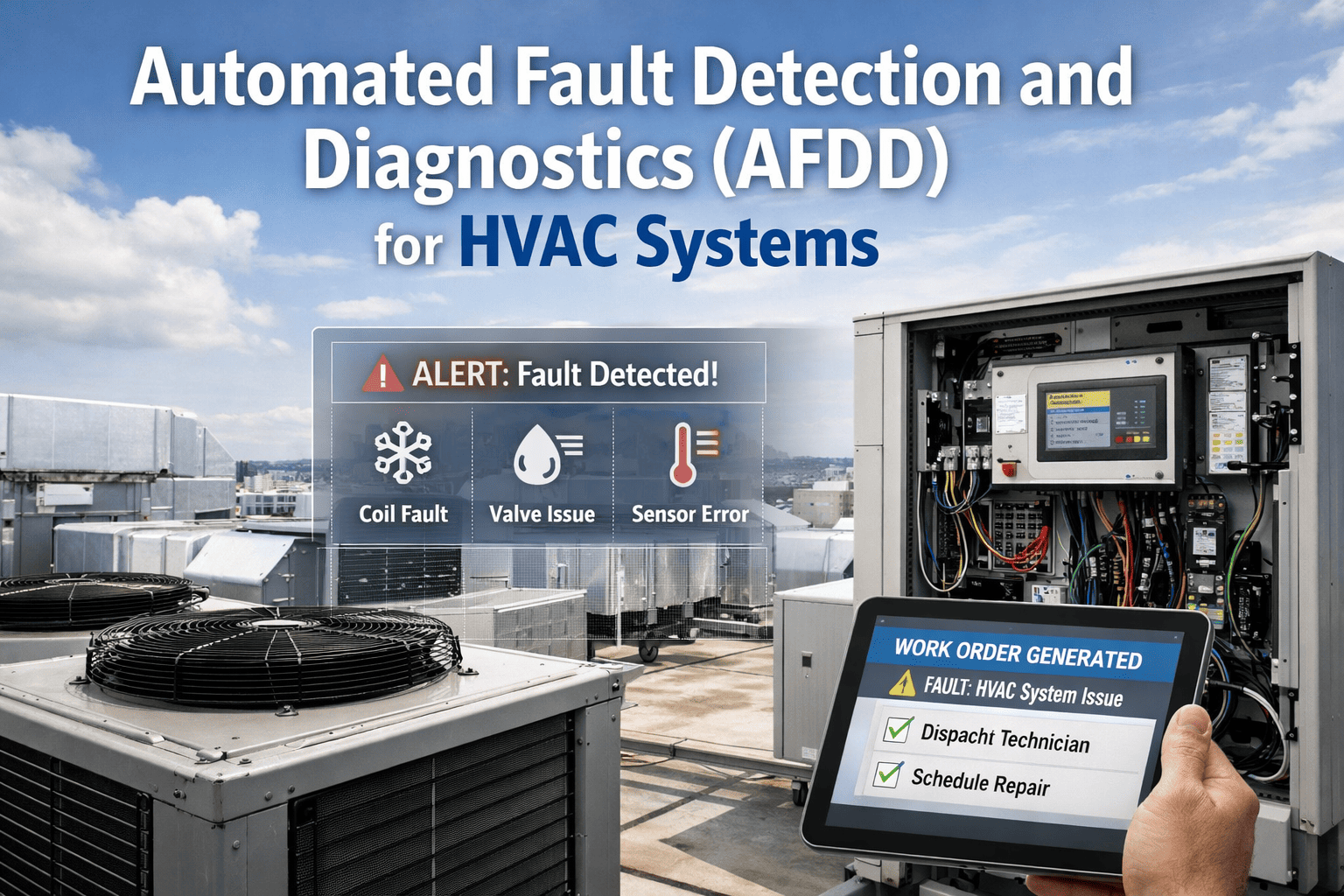
When technicians log findings that meet replacement criteria, Oxmaint creates work orders automatically — routing belt replacement tasks to the right technician with the asset context, parts needed, and priority already defined. No manual dispatch, no deferred follow-up.
Report on RTU Belt Replacement Frequency by Site
Oxmaint's maintenance reporting identifies which sites and units require the most frequent belt replacements — surfacing installation quality issues, environmental factors, or operating condition problems that are accelerating belt wear beyond expected service intervals.