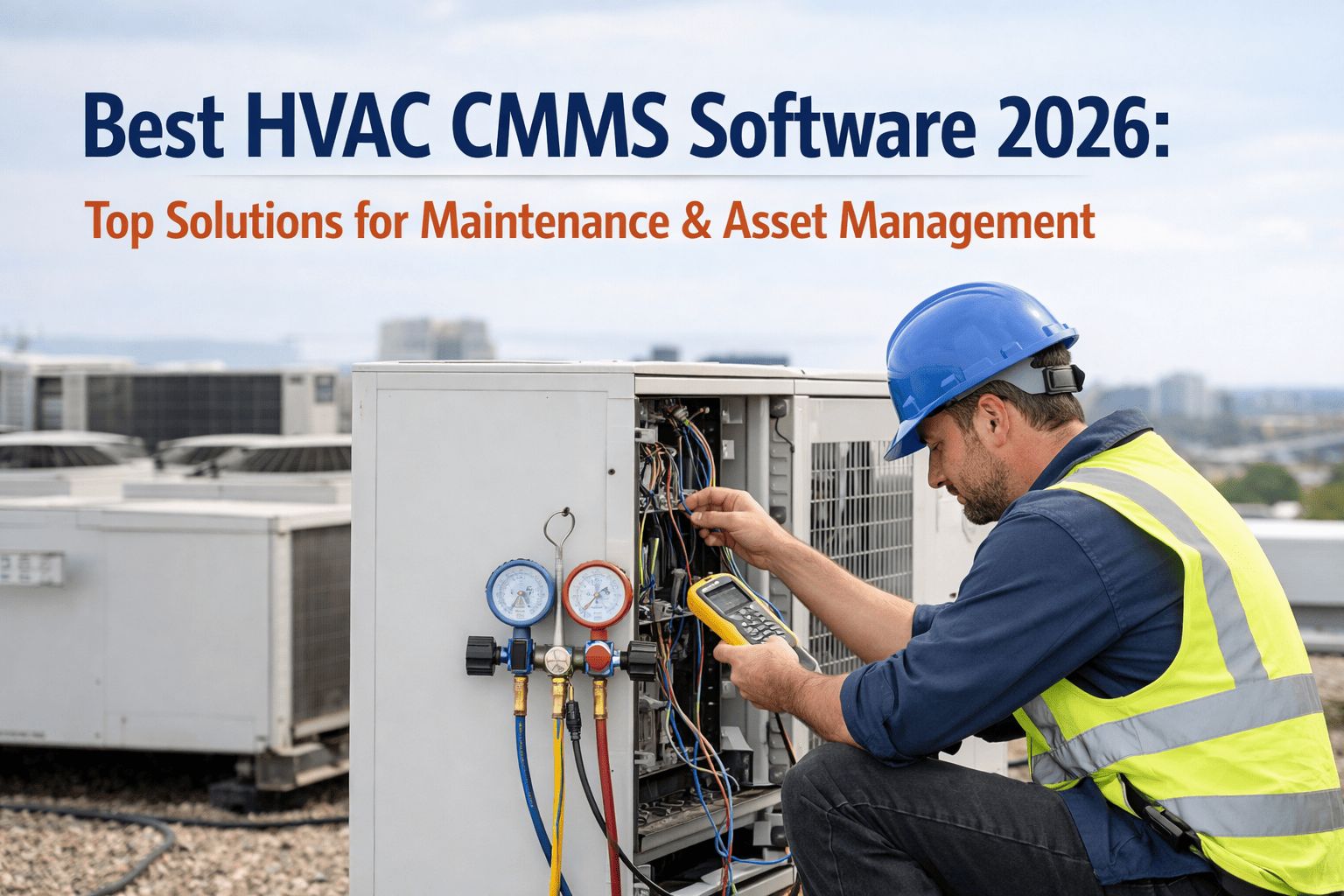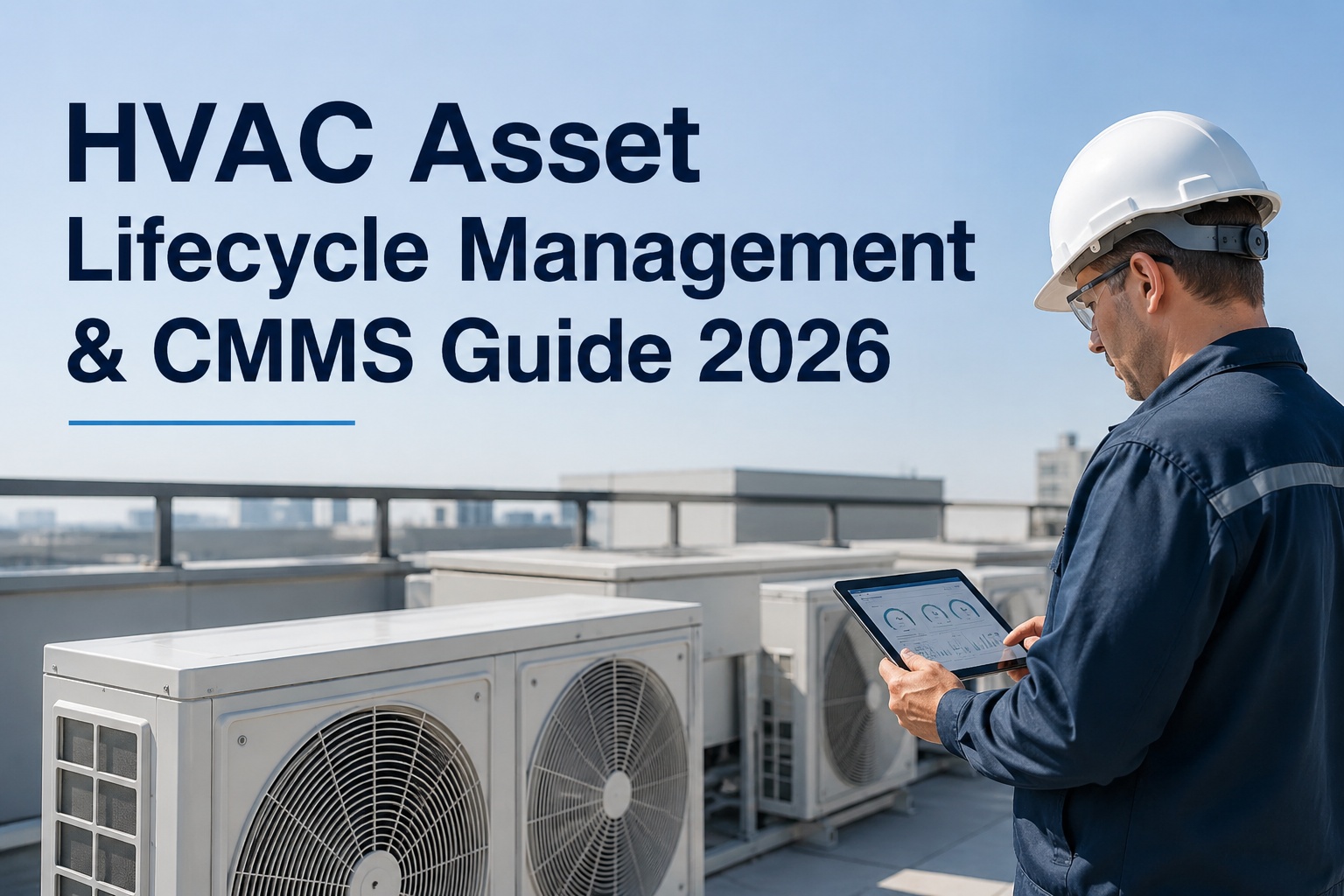
HVAC asset lifecycle management is the structured process of tracking every heating, ventilation and air-conditioning asset from acquisition through installation, operation, maintenance, and eventual decommissioning — and a modern CMMS is what makes that tracking possible at scale. In 2026, rising energy costs and persistent labor shortages mean that facility and reliability teams can no longer afford to run HVAC equipment to failure. This HVAC lifecycle guide for 2026 breaks down how to calculate lifecycle costs, optimize replacement timing, and use predictive analytics to extend useful life. By migrating from reactive spreadsheets to an AI-powered platform like OxMaint, teams typically cut unplanned downtime by 30–50%. Ready to modernize your maintenance workflow? You can Start Free Trial today or book a tailored demo to see it on your own assets.
Is Your HVAC Equipment Bleeding Budget Before End-of-Life?
Managing hundreds of HVAC assets without lifecycle visibility leads to premature replacements, emergency repair premiums, and wasted capital. Take control of your equipment's entire lifecycle — from day-one commissioning to decommissioning — with a CMMS built for predictive asset management.
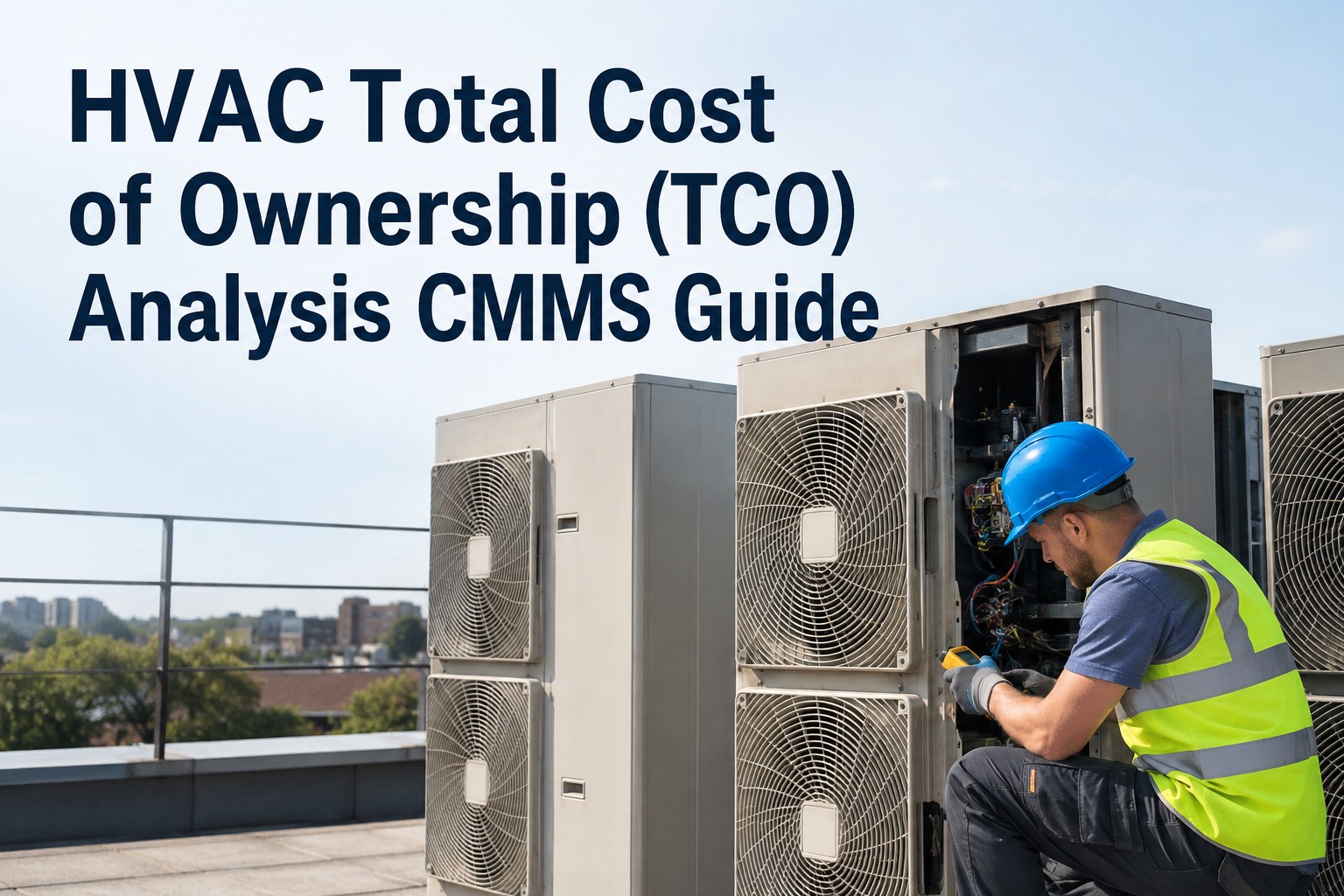
How to Calculate HVAC Lifecycle Costs (With Formula)
Accurate HVAC capital planning depends on understanding the Total Cost of Ownership (TCO) over an asset's entire useful life — not just the initial purchase price. Organizations that actively track lifecycle cost HVAC data typically reduce their long-term capital expenditures by 12–18%.
Real-World Example: A 180-Asset Commercial Facility
Consider a 180-asset commercial plant relying on spreadsheet-based tracking. They spend approximately $42,000 annually on reactive HVAC repairs and premature component replacements. By implementing a CMMS for HVAC asset lifecycle management, they transition to condition-based monitoring — shifting 65% of emergency work orders to planned preventive tasks. The result: a $28,000 reduction in annual maintenance spend and a 22% extension in average compressor life, achieving full software payback in under 4 months.
The 5-Phase HVAC Asset Lifecycle Guide
Moving from reactive firefighting to proactive lifecycle management requires a structured, phased approach. Here is the standard 5-phase timeline for implementing asset management HVAC CMMS protocols in 2026.
Procurement & Specification
Define efficiency standards (e.g., SEER2, IEER) and lifecycle expectations before purchase. Record baseline asset metadata, warranty terms, and OEM specifications directly into the CMMS asset registry to eliminate future data silos.
Installation & Baseline Tracking
Verify installation against design intent. Establish performance baselines for vibration, temperature differentials, and power draw. Tag equipment with QR/barcode labels to bridge the physical-to-digital gap for mobile technicians.
Preventive & Predictive Maintenance
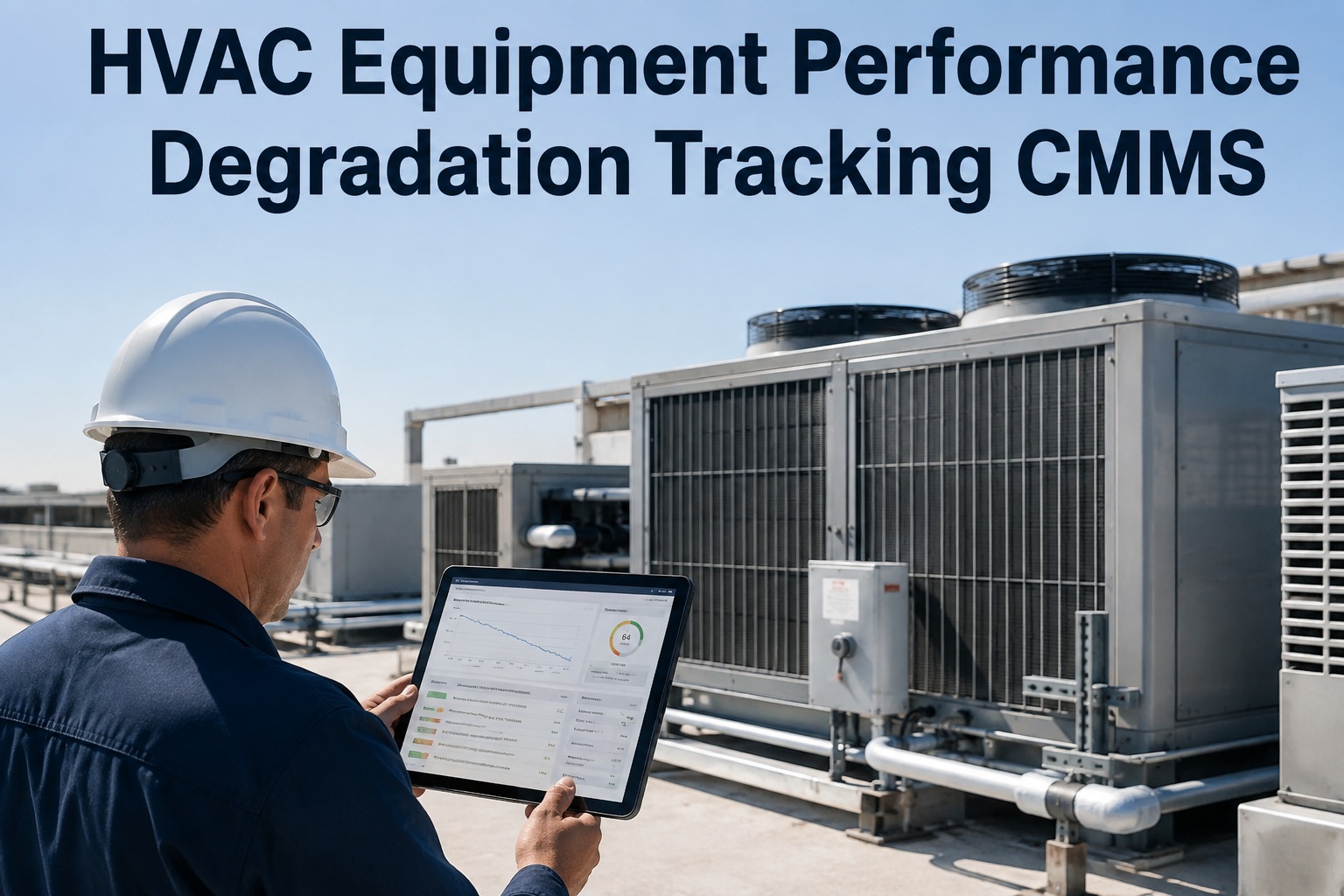
Trigger automated PM schedules based on runtime hours or calendar days. Move beyond preventive to predictive maintenance by integrating IoT sensor data (vibration, refrigerant pressure) to catch degradation weeks before failure.
Performance & Efficiency Tuning
Analyze maintenance analytics to identify repeat offenders (bad actors). Optimize spare parts inventory to reduce carrying costs while ensuring 95% first-time fix rates. Refine PM frequencies to eliminate over-maintenance.
Replacement & Disposal Planning
When repair costs exceed 50% of replacement cost, or energy efficiency drops below acceptable thresholds, trigger capital replacement workflows. Archive full lifecycle history to inform future procurement decisions.
Stop Managing Failtures. Start Managing Asset Lifecycles.
See exactly how OxMaint's AI-powered CMMS streamlines HVAC lifecycle tracking, reduces downtime, and extends equipment life. Book a 30-minute demo tailored to your facility's assets.
HVAC Lifecycle Cost & Replacement Timing Table
Knowing when to repair versus when to replace is the most critical decision in HVAC capital planning. Use this benchmark table — derived from industry standards and facility management audits — to guide your replacement thresholds.
| Asset Type | Avg Useful Life | Repair Cost Threshold | Replacement Trigger | Annual Maint. Cost |
|---|---|---|---|---|
| Rooftop Unit (RTU) | 15–20 Years | >$3,500 per event | Compressor 2nd failure | $1,200–$2,500 |
| Chiller System | 20–25 Years | >$8,000 per event | Efficiency drops 15%+ | $4,000–$8,000 |
| Boiler (Commercial) | 20–30 Years | >$4,500 per event | Heat exchanger failure | $1,500–$3,000 |
| Air Handling Unit (AHU) | 20–25 Years | >$3,000 per event | Cumulative downtime 48h+ | $1,000–$2,200 |
How OxMaint Solves HVAC Asset Lifecycle Management
OxMaint is an AI-powered CMMS and Enterprise Asset Management (EAM) platform built to eliminate spreadsheet chaos and unplanned downtime. Here is how OxMaint maps directly to your HVAC lifecycle challenges — delivering measurable ROI from day one.
AI-Powered Predictive Maintenance
Stop reacting to catastrophic failures. OxMaint analyzes work order history and sensor patterns to predict component degradation weeks in advance, shifting 65% of emergency calls to planned work.
Outcome: Cut unplanned downtime 30–50%Centralized Asset Registry
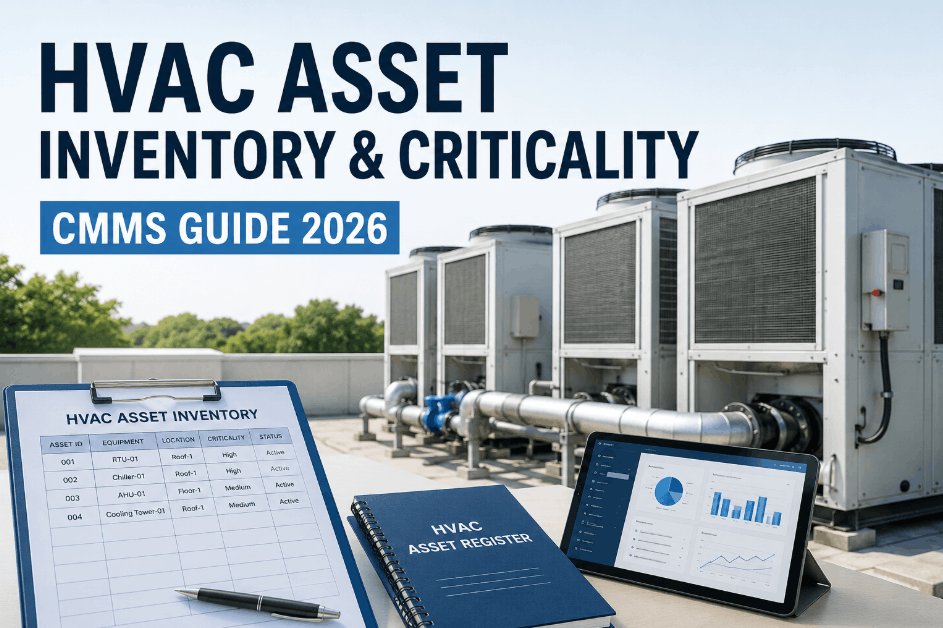
Replace fragile spreadsheets with a secure, digital twin of every HVAC asset. Track warranties, manuals, OEM specs, and real-time status. QR codes link field technicians instantly to complete asset histories.
Outcome: Eliminate lost paper work ordersSmart Spare Parts Inventory
Avoid the 3-day wait for compressor parts. OxMaint automatically adjusts safety stock based on seasonal failure rates and historical usage, ensuring critical spares are always available without over-capitalizing inventory.
Outcome: 95% first-time fix rateMaintenance Analytics & Capital Planning
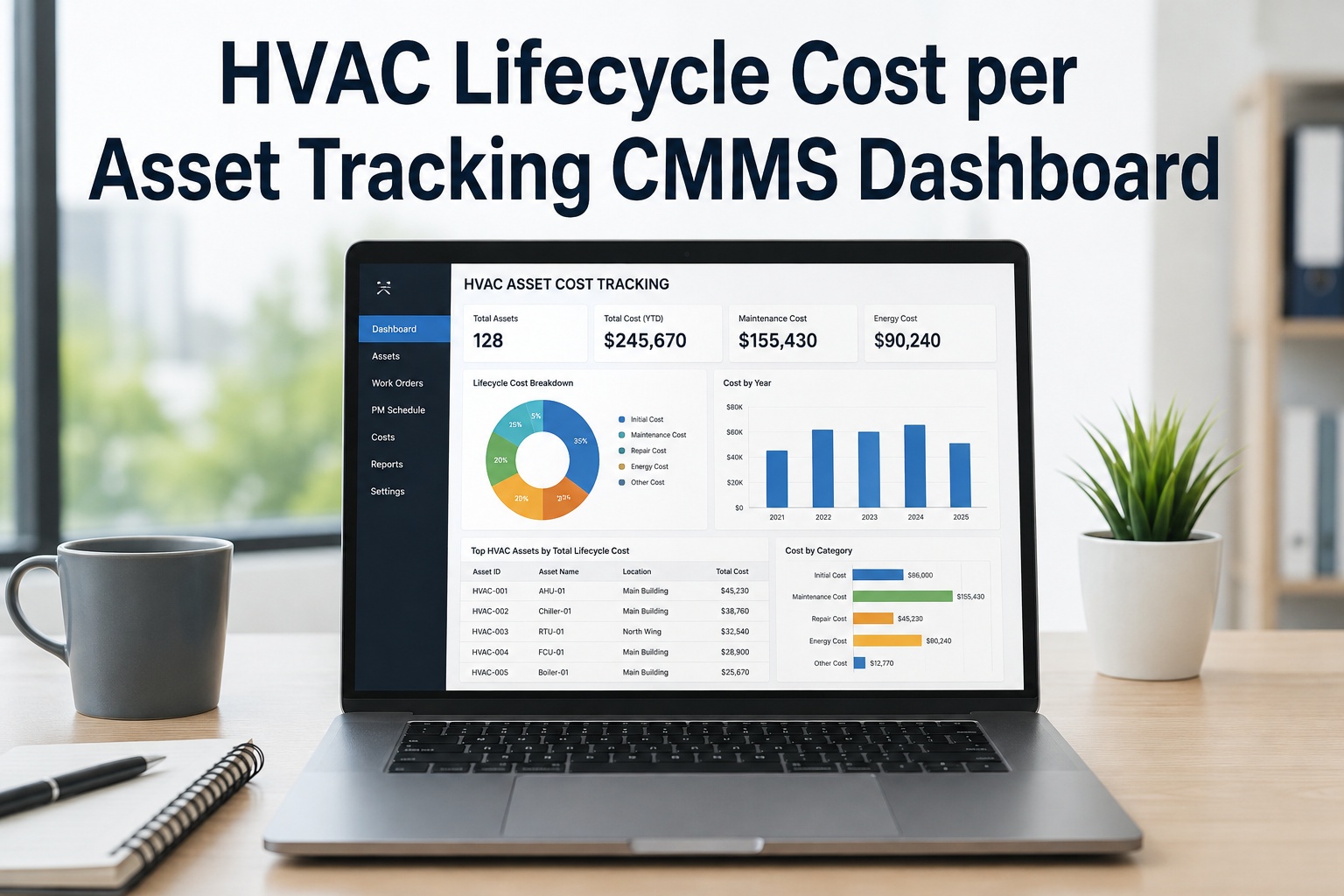
Justify capital expenditure with hard data. OxMaint's dashboards visualize lifecycle cost trends, bad-actor assets, and replacement ROI forecasts, giving maintenance managers the ammunition to secure budget approval.
Outcome: Data-driven capital budget approvalsWhat Reliability Leaders Say About OxMaint
"We transitioned 240 HVAC assets from paper logs to OxMaint in under two weeks. Within the first quarter, our emergency repair calls dropped by 38%. The predictive PM scheduling alone paid for the software."
"The capital planning analytics are a game changer. I pulled the lifecycle cost reports directly into our board presentation and got immediate approval to replace three aging chillers instead of constantly repairing them."
HVAC Asset Lifecycle Management FAQs
What is HVAC asset lifecycle management?
HVAC asset lifecycle management is the systematic process of tracking heating, ventilation, and air conditioning equipment from initial acquisition and commissioning through operation, maintenance, and final decommissioning. Using a CMMS, facility teams track performance data, schedule preventive maintenance, calculate total lifecycle costs, and optimize replacement timing to maximize ROI and minimize downtime.
How does a CMMS improve HVAC lifecycle tracking?
A CMMS centralizes all asset data — including warranties, manuals, work order history, and spare parts inventory — into a single digital platform. It automates preventive maintenance scheduling based on actual runtime or calendar intervals, provides mobile access for field technicians via QR scanning, and delivers analytics that help managers identify bad-actor assets and plan capital replacements. Book a Demo to see how OxMaint handles this out-of-the-box.
When should an HVAC asset be replaced vs repaired?
The industry standard threshold is the 50% rule: if a single repair costs more than 50% of the replacement cost, or if the asset has required repeated repairs totaling over 30% of replacement value within a year, it should be replaced. Additionally, if energy consumption increases by 15% or more above baseline due to efficiency degradation, replacement is typically the more cost-effective lifecycle decision.
What data should I track for HVAC lifecycle management?
At minimum, track asset ID, location, installation date, OEM specifications, warranty expiration, and current condition. For robust lifecycle analytics, also capture energy consumption, runtime hours, preventive maintenance completion rates, mean time between failures (MTBF), repair costs, and spare parts usage. OxMaint's asset registry securely stores all this data for instant mobile retrieval. Start Free Trial to set up your registry today.
How long does it take to implement HVAC CMMS software?
Implementation timelines vary based on the number of assets and data cleanliness, but most facilities can fully migrate from spreadsheets to a modern CMMS like OxMaint within 2 to 4 weeks. The process involves importing your existing asset list, configuring PM schedules, assigning user roles, and scanning equipment QR tags. Because OxMaint is cloud-based, there is no on-premise server installation required.
Take Control of Your HVAC Lifecycle in 2026
Join the maintenance teams using OxMaint to eliminate reactive firefighting, lower energy costs, and extend equipment life by 20% or more. See the platform live on your assets.
Free 14-day trial · No credit card