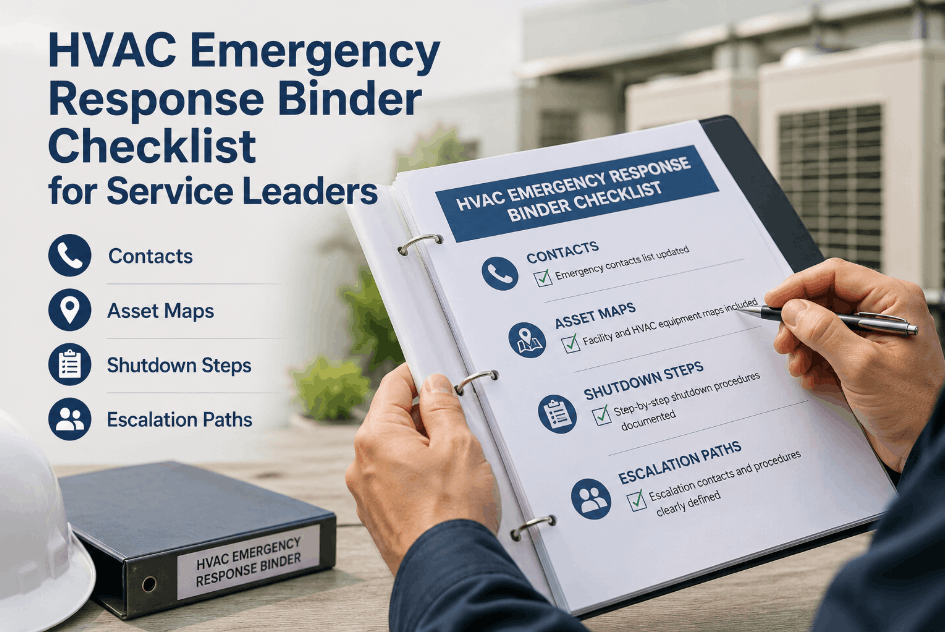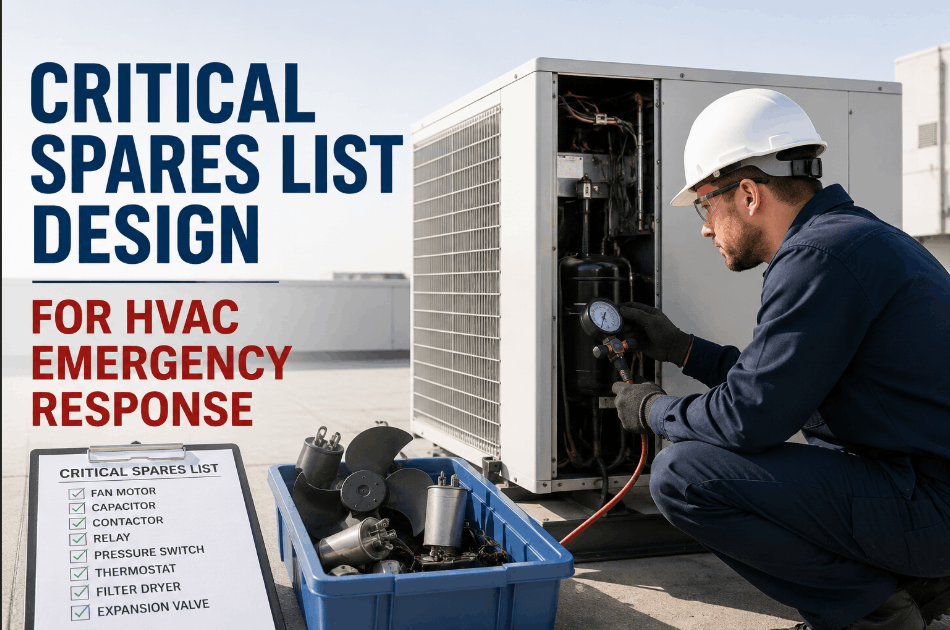
When a chiller trips at 2 AM on a summer weekend, every minute of unplanned downtime translates directly into tenant discomfort, spoiled inventory, or compromised process conditions. Yet most facility teams still handle HVAC emergencies with phone trees, paper logs, and tribal knowledge. Without a structured emergency maintenance workflow, critical failures trigger chaos — delayed dispatch, undocumented repairs, and recurring breakdowns that could have been prevented. Sign Up Free to deploy pre-configured HVAC emergency templates. Book a Demo to see how Oxmaint reduces emergency HVAC dispatch time from hours to minutes with automated priority routing and mobile technician access.
The Five Critical Failures That Demand Immediate Response
Not every HVAC issue qualifies as an emergency. Defining which failure modes trigger immediate response protocols prevents alarm fatigue and ensures resources deploy where they matter most. The following failure types require structured emergency workflows, documented response times, and automated technician dispatch. Sign Up Free to configure asset-specific emergency thresholds. Book a Demo to see how Oxmaint's priority engine routes emergencies to the right technician based on skillset, location, and availability.
| Failure Type | Emergency Criteria | Target Response | Oxmaint Automation |
|---|---|---|---|
| Chiller Plant Trip | Space temp exceeds setpoint by 5°F+ in critical zones or process interruption | Under 2 hours | BMS integration auto-creates P1 work order with chiller diagnostics and last 24 hours of trend data |
| Compressor Failure | Complete loss of cooling in data center, lab, or occupied space above 80°F | Immediate dispatch | QR code scan on failed asset pulls complete service history, parts inventory, and OEM procedures |
| Refrigerant Leak | Positive leak detection with EPA Section 608 reporting trigger | Under 4 hours with isolation first | Leak discovery auto-generates compliance work order with EPA reporting forms attached |
| IAQ Incident | Occupant symptoms, CO/CO₂ exceedance, or smoke/fume infiltration | Under 1 hour for assessment | IAQ emergency template includes air sampling checklist, occupant notification log, and filter inspection tasks |
| Boiler Shutdown (Heating Season) | No heat with outside temp below 40°F in occupied spaces | Under 3 hours for restoration or portable heating deployed | Seasonal emergency flag auto-raises priority during heating months regardless of reported severity |
Six-Step HVAC Emergency Workflow from Detection to Resolution
Emergency maintenance fails when steps are skipped or rushed. A structured workflow — from the moment a failure is detected to final documentation — ensures no critical action is missed, every repair is recorded, and recurring failures trigger preventive countermeasures. Sign Up Free to deploy these six steps as automated emergency templates. Book a Demo to see how Oxmaint's mobile checklists guide technicians through each step with photo evidence capture and digital sign-off.
- BMS sensor thresholds automatically generate work orders
- QR codes on equipment enable instant issue reporting from any smartphone
- Occupant web portal creates timestamped requests with location and symptom fields
- Auto-assign emergency priority based on asset criticality and zone classification
- Three-tier priority system distinguishes emergency, urgent, and standard response
- On-call technicians receive push notifications with work order and asset history
- Skills-based routing assigns electrical vs. refrigeration vs. controls expertise
- Location mapping dispatches nearest available technician automatically
- Mobile checklist guides lockout/tagout verification before repair begins
- Photo capture documents electrical panel, disconnect position, and tag placement
- Refrigerant leak detection prompts immediate ventilation and evacuation steps
- Digital safety permit logs confined space, hot work, or elevated access as needed
- Parts list pulls from inventory with real-time stock verification
- Technician logs actual repair time, materials consumed, and temporary fix label
- Before-and-after photos attached directly to work order for audit trail
- Emergency repair auto-creates follow-up work order for permanent solution within 30 days
- Guided post-repair checklist verifies system operation across all modes
- Sensor readings captured to document return-to-normal conditions
- Digital signature from operator or supervisor confirms acceptable performance
- BMS integration auto-verifies that cleared alarms remain clear after restart
- Standardized failure codes enable trend analysis across asset populations
- Root cause categories differentiate operator error, component wear, control failure, or external factors
- Duplicate failure within 90 days auto-flags asset for preventive maintenance review
- Emergency summary report exportable for management review or insurance claims
Why Most HVAC Emergency Responses Fail — And the CMMS Fix
Emergency HVAC failures expose every weakness in your maintenance operation. Without a CMMS designed for emergency workflows, facilities default to fragmented responses that drive up costs and extend downtime. Oxmaint closes each gap with automation, mobile access, and structured data capture. Sign Up Free to audit your current emergency response gaps. Book a Demo to see Oxmaint's emergency dashboard in action.
HVAC Emergency KPIs: Measuring What Matters in Critical Response
Emergency maintenance cannot improve what it does not measure. Facilities that track consistent KPIs across every HVAC failure identify performance gaps, justify additional resources, and demonstrate ROI from structured workflows. Sign Up Free to access real-time emergency dashboards. Book a Demo to see how Oxmaint tracks every KPI below automatically from work order data.
Time from emergency work order creation to technician acknowledgement. Automated dispatch systems typically cut MTTD from 60+ minutes to under 15.
Total time from failure detection to system restoration. MTTR decreases 30–50% when technicians arrive with full asset history and parts lists on mobile devices.
Emergency volume above 20% indicates inadequate preventive maintenance. Facilities dropping from 45% to 15% emergency share typically save 30% on total maintenance spend.
Percentage of emergency dispatches resolved in a single visit. Below 70% indicates parts availability issues, technician training gaps, or incomplete diagnostic data before dispatch.
Total emergency labor, parts, and overtime cost divided by facility area. Declining trend validates that structured workflows and PM improvements are reducing reactive spend.
Percentage of assets experiencing duplicate emergency failure within 90 days. Above 10% flags incomplete root cause analysis or temporary fixes applied as permanent solutions.