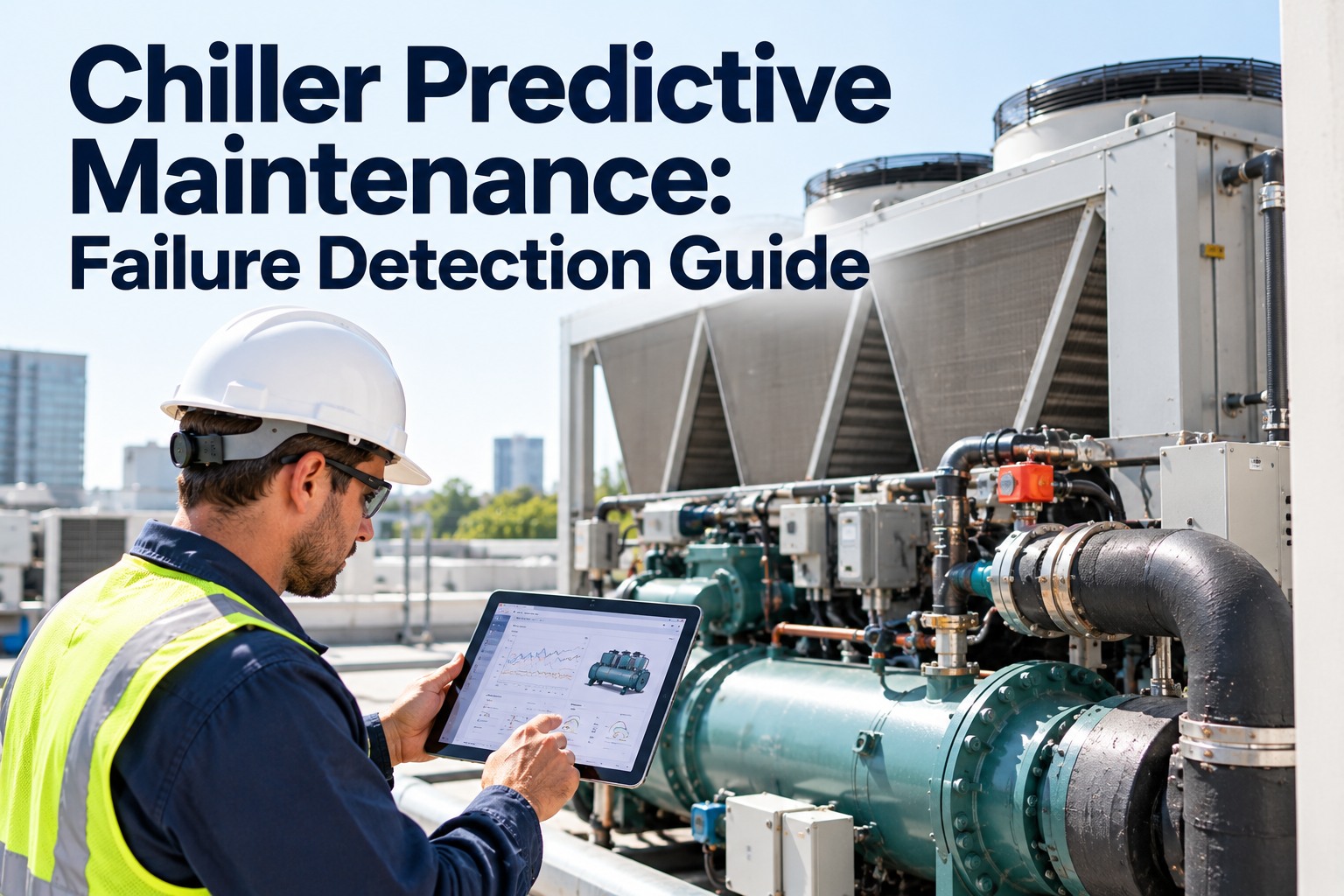
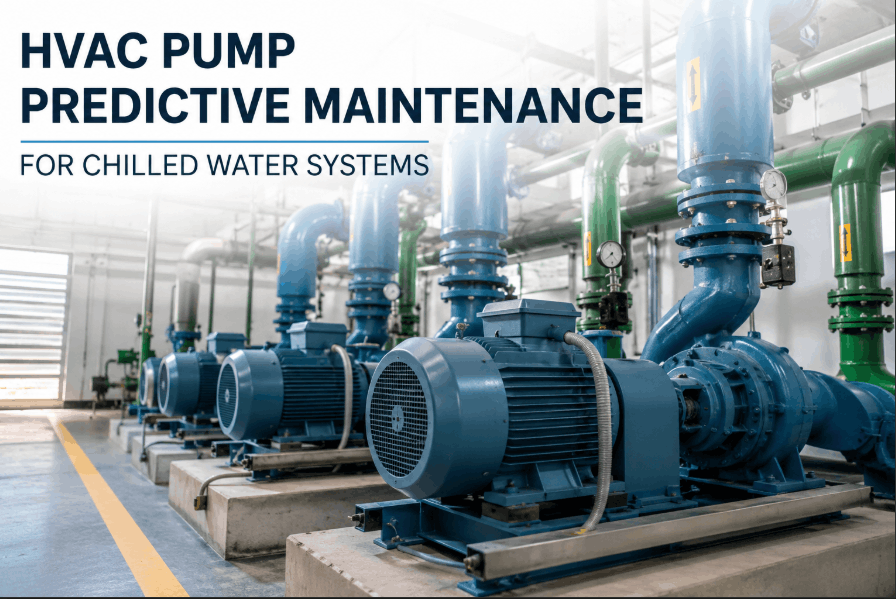
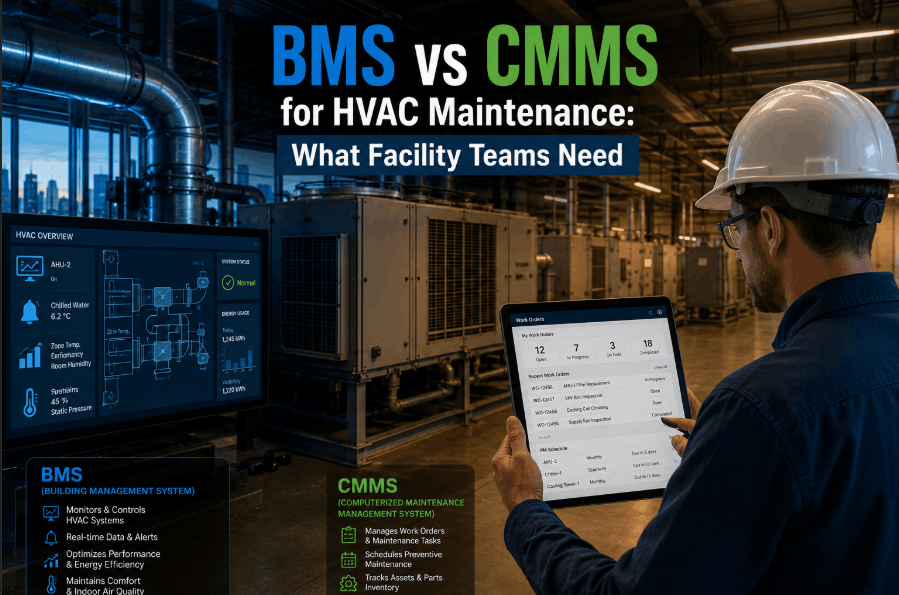
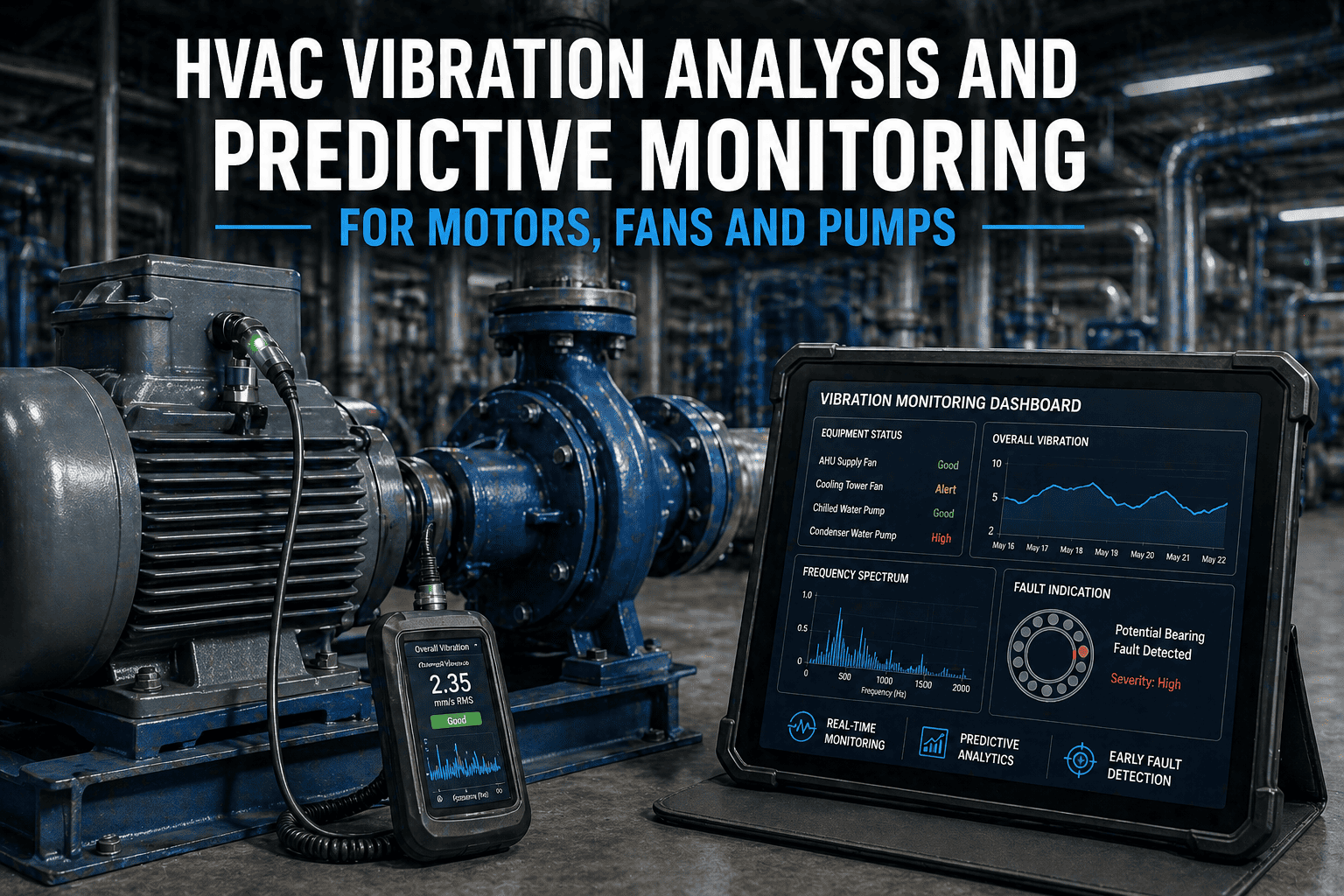
For facility teams managing commercial buildings, healthcare campuses, or industrial sites, HVAC systems represent both critical infrastructure and persistent operational vulnerability. A single chiller failure or AHU breakdown can shut down production, compromise indoor air quality, and drive emergency repair costs 4.8× higher than planned maintenance. Yet most teams still rely on reactive run-to-failure strategies, waiting for tenant complaints or full system lockups before acting. Failure Mode and Effects Analysis (FMEA) flips this model — systematically identifying how each component fails, quantifying risk priority, and routing work orders to prevent failures before they start. When facility managers Sign Up Free on Oxmaint, they embed structured FMEA logic directly into preventive maintenance workflows, turning risk registers into scheduled, audit-ready actions.
OXMAINT FOR FACILITY RELIABILITY
Move From Failure Detection to Failure Prevention
Oxmaint gives facility teams the structured FMEA engine to identify high-risk failure modes, prioritize maintenance investments, and schedule interventions before critical assets fail.
HVAC Component Failure Modes: What Breaks and Why
Every HVAC asset has predictable failure mechanisms. Understanding these mode-and-cause relationships is the first step toward prevention. Teams that Book a Demo can see how Oxmaint maps failure modes directly to asset hierarchies and inspection checklists.
01
Chiller — Refrigerant Undercharge
Progressive refrigerant loss through micro-leaks or service ports reduces evaporator pressure and chiller capacity while elevating compressor superheat and discharge temperature.
AI monitors suction pressure trends, flags deviation from baseline, and triggers leak search work order weeks before low-pressure trip.
02
AHU — Stuck Economizer Damper
Damper actuator fails or linkage seizes, pulling incorrect outdoor air ratio — simultaneous heating and cooling drives 8–18% energy waste with no occupant comfort complaint.
Mixed air temperature deviation from expected OA/RA blend triggers FDD alert; work order auto-generated for actuator inspection and calibration.
03
Compressor — Bearing Wear / End Winding
Vibration anomalies, elevated motor current, and oil degradation patterns signal developing bearing or electrical winding failure — often undetectable until catastrophic lockup.
IoT vibration and current sensors feed into ML models that predict bearing failure 14–30 days in advance; automatic work order reserves replacement parts.
04
Cooling Tower — Fan Motor Bearing Failure
Bearing lubrication breakdown or misalignment causes vibration escalation, increased amp draw, and eventual shaft seizure — typically 4–6 weeks from first anomaly.
Edge AI processes vibration spectra in real-time; predictive health scoring declines from 85% to 45% over 21 days; scheduled PM replaces bearing during planned window.
05
Pump — Cavitation / Seal Leak
Insufficient net positive suction head or blocked strainer creates cavitation — eroding impeller, damaging seals, and reducing flow rate. Seal leaks produce visible drips and bearing contamination.
Pressure differential, vibration, and flow sensors detect cavitation signature; Oxmaint routes diagnostic checklist and recommends strainer cleaning or pump speed adjustment.
06
VAV Box — Reheat Valve Stuck / Damper Actuator Failure
Hot water reheat valve stuck partially open causes simultaneous heating and cooling in adjacent zones; damper actuator failure leaves zone over-cooled or under-ventilated.
Zone temperature deviation from setpoint correlated with valve position and airflow sensor data isolates root cause; work order specifies actuator or valve replacement.
Risk Priority Number (RPN): Quantifying Which Failures Matter Most
Not all failure modes carry equal consequences. FMEA quantifies risk using three factors — Occurrence (O), Severity (S), Detection (D) — multiplied into a Risk Priority Number (RPN). Facilities managing large HVAC portfolios use this scoring to allocate limited maintenance budgets to the modes that create highest operational, safety, or financial exposure. Teams that Sign Up Free can embed RPN thresholds into Oxmaint asset records, ensuring high-risk modes trigger more frequent inspections or condition-based monitoring.
| Failure Mode |
Occurrence (1–10) |
Severity (1–10) |
Detection (1–10) |
RPN (O×S×D) |
| Chiller — Refrigerant Leak / Undercharge |
7 |
9 |
8 |
504 |
| Compressor — Bearing / Winding Failure |
6 |
10 |
7 |
420 |
| AHU — Economizer Damper Stuck |
8 |
6 |
9 |
432 |
| Pump — Seal Leak / Cavitation |
8 |
6 |
7 |
336 |
| VAV Box — Reheat Valve Stuck |
6 |
5 |
8 |
240 |
How Oxmaint Operationalizes FMEA for Facility HVAC Teams
Asset Register with RPN Fields
Every asset record includes configurable occurrence, severity, and detection scores. High-RPN assets trigger more frequent automated PM tasks or continuous sensor monitoring.
AI-Generated PM Schedules from FMEA Logic
Oxmaint converts RPN thresholds into PM frequency rules — assets above 400 RPN receive monthly inspections; those below 150 receive quarterly checks.
Predictive Failure Alerts from Sensor Trends
IoT-connected assets feed real-time vibration, temperature, and pressure data into ML models that detect deviation patterns matching known failure modes.
Fault Detection and Diagnostics (FDD) Integration
Oxmaint analyzes BAS data streams to identify fault signatures — stuck dampers, refrigerant undercharge, fouled coils — before energy waste or equipment damage escalates.
Structured Failure Mode Checklists
Technicians receive asset-specific inspection checklists derived from FMEA worksheets — ensuring consistent detection of known failure modes during every PM visit.
Root Cause Analysis Workflow with Closed-Loop Learning
Each completed repair links back to failure mode; historical data refines occurrence scores and detection methods, improving RPN accuracy over time.
FMEA-Driven Outcomes: Reactive vs Predictive HVAC Performance
The gap between reactive HVAC management and FMEA-driven predictive maintenance is visible in every operational metric. Facilities transitioning to Oxmaint consistently report sharper fault detection, lower emergency dispatch rates, and extended equipment life.
| Operational Metric |
Reactive / No FMEA |
FMEA + Oxmaint Predictive |
Improvement |
| Emergency HVAC work orders (% of total) |
65–85% |
25–40% |
−50%+ |
| Mean time to detect (MTTD) — developing fault |
11–28 days |
2–12 hours |
−95% |
| Chiller / compressor unplanned downtime (hrs/year) |
48–120 |
2–8 |
−90% |
| HVAC energy waste from undetected faults |
15–30% |
5–10% |
−15–20% kWh |
| Equipment lifespan (years to major overhaul) |
12–15 |
18–22 |
+30–40% |
FMEA-DRIVEN MAINTENANCE WITH OXMAINT
Turn Failure Mode Analysis Into Scheduled, Automated Action
Oxmaint transforms static FMEA worksheets into live maintenance intelligence — auto-generating inspection tasks, predictive alerts, and root cause workflows directly from your asset risk profile.
Frequently Asked Questions: HVAC FMEA for Facility Teams
What is HVAC FMEA and why does it matter for facility management?
HVAC FMEA is a systematic method for identifying how each component can fail, what causes those failures, and their consequences. Facility teams use it to prioritize maintenance budgets on high-risk failure modes before they cause downtime.
How does Risk Priority Number (RPN) guide HVAC maintenance decisions?
RPN scores multiply occurrence, severity, and detection ratings. Scores above 300 typically demand predictive monitoring or increased PM frequency; lower scores may remain on calendar-based schedules.
Can Oxmaint integrate with existing BAS/BMS for FDD data?
Yes — Oxmaint ingests BACnet, Modbus, and OPC-UA data streams from existing building automation systems, applying FDD rules to detect fault signatures and auto-generate work orders.
What HVAC failure modes does Oxmaint predict most accurately?
Oxmaint ML models achieve highest accuracy on refrigerant undercharge, compressor bearing wear, fan motor degradation, economizer actuator faults, and pump cavitation — all with 2–6 week lead times.
How does Oxmaint update RPN scores over time?
Each completed repair and inspection updates failure history; occurrence scores automatically adjust based on actual failure frequency. Teams can also manually adjust severity or detection scores after root cause analysis.
What ROI can facility teams expect from FMEA-driven CMMS implementation?
Documented ROI ranges from 10:1 to 30:1 within 12–18 months, driven by emergency repair reduction, extended asset life, lower energy spend, and fewer compliance violations.
SMART HVAC RELIABILITY WITH OXMAINT
Build Your HVAC FMEA Into Daily Operations
Stop guessing which failure mode will take down your chiller next. Oxmaint gives facility teams the structured FMEA engine, predictive sensor integration, and automated work order logic to prevent failures — not just react to them.