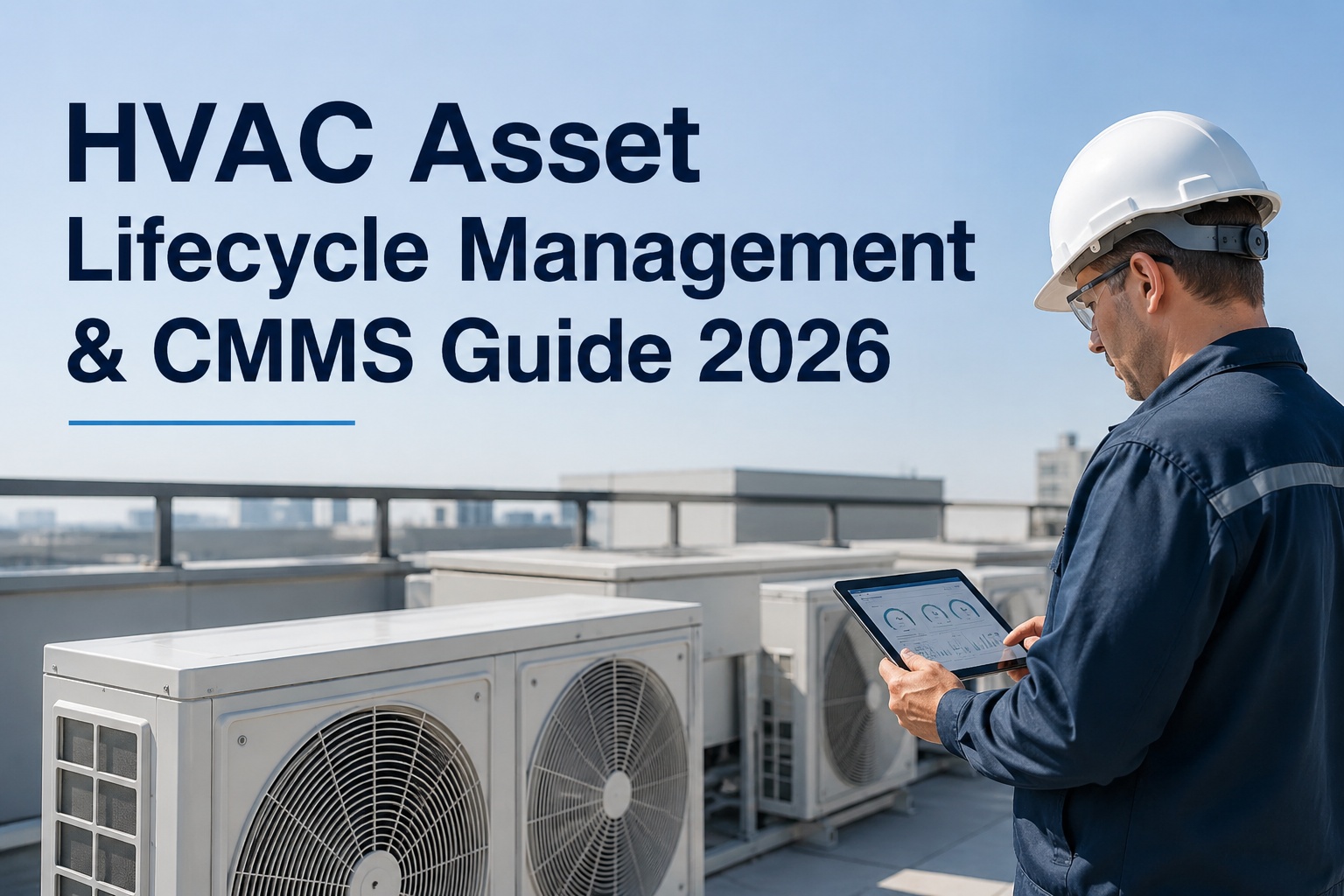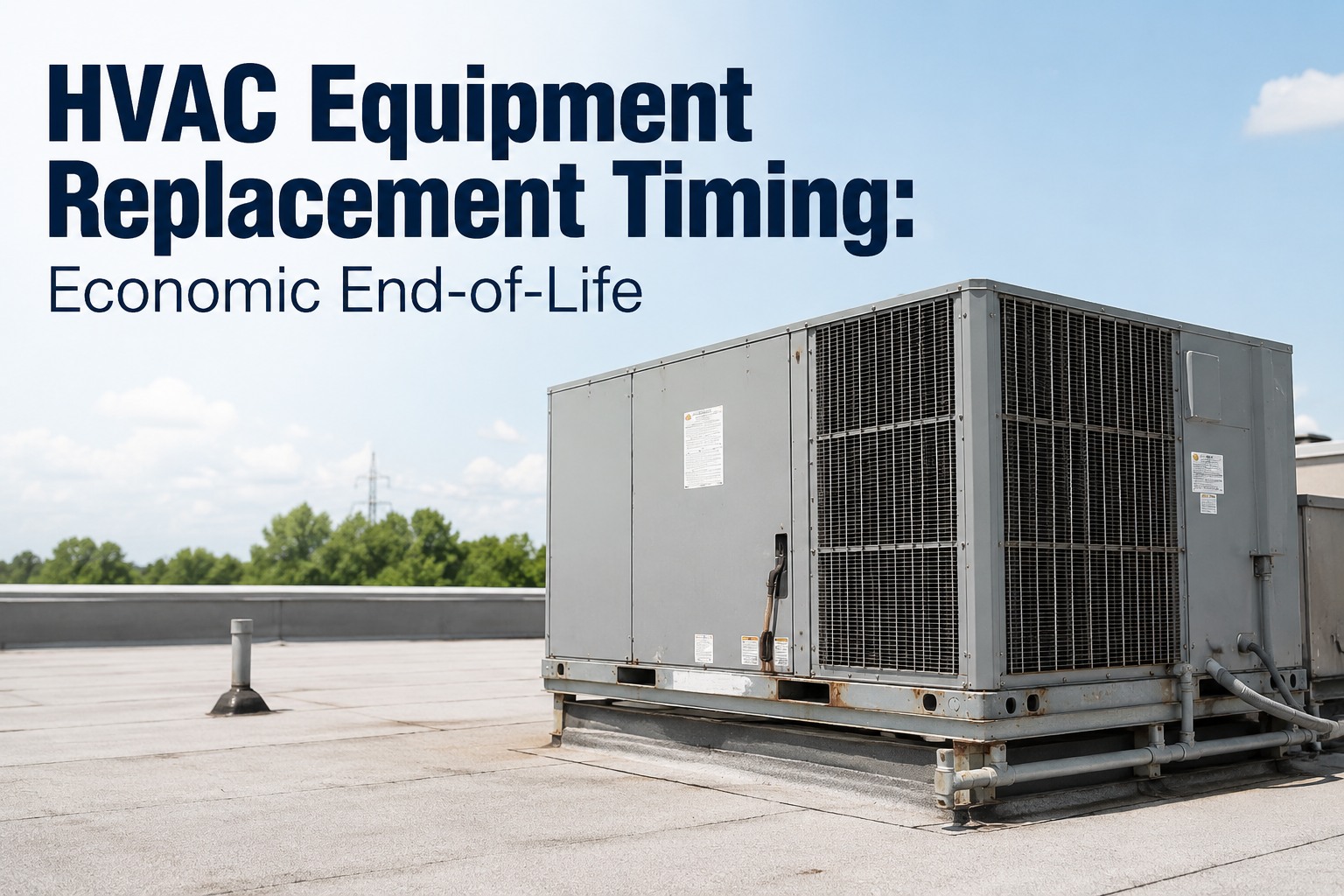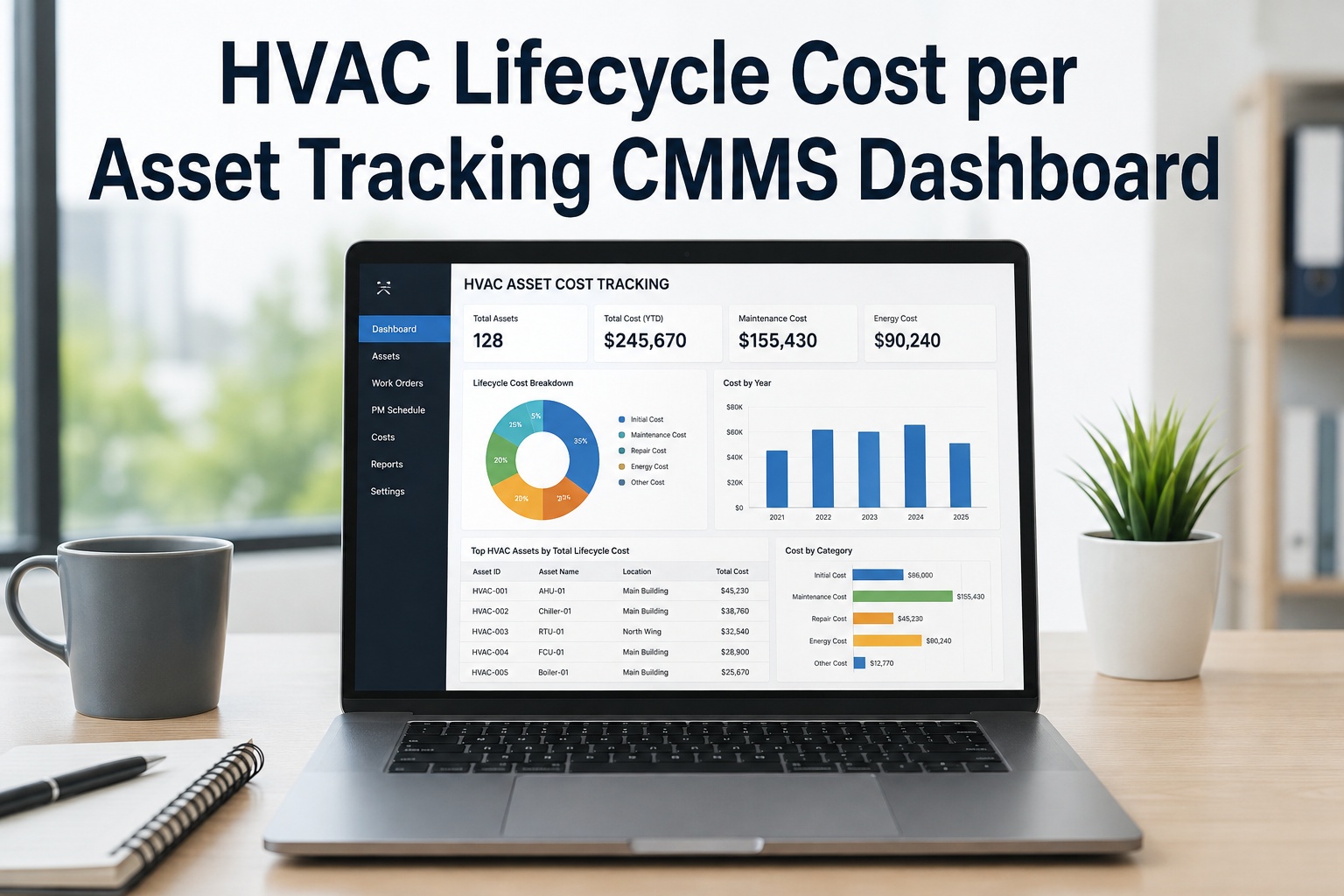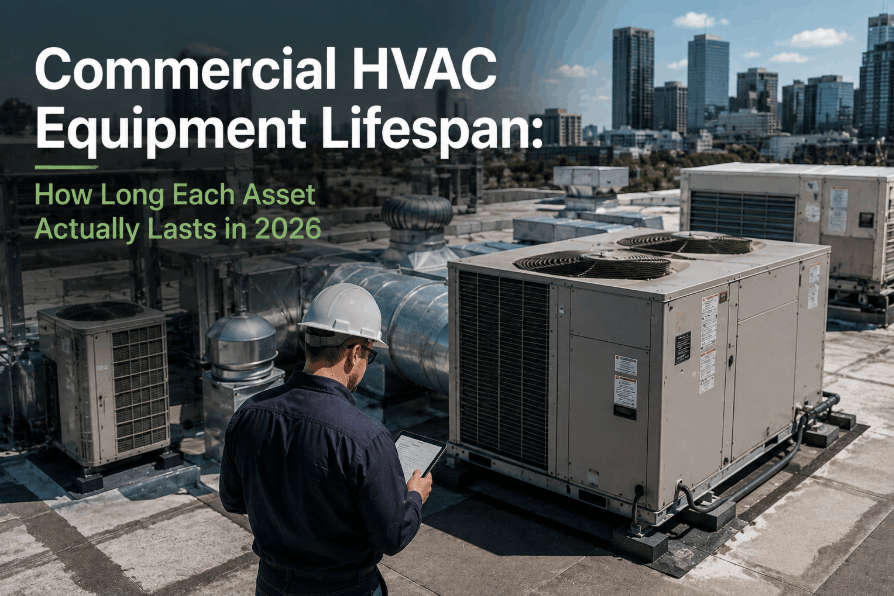
A rooftop unit maintained on a disciplined preventive schedule can run 18 to 22 years; the same unit left to reactive repairs often fails closer to 12, forcing an unplanned capital replacement years ahead of budget. The difference isn't the equipment — it's whether coil cleaning, refrigerant checks, belt tension, and bearing lubrication happen on schedule and get recorded consistently over the asset's life. Facilities teams that Sign Up Free on OxMaint can track HVAC preventive maintenance by asset, build a complete service history for every unit, and use that data to defer capital replacement without gambling on equipment reliability. Structured lifespan tracking turns preventive maintenance from a checklist into a measurable capital planning tool.
Why Preventive Maintenance Determines HVAC Equipment Lifespan
HVAC equipment doesn't fail from age alone — it fails from accumulated stress that preventive maintenance is designed to catch early: dirty coils forcing compressors to work harder, low refrigerant charge straining components, and worn bearings that go unnoticed until failure. Book a Demo to see how OxMaint tracks preventive maintenance completion against each unit's design life to identify which assets are on track and which need intervention.
Five Preventive Maintenance Practices That Extend HVAC Life
Lifespan extension comes from consistency, not intensity — the same core tasks performed on schedule, tracked by asset, and never skipped under operational pressure. Sign Up Free on OxMaint to build a documented maintenance history that supports both equipment longevity and future capital planning decisions.
Scheduled Coil Cleaning and Airflow Verification
Dirty coils force compressors and fans to work harder, accelerating wear. Scheduled cleaning tracked by asset keeps airflow within design specification.
Refrigerant Charge and Pressure Checks
Incorrect refrigerant charge strains compressors and reduces efficiency. Logging pressure readings over time reveals slow leaks before they cause failure.
Belt Tension and Bearing Lubrication
Worn belts and dry bearings are among the most common causes of premature motor and fan failure, and among the cheapest issues to prevent on schedule.
Electrical Connection and Amperage Inspection
Loose connections and abnormal amperage draw signal developing motor or compressor issues long before a full breakdown occurs.
Complete Asset-Level Service History
Every completed PM, repair, and part replacement logged against the specific unit builds the data needed to forecast remaining useful life accurately.
Lifespan Impact by HVAC Equipment Type
Different HVAC equipment types respond differently to preventive maintenance investment. Comparing typical lifespan ranges helps facilities teams prioritize PM budget where it extends life the most. Book a Demo to review lifecycle data for your specific equipment mix.
| Equipment Type | Design Life | Life With Reactive Maintenance | Life With Preventive Maintenance | OxMaint Maintenance Lever |
|---|---|---|---|---|
| Rooftop Package Units | 15–20 yrs | 10–12 yrs | 18–22 yrs | Coil cleaning + refrigerant tracking |
| Air Handling Units | 20–25 yrs | 14–16 yrs | 22–25 yrs | Belt + bearing PM scheduling |
| Chillers | 20–25 yrs | 13–15 yrs | 20–23 yrs | Asset-level service history |
| Boilers | 25–30 yrs | 15–18 yrs | 25–28 yrs | Electrical + combustion inspection logs |
| Split System Condensers | 12–15 yrs | 7–9 yrs | 12–15 yrs | Refrigerant + amperage tracking |
The Cost of Skipping HVAC Preventive Maintenance
Building an HVAC Lifespan Extension Program with OxMaint
Register Every HVAC Asset with Install Date and Design Life
Build a complete asset register capturing install date, manufacturer design life, and current condition for every unit in the portfolio.
Automate PM Scheduling by Equipment Type
Configure recurring PM work orders for coil cleaning, refrigerant checks, and bearing lubrication tailored to each equipment category.
Track Completion and Build Service History
Log every completed PM and repair against the asset to build the maintenance history needed for accurate lifecycle forecasting.
Use Lifecycle Data to Plan Capital Replacement
Compare documented condition against design life to prioritize capital budgets around units actually approaching end of service life.
Frequently Asked Questions: HVAC Equipment Lifespan
How much can preventive maintenance extend HVAC equipment life?
Documented cases show rooftop units reaching 18-22 years with consistent preventive maintenance compared to 10-12 years under reactive-only service.
What preventive maintenance tasks matter most for HVAC longevity?
Coil cleaning, refrigerant charge verification, belt and bearing service, and electrical inspection consistently prevent the most common causes of early failure.
How does OxMaint help with HVAC capital planning?
OxMaint builds a complete asset-level service history that reveals actual equipment condition, supporting data-driven capital replacement decisions.
Can PM schedules be customized by equipment type?
Yes. Rooftop units, chillers, boilers, and split systems can each carry maintenance schedules tailored to their specific service requirements.