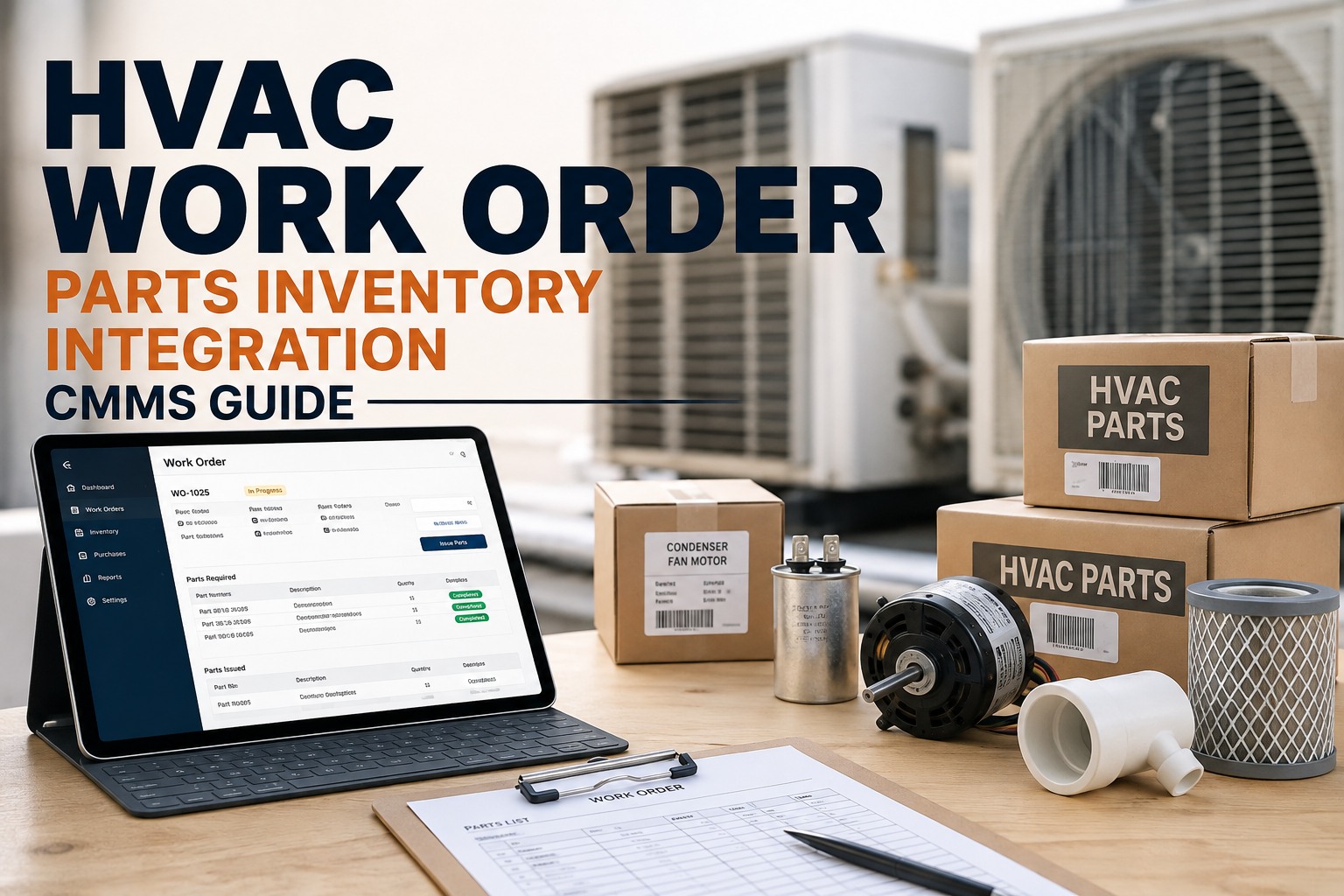
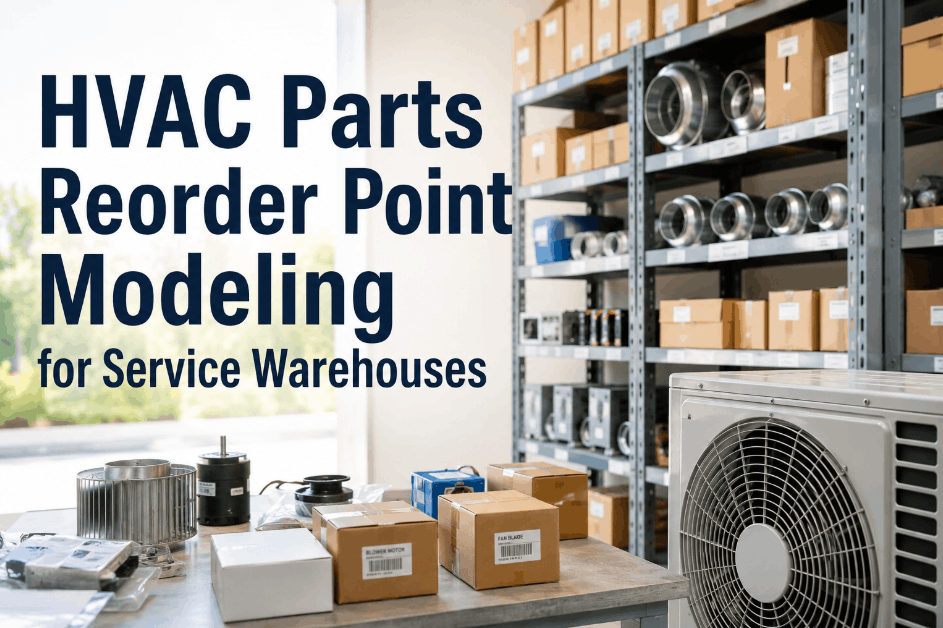
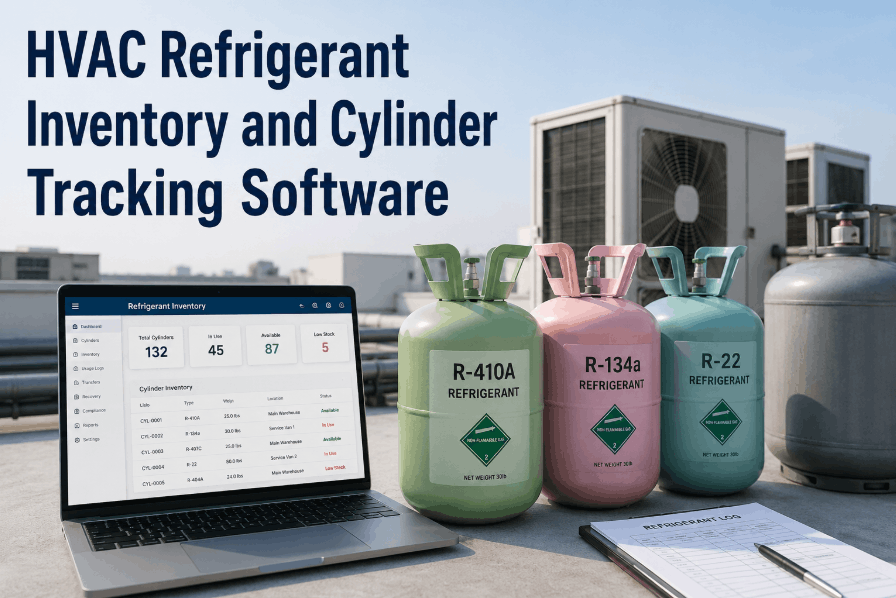
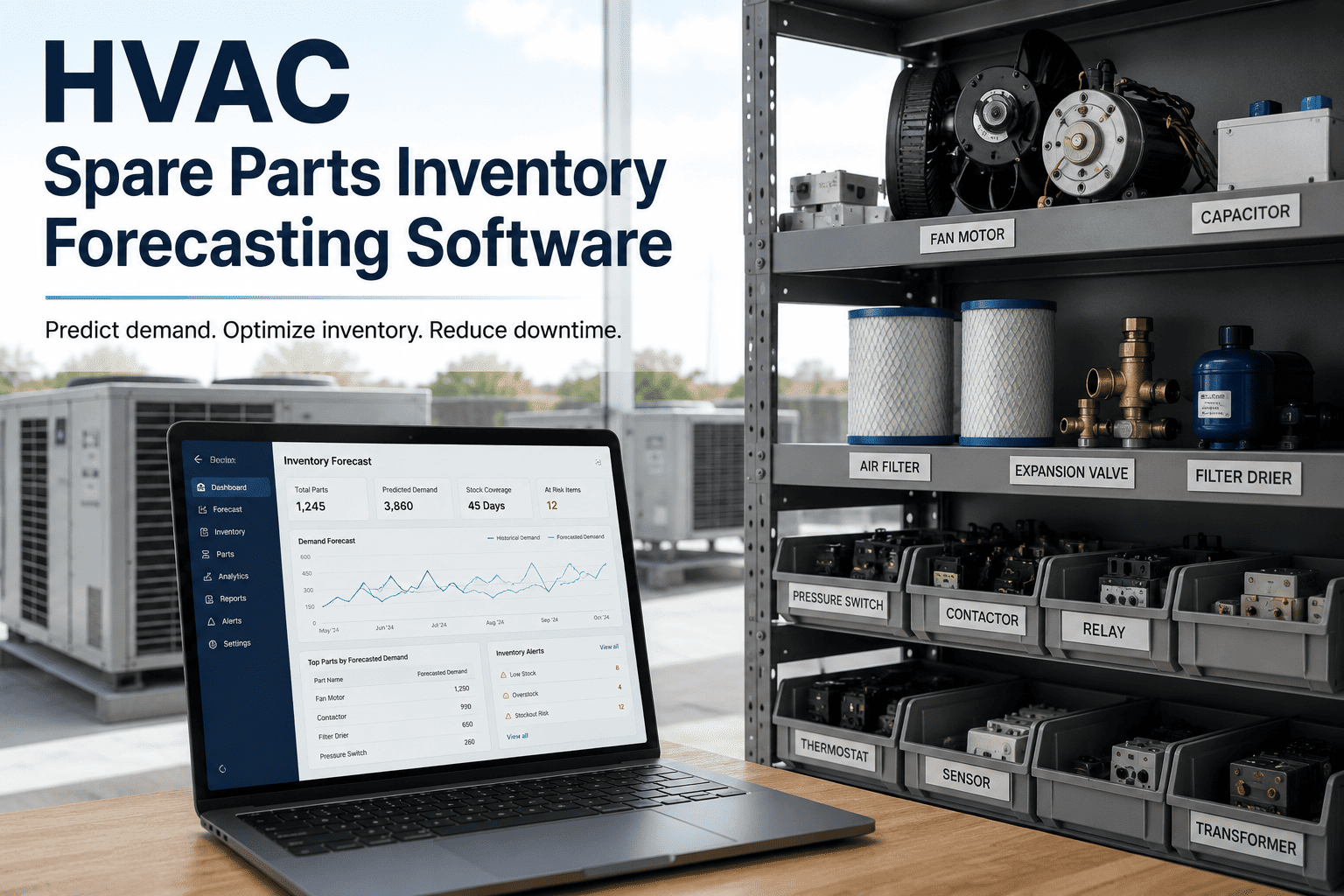
Your technician is standing in front of a dead compressor at a commercial building where the property manager has been waiting three days for this appointment. He knows the fix — it's a contactor and a run capacitor. He opens the van, checks the bins, and the 40/5 MFD dual-run capacitor isn't there. It was used two jobs ago. He didn't log it. The van wasn't restocked. Now he's calling dispatch to find the nearest supply house, driving 45 minutes round trip, and turning a 90-minute repair into a half-day event. The customer is furious. The next appointment gets pushed. The callback rate ticks up. And the company just lost $180 in billable labor, $35 in fuel, and whatever it costs to recover a customer relationship that just took a hit. This happens 3–5 times per week across a fleet of 15 vans. That's $47,000–$78,000 per year in lost productivity — not from bad technicians, not from hard diagnoses, but from a $14 capacitor that wasn't in the van because nobody tracks van inventory with anything more sophisticated than a clipboard and a "let me know when you're low" policy. HVAC service van parts inventory management is the discipline of knowing exactly what's on every van, what's been used, what needs to be replenished, and what should be stocked based on the jobs scheduled for tomorrow — not last month's guess about what "usually" gets used. It's the difference between a first-time fix and a return trip. Between a profitable service call and one that loses money. Between a technician who spends 6.5 hours turning wrenches and one who spends 2 hours driving to supply houses.
$78K
Annual productivity lost to stockout-driven return trips across a 15-van HVAC fleet
3.2×
Return on every dollar invested in van inventory management systems — from reduced trips and improved fix rates
92%
First-time fix rate achievable with optimized van stocking vs. 68% industry average without inventory management
$8,400
Optimal van inventory value per vehicle — enough to cover 95% of common repairs without overloading the van
The First-Time Fix Problem: Why Vans Run Out
The HVAC industry's average first-time fix rate hovers around 68–72% — meaning nearly a third of service calls require a return trip. While some returns are unavoidable (complex diagnostics, special-order parts), the majority are caused by the van not having the right part at the right time. The root causes are predictable and preventable.
01
No Real-Time Usage Tracking
Parts are used but not logged until end-of-day (if at all). The system doesn't know the capacitor is gone until the next technician reaches for it and finds an empty bin. By then, it's a failed service call.
02
One-Size-Fits-All Stocking
Every van carries the same parts list regardless of the technician's skill level, territory demographics, equipment mix, or seasonal demand. A commercial-focused van needs different parts than a residential one.
03
Replenishment by Request Only
Technicians restock when they "feel" low, not when data shows they're low. Parts that are used infrequently but critically (pressure switches, ignitors for specific models) slip below minimum without anyone noticing.
04
No Schedule-Aware Stocking
Tomorrow's job schedule shows 4 Carrier rooftop units and 3 Trane heat pumps — but nobody checks whether the van has the Carrier-specific contactors or Trane defrost boards those units commonly need.
What Van Inventory Management Actually Controls
Proper van parts management isn't a parts list — it's a dynamic system that tracks what's on the van, what's been used, what needs to be replaced, and what should be added based on upcoming work. Here's the complete scope of what the system manages across every vehicle in your fleet.
Par Level Management
Minimum and maximum stock levels for every part on every van — dynamically adjusted by season, territory equipment mix, and historical consumption patterns.
→ Auto-generates replenishment orders when any part drops below minimum
Real-Time Usage Logging
Barcode or QR scan at point of use — technician scans the part as it comes off the van, instantly updating inventory and linking usage to the work order and customer asset.
→ Inventory accurate within 1 scan of actual stock
Consumption Analytics
Track which parts each technician uses most, which parts correlate with specific equipment types, and seasonal consumption curves — building the data to optimize every van's stock profile.
→ Data-driven par levels that evolve with your business
Schedule-Aware Pre-Staging
Reviews tomorrow's dispatch schedule, identifies equipment types at each appointment, cross-references common failure parts for those models, and flags any gaps in the van's current stock.
→ Pre-load alerts issued before the technician leaves in the morning
Van-to-Warehouse Sync
Real-time synchronization between van inventory and warehouse stock — when a van uses a part, both the van and warehouse counts update simultaneously, triggering warehouse reorders when aggregate fleet demand draws down central stock.
→ Warehouse never runs out of the parts your vans need most
HVAC service operations that sign up for van inventory management connect every scan, every usage, and every replenishment cycle into the same platform that manages work orders, dispatch, and customer assets — so inventory decisions are informed by operational data, not guesswork.
The Replenishment Cycle: From Usage to Restocked Van
The replenishment cycle is where manual systems break down and automated systems prove their value. Every part used must flow through a consistent cycle that ensures the van is restocked before the next day's first call — without requiring the technician to remember, call, or stop at the warehouse.
1
Scan at Point of Use
Technician scans part barcode or QR code from the van. Usage is recorded with timestamp, work order number, and customer asset ID. Van inventory count decrements instantly.
Time: 3 seconds
2
Threshold Evaluation
System compares current van stock against par levels. If the part drops below minimum, it's flagged for replenishment. Next day's schedule is cross-referenced to validate urgency.
Time: Automatic — zero human effort
3
Replenishment Order Generated
A pick list is generated for the warehouse team — aggregating all replenishment needs across the fleet into a single end-of-day order. Parts are pulled and staged by van number.
Time: Generated by 4:00 PM daily
4
Van Restocking
Parts are placed in staged bins by van. Technicians pick up their replenishment kit before leaving in the morning — or parts are loaded during overnight warehouse operations. Scan-to-confirm closes the loop.
Time: 5–10 minutes per van
5
Verification & Reconciliation
Van inventory is verified against expected count. Discrepancies flagged for review. Monthly physical cycle count validates system accuracy and identifies shrinkage or logging errors.
Time: Weekly spot check + monthly full count
Every Part Tracked. Every Van Stocked. Every Fix First-Time.
OXmaint manages your complete van parts inventory — real-time usage tracking, automated par level management, schedule-aware pre-staging, and van-to-warehouse synchronization. One platform ensuring every technician has what they need before they need it.
Seasonal Demand Patterns: Stock for What's Coming
HVAC parts consumption isn't random — it follows predictable seasonal patterns driven by cooling season demands, heating season failures, and shoulder-season maintenance work. The inventory system uses historical consumption data to adjust par levels automatically, ensuring vans are loaded for the season, not last quarter's demand profile.
Spring
Summer
Fall
Winter
Capacitors
●●●
●●●●●
●●
●
Contactors
●●●
●●●●●
●●●
●●
Ignitors
●
●
●●●●
●●●●●
Flame Sensors
●
●
●●●
●●●●●
Fan Motors
●●
●●●●●
●●●
●●
Filters (all sizes)
●●●●
●●●●●
●●●●
●●●
Pressure Switches
●●
●●●●
●
●●●
Thermostats
●●●
●●●
●●●
●●●
Low demand
Moderate demand
High / peak demand
The Cost of a Stockout: More Than Just a Trip
When a van doesn't have the right part, the cost cascades well beyond the supply house run. Every stockout triggers a chain of expenses — and most companies only see the supply house receipt, missing the larger financial impact hiding underneath. Operations teams evaluating inventory solutions can book a free demo to see how stockout cost tracking works.
$90
Technician Windshield Time
45 minutes average round trip to supply house at $120/hr loaded labor cost. Zero billable work during drive time.
$35
Vehicle & Fuel Cost
Additional 25–40 miles per trip. Fuel, wear, mileage — plus the supply house markup over distributor pricing (typically 15–30%).
$180
Lost Billable Opportunity
The next scheduled call gets pushed or cancelled. That's a full billable service call ($180–$350) delayed or lost entirely if the customer reschedules with a competitor.
$60
Dispatch & Coordination Cost
Dispatcher time to reroute the schedule, call affected customers, and manage the cascade of delayed appointments across the rest of the day.
$???
Customer Relationship Impact
Hard to quantify, impossible to ignore. "We need to come back" is the sentence that erodes trust, generates negative reviews, and sends customers to competitors.
Van Stock Profile: What Belongs on the Truck
Not every part belongs on every van. The optimal van stock profile is built from three factors: how frequently a part is used, how critical it is to a first-time fix, and how feasible it is to carry (size, weight, shelf life). Facilities optimizing their fleet inventory should sign up to build data-driven van stock profiles from actual consumption patterns rather than generic parts lists.
Tier 1 — Always Carry
Used weekly · Critical for first-time fix · Low cost
Capacitors (10+ values)
Contactors (2–3 types)
Fuses & breakers
Wire nuts & connectors
Thermostat wire
Common filters
Refrigerant (R-410A, R-22)
Schrader cores & caps
~$1,800 inventory value
Tier 2 — High Priority
Used bi-weekly · Important for fix rate · Moderate cost
Fan motors (3–4 common)
Ignitors (hot surface, 3+ models)
Flame sensors
Pressure switches
Transformers (24V, 40VA)
Thermostats
Hard start kits
Drain pan tablets
~$3,200 inventory value
Tier 3 — Situational
Used monthly · Schedule-dependent · Higher cost
Control boards (top 3 brands)
Blower motors
Gas valves
TXV valves
Defrost boards
Reversing valves
Compressor start components
Zone damper motors
~$3,400 inventory value
Expert Perspective: The Van Is Your Smallest, Most Important Warehouse
I've consulted with over 200 HVAC service companies, and the pattern is always the same: the ones that run profitable service departments have solved van inventory. The ones that struggle haven't. It's that simple. A technician who leaves the shop in the morning with a properly stocked van — based on data, not habit — completes 20–30% more billable work per day than one who makes supply house runs. Multiply that across a fleet and a year, and you're talking about hundreds of thousands of dollars in recovered productivity. But here's what most companies miss: van inventory management isn't about buying more parts. It's about buying the right parts for each van based on what that technician actually works on, in the territory they actually serve, during the season they're actually in. A residential technician in a territory full of 15-year-old Carrier furnaces needs a very different stock profile than a commercial tech servicing Trane rooftop units. The data to build those profiles exists in your work order history — you just need a system that uses it.
Track Usage at Point of Install
Scan-to-use is non-negotiable. If technicians don't log parts when they use them, your inventory data decays within a week. Make scanning faster than not scanning — barcode on every bin, one-tap mobile logging.
Customize Every Van
Stop giving every technician the same parts list. Build individualized stock profiles from each tech's work order history, territory equipment mix, and seasonal consumption data. A cookie-cutter approach guarantees stockouts.
Measure First-Time Fix Rate Weekly
First-time fix rate is the single best indicator of van stocking health. Track it by technician, by week. When it drops, the root cause is almost always inventory — find the missing part category and fix the par level.
Stock Smarter. Fix First-Time. Drive Profit on Every Call.
OXmaint manages your complete van parts inventory — real-time scan-to-use tracking, automated replenishment, schedule-aware pre-staging, seasonal par level adjustment, and fleet-wide consumption analytics. Every van stocked right. Every technician equipped to finish the job.
Frequently Asked Questions
What is HVAC service van parts inventory management?
HVAC service van parts inventory management is the systematic tracking, stocking, and replenishment of repair parts carried on service vehicles. It encompasses knowing exactly what parts are on each van in real time, maintaining optimal stock levels (par levels) based on consumption data and upcoming job schedules, automating replenishment when parts are used, and analyzing consumption patterns to continuously improve stocking decisions. Unlike warehouse inventory management, van inventory operates in a mobile, distributed environment where every vehicle is essentially a micro-warehouse serving a specific territory. Effective van inventory management directly improves first-time fix rates (the percentage of service calls resolved without a return trip), which is the primary driver of both technician productivity and customer satisfaction in HVAC service operations.
How does van inventory management improve first-time fix rates?
First-time fix rates improve because the primary cause of return trips — not having the needed part on the van — is systematically eliminated. The management system achieves this through several mechanisms. Real-time usage tracking ensures the system always knows current stock levels, eliminating surprises. Par level management triggers replenishment before parts run out, not after. Schedule-aware pre-staging reviews tomorrow's appointments, identifies the equipment types at each location, cross-references common failure parts for those models, and alerts the technician to load any missing items before leaving the shop. Seasonal adjustment increases stock of cooling-season parts before summer and heating-season parts before winter, anticipating demand shifts. The combined effect typically raises first-time fix rates from the industry average of 68–72% to 88–92%, meaning 20 additional successful first-visit repairs per 100 calls — each representing a retained customer, a recovered billable hour, and an avoided return trip cost.
How much inventory should an HVAC service van carry?
The optimal van inventory value for a general residential and light commercial HVAC technician is typically $7,000–$10,000, organized into three tiers. Tier 1 (always carry, approximately $1,500–$2,000) includes high-frequency, low-cost items used on most service calls — capacitors, contactors, fuses, wire, common filters, and refrigerant. Tier 2 (high priority, approximately $2,500–$3,500) includes parts used multiple times per month that are critical for first-time fixes — fan motors, ignitors, flame sensors, pressure switches, and thermostats. Tier 3 (situational, approximately $3,000–$4,000) includes higher-cost, lower-frequency items that are loaded based on the next day's schedule — control boards, blower motors, gas valves, and brand-specific components. The exact mix should be customized per technician based on their territory's equipment demographics, their skill level, and their historical consumption patterns. Carrying too little inventory hurts fix rates; carrying too much ties up capital and adds vehicle weight.
What is the cost of a van stockout?
The true cost of a single van stockout event is $350–$500 when all direct and indirect costs are included. Direct costs include technician windshield time ($80–$120 for a 40–50 minute supply house round trip), fuel and vehicle wear ($25–$40), and supply house markup over distributor pricing (15–30% premium). Indirect costs include the lost or delayed billable call that was pushed to accommodate the supply house trip ($150–$350 in revenue impact), dispatcher time to reroute the schedule ($40–$80), and the unquantifiable but real customer satisfaction impact of not fixing the problem on the first visit. For a 15-van fleet experiencing 3–5 stockout events per week, the annual impact ranges from $55,000 to $95,000 in preventable losses. This makes van inventory management one of the highest-ROI investments an HVAC service company can make, typically paying for itself within 2–3 months.
How does van inventory integrate with a CMMS and dispatch system?
Van inventory management integrates with the CMMS and dispatch system at multiple touchpoints. When a work order is created and dispatched, the system checks the assigned van's current inventory against common parts needed for the equipment type at that location — flagging potential gaps before the technician arrives. When the technician uses a part, they scan it from the van, and the usage is automatically linked to the work order, the customer asset, and the van's inventory record simultaneously. This creates three valuable data streams: the work order shows exactly what was used for accurate billing and warranty tracking, the customer asset record builds a parts history for future service planning, and the van inventory triggers replenishment. The dispatch system uses inventory data to make smarter assignments — routing a technician with the right parts already on the van to the right job, rather than dispatching the nearest tech who may not have what's needed.