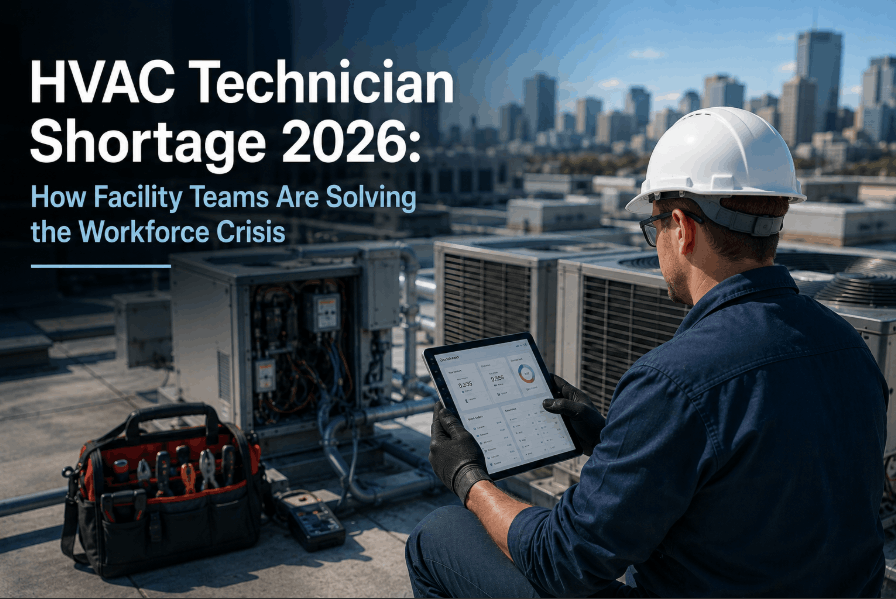
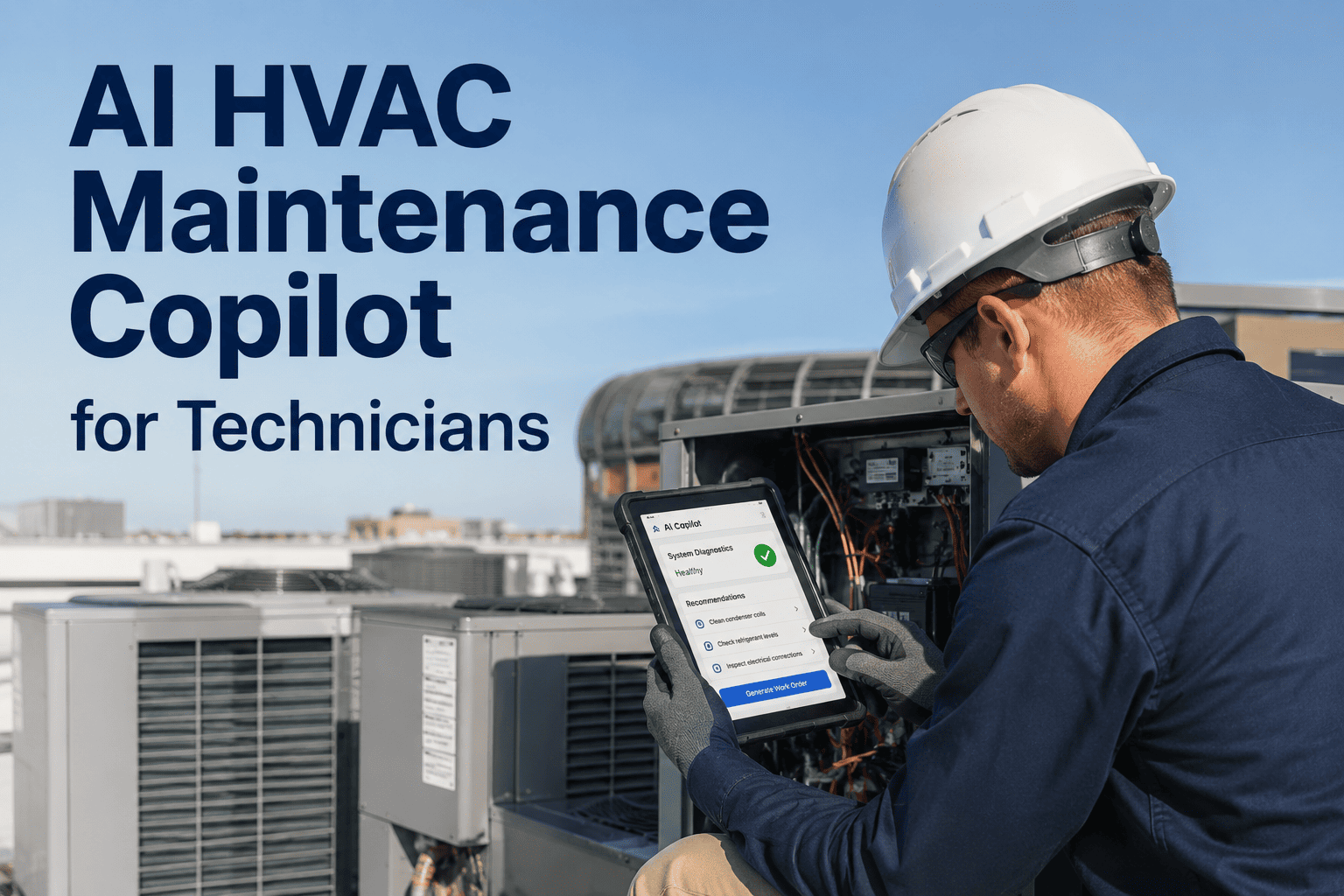
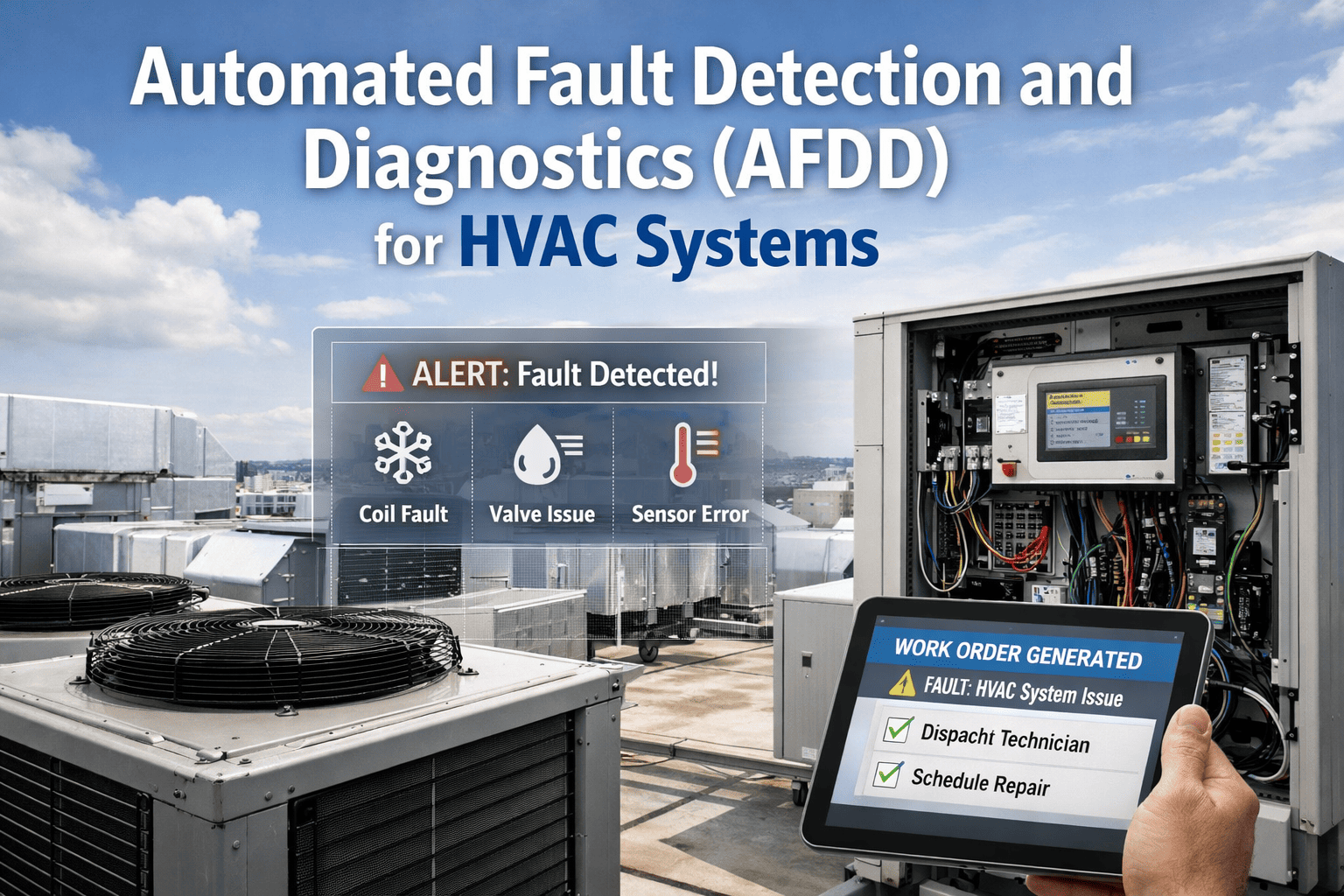
The HVAC technician shortage is no longer a future risk — it is a present operational crisis. Industry data shows 35% of HVAC technician roles are unfilled across commercial facilities, with the gap projected to reach 60,000 open positions by 2028. Every open role means fewer people to handle more equipment, longer response times, and mounting pressure on existing technicians. AI-assisted diagnostics and mobile CMMS workflows are not replacing technicians — they are making every technician more productive, reducing the skill burden, and keeping systems running. Start your free Oxmaint trial today and see how AI copilot and mobile CMMS can stretch your workforce further.
HVAC Technician Shortage: How AI and Mobile CMMS Bridge the Workforce Gap
With 60,000 HVAC technician positions unfilled by 2028, facilities can't hire their way out — but they can equip their existing teams with AI-assisted diagnostics, mobile work order automation, and knowledge capture that turns every technician into a expert.
Why Hiring Alone Won't Solve the HVAC Technician Crisis
Over 40% of HVAC technicians are over age 50. As they retire, institutional knowledge leaves with them — and fewer young workers enter the trade to replace them.
Modern HVAC systems have dozens of sensors, variable frequency drives, and proprietary controls. Troubleshooting requires years of experience — not just basic refrigeration knowledge.
Facilities rely on overtime and expensive third-party contractors to fill gaps — eroding operating budgets and delaying critical repairs.
How AI Makes Every Technician an Expert
AI doesn't replace HVAC technicians — it augments their knowledge, speeds diagnosis, and reduces the skill gap between junior and senior techs. Here is how AI copilot transforms field service.
AI analyzes historical work orders and sensor data to identify fault patterns — helping junior techs diagnose issues in minutes instead of hours.
For complex repairs, AI provides sequenced troubleshooting steps, parts lists, and safety precautions — tailored to the specific equipment model.
Every resolved issue becomes a searchable case. Senior techs' expertise is preserved and made available to the whole team.
How AI + Mobile CMMS Transform HVAC Workforce Productivity
| Workflow Area | Traditional Method | AI + Mobile CMMS | Productivity Gain |
|---|---|---|---|
| Diagnostic time (common faults) | 45 minutes | 12 minutes | +73% |
| Documentation per work order | 15 minutes | 3 minutes | +80% |
| Parts lookup & ordering | 10 minutes | 2 minutes | +80% |
| Travel coordination / dispatch | 30 minutes/day | 5 minutes/day | +83% |
| New tech onboarding time | 6 months | 6 weeks | +300% |
Mobile Workflows That Reduce Administrative Burden
Technicians waste up to 15 hours per week on paperwork, travel coordination, and parts searching. A purpose-built mobile CMMS eliminates that waste, letting techs focus on fixing equipment.
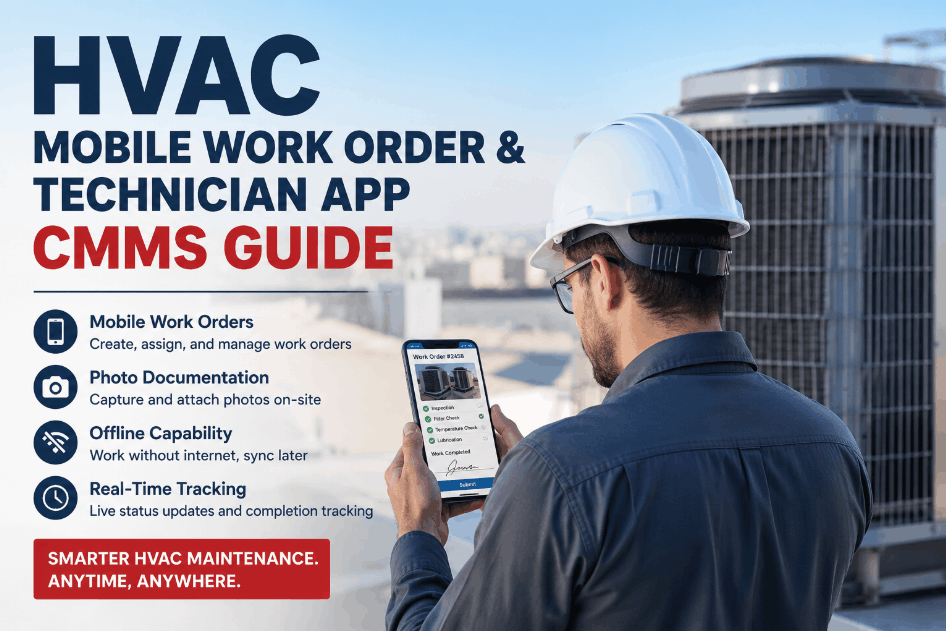
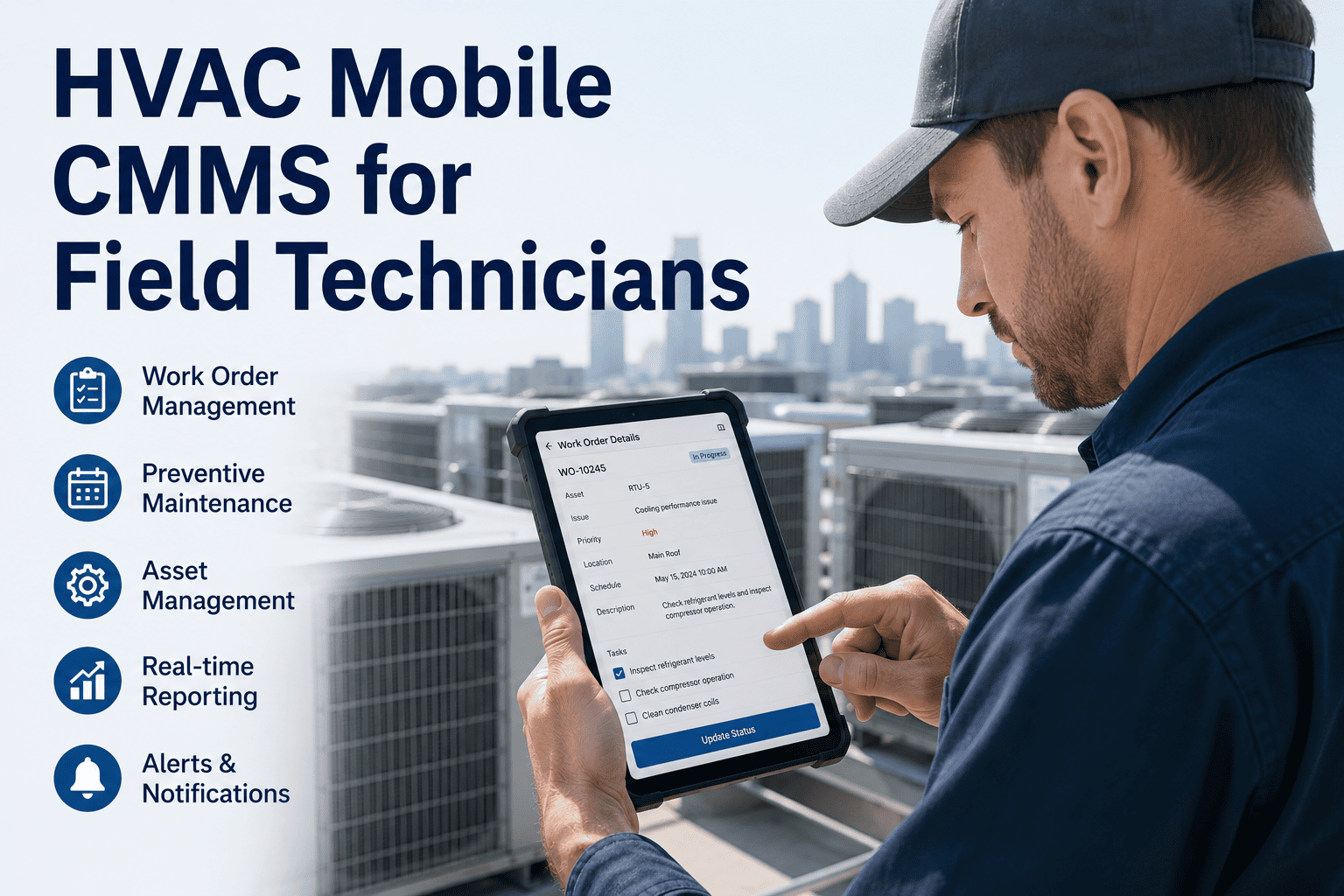
Technicians receive assignments, view asset history, and close work orders from their phones — no return to the shop required.
Route optimization and real-time technician location reduce travel time by up to 30% — more time on tools, less on the road.
Check stock, reserve parts, and request purchases directly from the work order — no back-and-forth with the storeroom.
Oxmaint's AI copilot and mobile CMMS reduce diagnostic time, eliminate paperwork, and capture tribal knowledge — so your current technicians can do more, faster.
Before vs. After: AI + Mobile CMMS on HVAC Workforce
| Metric | Traditional Workflow | With AI + Mobile CMMS | Improvement |
|---|---|---|---|
| Average diagnostic time (complex fault) | 2.5 hours | 0.8 hours | -68% |
| Paperwork & travel coordination per week | 12 hours | 3 hours | -75% |
| First-time fix rate | 68% | 89% | +21% |
| Knowledge transfer to junior techs | Months of shadowing | AI-guided steps + case library | 4x faster onboarding |
| Overtime hours per technician / week | 6.5 hours | 2.8 hours | -57% |
Capture Tribal Knowledge Before It Retires
Of facilities report losing critical knowledge when senior technicians retire — knowledge that takes years to rebuild.
Faster new technician proficiency with a searchable case library of past repairs and AI-recommended solutions.
Loss of institutional knowledge when every resolved work order is automatically documented and indexed.
What Industry Leaders Say
The HVAC technician shortage is the single biggest constraint on facility operations today. We cannot train new techs fast enough — but AI-assisted diagnostics and mobile CMMS have changed the math. One of our clients reduced diagnostic time by 65% and cut new tech onboarding from 6 months to 6 weeks. The key is giving junior techs the same knowledge base as your 30-year veteran, right at the point of work.
Facility Managers Ask About AI and Mobile CMMS for HVAC
Oxmaint gives your HVAC team AI-assisted diagnostics, mobile work order automation, and a searchable knowledge base — so every technician works faster, smarter, and with less frustration. Deploy on your highest-priority buildings this month. Prove workforce productivity in 60 days.