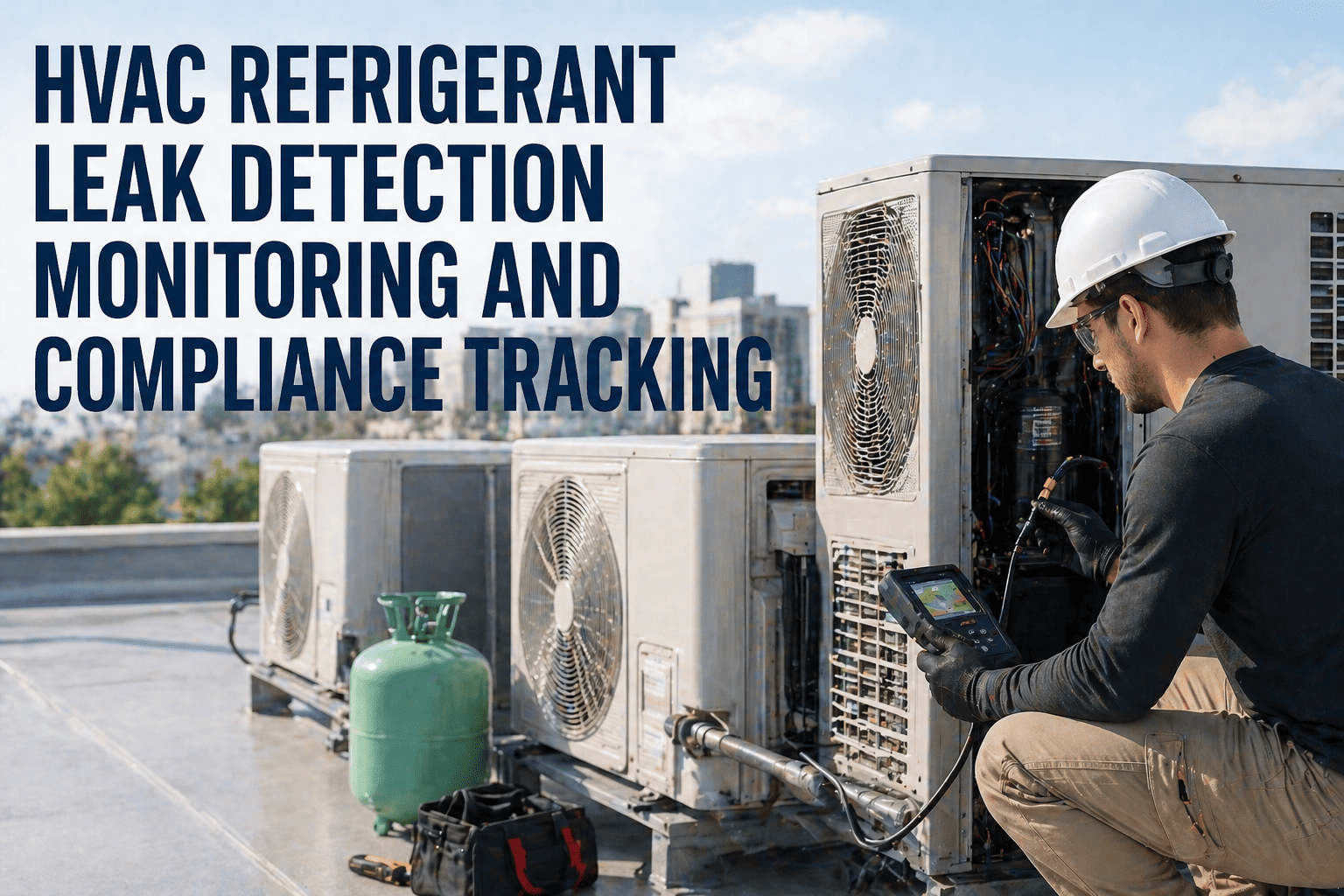
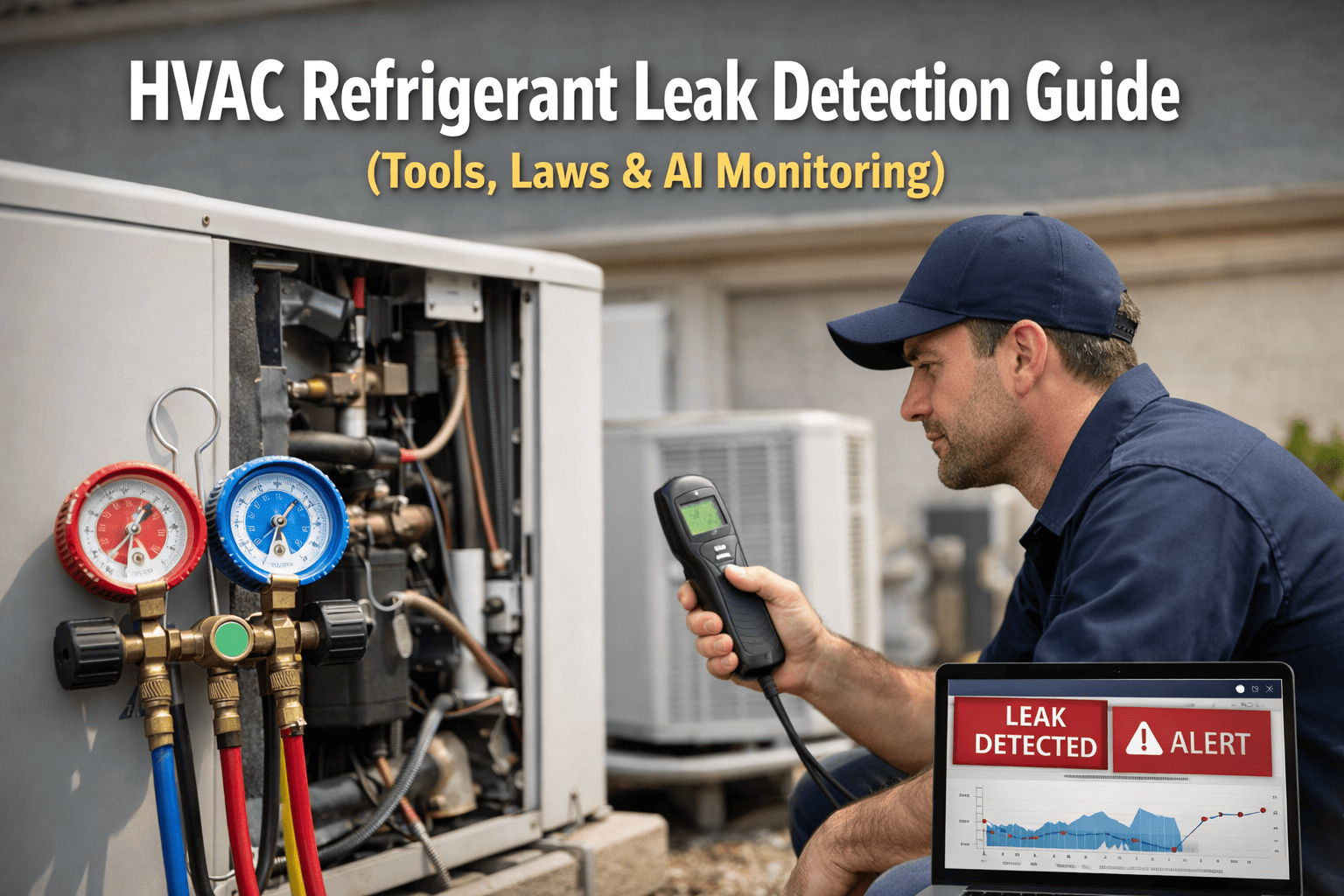
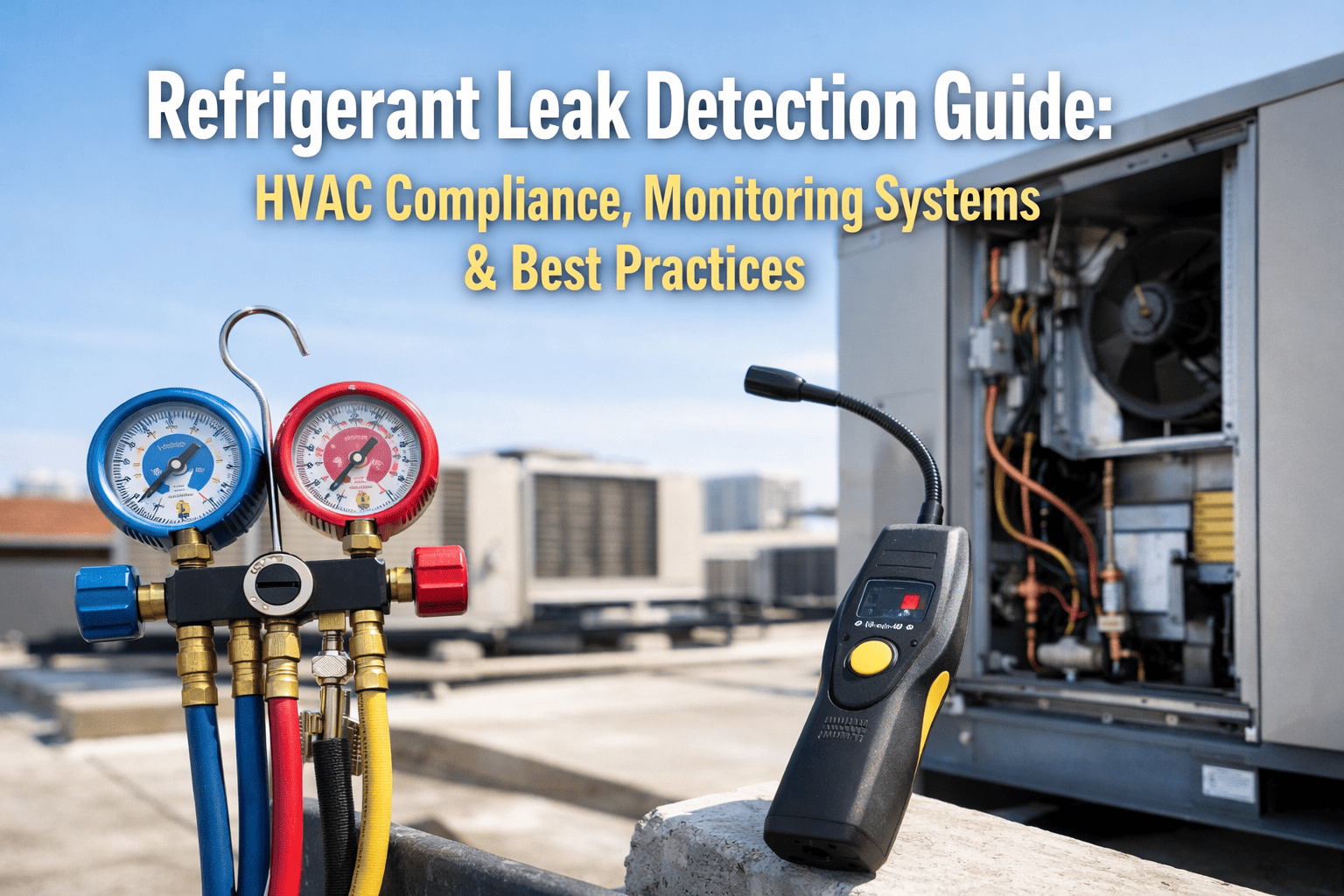
Refrigerant leak detection in large HVAC systems sits at the intersection of regulatory compliance, environmental responsibility, and cooling system reliability. With tightening EPA Section 608 requirements, phasedown of high-GWP refrigerants under AIM Act provisions, and rising refrigerant replacement costs, undetected leaks now carry financial and compliance consequences that preventive programs cannot afford to ignore. Sign Up Free to schedule refrigerant inspection tasks, log leak detection results, and track compliance documentation for every refrigerant-containing asset in OxMaint CMMS. From rooftop unit leak checks to chiller plant refrigerant charge verification, OxMaint structures refrigerant compliance PM around the asset types and regulatory thresholds that large HVAC systems require. Book a Demo to see how facility teams use OxMaint to manage refrigerant leak tracking and compliance documentation across multi-site HVAC portfolios.
Manage Refrigerant Leak Tracking and Compliance in OxMaint
Schedule leak inspections, log detection results, track refrigerant charge records, and maintain EPA-compliant documentation — across every refrigerant asset in your portfolio.
Refrigerant Leak Detection Technology Comparison for Large HVAC Systems
No single detection technology suits every system type, installation configuration, or regulatory requirement. Large HVAC portfolios typically require a layered approach combining continuous monitoring, portable detection, and scheduled inspection protocols. Sign Up Free to configure refrigerant inspection checklists and leak detection task schedules for each HVAC asset type in OxMaint today.
EPA Refrigerant Compliance Requirements for Large HVAC Systems
EPA Section 608 regulations impose specific inspection frequency, leak rate thresholds, and documentation requirements on commercial and industrial refrigerant-containing equipment. Non-compliance exposure increases significantly when documentation gaps exist even if physical leaks are addressed. Book a Demo to see how OxMaint structures refrigerant compliance documentation for large HVAC portfolios.
Annual Leak Inspection Requirements
Systems containing 50 lbs or more of refrigerant must undergo annual leak inspection under EPA 608. OxMaint schedules these inspections automatically, tracks technician completion, and stores digital inspection records — satisfying the recordkeeping requirements that EPA audits demand.
Leak Rate Threshold Monitoring
EPA 608 sets leak rate thresholds of 10% annually for industrial process refrigeration and 30% for commercial refrigeration. When thresholds are exceeded, repair timelines and retrofit-or-retire decisions are triggered. OxMaint tracks refrigerant add volumes per asset — surfacing leak rate accumulation before threshold violations occur.
Refrigerant Purchase and Add Records
EPA 608 requires records of refrigerant purchases, additions, and technician certifications. OxMaint work orders capture refrigerant quantity added per service event, linking purchase records to asset history — creating the chain of custody documentation required for compliance audits.
AIM Act Phasedown Compliance Planning
HFC phasedown under the AIM Act is reducing availability and increasing cost of high-GWP refrigerants including R-410A. OxMaint's asset registry tracks refrigerant type per unit — enabling facility managers to identify equipment requiring transition planning before phasedown milestones create supply constraints.
Technician Certification Verification
EPA 608 requires refrigerant handling by certified technicians. OxMaint's personnel records can store technician certifications with expiration tracking — ensuring work orders requiring refrigerant handling are only assigned to certification-current technicians.
Post-Repair Verification Documentation
After repairing a leak in a system above threshold limits, EPA 608 requires a follow-up inspection within 30 days to verify repair effectiveness. OxMaint automatically schedules post-repair verification work orders — preventing compliance gaps that occur when follow-up inspection deadlines are missed.
How OxMaint Supports Refrigerant Leak Management Across Large HVAC Portfolios
Asset-Level Refrigerant History Tracking
OxMaint links every refrigerant addition, inspection result, and leak repair event to the specific asset — building a per-unit refrigerant history that makes leak rate accumulation visible and supports EPA audit responses. Sign Up Free to start tracking refrigerant history by asset in OxMaint today.
Automated Inspection Scheduling
OxMaint triggers annual EPA Section 608 inspections and post-repair verification work orders automatically — ensuring no compliance inspection deadline is missed due to manual scheduling oversight in large multi-asset portfolios.
Sensor Alert to Work Order Integration
When connected monitoring sensors detect refrigerant above threshold concentrations, OxMaint creates inspection work orders automatically — closing the gap between detection alert and technician response that manual alarm systems leave open.
Portfolio-Wide Compliance Visibility
OxMaint's compliance dashboard surfaces refrigerant inspection status, overdue tasks, and leak rate accumulation across every asset in the portfolio — giving facility managers and compliance officers the visibility to manage refrigerant risk proactively rather than reactively. Book a Demo to see OxMaint's refrigerant compliance dashboard in a live walkthrough.
Refrigerant Compliance Requires More Than Detection Technology
OxMaint connects detection alerts to work orders, tracks refrigerant history per asset, automates inspection scheduling, and builds the compliance documentation trail that EPA audits require.
Frequently Asked Questions: Refrigerant Leak Detection for Large HVAC Systems
What refrigerant leak detection method is best for large commercial HVAC systems?
A layered approach combining fixed infrared or electrochemical sensors for continuous monitoring with heated diode portable detectors for scheduled technician inspections provides the most comprehensive coverage for large HVAC systems.
What are EPA Section 608 leak inspection requirements for commercial HVAC?
Systems with 50 lbs or more of refrigerant require annual leak inspection. Leak rate thresholds of 10–30% (depending on system type) trigger mandatory repair timelines and post-repair verification inspections within 30 days.
How does OxMaint support refrigerant compliance documentation?
OxMaint captures timestamped inspection records, refrigerant add quantities, technician certifications, and post-repair verification results — providing the complete per-asset documentation trail required for EPA Section 608 compliance.
What impact does AIM Act phasedown have on large HVAC maintenance programs?
HFC phasedown is reducing R-410A availability and increasing costs, making leak prevention more financially critical. Facilities with OxMaint asset registries can identify which equipment uses phased-down refrigerants and prioritize transition planning accordingly.
Can OxMaint trigger work orders from refrigerant sensor alerts?
Yes. OxMaint integrates with monitoring platforms to convert sensor threshold breaches into automatic inspection work orders — ensuring refrigerant detection alerts result in immediate technician response rather than manual follow-up.
How does tracking refrigerant additions in OxMaint help with compliance?
Per-asset refrigerant add tracking in OxMaint accumulates annual leak rate data automatically — surfacing systems approaching EPA threshold limits before violations occur and providing the records needed for compliance audit responses.
Turn Refrigerant Detection Into Compliance Documentation
OxMaint gives large HVAC facility teams the leak inspection scheduling, refrigerant tracking, sensor-to-work-order integration, and EPA compliance documentation to manage refrigerant risk at portfolio scale.