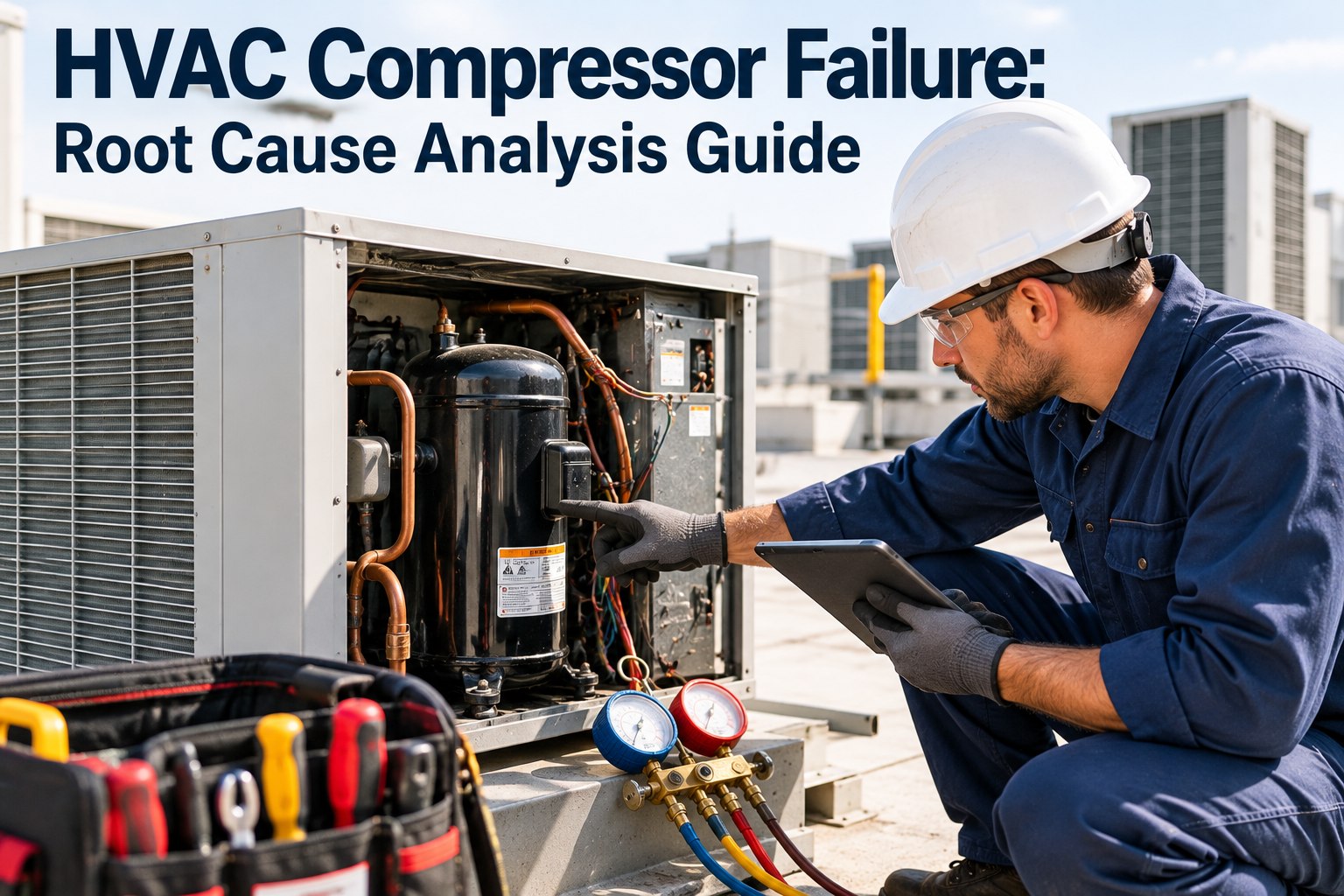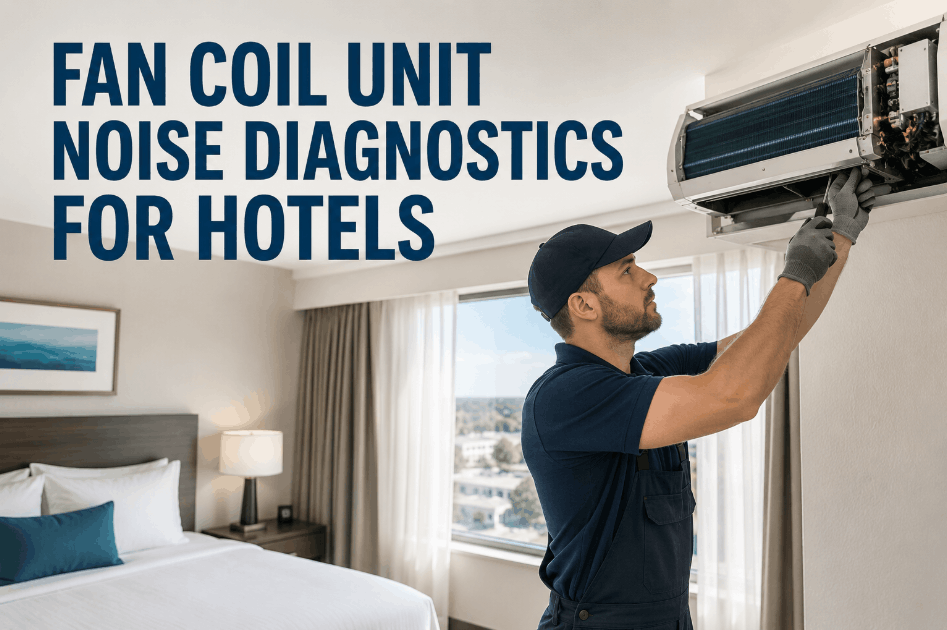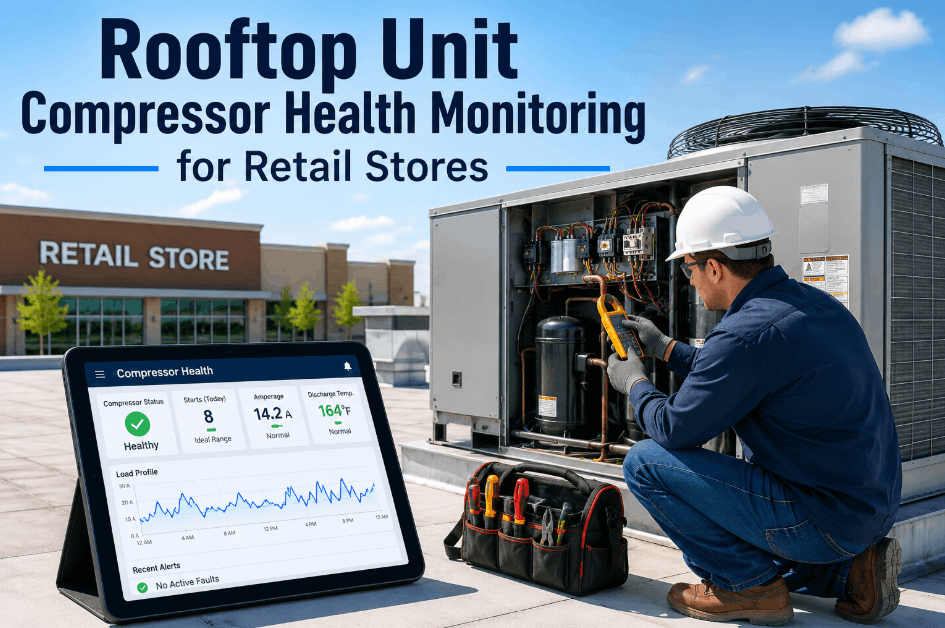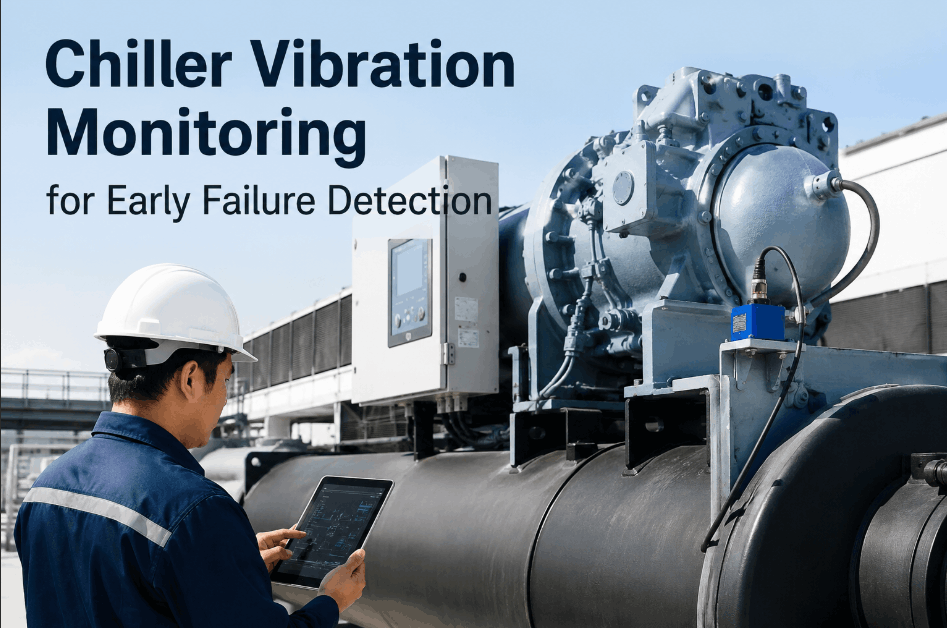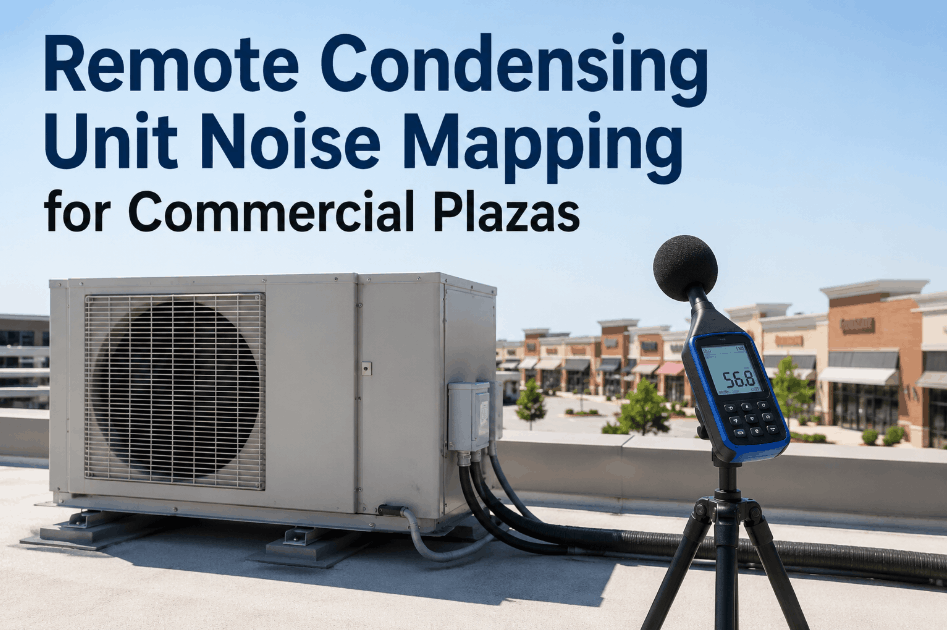
Remote condensing unit noise mapping is one of the most underutilized diagnostic tools in commercial plaza refrigeration and HVAC maintenance — yet structured acoustic surveys consistently reveal fan imbalance, panel resonance, and compressor vibration issues weeks before they escalate into equipment failures or tenant noise complaints. When condensing unit sound levels are never measured, vibration sources go untraced across rooftop and ground-level installations, and service responses are triggered only by tenant reports, facilities teams face chronic reactive service cycles with no data trail to guide root cause resolution or equipment replacement planning. Maintenance teams using Sign Up Free on OxMaint can log noise mapping inspection work orders, track sound level measurements by condensing unit and operating condition, and build a structured acoustic performance database that turns vibration and noise data into predictive maintenance intelligence. Structured condensing unit noise mapping converts acoustic observations into scheduled maintenance actions before tenants experience the consequences.
Why Noise Mapping Matters for Remote Condensing Units in Commercial Plazas
Remote condensing units in commercial plazas operate continuously through multiple compressor stages, fan speed regimes, and ambient temperature extremes — conditions that generate distinct acoustic signatures when mechanical components begin to wear, loosen, or fall out of balance. Without periodic noise mapping, the first indication of fan blade degradation, panel fastener failure, or compressor bearing wear is a tenant complaint that arrives after the fault has already progressed to a point requiring costly component replacement. Book a Demo to see how OxMaint captures condensing unit sound level data by unit location, tracks acoustic fault indicators across service cycles, and builds the noise performance baseline commercial plaza HVAC maintenance programs need to prevent reactive service and tenant escalation.
Six Dimensions of Remote Condensing Unit Noise Mapping
A complete condensing unit noise mapping program covers more than overall sound level measurement. It connects measurement position standardization, fan imbalance signature analysis, panel vibration localization, compressor resonance identification, operating condition correlation, and acoustic trend tracking into a unified mechanical health picture. Sign Up Free on OxMaint to begin capturing condensing unit noise measurement data by unit and location, and build the acoustic performance benchmark database your commercial plaza refrigeration maintenance program requires.
Standardized Measurement Position Protocol
Noise measurements taken from inconsistent positions produce incomparable results — making trend analysis impossible even when data is collected regularly. Establishing and documenting fixed measurement positions for each condensing unit in OxMaint ensures every inspection generates data that is directly comparable across inspection cycles, technicians, and seasons, enabling meaningful acoustic trend analysis.
Fan Imbalance Detection and Blade Condition Assessment
Fan imbalance generates a characteristic tonal signature at blade pass frequency that increases in amplitude as imbalance severity grows — distinguishable from background noise by an experienced technician or a frequency-selective meter. Logging fan noise level, rotational tone presence, and blade visual condition in OxMaint work orders creates a fault progression record that supports scheduled rebalancing before vibration transfers to shaft and bearing components.
Panel Vibration Source Localization
Loose panel fasteners, degraded isolator mounts, and sheet metal resonance generate broadband rattling that masks underlying mechanical faults and projects noise to adjacent tenant spaces at frequencies that are particularly disturbing indoors. Logging panel vibration locations, fastener condition, and isolator mount status in OxMaint by condensing unit enables targeted tightening and isolation upgrades that eliminate noise transmission before tenant complaints arise.
Compressor Resonance and Bearing Condition Monitoring
Compressor bearing wear produces high-frequency tonal noise that increases in level and shifts in frequency as wear progresses — a signature that appears in overall sound level measurements as a gradual trend increase over multiple inspection cycles. Capturing compressor-position sound levels and bearing condition assessments in OxMaint identifies units approaching end-of-life replacement thresholds before compressor seizure causes refrigeration circuit failures.
Operating Condition Correlation and Load-Dependent Noise Analysis
Condensing unit noise levels vary with compressor staging, fan speed, ambient temperature, and refrigerant load — making absolute comparisons between measurements taken at different operating conditions misleading. Logging operating conditions alongside noise measurements in OxMaint ensures acoustic trend analysis compares like-for-like operating states and identifies condition-specific noise faults that only appear at specific load points.
Acoustic Trend Reporting and Predictive Maintenance Planning
OxMaint generates condensing unit acoustic trend reports by unit, location, and fault category — allowing facilities managers to identify units with accelerating noise level increases and schedule targeted intervention before fault severity reaches tenant complaint or mechanical failure threshold. Trend data replaces reactive service dispatch with planned predictive maintenance that protects tenant relationships and controls repair cost.
Noise Mapping Benchmarks by Commercial Plaza Condensing Unit Configuration
Acoustic fault signatures, noise levels, and vibration transmission risks vary significantly by unit type, installation position, proximity to tenant spaces, and operating load profile. Comparing your measured acoustic data against configuration-specific benchmarks identifies which condensing units require priority intervention and where noise mitigation investment delivers the highest tenant satisfaction return. Book a Demo to explore how OxMaint tracks condensing unit noise mapping work orders alongside refrigeration system maintenance scheduling in one platform.
| Condensing Unit Configuration | Primary Noise Fault Type | Typical Sound Level Range | Tenant Impact Risk | OxMaint Diagnostic Lever |
|---|---|---|---|---|
| Rooftop Units (Ground-Floor Tenants) | Structure-borne vibration transmission through roof deck | 65–80 dB(A) at unit | High — low-frequency transmission | Panel vibration localization + isolator mount tracking |
| Ground-Level Remote Condensers | Fan imbalance and blade damage from debris exposure | 60–75 dB(A) at 1 meter | High — adjacent tenant spaces | Fan imbalance detection + standardized measurement protocol |
| Elevated Mechanical Platform Units | Panel resonance amplified by platform natural frequency | 70–82 dB(A) at unit | Medium–High — plaza-wide audibility | Acoustic trend reporting + compressor resonance monitoring |
| Multi-Compressor Rack Systems | Compressor bearing wear and refrigerant flow noise | 72–88 dB(A) at rack | Medium — mechanical room isolation dependent | Bearing condition monitoring + operating condition correlation |
| Variable Speed Condensing Units | VFD tonal noise at partial speed operation | Variable, 58–78 dB(A) | Medium — load point dependent | Load-dependent noise analysis + predictive maintenance triggers |
How Unmonitored Condensing Unit Noise Compounds Commercial Plaza Risk
Remote condensing unit acoustic faults that go unmeasured do not stabilize on their own. They progress through increasing vibration amplitude, accelerating component wear, expanding noise footprint, and eventual mechanical failure — each stage of which increases repair cost, tenant disruption risk, and lease renewal friction in commercial plaza environments where competing tenant spaces create noise sensitivity dynamics that are difficult to manage reactively. Book a Demo to see how OxMaint connects condensing unit noise measurement data with refrigeration maintenance scheduling to surface compounding acoustic risk before it affects tenant satisfaction or equipment reliability in your commercial portfolio.
Building a Condensing Unit Noise Mapping Program with OxMaint
Register All Remote Condensing Units with Location and Tenant Proximity Data
Create a complete condensing unit asset register in OxMaint with unit location, tenant spaces within noise impact radius, unit type, compressor count, fan configuration, installation date, and manufacturer noise specification. Tenant proximity data allows noise mapping findings to be prioritized by impact risk rather than inspection sequence alone.
Establish Fixed Measurement Positions and Log Baseline Sound Levels
Define and document standardized measurement positions for each condensing unit in OxMaint — typically at 1 meter from each face and at adjacent tenant ingress points. Capture baseline sound level readings at documented operating conditions to establish the acoustic reference point against which all future inspection readings will be compared for trend analysis.
Log Noise Mapping Work Orders with Fault Category and Component Assessment
Capture every noise mapping inspection in OxMaint as a structured work order with sound level readings at each measurement position, fault category identification (fan imbalance, panel vibration, compressor resonance), affected component condition assessment, and operating conditions at measurement time. Structured acoustic records replace handwritten inspection notes with searchable, trend-ready noise performance data.
Configure Noise Level Thresholds and Tenant Impact Alert Triggers
Set sound level increase thresholds in OxMaint that trigger escalation alerts when any condensing unit exceeds baseline noise levels by a defined margin at standardized measurement positions. Automated alerts give facilities managers advance notice of acoustic fault development before noise levels reach tenant complaint threshold or indicate imminent mechanical failure.
Report Acoustic Trends Across Units and Plaza Zones
Use OxMaint dashboards to track noise level trends, fault category frequency, component condition progression, and tenant impact risk across condensing units and commercial plaza zones. Turn acoustic inspection data into capital replacement planning intelligence and tenant relationship management reporting without manual data compilation from field inspection records.
Frequently Asked Questions: Remote Condensing Unit Noise Mapping
What is condensing unit noise mapping for commercial plazas?
Noise mapping is a structured acoustic inspection process that captures sound level measurements at standardized positions around each condensing unit to identify fan imbalance, panel vibration, and compressor resonance faults — turning acoustic observations into documented, trending maintenance data that enables proactive component care before tenant complaints or equipment failures occur.
How does fan imbalance affect remote condensing unit noise levels?
Fan blade imbalance generates a tonal noise signature at blade pass frequency that increases progressively as imbalance worsens — transferring vibration loads to shaft bearings and motor mountings that accelerate wear across the entire fan assembly. Early detection through noise mapping enables rebalancing that prevents bearing failure and extends fan assembly service life.
How does OxMaint support condensing unit noise mapping programs?
OxMaint captures noise mapping work orders with sound level measurements by position, fault category identifications, component condition assessments, and operating condition data — building an acoustic performance database that makes structured, trending noise monitoring achievable for every remote condensing unit in a commercial plaza portfolio.
What causes panel vibration resonance in remote condensing units?
Panel vibration typically traces to loose fasteners, degraded vibration isolator mounts, and sheet metal panel natural frequencies that coincide with compressor or fan operating frequencies — creating broadband rattling that projects noise to adjacent tenant spaces and masks underlying mechanical fault signatures that require separate diagnosis.
How often should remote condensing unit noise mapping be performed?
Quarterly noise mapping surveys cover most commercial plaza installations; units adjacent to sensitive tenant spaces or with documented fault histories benefit from monthly acoustic checks. OxMaint automates noise mapping inspection scheduling so survey cycles are maintained consistently without manual planning overhead or inspection records being lost between technician handovers.