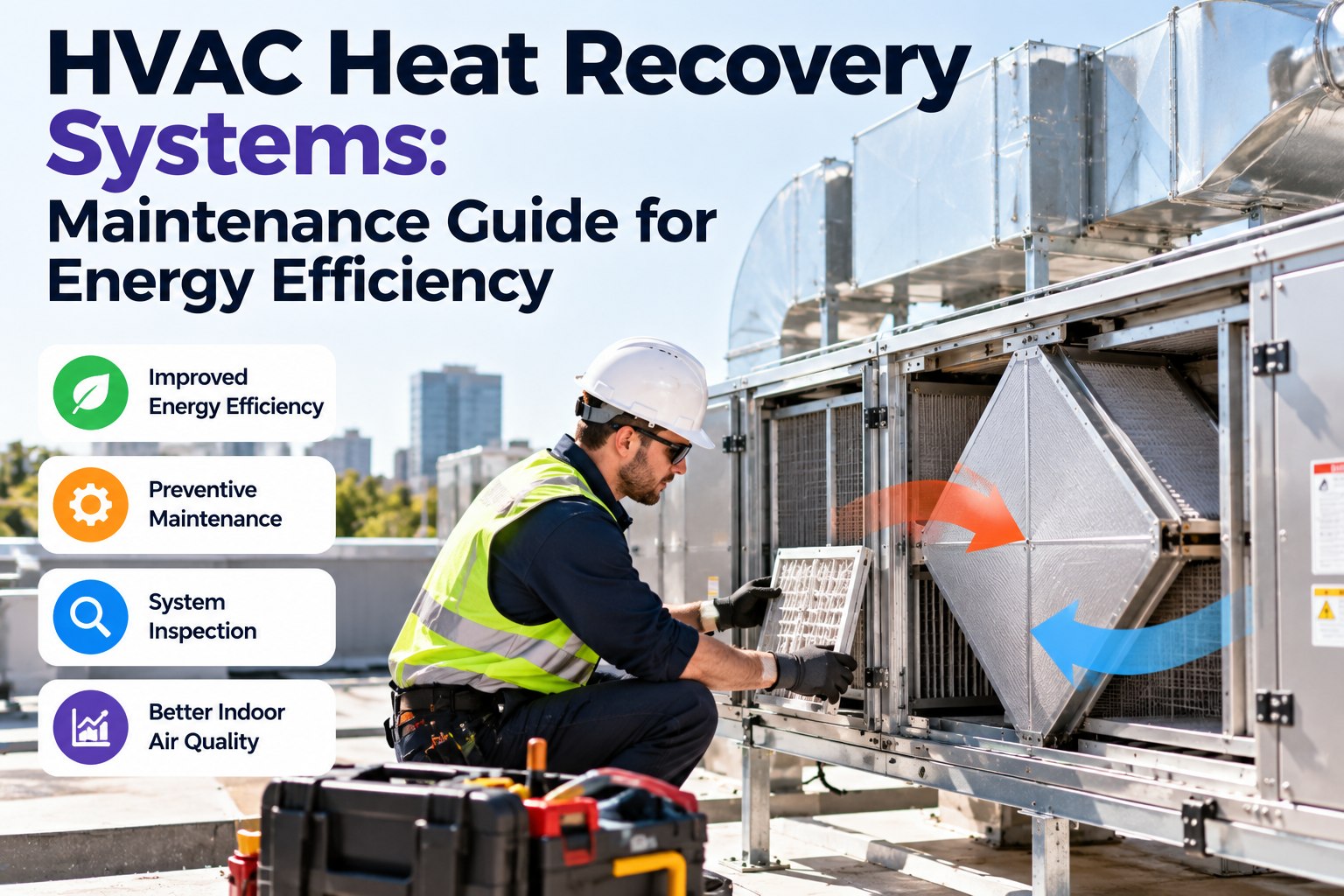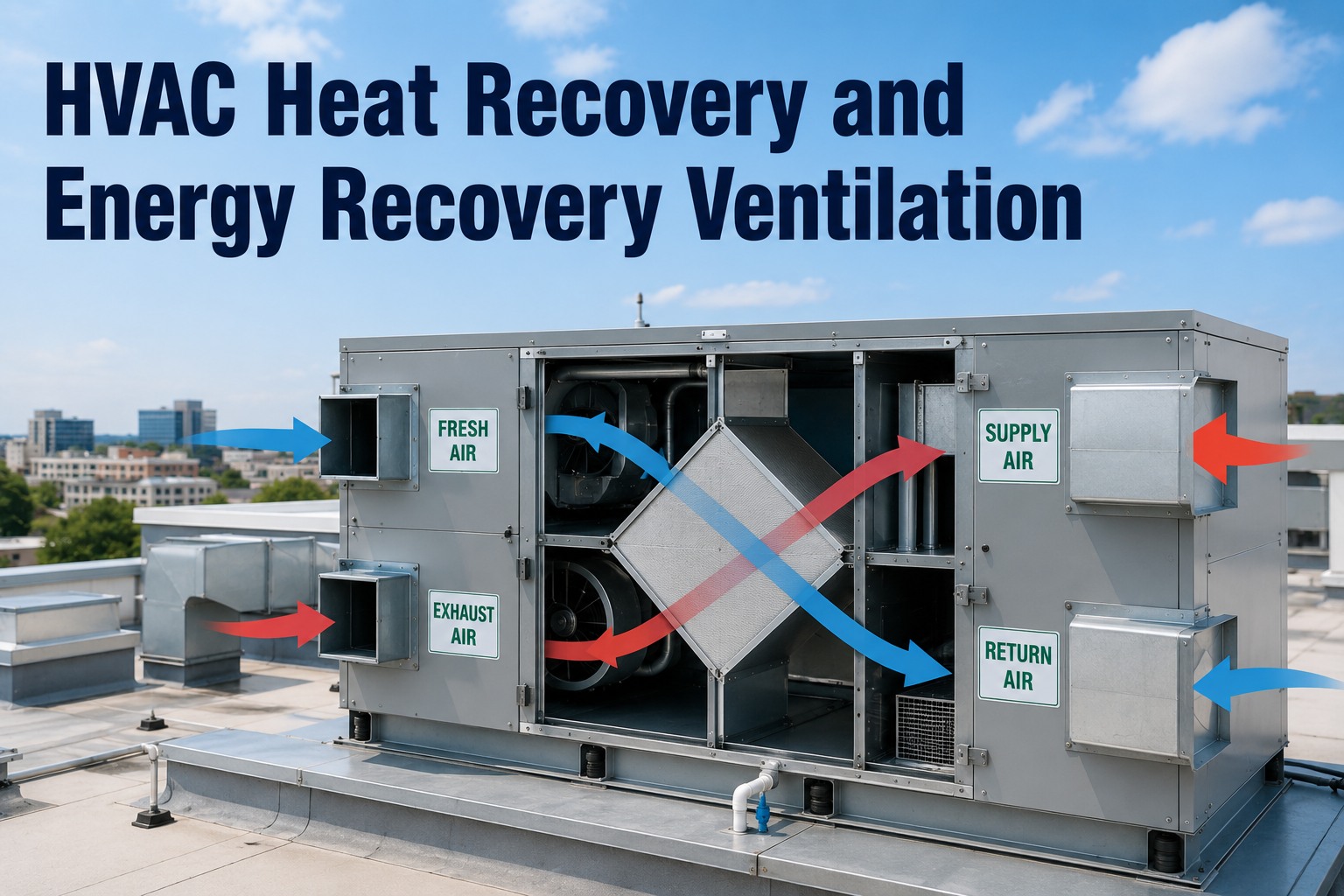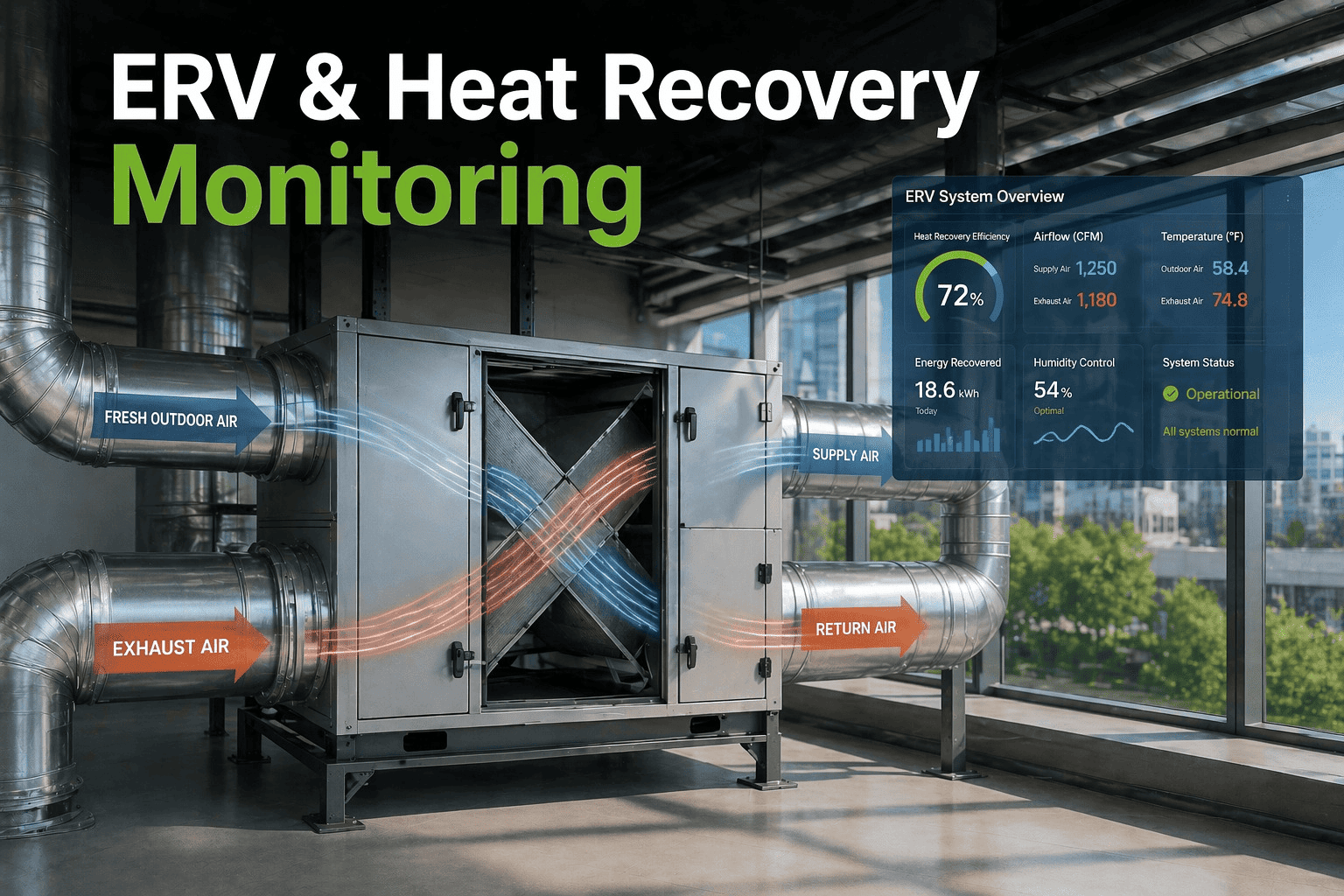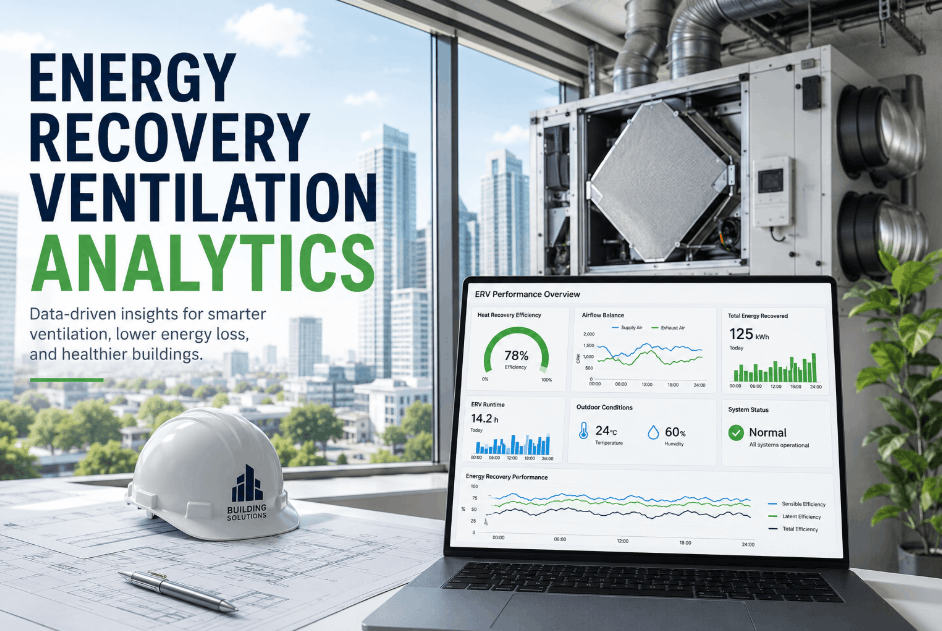
Energy recovery ventilation systems are among the most energy-efficient components in commercial building HVAC design — and also among the most under-monitored. When ERV systems are not continuously analyzed for airflow balance, heat transfer effectiveness, and runtime patterns, performance degradation goes undetected for months while energy costs quietly rise. Sign Up Free on Oxmaint to connect ERV sensor data, schedule performance inspections, and track ventilation system KPIs that expose hidden energy losses before they compound across your facility portfolio.
Why ERV Analytics Matter More Than Installation Alone
Installing an energy recovery ventilation system delivers efficiency gains only when the system operates within design parameters. Airflow imbalance, media fouling, bypass damper drift, and heat wheel degradation all reduce heat transfer effectiveness — but rarely trigger alarms until occupant comfort complaints surface. Continuous ERV performance analytics convert passive installation benefits into actively managed energy recovery. Book a Demo to see how Oxmaint tracks ventilation system performance data to catch degradation before energy losses become comfort problems.
Core ERV Analytics Parameters to Track in Your CMMS
Sign Up Free on Oxmaint to configure ERV asset records, sensor data connections, and performance inspection checklists across your commercial building portfolio.
ERV systems designed for balanced supply and exhaust airflow deliver peak heat transfer performance. Imbalances exceeding 10% reduce effectiveness and can cause pressure relationships to shift — driving conditioned air exfiltration or uncontrolled outdoor air infiltration that increases HVAC load directly.
Calculating seasonal heat transfer effectiveness from supply and exhaust temperature differentials reveals media degradation trajectories before efficiency losses become visible in utility billing. Trending effectiveness over time is the primary performance indicator for scheduled media cleaning and replacement decisions.
ERV runtime patterns — including bypass damper activation frequency, economizer mode duration, and defrost cycle hours — reveal whether the system is operating in energy recovery mode during peak benefit periods or defaulting to bypass when heat exchange would be most valuable.
Rising static pressure drop across heat exchange media indicates fouling that reduces both airflow capacity and heat transfer effectiveness simultaneously. Monitoring pressure differential trends enables predictive cleaning schedules that prevent performance degradation rather than responding after efficiency loss is visible in energy data.
ERV Performance Degradation Sources and Maintenance Response
ERV performance losses rarely have a single cause. Most commercial buildings experience compound degradation across multiple subsystems simultaneously. Understanding the specific loss source — and the maintenance action that addresses it — is essential before committing resources to repair versus replacement decisions. Book a Demo to see how Oxmaint links ERV performance analytics to automated maintenance work orders that close the detection-to-repair gap.
| Degradation Source | Observable Signal | Energy Impact | Maintenance Response | Oxmaint Action |
|---|---|---|---|---|
| Heat Exchange Media Fouling | Rising pressure drop, reduced effectiveness | 10–20% efficiency loss | Cleaning or media replacement | Predictive PM work order on trend |
| Airflow Imbalance | Supply/exhaust CFM deviation >10% | 5–15% recovery loss | Fan balancing, damper adjustment | Scheduled airflow balance inspection WO |
| Bypass Damper Malfunction | Reduced heat transfer at outdoor design conditions | 15–25% seasonal recovery loss | Damper actuator replacement, controls calibration | Alarm-triggered corrective WO |
| Heat Wheel Bearing Wear | Increased motor amperage, wheel speed deviation | Gradual effectiveness decline | Bearing replacement, wheel realignment | Runtime-based PM trigger |
| Frost / Ice Buildup | Defrost cycle frequency increase, airflow restriction | Variable, climate dependent | Controls optimization, pre-heat coil check | Seasonal PM checklist |
Building an ERV Analytics and Maintenance Program with Oxmaint
Register ERV Assets with Design Performance Specifications
Create individual Oxmaint asset records for each ERV unit — including design airflow rates, rated heat transfer effectiveness, media type, and heat wheel specifications. Design parameters become the performance baseline against which all monitoring data is compared for degradation detection.
Connect IoT Sensors for Continuous Data Ingestion
Connect supply air, exhaust air, and outdoor air temperature sensors alongside static pressure differential sensors across media and filter sections. Oxmaint ingests these data streams in real time — enabling continuous effectiveness calculation and pressure trend monitoring without manual spot readings.
Configure Performance Thresholds and Predictive Alerts
Set alarm thresholds for heat transfer effectiveness below design, pressure drop exceeding cleaning trigger levels, and airflow balance deviation. Oxmaint auto-generates inspection or corrective work orders when thresholds breach — ensuring performance gaps are addressed before they translate into sustained energy waste.
Schedule Seasonal Performance Inspections
ERV systems face different degradation risks across heating and cooling seasons. Oxmaint's PM scheduler dispatches seasonal inspection work orders with asset-specific checklists — covering media condition, airflow verification, damper function, and controls calibration on a planned rather than reactive basis.
Track Energy Recovery KPIs Across the Portfolio
Oxmaint's analytics dashboard aggregates ERV performance data across every building — enabling portfolio managers to benchmark site performance, identify consistent underperformers, and prioritize capital investment in systems where efficiency recovery potential exceeds service cost.
ERV Performance KPIs for Facility Management Teams
Primary indicator of ERV performance. Trending below 70% of nameplate effectiveness signals media fouling or heat wheel degradation requiring inspection and maintenance intervention.
Tracks supply-to-exhaust airflow ratio against design specification. Imbalances shift building pressure relationships and reduce heat recovery — driving direct increases in conditioning load.
Rising pressure drop across heat exchange media indicates fouling that restricts airflow and reduces effectiveness simultaneously. Tracking this trend enables predictive cleaning scheduling before dual performance losses compound.
Bypass damper activating outside programmed economizer conditions signals controls drift or actuator malfunction that prevents heat recovery during periods when outdoor conditions favor it — a recoverable energy loss with rapid repair ROI.
Defrost cycle frequency above design specification indicates frost formation beyond expected levels — signaling pre-heat coil issues, airflow imbalance, or controls calibration drift requiring seasonal maintenance attention.
ERV performance degrades predictably when seasonal inspections are skipped. PM compliance below 85% is the leading indicator of the media fouling and airflow imbalance conditions that create sustained hidden energy losses.