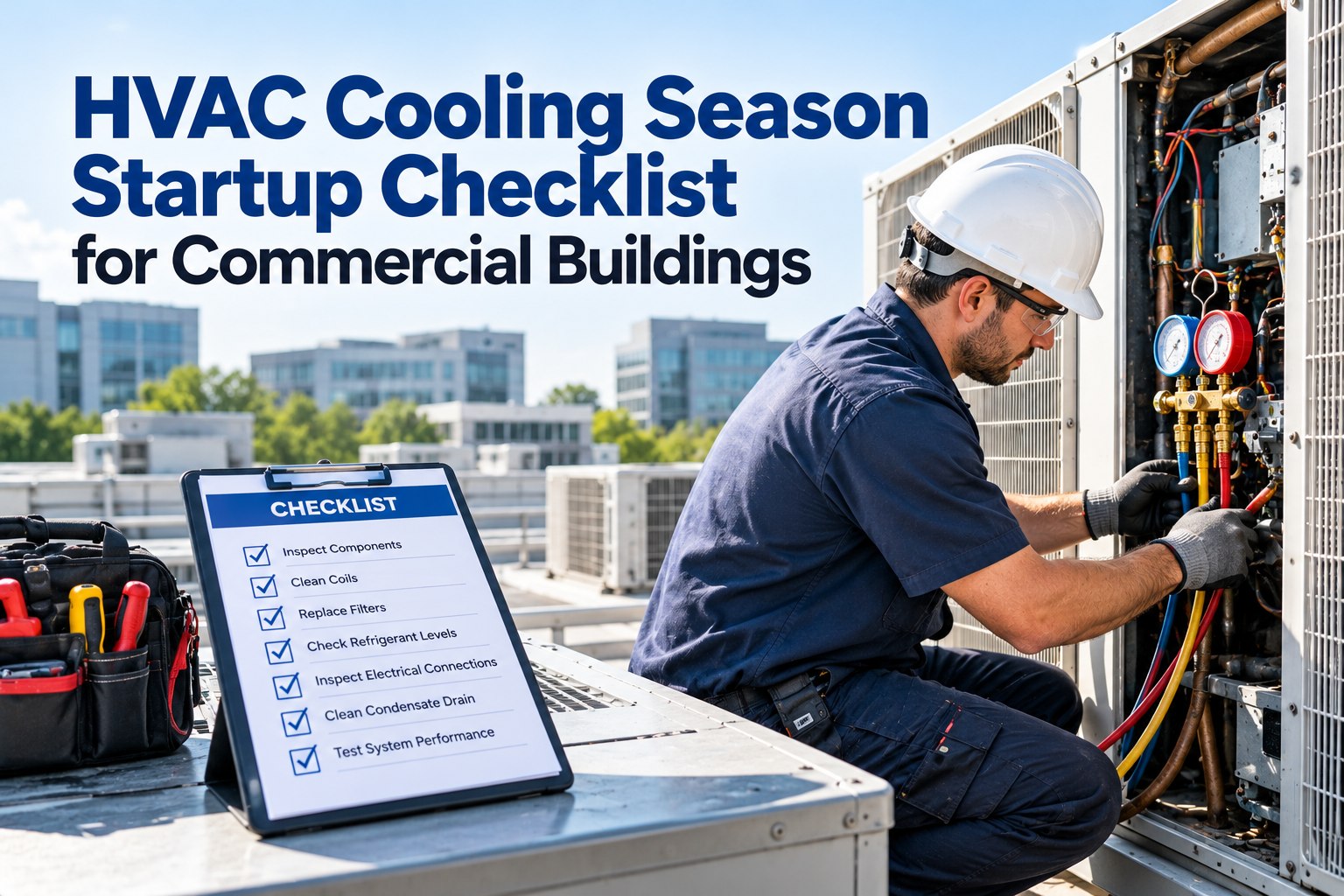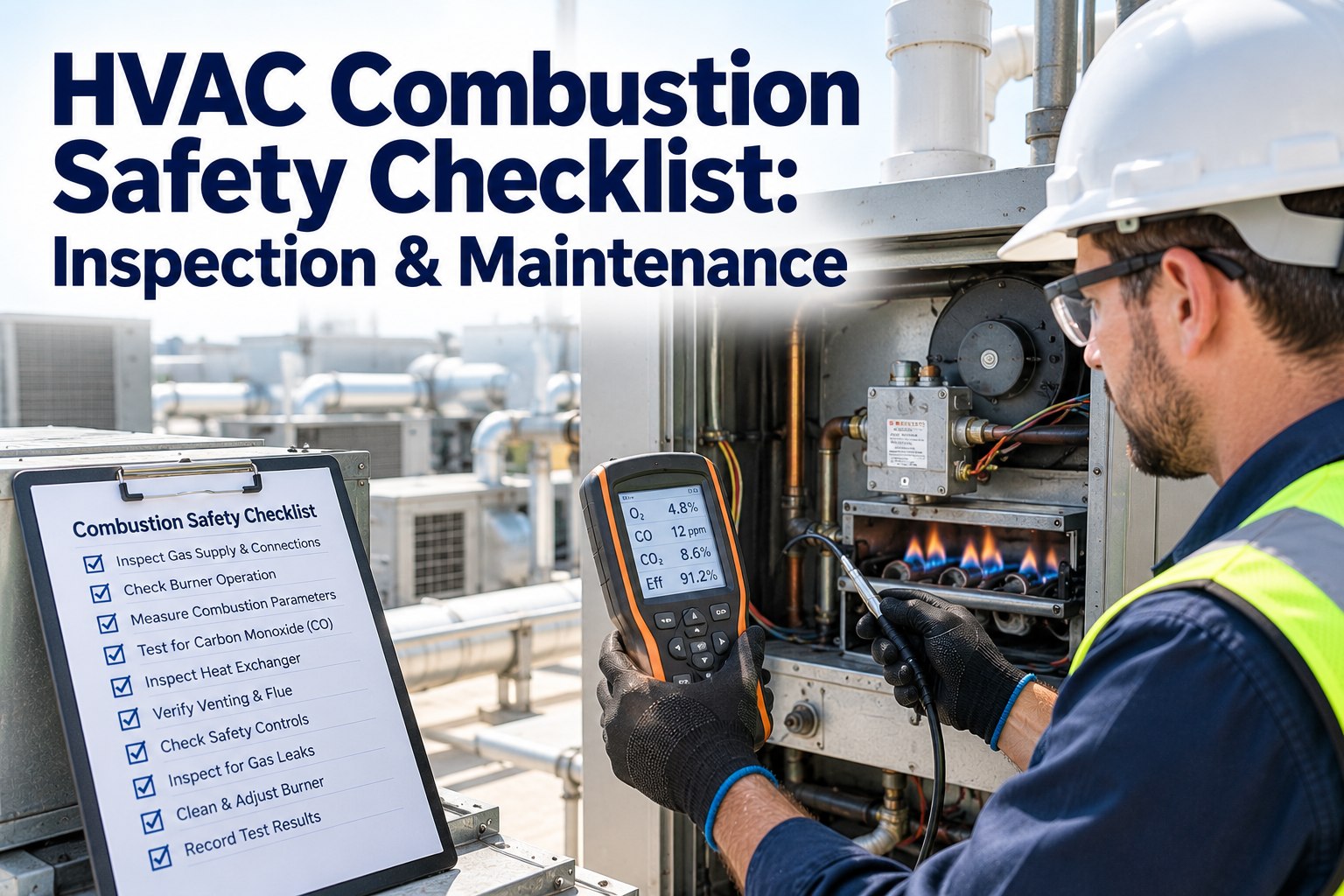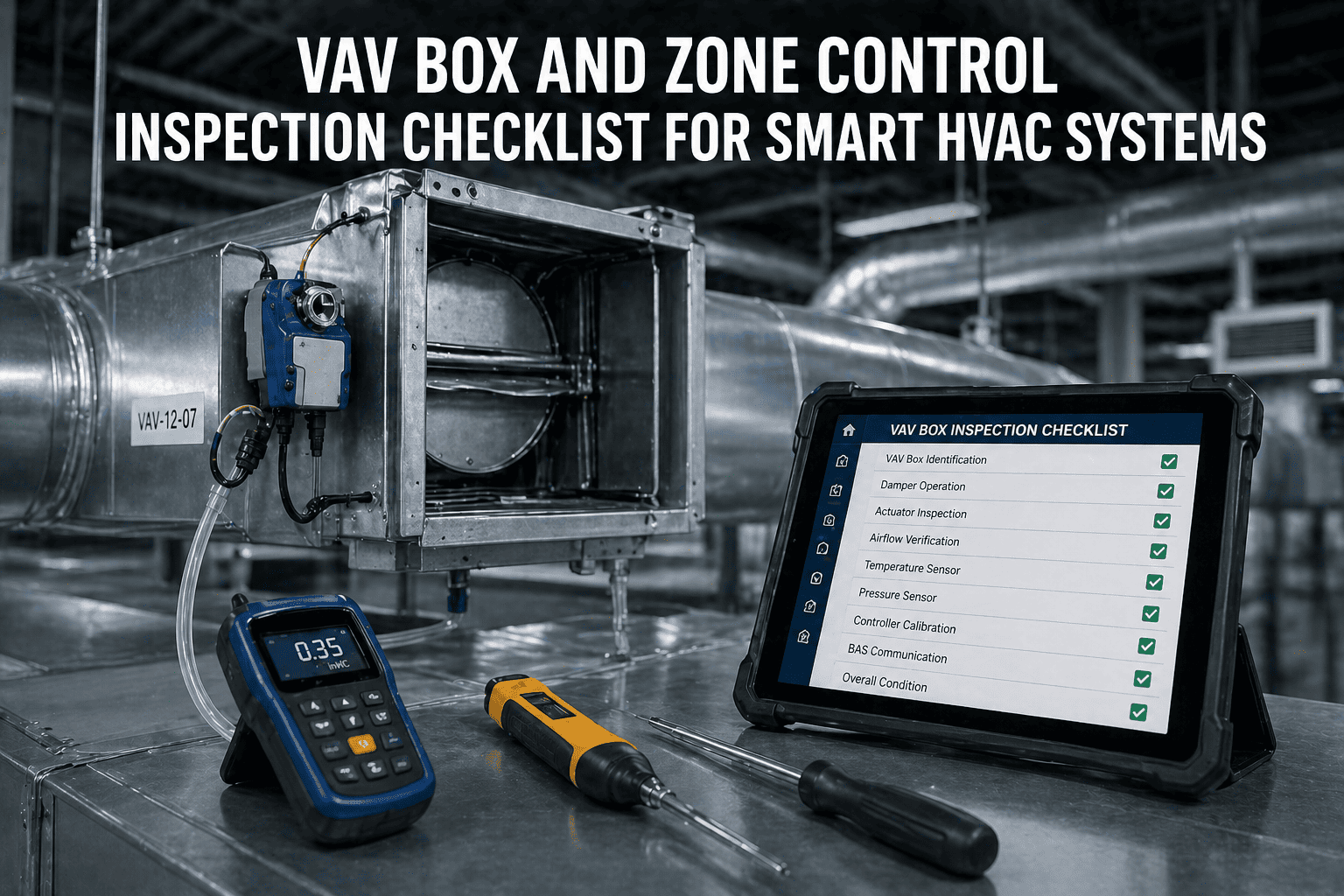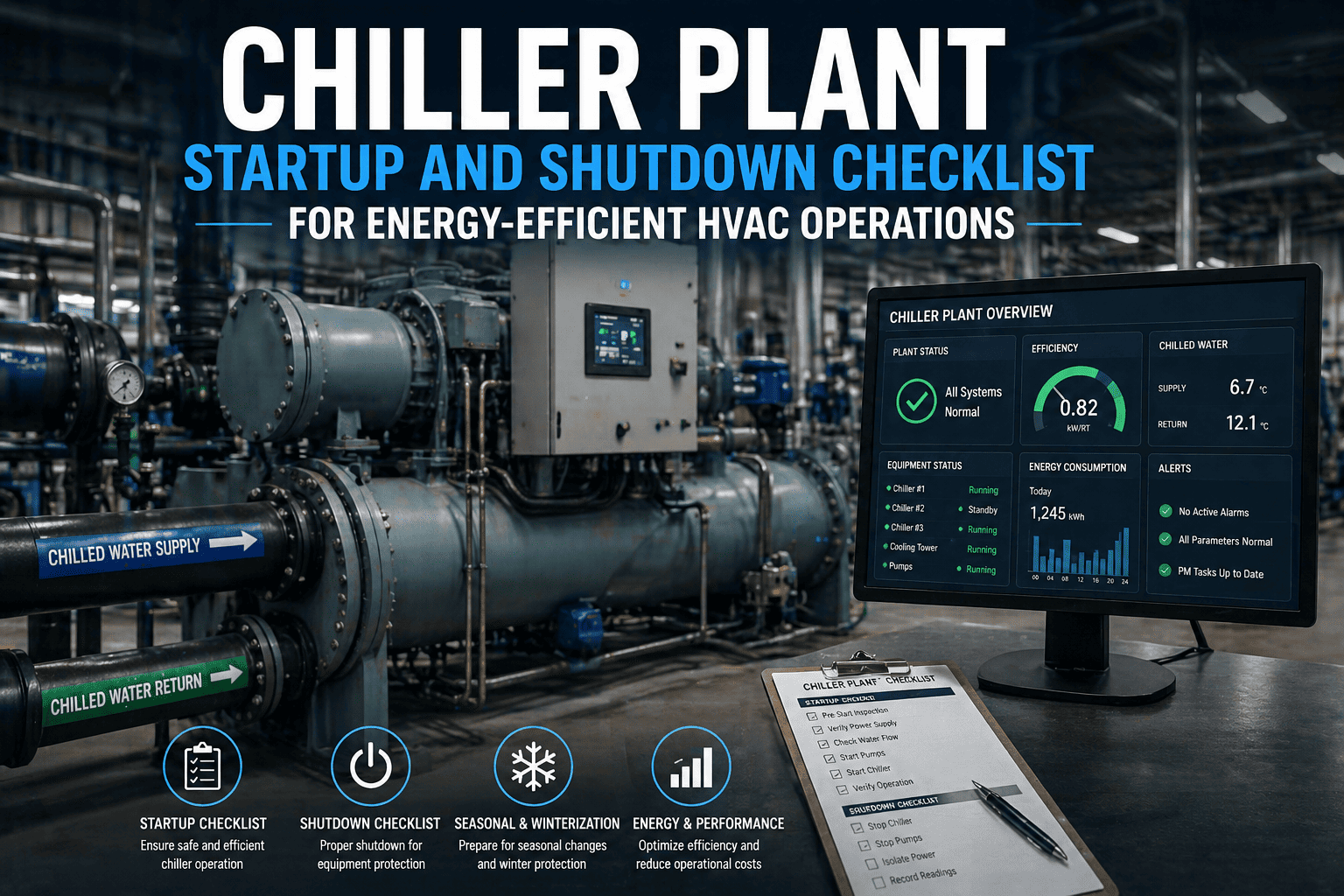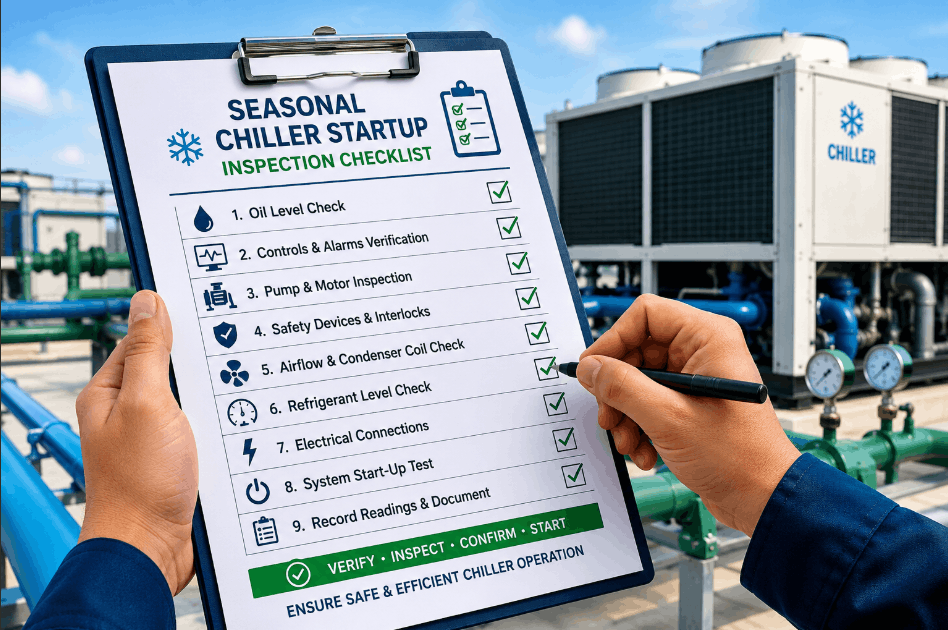
A seasonal chiller startup inspection checklist is not a generic walkthrough — it is a structured, equipment-specific verification sequence that separates cooling plants that run at full capacity from the first day of the season from those that accumulate compressor faults, refrigerant loss, and unplanned shutdowns within the first two weeks of operation. Under ASHRAE 180 and OEM startup protocols, chillers require a sequenced inspection covering oil systems, controls, safety interlocks, pump alignment, and airflow before any seasonal load is applied. Skipping or approximating these steps forces compressors to start under unknown conditions, shortening lifespan, triggering warranty voids, and producing early-season breakdowns during peak demand. Sign Up Free to digitize your chiller startup procedure in Oxmaint, auto-assign work orders before the cooling season begins, and log every inspection point with technician sign-off directly in your CMMS. This checklist covers oil levels, controls verification, pump checks, safety systems, and airflow in the correct startup sequence so your team executes the right task at the right time — every season. Book a Demo to see how Oxmaint builds equipment-specific startup checklists and routes them to assigned technicians before each seasonal window opens.
Your Chiller Startup Procedure Needs a CMMS Behind It — Not a Clipboard
Oxmaint auto-schedules seasonal chiller startup work orders, routes them to the right technician, and captures every oil level, safety check, and controls reading in a timestamped digital log — so your cooling plant is verified, documented, and ready before load day.
Chiller Oil System Verification Checklist
Oil system failures are the leading cause of compressor damage during seasonal chiller startup. Refrigerant migration into the oil sump over the off-season dilutes lubrication, raising the risk of bearing damage during the first start. Sign Up Free to log oil system checks against OEM specs in Oxmaint and flag out-of-range readings before startup authorization is issued.
Controls Verification and Safety Interlock Checklist
Controls and safety interlock failures are the second largest cause of seasonal startup problems in commercial chillers. A safety that was tripped at end-of-season and left in lockout, or a controls sensor that drifted over winter, can produce an immediate shutdown or — worse — allow unsafe operation to continue undetected. Book a Demo to see how Oxmaint links chiller controls verification tasks to asset records and enforces sign-off before work orders are closed.
Chilled Water and Condenser Water Pump Startup Checklist
Chilled water and condenser water pump failures at seasonal startup cause immediate chiller lockout on low flow protection. Verifying pump alignment, flow switches, and strainer condition before the chiller is started eliminates the most common preventable startup failure mode in water-cooled and air-cooled chiller plants. Book a Demo to see how Oxmaint links pump startup tasks to chiller asset records and sequences work orders in the correct pre-start order.
Refrigerant Charge and Airflow Verification Checklist
Refrigerant charge loss over the off-season and condenser airflow restriction are the two most direct causes of compressor overheating and early-season high-head-pressure faults. Verifying refrigerant charge, leak-checking all connections, and confirming condenser airflow before applying full cooling load prevents the majority of first-week compressor failures in both air-cooled and water-cooled chillers. Sign Up Free to track refrigerant charge logs, leak test records, and airflow checks in Oxmaint with full asset history available for every service event.
Seasonal Chiller Startup PM Frequency and Standards Reference
| System / Component | Startup Task | Frequency | Governing Standard |
|---|---|---|---|
| Oil System | Sump level, heater, pre-lube test, filter DP, oil sample | Seasonal (Spring) | ASHRAE 180 / OEM |
| Controls and Safeties | Fault log review, cutout setpoints, relay test, sensor calibration | Seasonal (Spring) | ASHRAE 180 / OEM |
| Chilled Water Pumps | Strainer cleaning, rotation check, flow switch test, DP baseline | Seasonal (Spring) | ASHRAE 180 / OEM |
| Condenser Water Pumps | Strainer, rotation, flow switch, differential pressure | Seasonal (Spring) | ASHRAE 180 / OEM |
| Refrigerant Circuit | Charge verification, electronic leak detection | Seasonal / Annual | EPA Section 608 / ASHRAE 180 |
| Condenser Coils (Air-Cooled) | Cleaning, fin inspection, fan motor test | Seasonal (Spring) | ACCA Standard 4 / OEM |
| BAS Integration | Start/stop command, status, alarm point verification | Seasonal | ASHRAE 180 |
| Startup Log | Full parameter log at incremental load steps | Each startup season | OEM Startup Protocol |
Stop Relying on Paper Startup Logs. Start Running Verifiable, Digital Chiller Startups.
Oxmaint builds seasonal chiller startup checklists into your CMMS, assigns them to qualified technicians before the cooling season window opens, and captures every oil, refrigerant, pump, and controls reading in a timestamped, auditable digital record — accessible from any site, any time.
Frequently Asked Questions — Seasonal Chiller Startup Inspection Checklist
Every Cooling Season. Every Chiller. Every Startup Task — Scheduled, Dispatched, and Documented in Oxmaint.
Oxmaint makes seasonal chiller startup the most reliable part of your facilities program — not the one that gets compressed into one day because the season arrived before the checklist did.