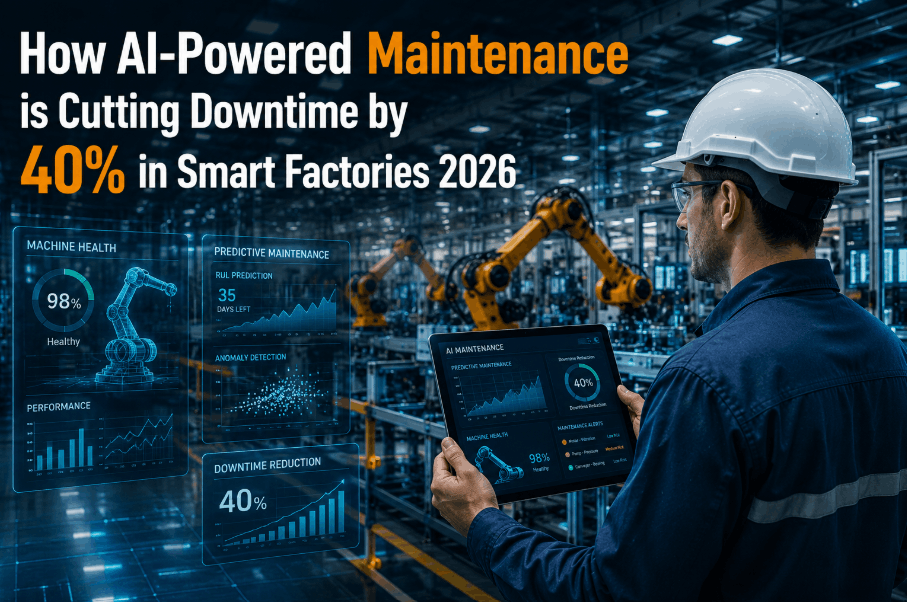
The transition from traditional digital maintenance to fully autonomous, AI-powered ecosystems is the defining shift for smart factories in 2026. While legacy CMMS systems were designed for data recording, modern AI-driven platforms like Oxmaint are designed for operational intelligence — moving beyond simple alerts to provide predictive prescriptions that are cutting unplanned downtime by up to 40%. By leveraging deep learning models and real-time sensor data, manufacturers are now identifying failure signatures weeks before they manifest as equipment stoppages. Sign up for Oxmaint to deploy industrial AI across your production lines and join the top tier of smart factory operators.
Is Your Plant Running on the Right Asset Management System in 2026?
OxMaint delivers both CMMS and EAM capabilities on a single platform — built for manufacturing plants that need powerful asset management without the enterprise price tag.
The 7 Pillars of AI-Powered Maintenance in 2026
AI-powered maintenance is not a single technology; it is a holistic ecosystem that connects machine health to human execution. In the smartest factories of 2026, these specific AI capabilities are driving the majority of operational gains, transforming maintenance from a necessary cost into a competitive advantage.
Real-Time Fault Signature Recognition
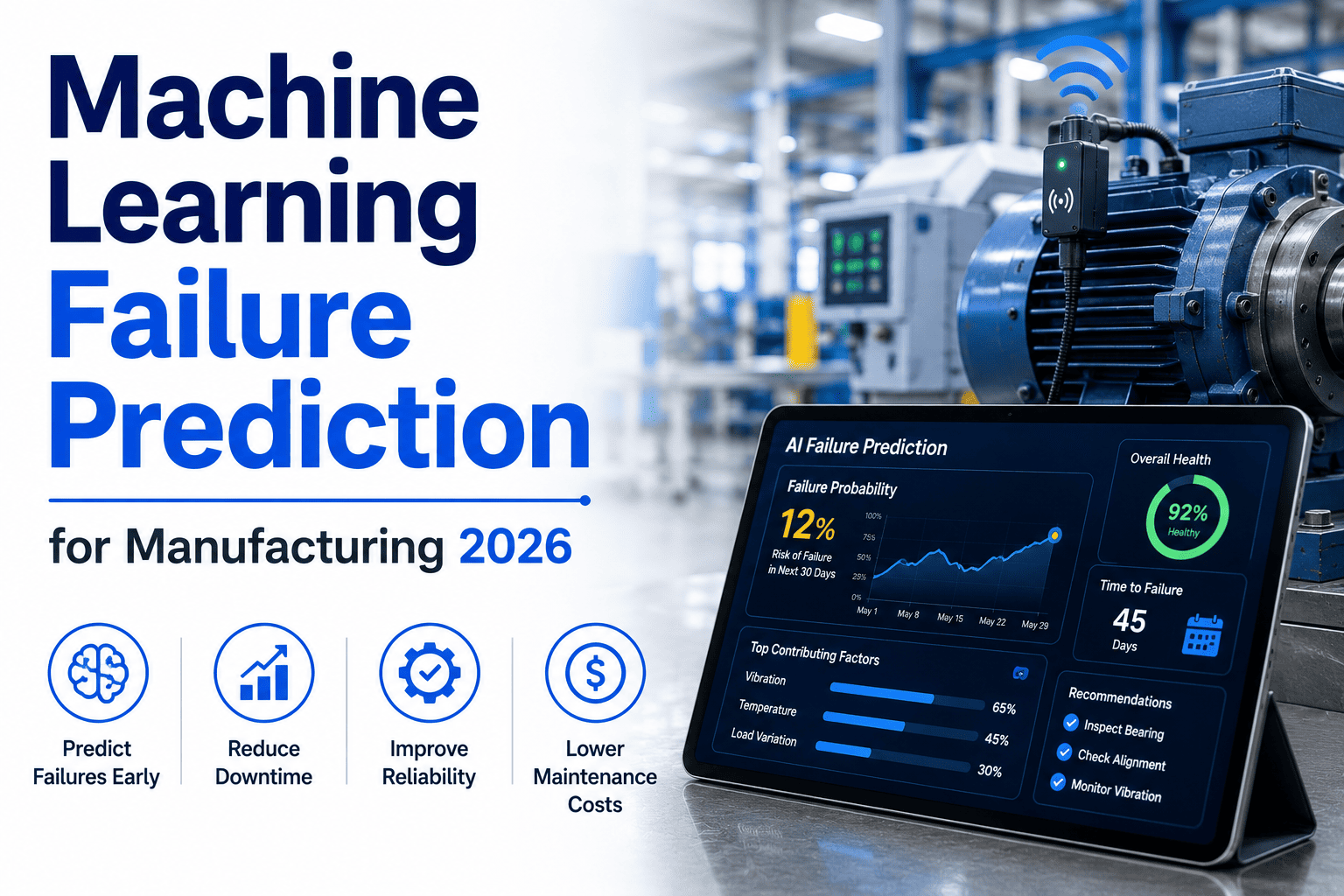
Using deep learning to monitor vibration, temperature, and power consumption. The AI identifies "micro-deviations" that indicate early-stage component degradation, often invisible to human operators or legacy threshold alerts.
Remaining Useful Life (RUL) Forecasting
AI models calculate the precise Remaining Useful Life of critical components like spindle bearings or hydraulic seals. This allows planners to schedule replacements during existing downtime windows, eliminating emergency stoppages.
Automated Root Cause Analysis (RCA)
When a fault occurs, the AI cross-references historical failure data, sensor logs, and maintenance records to instantly suggest the most likely root cause, reducing diagnostic time by up to 65% for complex systems.
Intelligent Work Order Dispatching
The system automatically matches high-priority work orders with the most qualified available technician based on skills, location, and certification status, ensuring the right person is always at the right machine.
Visual Inspection Automation
NVIDIA-integrated AI cameras detect leaks, steam breaches, or safety zone violations in real-time, automatically generating maintenance requests without requiring manual human observation.
Generative Technical Copilots
LLMs trained on asset manuals and historical repair notes provide technicians with instant, asset-specific troubleshooting steps via mobile voice-to-text interfaces on the factory floor.
Predictive Spare Parts Optimization
AI forecasts precisely which parts will be needed based on the RUL of equipment, ensuring critical spares are in stock exactly when the maintenance task is scheduled, reducing carrying costs by 25%.
AI-Enhanced EHS: Automating Visual Safety & Compliance Auditing
Maintenance in 2026 isn't just about production; it's about the safety of the human workforce. AI Vision systems, integrated directly into the CMMS, act as 24/7 safety auditors that never blink, ensuring that your factory remains compliant with OSHA and global EHS standards without manual oversight.
Real-Time PPE & Safety Zone Monitoring
AI vision cameras automatically detect if technicians are wearing mandated PPE (helmets, gloves, high-vis vests) before entering critical maintenance zones. If a violation is detected, the system can automatically lock out equipment or trigger audible alerts, preventing incidents before they happen.
Automated Leak & Emission Detection
Infrared and AI vision cameras monitor for "silent killers" like steam leaks, chemical seepage, or fugitive emissions. These are automatically logged as high-priority work orders, ensuring that environmental impact is minimized and energy waste is stopped immediately.
Edge Computing & NVIDIA Hardware: The Infrastructure of AI Maintenance
For AI to provide real-time prescriptions, the underlying hardware must be capable of processing millions of data points per second. Smart factories in 2026 are moving away from centralized cloud processing toward a hybrid "Edge-to-Cloud" model that leverages high-performance industrial computing.
NVIDIA Jetson & Industrial GPUs
By deploying NVIDIA Jetson modules directly at the machine level, inference happens in milliseconds. This allows the AI to trigger emergency stops or adjustments locally, without waiting for a round-trip to a centralized server.
5G/Wi-Fi 6 Industrial Networking
Ultra-low latency networking ensures that high-definition visual data and sensor streams are synchronized perfectly with the digital twin, allowing for "live" maintenance dashboards that show the exact health of the entire plant floor.
Ready to Deploy the Next Generation of Maintenance Intelligence?
From real-time anomaly detection to AI-driven resource optimization, Oxmaint provides the platform to turn your factory data into a 40% reduction in unplanned downtime. Start your AI transition today.
Implementation Strategy: Moving from Legacy to Autonomous AI
The path to a 40% reduction in downtime is paved with specific technological integrations. By connecting the factory floor to an intelligent cloud, manufacturers are creating a "Digital Twin" of their maintenance operation that learns and improves with every completed work order.
Edge-to-Cloud Sensor Integration & Data Cleanliness
AI is only as good as the data it consumes. Step one involves deploying high-frequency vibration and acoustic sensors that filter data at the "edge" before sending health signatures to the cloud for deep analysis. Book a Demo to see Oxmaint's sensor integration in action.
Model Training & Baseline Establishment
During the first 30–60 days, the AI learns the "normal" operating signature of your specific assets. This baseline is critical for detecting subtle drifts that indicate wear-and-tear long before a catastrophic failure occurs.
Workflow Integration & Mobile-First Adoption
AI alerts must be actionable. We integrate AI prescriptions directly into the mobile work order system, ensuring that when an anomaly is detected, a work order is generated, prioritized, and dispatched to a technician's mobile device automatically.
Closed-Loop Reliability Engineering
Every repair is a training event. The AI analyzes the difference between its prediction and the actual repair findings, constantly refining its precision and reducing "false positive" alerts to near zero over time.
The Financial Impact: Breaking Down the 40% Downtime Reduction
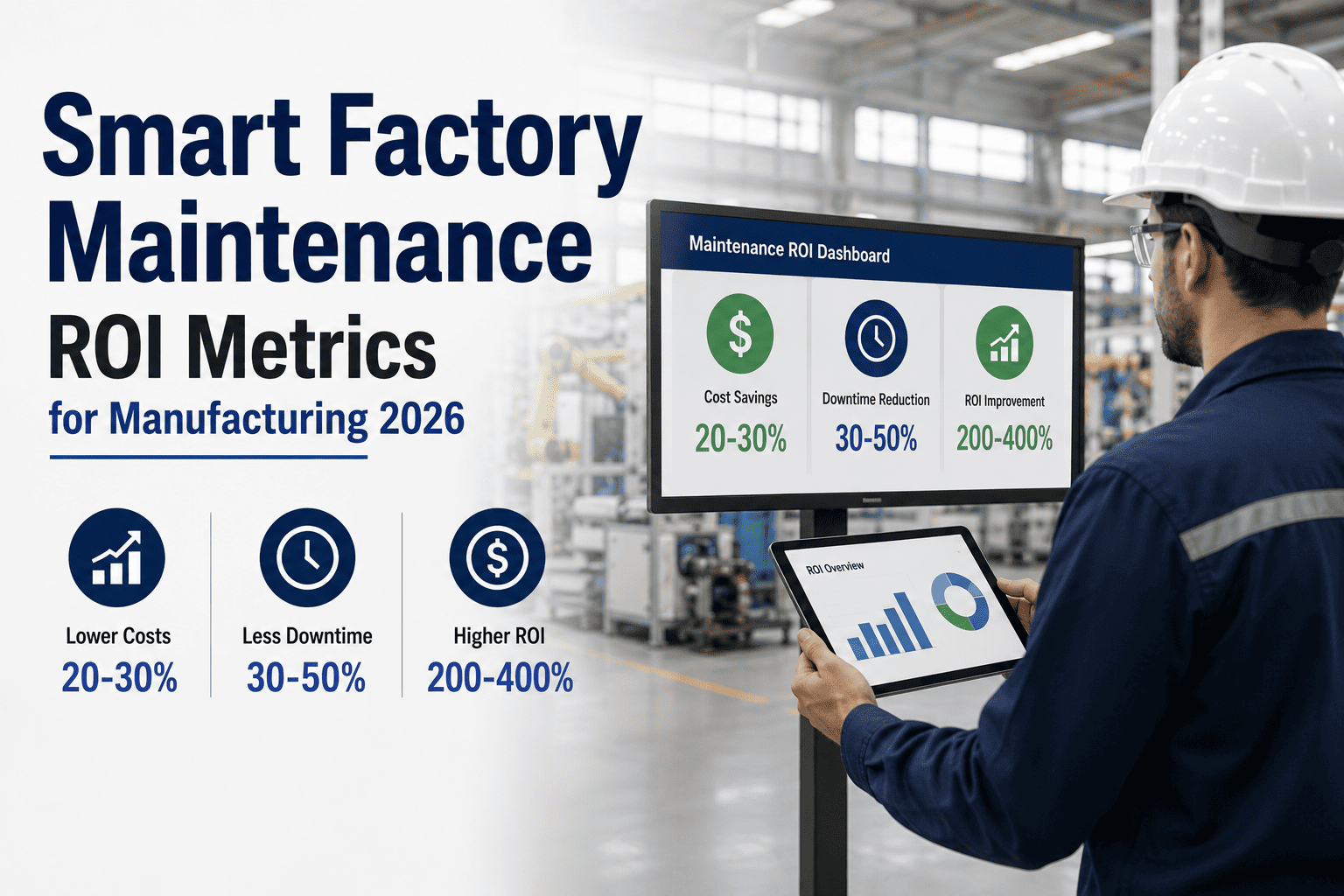
Investment in AI-powered maintenance is no longer just about engineering excellence; it is about the bottom line. The 40% reduction in unplanned downtime translates directly into increased throughput and significantly lower operational expenses.
| Benefit Category | Measured Improvement | Financial Impact Driver |
|---|---|---|
| Unplanned Downtime | 35% - 45% Reduction | Avoidance of emergency production losses and line restarts |
| Maintenance Costs | 20% - 25% Reduction | Elimination of unnecessary PMs and reduced overtime pay |
| Asset Life Extension | 15% - 30% Increase | Prevention of secondary damage from catastrophic failures |
| Technician Productivity | 40% - 50% Increase | Automated diagnostics and mobile-first knowledge access |
| Spare Parts Inventory | 15% - 20% Reduction | Elimination of "just-in-case" overstocking of critical parts |
AI in Maintenance — Questions Smart Factory Leaders are Asking
Stop Reacting. Start Predicting. Build Your AI Factory with Oxmaint.
Oxmaint provides the AI-driven backbone for the world's most efficient maintenance teams. From anomaly detection to intelligent dispatch, we give you the tools to cut downtime by 40% and lead the smart factory revolution.

.png)

