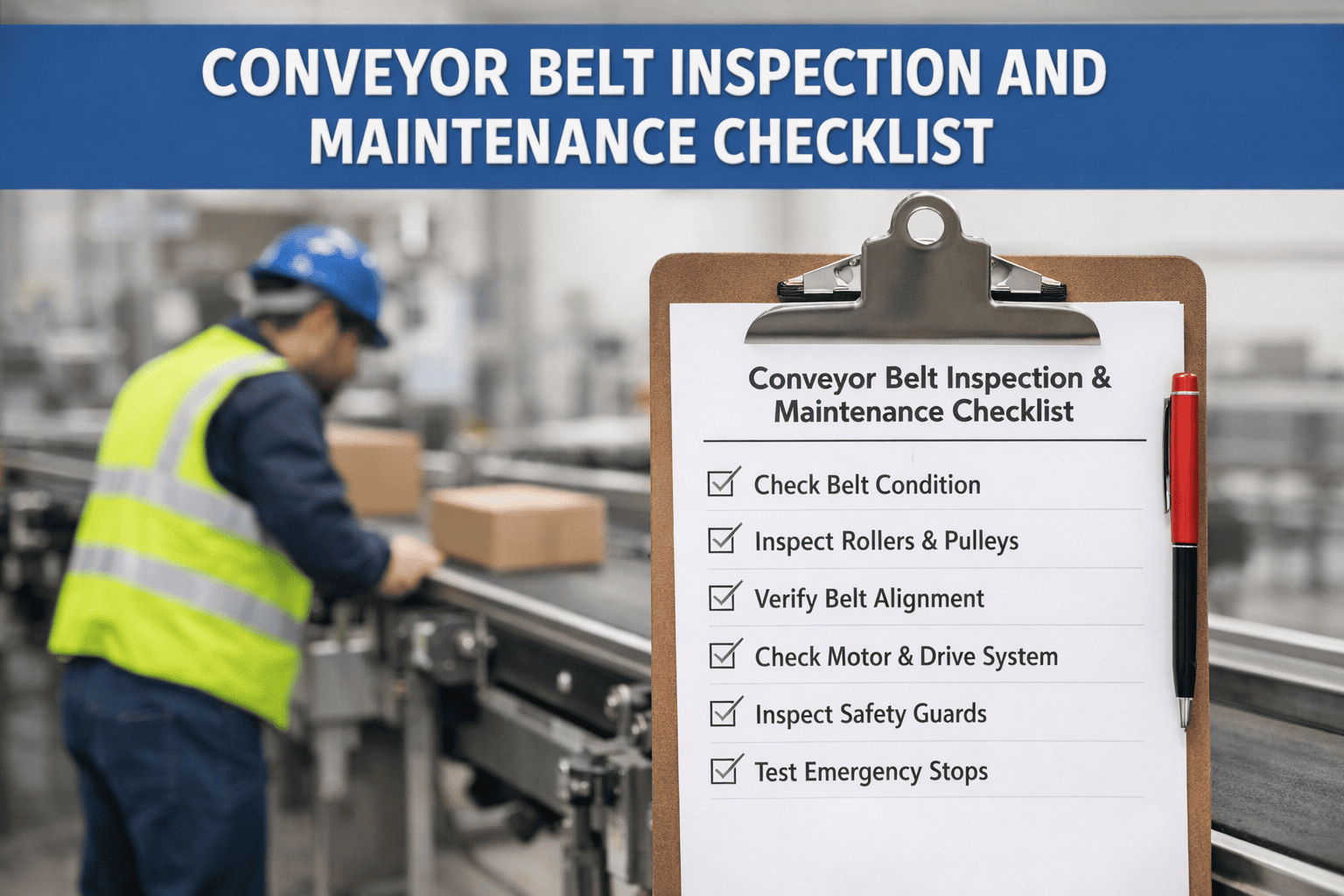
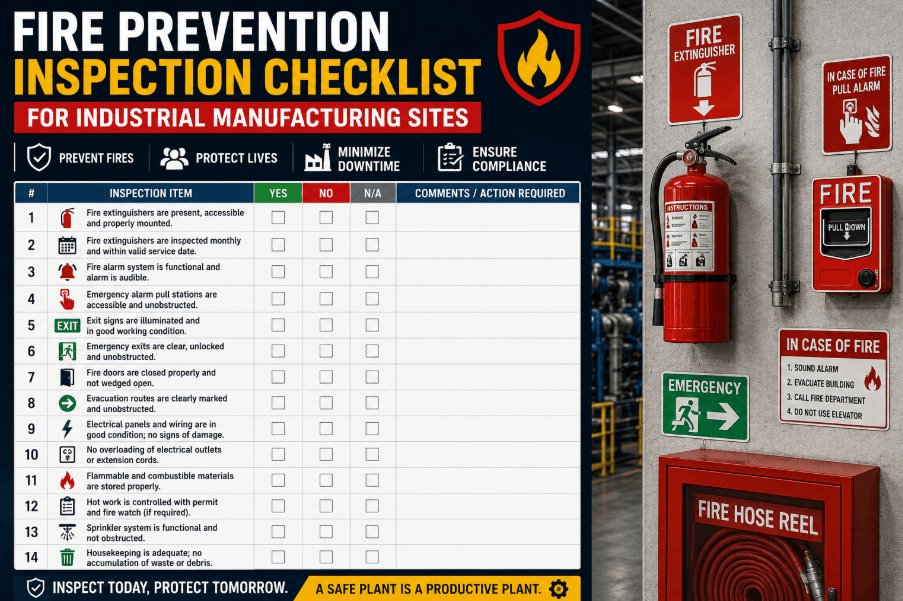
Conveyor System Maintenance Checklist for Manufacturing Plants
By oxmaint on February 27, 2026
Every manufacturing plant depends on conveyors to keep materials flowing, but a single belt failure or motor burnout can shut down an entire production line in seconds. Industry data shows unplanned downtime can cost manufacturers upwards of $250,000 per hour, and conveyor-related breakdowns are among the most common causes. The good news is that the vast majority of these failures are preventable with a structured inspection and maintenance program. This checklist guide walks you through exactly what to inspect, when to inspect it, and how to organize your conveyor PM program so nothing falls through the cracks. Schedule a free consultation to see how Oxmaint helps manufacturing teams automate conveyor maintenance from day one.
What Causes Conveyor Breakdowns in Manufacturing Plants
Before diving into the checklist, it helps to understand why conveyors fail. Most breakdowns trace back to a handful of root causes that are detectable during routine inspections. Recognizing these patterns lets your maintenance team prioritize the tasks that matter most and allocate resources effectively.
Belt Mistracking and Misalignment92% Preventable
Caused by uneven loading, worn idlers, off-center splices, debris buildup on pulleys, or an unlevel frame. Creates edge wear, material spillage, and accelerated component damage across the entire conveyor path.
Bearing and Roller Seizure88% Preventable
Inadequate or excessive lubrication, contamination ingress, and age-related fatigue cause rollers to seize. A single frozen roller increases belt drag, raises motor current draw, and creates localized hot spots that damage the belt.
Belt Slippage and Tension Loss85% Preventable
Worn pulley lagging, incorrect tension settings, wet or oily surfaces, and overloaded systems cause the belt to slip on the drive pulley. Slippage generates heat, accelerates wear, and reduces throughput without obvious visible signs.
Motor and Drive System Failure80% Preventable
Blocked ventilation, voltage imbalance, seized downstream components, and lack of temperature monitoring lead to motor overheating. Drive chain wear and sprocket damage compound when lubrication schedules are missed.
Every breakdown listed above is preventable with the right inspection schedule. Sign up to create digital conveyor checklists in Oxmaint — assign daily belt tracking checks, weekly lubrication tasks, and monthly motor inspections to your team, with automatic reminders so nothing gets missed.
Belt mistracking is the single most common conveyor problem in manufacturing, and a misaligned belt can increase energy consumption by more than 20% while dramatically shortening belt life. Systematic alignment inspection should be part of every daily walkthrough. Here is the procedure your technicians should follow.
01
Check the Conveyor Frame
Use a carpenter's level to verify the frame is level to within 1/32 inch accuracy. Measure diagonally from corner to corner — if the measurements differ, the frame is out of square and must be corrected before any belt adjustment will hold.
02
Verify Head and Tail Pulley Alignment
Confirm that both pulleys are perpendicular to the belt centerline and parallel to each other. Use a straightedge, string line, or laser alignment tool. Even minor angular deviation will cause persistent mistracking.
03
Inspect All Idlers and Return Rollers
Spin each roller by hand to check for free rotation. Seized or sluggish rollers push the belt sideways. Look for flat spots, wobble, or bearing noise. Replace defective rollers and clean debris from all contact surfaces.
04
Run the Belt Empty and Observe Tracking
Start the conveyor and watch the belt through at least 3 full revolutions. Note where the belt drifts — the correction point is typically 15 to 20 feet behind where the belt runs off, not at the drift point itself.
05
Make Incremental Adjustments
Adjust snub rollers and idlers only — never the drive pulley. Make small adjustments and wait 2-3 full belt revolutions between each change. On the return side, start adjustments from the head end; on the carrying side, start from the tail.
Conveyor Motor Maintenance: Preventing Costly Drive Failures
The drive motor is the most expensive single component on most conveyor systems, and motor replacement means extended downtime plus high parts costs. A focused motor maintenance routine protects this critical asset and gives you early warning before failure occurs. Sign up for Oxmaint to set automated motor inspection reminders and track temperature trends over time.
Weekly
Temperature Monitoring
Record motor housing temperature with an IR thermometer and compare to the manufacturer's rated maximum. A sudden rise of 10-15 degrees above baseline signals ventilation blockage, bearing distress, or electrical overload. Log every reading for trend analysis.
Weekly
Noise and Vibration Check
Listen for grinding, humming, or rattling sounds during startup and operation. Use a vibration pen or stethoscope on motor bearings. Changes in vibration signature are the earliest detectable indicator of bearing degradation, often weeks before failure.
Monthly
Electrical Inspection
Check motor current draw with a clamp meter and compare to nameplate amperage. Inspect wiring connections for corrosion, looseness, or heat discoloration. Verify VFD parameters and test overload protection circuits. Even small electrical faults appear as inconsistent speed before causing full failures.
Monthly
Ventilation and Cooling
Clean motor cooling fans and air intake vents. Clear dust and debris from heat dissipation fins. Blocked ventilation is the leading cause of motor overheating in dusty manufacturing environments. Ensure minimum clearance is maintained around the motor housing.
Quarterly
Drive Chain and Sprocket Assessment
Inspect the drive chain for stretch, wear, and proper tension. Check sprocket teeth for hooking, wear patterns, and alignment with the chain. Replace chain and sprockets as a set when either component exceeds wear limits — mismatched components accelerate failure of both.
Quarterly
Gearbox and Reducer Service
Check gearbox oil level, color, and condition. Dark or metallic-flecked oil indicates internal wear. Verify operating temperature and listen for unusual gear noise. For large gearboxes, consider oil analysis to detect early signs of gear tooth wear or contamination.
See how Oxmaint automates motor temperature logging and vibration trend alerts in a live walkthrough. Book a demo and our team will show you how to set up automated weekly motor checks, quarterly drive chain inspections, and instant failure notifications for your specific conveyor fleet.
Complete Preventive Maintenance Schedule by Component
Organizing your conveyor PM schedule by component ensures every part of the system receives attention at the right interval. Actual frequencies should be adjusted based on your conveyor type, operating hours, load intensity, and environmental conditions like dust, moisture, and temperature extremes.
Conveyor PM Schedule: Inspection Frequency by Component
Component
Daily
Weekly
Monthly
Quarterly
Annual
Belt Surface and Edges
Visual check for cuts, fraying, and tracking
Detailed edge wear measurement
Full-length integrity audit
Thickness measurement at multiple points
Replacement assessment
Belt Tension
—
Gauge check, slippage test
Full tension calibration
—
—
Rollers and Idlers
Listen for seized rollers
Hand-spin rotation check
Alignment and free-play inspection
—
Full replacement evaluation
Bearings
—
Lubrication per OEM schedule
Temperature and noise check
Vibration analysis
Condition-based replacement
Drive Motor
Sound and smell check
Temperature reading
Amp draw, wiring, and VFD inspection
Insulation resistance test
Full motor service
Pulleys and Lagging
—
—
Wear, cracking, lagging adhesion check
Alignment verification
Re-lagging assessment
Safety Devices
E-stop and pull cord test
Guard and interlock verification
—
Comprehensive safety audit
Regulatory compliance review
Structural Frame
—
—
Fastener tightness, crack inspection
Level and square measurement
Corrosion treatment
High-throughput and harsh-environment conveyors may require more frequent inspection. Always adjust based on manufacturer guidance, historical failure data, and operating conditions specific to your plant.
How Predictive Maintenance Reduces Conveyor Downtime
Preventive checklists catch problems early, but predictive maintenance catches them even earlier — often weeks before a component fails. By combining structured inspections with sensor-based monitoring, manufacturing plants are achieving dramatic reductions in unplanned conveyor downtime. Book a demo to explore how Oxmaint integrates sensor data with your PM schedules.
Paper Checklists Only
~35% of failures caught early
Manual inspections depend on technician skill and consistency. Long gaps between inspections mean problems can develop and worsen undetected. Paper records make trend analysis nearly impossible.
CMMS-Driven Preventive Maintenance
~65% of failures caught early
Digital checklists ensure every task is completed on time with audit trails. Automated scheduling eliminates missed inspections. Historical data reveals recurring failure patterns that guide PM optimization.
CMMS + Predictive Sensors
~90% of failures caught early
Vibration sensors, temperature probes, and current analyzers feed real-time data into your CMMS. AI-driven alerts flag anomalies the moment they appear. Maintenance is scheduled precisely when needed — not too early, not too late.
70%
Reduction in unplanned downtime with proper belt selection and structured PM
25%
Downtime reduction from IoT-integrated smart conveyor monitoring systems
30-50%
Extension in service intervals achievable through condition-based maintenance
Essential Spare Parts Inventory for Conveyor Maintenance
Even the best PM program needs parts on hand when a replacement is required. Stocking critical spares eliminates the delay between identifying a problem and resolving it. Here are the components every manufacturing plant should keep available.
Critical
Replacement Belts or Belt Sections
Belt failure halts the entire line. Keep at least one full-length belt or sufficient splice material for emergency repairs.
Critical
Bearings for Drive and Tail Pulleys
Bearing failure is the most common cause of unexpected stops. Stock matched bearings for every pulley position.
High
Spare Rollers and Idlers
Seized rollers damage belts and raise energy costs. Keep spares for each roller type in your system.
High
Drive Chains and Sprockets
Always replace as a matched set. Worn chains on new sprockets (or vice versa) accelerate failure of both components.
Medium
Belt Lacing and Splice Kits
Enable fast field repairs without waiting for a full belt replacement. Essential for minimizing downtime on emergency fixes.
Medium
Motor Contactors, Fuses, and Lubricants
Electrical spares and correct lubricant types prevent delays during scheduled PM and emergency motor repairs.
Build a Conveyor PM Program That Actually Prevents Downtime
Oxmaint gives your maintenance team mobile checklists, automated PM scheduling, real-time asset tracking, and spare parts management in one platform. Stop reacting to conveyor failures and start preventing them — with digital tools built for manufacturing maintenance.
How often should conveyor belts be inspected in a manufacturing plant?
Best practice includes daily visual inspections for tracking, noise, and debris during operation. Weekly hands-on checks should cover belt tension, lubrication, and roller condition. Monthly inspections during scheduled downtime should assess belt integrity, pulley condition, electrical systems, and safety mechanisms. Quarterly and annual audits address structural integrity, motor health, and full system recalibration. High-throughput or harsh-environment conveyors may need more frequent attention based on operating data. Sign up for Oxmaint to automate your inspection schedule based on equipment-specific requirements.
What are the most common signs of conveyor belt misalignment?
The most visible indicator is the belt drifting to one side, but there are earlier warning signs: uneven edge wear, material spillage on one side, belt rubbing against guards or the frame, and squealing or scraping noises from belt-to-structure contact. In advanced cases, you may notice increased motor current draw as the system works harder to move the misaligned belt. Regular tracking inspections using visual observation and laser alignment tools catch these issues before they cause damage.
How does a CMMS reduce conveyor downtime compared to paper checklists?
A CMMS like Oxmaint eliminates the three biggest weaknesses of paper-based maintenance: missed inspections, lost records, and no trend visibility. Digital checklists auto-assign to the right technician on the right schedule, send reminders before tasks are due, and capture photos and pass/fail data that build a searchable maintenance history for every asset. Over time, this data reveals recurring failure patterns that help you optimize inspection intervals and target the root causes of chronic problems. Book a demo to see how this works for conveyor systems specifically.
What is the difference between preventive and predictive conveyor maintenance?
Preventive maintenance follows a fixed schedule — inspections and part replacements happen at predetermined intervals regardless of actual equipment condition. Predictive maintenance uses real-time data from sensors (vibration monitors, temperature probes, current analyzers) to detect the earliest signs of failure and trigger maintenance only when the data indicates it is needed. The most effective programs combine both: preventive checklists serve as a safety net baseline, while predictive sensor data helps prioritize urgent work and extend the life of components that are still performing well.
What spare parts should we always keep in stock for conveyor maintenance?
At minimum, stock replacement belts or splice material, bearings for all pulley positions, spare rollers and idlers for each type in your system, drive chains and sprockets (always replaced as matched sets), belt lacing kits, motor contactors and fuses, and the correct lubricants for every lubrication point. Oxmaint tracks parts usage against work order history and alerts you when inventory drops below your defined minimum levels, so repairs are never delayed by missing components.