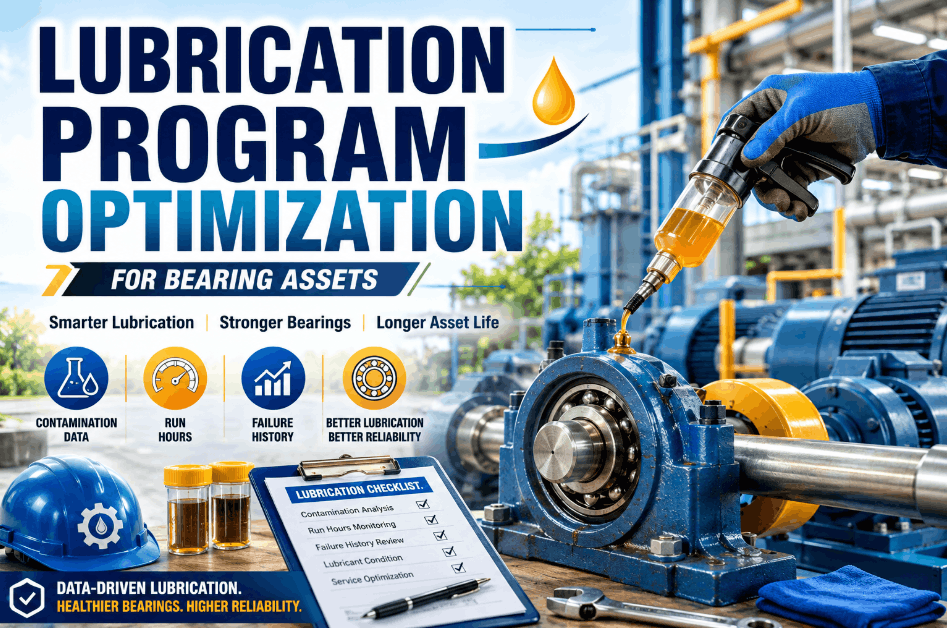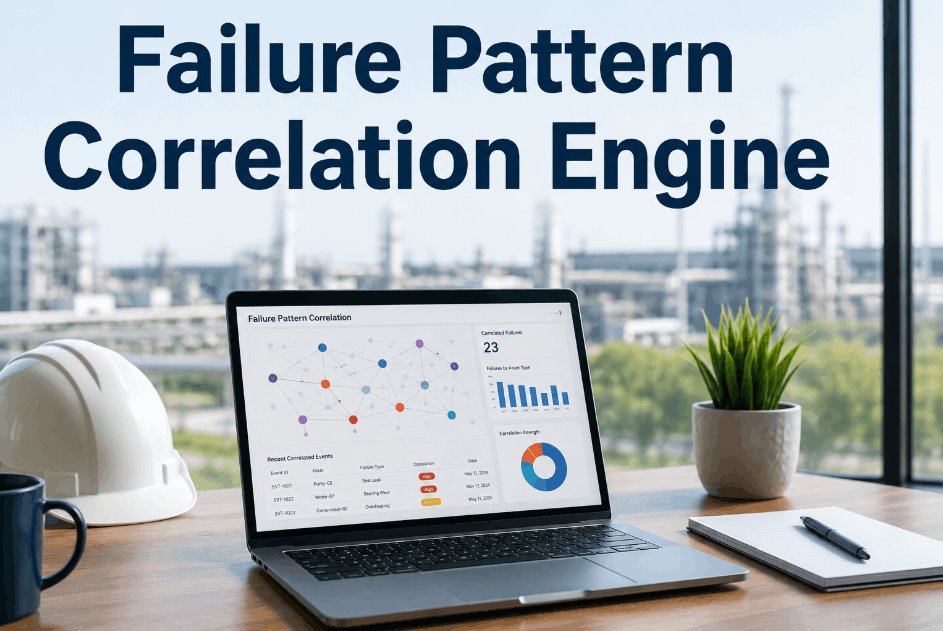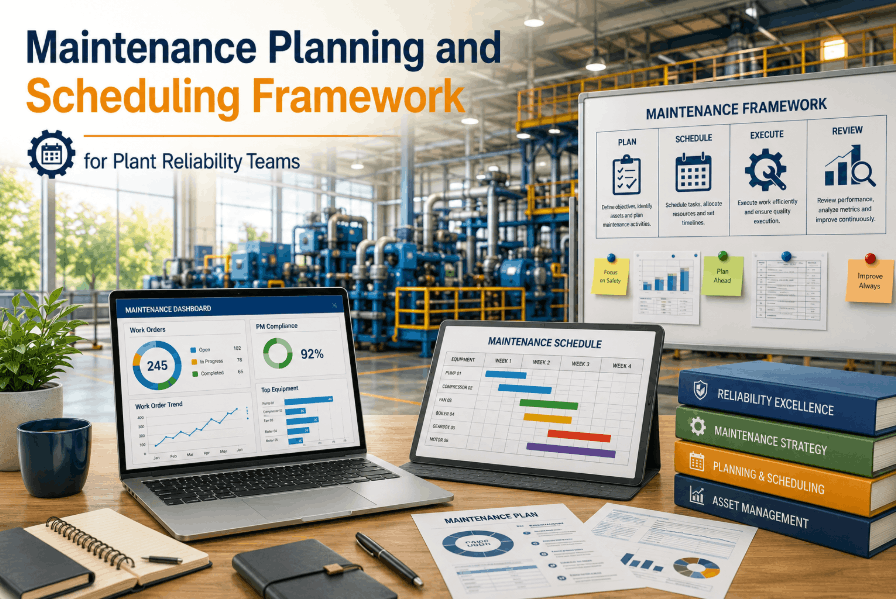
Lubrication route optimization is one of the highest-leverage, lowest-cost reliability improvements available to maintenance teams managing rotating assets. When lubrication rounds are planned by habit rather than by asset criticality, travel distance, and service windows, technicians cover unnecessary ground, miss critical machines, and apply lubricant outside the intervals that protect bearings, gearboxes, and drive components. The result is accelerated wear, unplanned failure, and maintenance costs that compound silently. Sign Up Free to start building asset-aware lubrication routes in Oxmaint. Oxmaint AI connects rotating asset criticality, location layout, and service interval data to build optimized lubrication routes that reduce technician travel time and ensure every machine gets serviced within its protection window. Book a Demo to see how lubrication route planning works inside Oxmaint work orders.
Build Lubrication Routes That Protect Your Critical Rotating Assets
Oxmaint AI groups rotating assets by criticality, plant zone, and service interval — generating optimized lubrication rounds that reduce travel time and eliminate missed machines. Start building evidence-based routes from your actual asset register today.
Why Lubrication Routes Fail Without Optimization
Gap #1
Routes Built on Habit, Not Criticality
Lubrication rounds inherited from previous planners sequence assets by familiarity rather than failure consequence — giving equal service time to low-criticality pumps and critical drive assemblies.
Gap #2
Excessive Technician Travel Distance
Unoptimized routes criss-cross plant floors, sending technicians back and forth between zones — consuming shift time in travel rather than asset service, reducing effective coverage per round.
Gap #3
Service Windows Ignored
Lubrication applied outside the asset's protection window — either too early or too late — provides reduced bearing protection and can introduce contamination risk in sealed systems.
Gap #4
No Asset Grouping by Zone
Rotating assets in the same plant zone are scheduled on separate routes, forcing technicians to revisit locations and break the logical flow that makes rounds efficient and completable within a shift.
Gap #5
Missed Machines Not Detected
Paper-based or informal lubrication logging creates no alert when an asset is skipped — meaning critical rotating equipment can miss multiple service cycles before the omission is caught, often after failure.
Gap #6
Interval Compliance Not Measured
Without actual service timestamps per asset, lubrication compliance is assumed rather than verified — and reliability teams have no data to correlate interval adherence with bearing life or failure frequency.
How Oxmaint AI Structures Lubrication Route Optimization
01
Asset Criticality Classification
Rotating assets are classified by failure consequence and production impact — ensuring the route prioritizes critical assets and allocates service frequency proportional to risk.
→
02
Zone-Based Asset Grouping
Assets are grouped by plant zone and physical location to minimize technician travel distance and build routes that flow logically through the facility without backtracking.
→
03
Service Window Scheduling
Lubrication intervals are mapped to production schedules and access windows — scheduling each machine's service within its protection window and within shift time constraints.
→
04
Compliance Tracking and Route Reporting
Completed lubrication events are captured against each asset — building a compliance record that connects interval adherence to asset health and work order history.
What Oxmaint Captures in Each Lubrication Route Record
Route Planning
Asset criticality ranking applied to route sequencing
Zone-based grouping to minimize technician travel
Service interval and access window per rotating asset
Service Execution
Lubricant type, quantity, and application method per asset
Technician timestamp recorded at point of service
Condition observations captured during lubrication round
Compliance Monitoring
Missed lubrication events flagged per asset per interval
Overdue service alerts linked to asset criticality level
Interval adherence rate measured per route and technician
Reliability Outcomes
Lubrication compliance correlated with bearing failure history
Route efficiency metrics tracked per round duration and coverage
Work order triggers generated from condition observations in route
36%
Of rotating asset failures are attributed to inadequate or missed lubrication as a contributing root cause
2.1×
Improvement in lubrication route coverage when assets are grouped by zone rather than scheduled individually
48hrs
Typical deployment time to activate Oxmaint lubrication route tracking against your existing asset register
90days
Average time to build a statistically meaningful lubrication compliance and interval adherence dataset in Oxmaint
Oxmaint AI vs Standard CMMS for Lubrication Route Management
Standard CMMS — Limited Route Intelligence
Lubrication tasks scheduled by calendar interval only — no criticality-based prioritization or zone grouping
Routes built manually with no travel distance optimization or shift window alignment
Missed lubrication events not detected unless technician self-reports the omission
No link between lubrication compliance records and rotating asset failure history
Condition observations during rounds captured on paper and disconnected from work order system
Route efficiency not measured — no data to identify under-served assets or overloaded rounds
Oxmaint AI — Optimized Lubrication Route Execution
Asset criticality drives route sequencing — critical rotating assets serviced first within every round — Sign Up Free
Zone-based asset grouping minimizes travel distance and keeps rounds completable within shift windows
Missed lubrication events flagged automatically with asset criticality context for immediate follow-up
Lubrication compliance history linked to asset failure records for reliability root cause analysis
In-round condition observations captured digitally and converted to work orders where required
Route duration and coverage metrics tracked per round — identifying improvement opportunities continuously — Book a Demo
6 KPIs for Lubrication Route Optimization in Rotating Asset Maintenance
These KPIs give reliability and maintenance teams the metrics to measure lubrication route performance, identify compliance gaps, and connect asset care quality to rotating equipment reliability. Book a Demo to see how Oxmaint tracks all six across your rotating asset register.
KPI 01
Lubrication Interval Compliance Rate
Percentage of rotating assets serviced within their defined lubrication interval window. The primary indicator of route execution quality and protection coverage across the asset population.
Compliance
KPI 02
Critical Asset Lubrication Coverage
Percentage of assets classified as critical that received lubrication service within interval on the most recent route cycle. Coverage gaps on critical assets carry the highest failure risk.
Asset Criticality
KPI 03
Route Completion Time per Zone
Average time to complete a lubrication round across each plant zone. High completion times relative to asset count indicate excessive travel distance or route sequencing inefficiency.
Route Efficiency
KPI 04
Missed Lubrication Event Rate
Number of assets per route cycle where lubrication service was not completed within the scheduled interval. Tracks omission frequency and identifies assets most frequently skipped.
Gap Detection
KPI 05
In-Round Condition Observation Rate
Percentage of lubrication events where a condition observation was recorded by the technician. Higher observation rates improve early fault detection and reduce reliance on scheduled inspections alone.
Condition Monitoring
KPI 06
Lubrication-to-Failure Correlation Rate
Percentage of rotating asset failures where lubrication compliance history was available for root cause analysis. Low correlation rate indicates route record quality is insufficient to support failure investigations.
Reliability Link
Industries Using Oxmaint to Optimize Lubrication Routes
Process Manufacturing
Lubrication Route Optimization for Critical Rotating Equipment
Chemical and refining plants use Oxmaint to build zone-grouped lubrication routes for pumps, compressors, and agitators — ensuring critical rotating assets receive interval-compliant service and that in-round condition observations trigger work orders before failures develop. Sign Up Free for your facility.
Food and Beverage
Food-Safe Lubrication Compliance for Production Lines
F&B manufacturers track lubrication compliance on conveyor drives, mixers, and filling machines through Oxmaint — ensuring food-safe lubricants are applied on schedule with full traceability for audit and regulatory compliance requirements. Book a Demo for your operation.
Mining and Resources
Route Planning for Remote and High-Criticality Asset Populations
Mining operations use Oxmaint to sequence lubrication routes across crusher drives, conveyor head pulleys, and mill pinion assemblies — grouping assets by physical access zone to minimize travel time across large, dispersed site layouts.
Utilities and Infrastructure
Bearing Protection for Long-Cycle Rotating Assets
Power and water utilities use Oxmaint to manage lubrication intervals on turbine auxiliaries, pump motors, and fan bearings — tracking compliance over extended service cycles and linking interval adherence to condition monitoring data for predictive maintenance planning.
Your Rotating Assets Need Lubrication on Schedule. Not on Habit.
Oxmaint AI builds optimized lubrication routes from asset criticality, plant zone, and service window data — shortening round time, eliminating missed machines, and giving reliability teams the compliance record they need to connect lubrication quality to rotating asset health. Book a Demo to see route optimization applied to your asset population.
Frequently Asked Questions
What is lubrication route optimization for rotating assets?
Lubrication route optimization is the process of sequencing rotating asset service stops by criticality, physical location, and service window to minimize technician travel time while ensuring every machine receives lubrication within its protection interval.
How does Oxmaint help reduce missed lubrication events?
Oxmaint tracks each lubrication event against the scheduled interval per asset — flagging any machine not serviced within its window and alerting the maintenance team based on the asset's criticality classification.
Can Oxmaint link lubrication compliance to rotating asset failures?
Yes. Oxmaint connects lubrication service history to asset work order records, so reliability teams can correlate interval compliance with failure frequency and use that data to justify route changes or interval adjustments.
How are plant zones used to build lubrication routes in Oxmaint?
Assets are grouped by physical location zone within Oxmaint — so each route flows through the plant logically, minimizing backtracking and ensuring rounds remain completable within the available shift window.
Does Oxmaint support multi-site lubrication route tracking?
Yes. Oxmaint aggregates lubrication compliance data across all sites — enabling reliability managers to compare interval adherence, route efficiency, and missed event rates across multiple facilities from a single dashboard.
Stop Letting Unoptimized Routes Leave Critical Assets Under-Lubricated.
Oxmaint AI structures lubrication routes by asset criticality, zone, and service window — giving your maintenance team the route intelligence to protect rotating equipment and build the compliance record that supports reliability improvement.