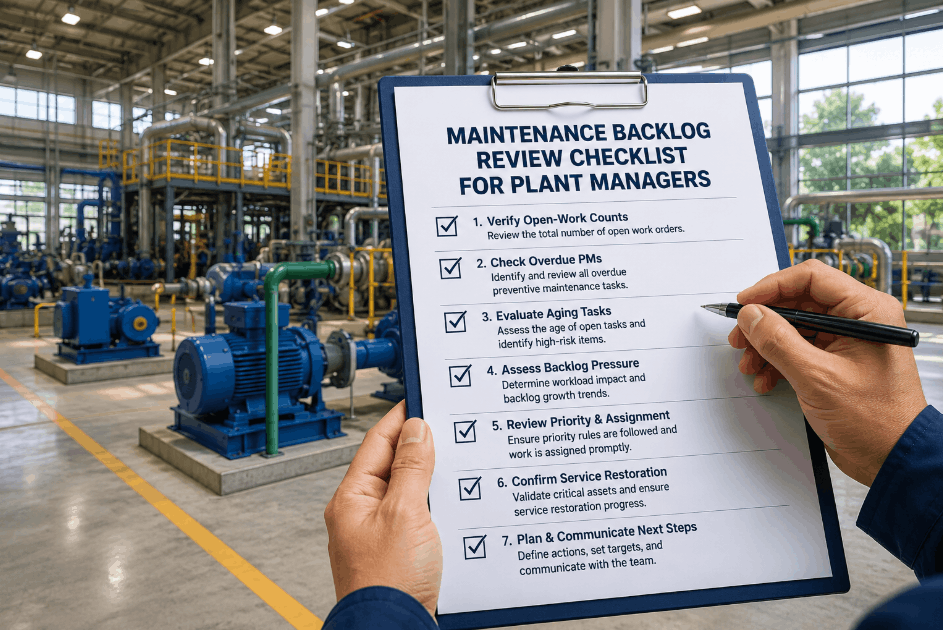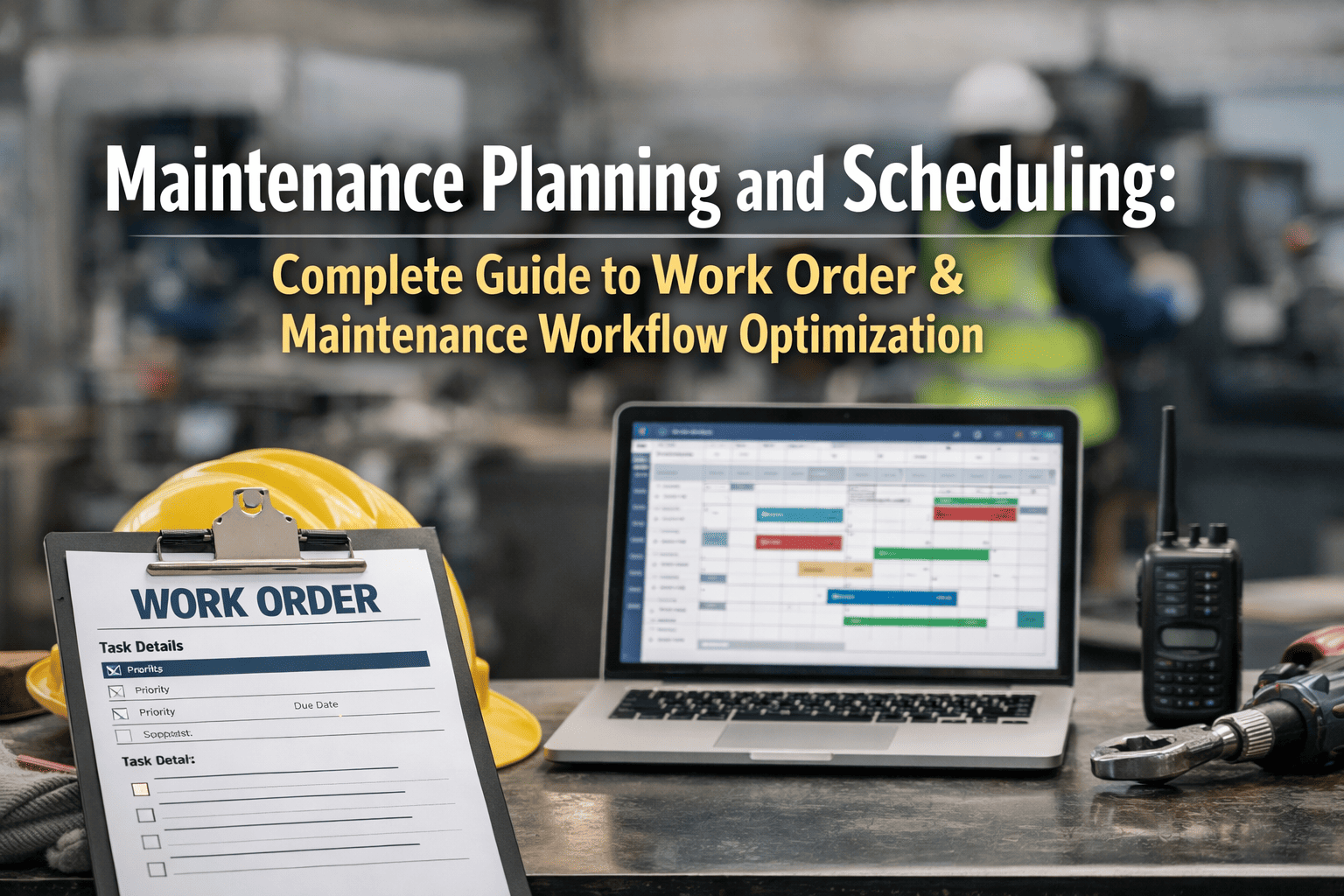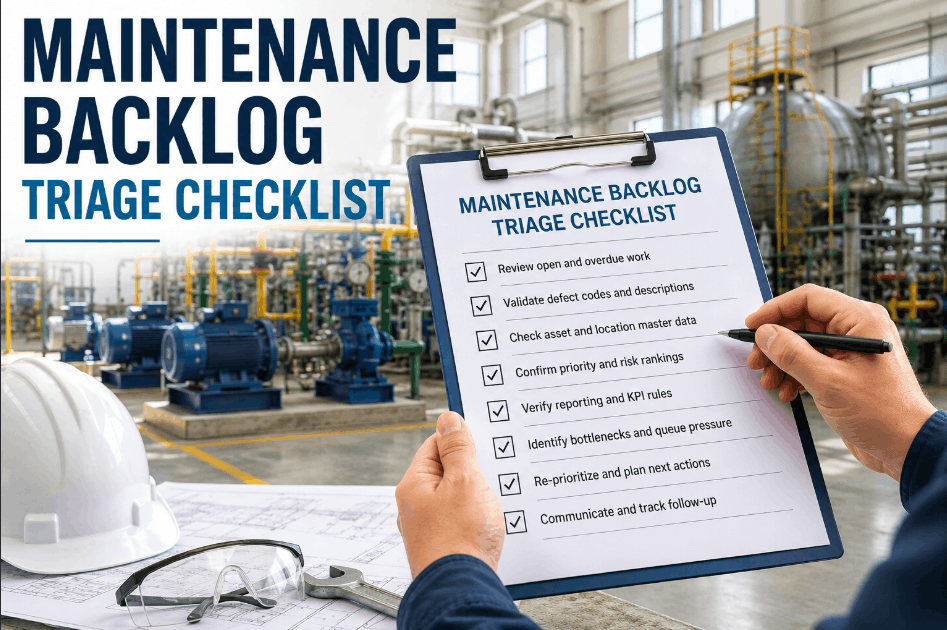
Unmanaged maintenance backlogs compound faster than most teams realize — overdue tasks accumulate, crew load climbs, and dispatch decisions get made on gut feel instead of data. When open work stacks faster than execution capacity, plant output and equipment reliability both suffer. This triage checklist helps maintenance managers, planners, and reliability teams systematically sort open work, evaluate task aging, assess queue pressure, and make defensible priority calls before the backlog starts eroding support capacity. Oxmaint's Sign Up Free platform gives teams a live view of work order aging, crew load, and execution status — so triage is based on real queue data, not memory or whiteboard markups. From reactive repair backlogs to PM overdue queues, poor work stack management is one of the most correctable sources of unplanned downtime. Book a Demo to see how Oxmaint's work order management tools accelerate backlog recovery and restore dispatch control. Use this checklist before your next planning cycle or crew deployment to ensure the right jobs move first.
1. Open Work Inventory & Queue Assessment
Before triaging priority, you need an accurate count of everything in the queue. Incomplete visibility into open work is the first reason backlog triage fails at the planning stage.
2. Task Aging & Overdue Identification
Overdue task accumulation is not a crew performance problem — it is a triage and dispatch problem. Aging analysis tells you where the backlog is building before it becomes a compliance or reliability risk.
3. Priority Calls & Dispatch Order
Triage without a priority framework produces the same backlog in a different order. Dispatch decisions must be grounded in asset criticality, failure consequence, and available execution capacity.
4. Queue Pressure & Crew Load Analysis
Queue pressure — the ratio of incoming work to crew execution capacity — is the leading indicator of backlog growth. Managing crew load proactively prevents reactive surge from overwhelming maintenance planning.
5. Recovery Plan & Backlog Risk Mitigation
Triage without a recovery plan produces insight without action. Every backlog audit must close with a documented execution path that assigns responsibility and sets a measurable reduction target.