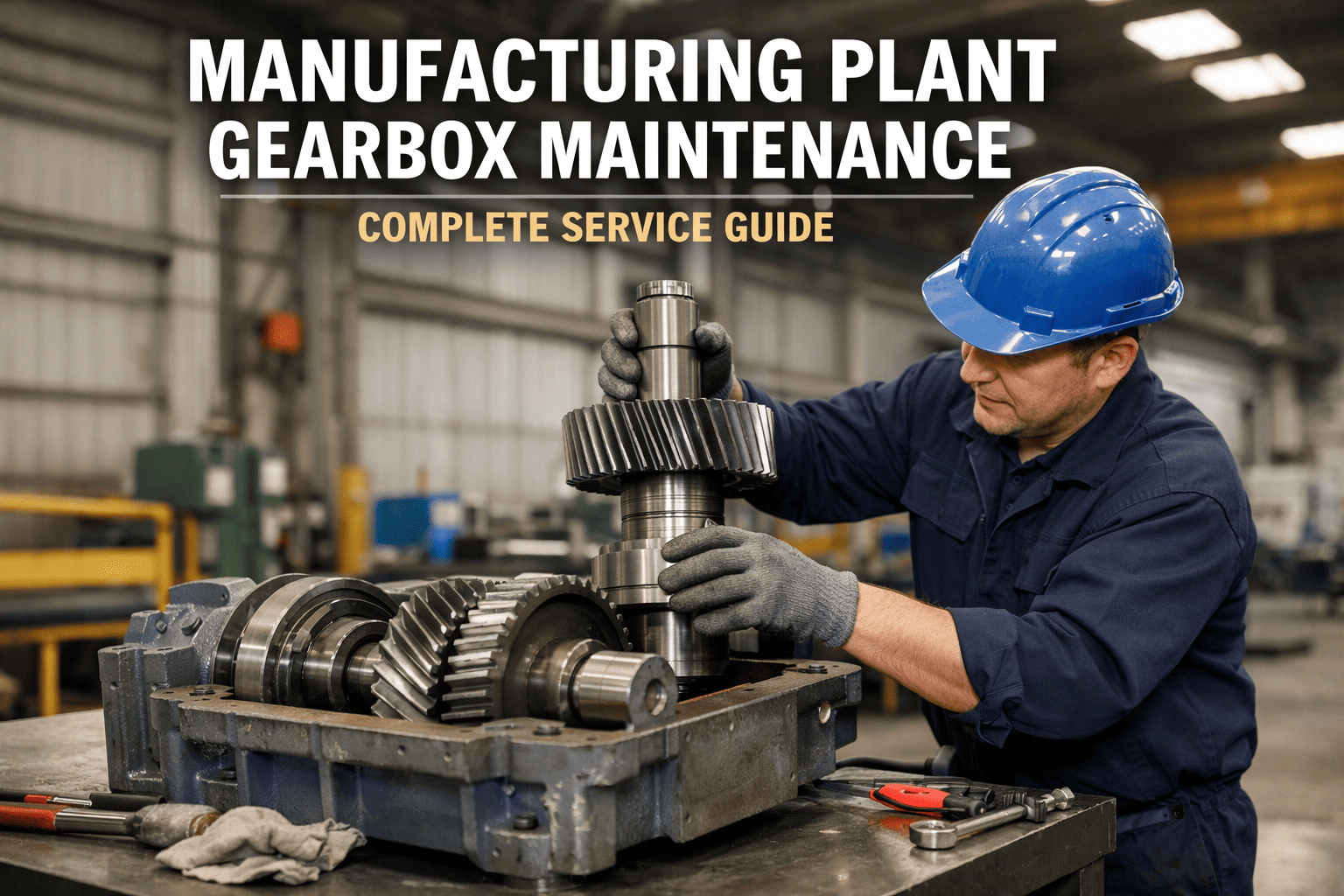
Manufacturing Plant Gearbox Maintenance: Complete Service Guide
By oxmaint on February 22, 2026
Every manufacturing plant depends on gearboxes to keep conveyors running, mixers churning, and crushers grinding. Yet most facilities still manage gearbox maintenance with spreadsheets and memory, missing the subtle warning signs that precede catastrophic breakdowns. A single gearbox failure can halt an entire production line, costing anywhere from $50,000 to over $500,000 in emergency repairs, lost production, and cascading equipment damage. This guide covers every essential service procedure, from oil analysis protocols and vibration monitoring techniques to bearing inspection methods and seal replacement best practices, so your maintenance team can extend gearbox life and keep production on track. Book a free demo to see how Oxmaint automates gearbox inspections, oil change scheduling, and failure tracking for your plant.
How to Prevent Gearbox Failure in Manufacturing Plants
Gearbox failure rarely happens without warning. Bearing degradation, gear tooth fatigue, and seal leaks all produce detectable signals weeks or months before a catastrophic breakdown. The problem is that most plants lack the systematic monitoring and scheduled service routines needed to catch these signals in time. Three root causes account for the overwhelming majority of premature gearbox failures: inadequate lubrication, shaft misalignment, and overloading.
Root Cause #1
Poor Lubrication
Wrong oil type, insufficient levels, or contaminated lubricant. Responsible for more gearbox damage than any other single cause. Using incorrect viscosity grades or mixing incompatible oil types destroys gear surfaces and bearings within weeks.
Root Cause #2
Shaft Misalignment
Improper installation, foundation settling, or thermal expansion. Creates uneven gear tooth loading, excessive vibration, and accelerated bearing wear. Even small misalignment compounds into major damage over operating cycles.
Root Cause #3
Overloading & Shock Loads
Operating beyond nameplate ratings, frequent start-stop cycles, or upstream equipment changes increasing demand. Causes gear tooth bending fatigue, bearing spalling, and housing distortion in heavily loaded applications.
$260K/hr
Average manufacturing downtime cost per hour across industrial sectors
42%
Of all unplanned plant downtime traced directly to equipment failures
70%
Of bearing failures in gearboxes are preventable through proper maintenance
Tired of unexpected gearbox breakdowns disrupting production? Oxmaint helps manufacturing plants digitize every inspection, automate service scheduling, and track gearbox health from one dashboard.
Industrial Gearbox Lubrication: Oil Types, Grades and Change Intervals
Proper lubrication is the single most critical factor in gearbox longevity. The American Gear Manufacturers Association (AGMA) provides clear guidelines: change oil after the first 500 operating hours, then every 2,500 hours or 6 months, whichever comes first. But the right schedule depends heavily on your operating conditions, gearbox type, and lubricant quality. Start your free Oxmaint account to automate oil change reminders based on real operating hours so no gearbox misses its service window.
Oil Analysis: What to Test and When
01
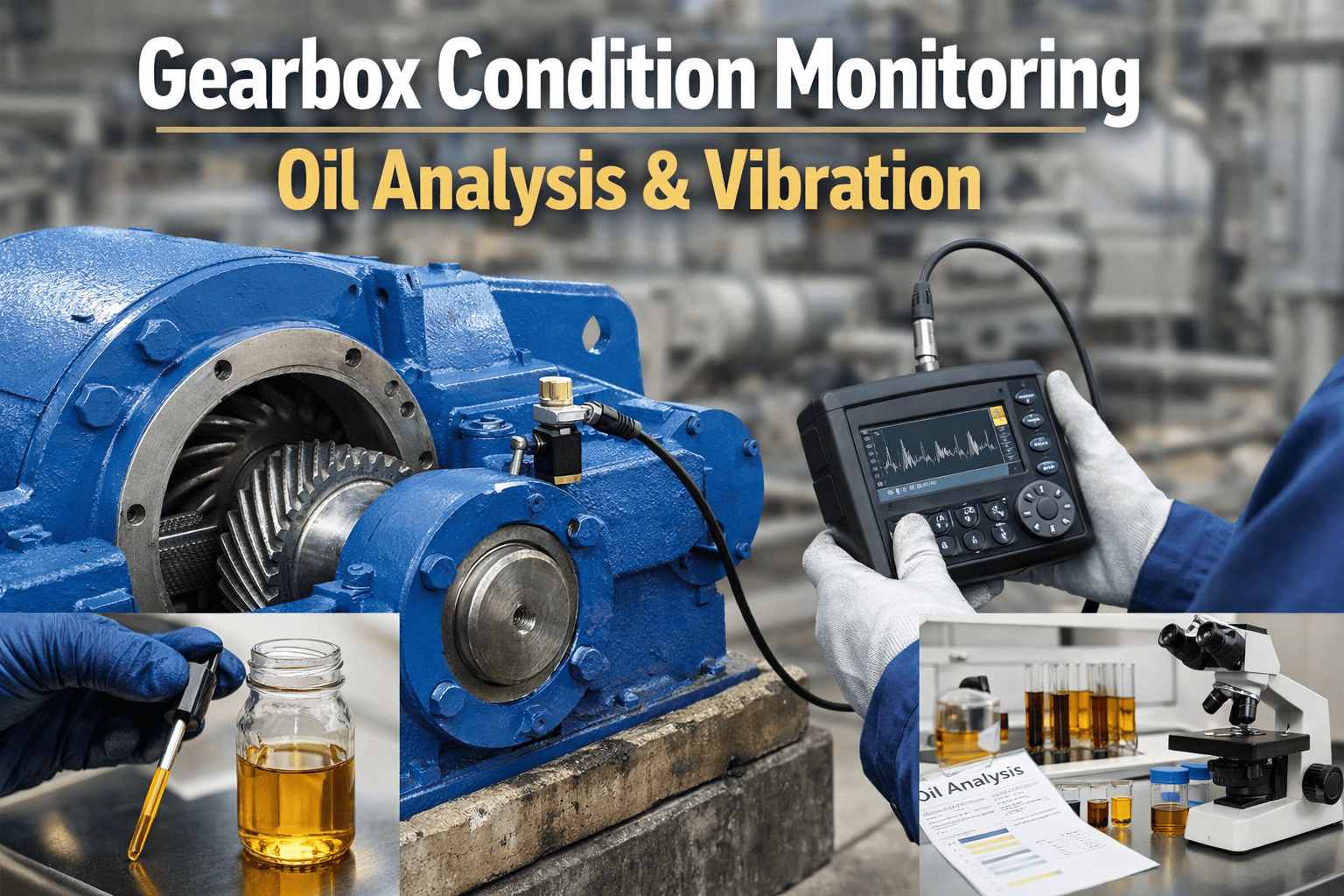
Visual Check (Monthly) — Inspect through sight glass for color changes, cloudiness (water contamination), foaming, or visible metal particles. Fresh gear oil appears amber to light brown.
02
Lab Analysis (Every 6 Months) — Test lubricity, viscosity changes, particle counts at 2, 5, and 15 microns, moisture content, additive depletion, and metals present. Results reveal internal wear invisible to visual inspection.
03
Critical Equipment (Quarterly) — High-value or production-critical gearboxes should receive lab analysis every 3 months. The cost of a $50 oil test is insignificant compared to a $75,000 bearing replacement.
Lubrication Best Practices
A
Use OEM-Specified Lubricant — Always match the manufacturer's recommended ISO viscosity grade and oil type (synthetic or mineral). Wrong lubricant selection causes immediate wear and voids warranties.
B
Never Mix Oil Types — Mineral and synthetic oils are incompatible. When switching brands or types, drain completely, flush with new oil, run for 2-3 hours, then drain and refill again.
C
Maintain Breathers and Filters — Clogged breathers cause pressure buildup and moisture ingress, leading to seal damage and oil contamination. Inspect monthly and replace filters at OEM intervals.
Vibration Analysis and Bearing Inspection: Catching Problems Early
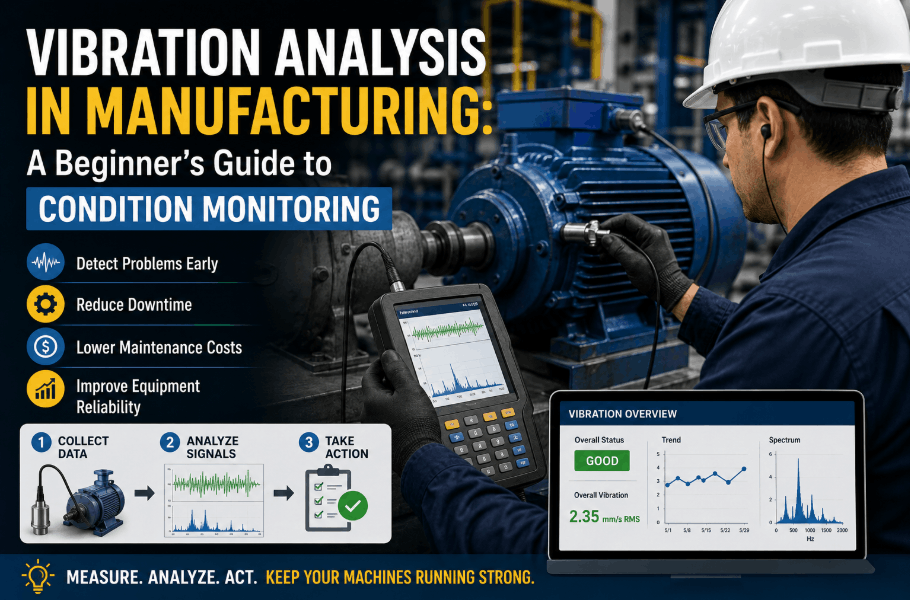
Bearing failures account for roughly 40-70% of all gearbox breakdowns depending on the application. Vibration analysis detects bearing degradation 6 to 8 weeks before actual failure, giving your team ample time to plan repairs during scheduled downtime rather than scrambling through an emergency shutdown.
Vibration Baseline Setup
Record temperature, vibration amplitude, and frequency signatures when the gearbox is operating normally after installation or overhaul. This baseline becomes your comparison reference for all future readings.
Trend Monitoring
Track gradual changes over time. A 25% increase in vibration from baseline warrants investigation regardless of whether absolute thresholds have been crossed. Trends reveal problems that single readings miss.
Thermal Imaging
Use infrared cameras to identify hotspots at bearings, gear mesh zones, and seals. Operating temperatures above 85°C at bearing housings or 75°C at the oil sump require immediate investigation and corrective action.
Combined Diagnostics
Single parameter changes may be false alarms. When temperature, vibration, and oil analysis all trend negative simultaneously, it confirms genuine degradation that requires scheduled maintenance action.
See how Oxmaint tracks vibration data and triggers work orders automatically. Walk through real dashboards showing gearbox health trends across an entire plant.
Knowing the early warning signs of gearbox trouble lets your team intervene before minor issues escalate into production-stopping failures. The following symptoms should trigger an immediate inspection and, in some cases, shutdown for service.
Gearbox Warning Signs and Required Actions
Warning Sign
What It Indicates
Urgency
Recommended Action
Oil leaking from shaft seals
Seal failure allowing contamination ingress and lubricant loss
High
Schedule seal replacement within 48 hours; check breather condition
Unusual grinding or whining noise
Bearing spalling, gear tooth damage, or lubrication breakdown
Critical
Shut down immediately; perform internal inspection before restarting
Rising operating temperature
Overloading, low oil, blocked cooling, or wrong lubricant grade
High
Verify oil level and type; check load vs. nameplate; inspect cooling path
Visual inspection for oil leaks at input and output shaftsListen for abnormal noise, vibration, or operational changesVerify oil level through sight glass or dipstickCheck housing for paint discoloration indicating overheating
Monthly
Record operating temperature at bearing housings and oil sumpInspect breather condition; clean or replace if restrictedCheck sight glass clarity; note any oil discolorationVerify that cooling fans, heat exchangers, and airflow paths are unobstructed
Quarterly
Verify fastener torque values per manufacturer specificationsInspect shaft coupling for wear, alignment, and secure mountingMeasure backlash with dial indicator to assess gear tooth wearPerform vibration analysis and compare against baseline data
6-Monthly
Send oil sample for laboratory analysis (viscosity, particles, moisture, metals)Inspect seals and gaskets; schedule replacement if any leaks detectedReview load profile vs. nameplate rating; verify service factor complianceConduct thermographic scan of all monitored gearboxes
Annual
Full oil change with complete drain, flush, and refill procedureInternal gear inspection via endoscope or inspection cover removalBearing condition assessment, preload verification, and housing bore checkComplete mounting, alignment, and overall performance review
Stop Managing Gearbox Maintenance on Paper
Spreadsheets cannot track oil analysis trends, alert you before maintenance windows expire, or show which gearboxes are trending toward failure. Oxmaint gives your team automated scheduling, mobile inspection checklists, and complete service histories for every gearbox, so nothing falls through the cracks and production stays on schedule.
Plants that implement a CMMS for gearbox maintenance consistently report major reductions in unplanned downtime. The shift from reactive to proactive maintenance is where the value lives. A CMMS does not just store records; it actively drives the behaviors that prevent failures.
Automated PM Scheduling
Work orders generate automatically based on calendar intervals or operating hours. No gearbox service task gets skipped because someone forgot to check a spreadsheet.
Complete Service History Tracking
Every oil change, vibration reading, seal replacement, and bearing swap is logged against the specific gearbox. When a technician approaches a unit, they see its full maintenance history instantly on mobile.
Condition-Based Alerts
Set thresholds for temperature, vibration, and oil analysis parameters. When readings exceed limits, the system triggers work orders and notifies the right technicians automatically, before minor issues become failures.
Trend Analysis and Reporting
Visualize oil analysis trends, failure frequency by gearbox type, and maintenance cost per asset over time. Data-driven insights help you shift spending from emergency repairs to planned replacements.
Join manufacturing plants already using Oxmaint to manage gearbox maintenance. Create your free account and start building preventive schedules in minutes.
How often should industrial gearbox oil be changed?
AGMA recommends the first oil change after 500 operating hours, then every 2,500 hours or 6 months, whichever comes first. Gearboxes operating above 150°F need more frequent changes since heat accelerates oil degradation. Synthetic oils can extend intervals to 8,000-10,000 hours under controlled conditions. Oil analysis is the most reliable way to determine whether your specific gearboxes can safely extend or need to shorten their change intervals. Get started free with Oxmaint to set automated oil change alerts and never miss a service window.
What causes most gearbox failures in manufacturing?
Three root causes dominate: poor lubrication, shaft misalignment, and overloading. Bearing failures alone account for 40-70% of all gearbox breakdowns. Using incorrect lubricant type or grade, running with insufficient oil levels, and allowing contamination through worn seals or clogged breathers are the most common lubrication failures. Regular inspection schedules, proper alignment verification during installation, and load monitoring against nameplate ratings prevent the vast majority of these failures.
How does vibration analysis detect gearbox problems before failure?
Vibration analysis establishes a baseline signature for each gearbox during normal operation. As bearings degrade, gears wear, or alignment shifts, the vibration pattern changes in measurable ways. Bearing defects typically show vibration changes 6-8 weeks before functional failure. Per ISO 10816 standards, readings below 2.8 mm/s RMS are considered good, while anything above 7.1 mm/s is unsatisfactory. Trend increases of 25% or more from baseline warrant investigation regardless of absolute levels. Book a demo to see how Oxmaint triggers automatic work orders when vibration thresholds are crossed.
What should a gearbox preventive maintenance checklist include?
A thorough checklist covers daily visual checks for leaks and noise, monthly oil level and temperature recording, quarterly torque verification and vibration analysis, semi-annual oil lab analysis and seal inspections, and annual internal gear inspection with full oil change. The checklist should also include breather maintenance, coupling condition review, alignment verification, and comparison of actual operating loads against rated capacity. Frequency adjustments should be made for gearboxes in high-load, high-temperature, or contaminated environments.
How does CMMS software help with gearbox maintenance?
A CMMS like Oxmaint automates work order generation based on time or operating hours so no scheduled service gets missed. It stores complete maintenance histories for every gearbox, tracks oil analysis trends over time, and triggers alerts when condition monitoring parameters exceed thresholds. This shifts maintenance from reactive to predictive, reducing unplanned downtime by up to 50% and helping teams plan parts procurement and labor allocation ahead of time rather than scrambling during emergencies.