Repeat machine failures cost plants far more than the downtime minutes they show on a report. When the same breakdown happens on different assets months apart, technicians often start the diagnosis from zero because nothing links the new fault to the old one. A root cause pattern library solves this by organizing failure symptoms, causes, and fixes into searchable failure families. With Sign Up Free on Oxmaint, maintenance teams can capture every diagnostic note inside structured work orders and turn scattered repair history into a living symptom library that speeds up every future investigation.
Why Repeat Machine Failures Drain Investigation Time
Without a shared reference, every technician investigates breakdown signatures independently, even when a near-identical fault was resolved on another line last quarter. Book a Demo to see how Oxmaint's work order history surfaces matching failure patterns automatically as soon as a new fault is logged.
Core Elements of a Failure Pattern Library
Standardized description of how the fault presented—noise, vibration, error code, leak, or output deviation—captured directly in the work order.
The confirmed root cause linked to each symptom, building a reference that points technicians toward the most probable cause first.
The exact repair steps, parts, and labor that resolved the issue, so the next technician follows a proven path instead of trial and error.
A link connecting this incident to prior occurrences of the same fault family across the asset fleet for trend visibility.
Building Your Pattern Library Inside a CMMS
A pattern library only works if every technician logs faults the same way. Sign Up Free to set up structured fault fields in Oxmaint work orders, then use Book a Demo to walk through how prior incidents surface automatically when a similar symptom is entered.
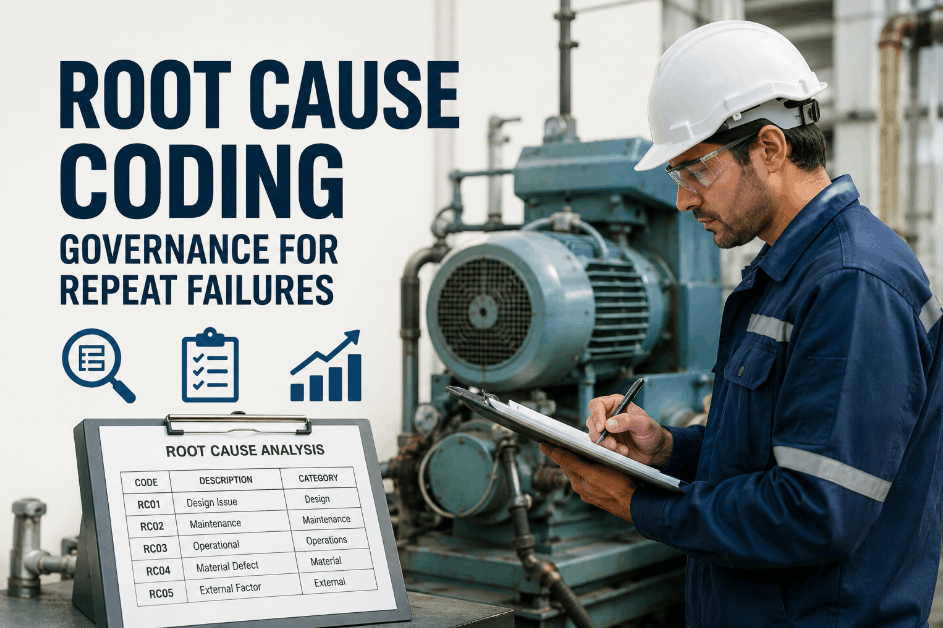
Use a fixed list of symptom codes in every work order so failure descriptions can be matched and grouped reliably.
Require technicians to record the confirmed cause, not just the symptom, before closing each work order.
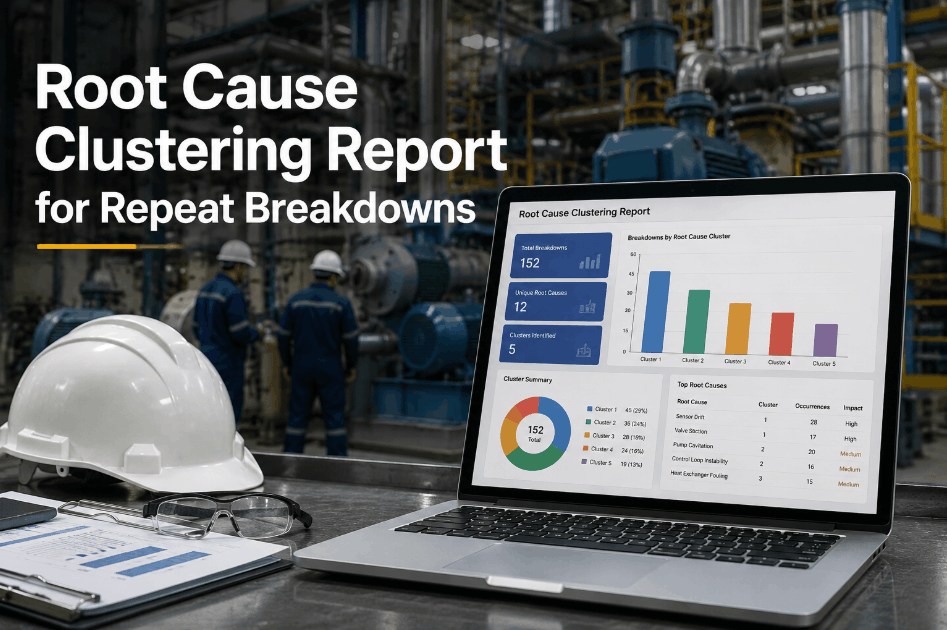
Export grouped fault history from Oxmaint to identify which failure families are recurring most often.
Use confirmed cause data to adjust preventive maintenance intervals for components prone to repeat failure.