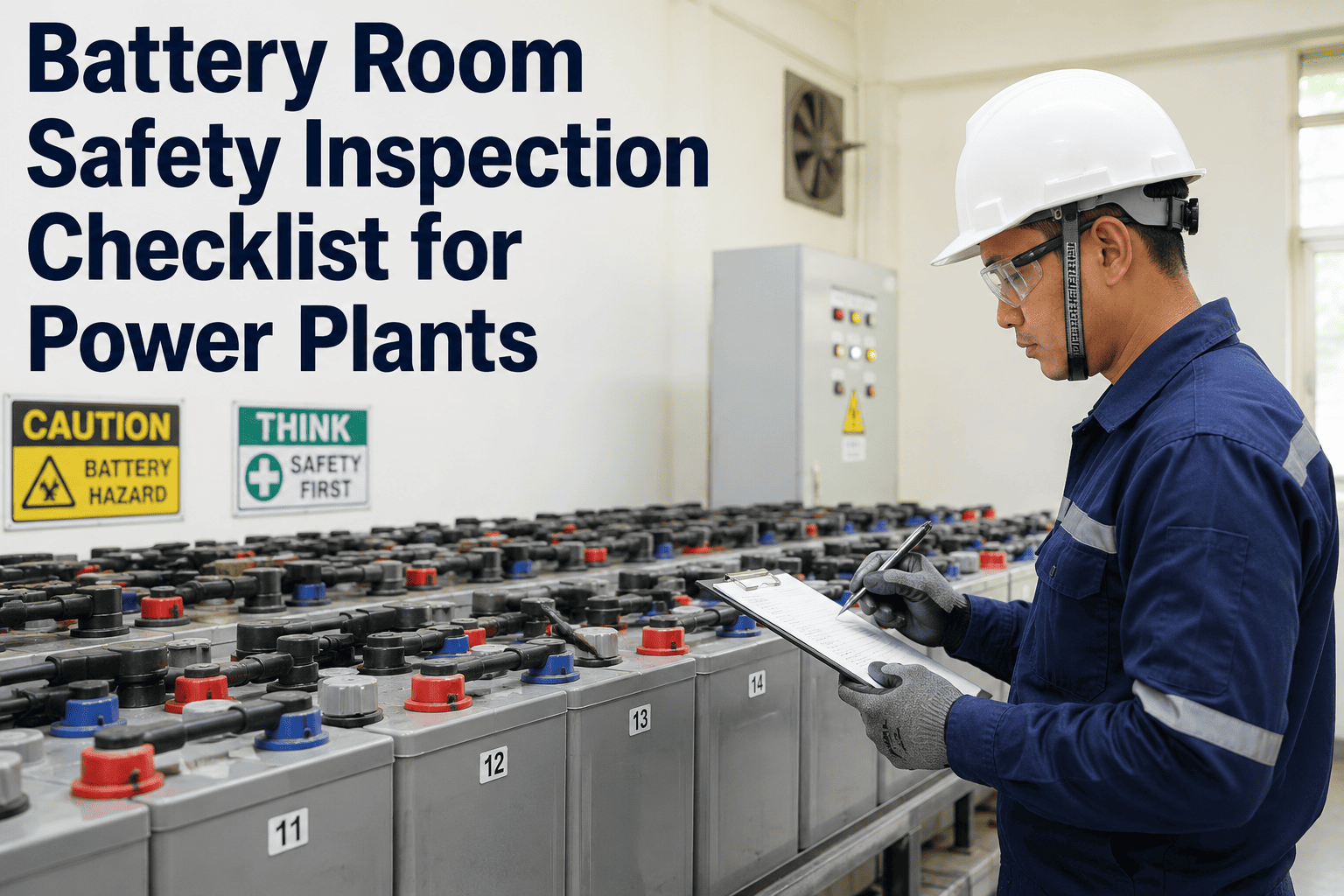
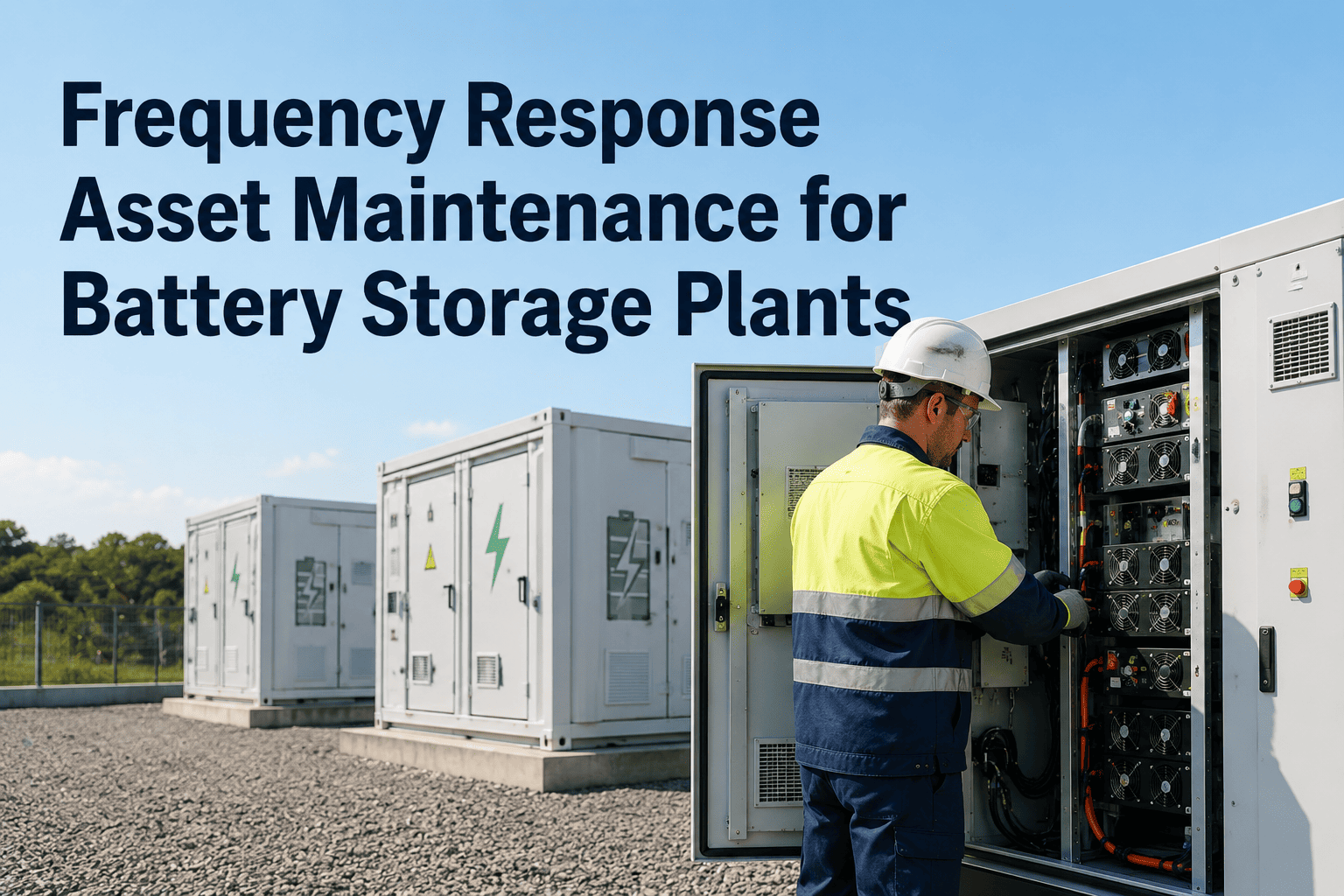
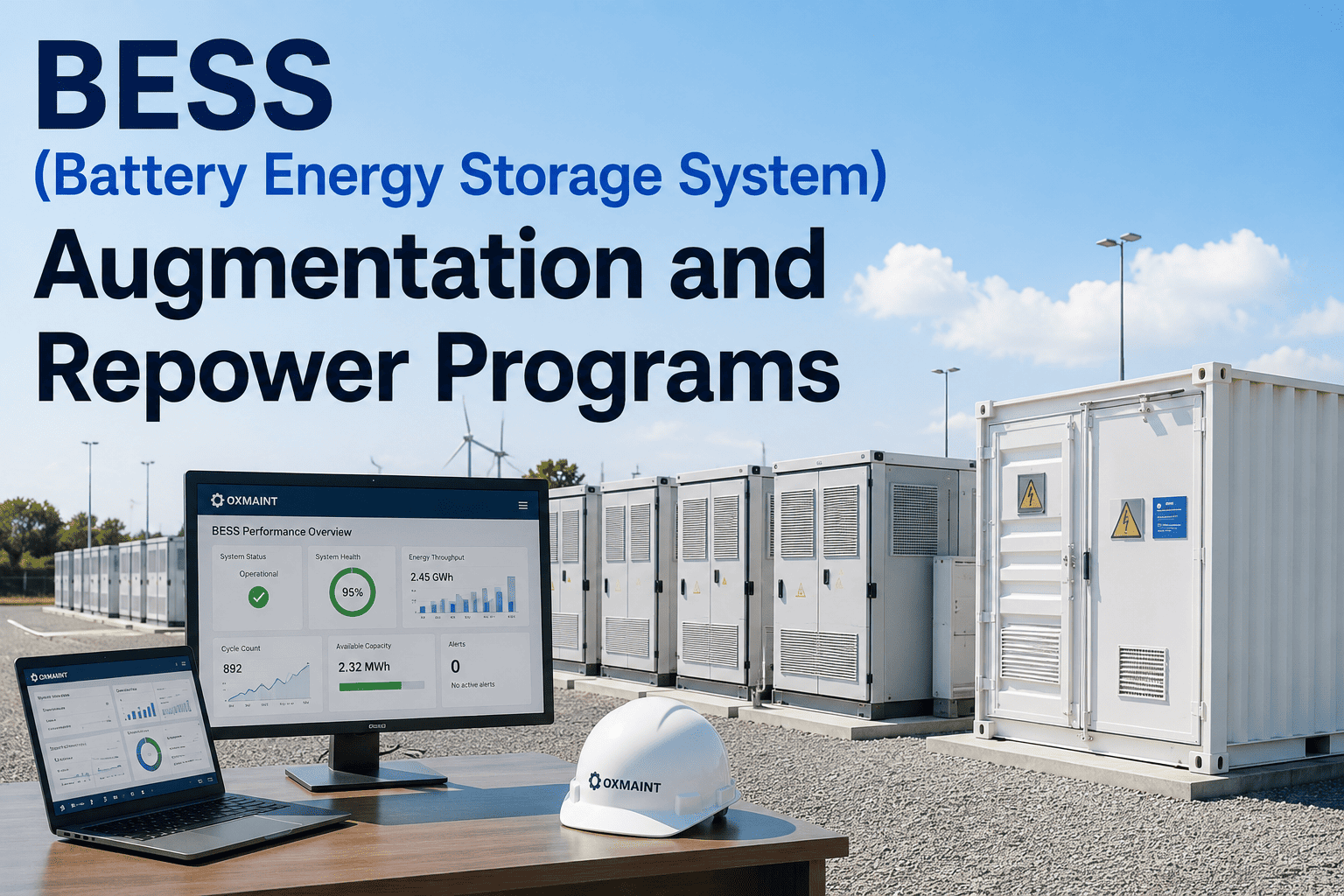
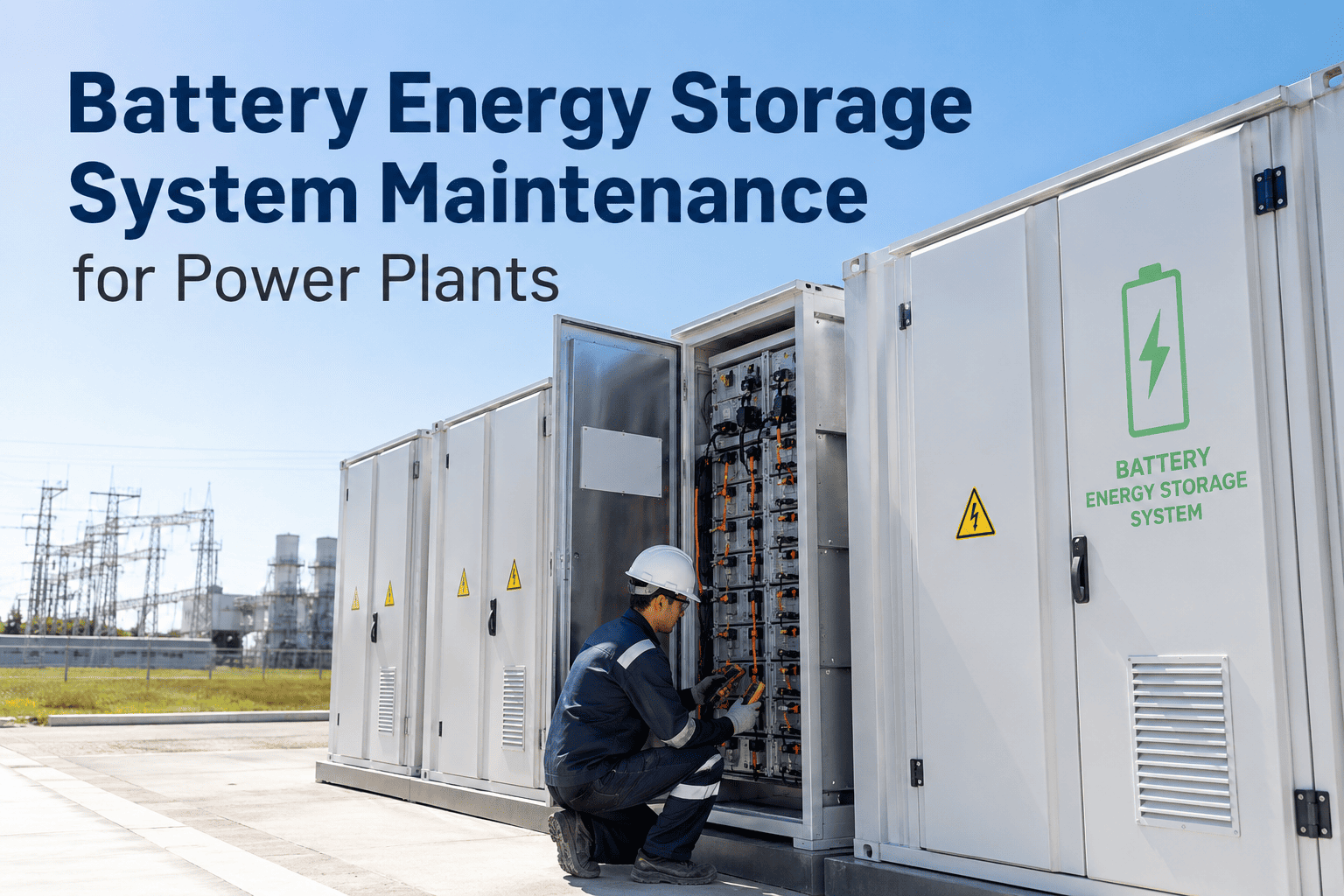
Battery energy storage systems are the fastest-growing asset class in hybrid power generation — and the least served by traditional CMMS platforms built for rotating equipment. A BESS rack does not vibrate like a turbine or corrode like a pressure vessel, but it can thermally propagate, breach warranty boundaries, and trigger fire suppression systems in ways that create operational, safety, and financial exposure simultaneously. Managing a hybrid plant without a BESS-specific maintenance program means you are running an asset worth millions with inspection rounds on paper and warranty evidence in a filing cabinet. Oxmaint connects battery inspection rounds, thermal monitoring alerts, fire system checks, and work orders into one live platform built for hybrid plant operations. If your plant stores energy and you want to protect it, start a free trial or book a 30-minute platform walkthrough with a hybrid plant specialist.
$1.2M+
Average BESS rack replacement cost per MW
73%
Of thermal events preceded by detectable early warning signs
48 hrs
Typical warranty void window after missed inspection record
2.8x
ROI delivered within 12 months of Oxmaint deployment
Why BESS Maintenance Is Different — And Why Most CMMS Platforms Miss It
01
Thermal Runaway Risk Is Non-Linear
A single cell degrading in a module can propagate to adjacent cells within minutes. The inspection data that prevents propagation — cell voltage deviation, temperature delta across racks, coolant flow rate — is rarely captured in rotating-equipment CMMS templates.
02
Warranty Records Are Contractual Assets
BESS OEM warranties typically require documented inspection cycles, temperature threshold compliance records, and cell performance logs at 6-month intervals. A missed record does not just create a compliance gap — it can void a warranty worth more than the annual maintenance budget.
03
Fire System Integration Is Life-Safety Critical
BESS fire suppression systems — FM200, dry chemical, or water mist — require scheduled functional tests, agent level checks, and detector calibration that cannot slip. A fire system failure during a thermal event is a catastrophic outcome that standard work order boards do not prevent.
04
Plant Operations Are Tightly Coupled
In a hybrid plant, BESS availability directly affects generation bidding, grid ancillary services, and renewable curtailment decisions. A rack taken offline for unplanned maintenance affects plant economics within the hour — which means BESS health must be visible in the same platform as generation asset status.
One Platform for Your Entire Hybrid Plant Asset Inventory
From BESS racks to inverters to generation units, Oxmaint connects every asset class in your hybrid plant into a single operational view — live health scores, scheduled inspections, and warranty-ready records all in one place.
BESS-Specific Capabilities in Oxmaint
Inspection Rounds
Structured rack-level and module-level inspection templates capturing cell voltage balance, temperature gradient, coolant pressure, and electrolyte level — scheduled by calendar interval and condition triggers. Every finding time-stamped with inspector attribution and photo evidence.
Thermal Alerts
Configurable alert thresholds for rack temperature delta, individual module high-temperature events, and cooling system flow rate deviation. Alerts route to the right technician with asset context — not a generic alarm queue that gets ignored at 3 AM.
Fire System Checks
Pre-built fire suppression inspection protocols for agent cylinder pressure, detector response testing, heat sensor calibration, and suppression activation pathway verification — with escalating reminders at 30, 14, and 7 days before scheduled test dates.
Warranty Records
All inspection data, temperature compliance records, and corrective work orders link directly to individual rack serial numbers. OEM warranty documentation exports with complete inspection history, closing warranty claim disputes before they start.
Work Orders
Corrective and preventive work orders linked to plant operations context so maintenance managers see which racks are in active work, which are cleared, and which have open anomalies — without calling the field crew for a status update.
BESS Maintenance Reference by Asset Layer
| Asset Layer |
Key Failure Mode |
Inspection Interval |
Oxmaint Coverage |
| Cell / Module |
Capacity fade, thermal runaway initiation |
Monthly performance check; quarterly deep inspection |
Cell voltage balance log, temperature delta record |
| Rack / Cabinet |
BMS firmware drift, connection resistance rise |
Semi-annual; firmware update per OEM advisory |
BMS check template, firmware version record, torque log |
| Cooling System |
Coolant leak, pump failure, fouling |
Quarterly visual; annual pressure test |
Flow rate logging, leak detection check, pump condition record |
| Fire Suppression |
Agent depletion, detector fault, valve seizure |
Monthly agent check; semi-annual functional test |
Agent level log, detector calibration record, test evidence |
| PCS / Inverter |
IGBT degradation, filter fouling, control drift |
Annual; post-fault inspection |
Efficiency trend, thermal imaging, post-fault workflow |
Frequently Asked Questions
Can Oxmaint manage both BESS and generation assets in the same hybrid plant platform?
Yes. Oxmaint supports multi-asset-class plants with separate inspection templates, health scores, and work order workflows for each asset type — BESS racks, inverters, turbines, and balance of plant — all visible in a single cross-plant dashboard.
Start a free trial to configure your hybrid asset inventory.
How does Oxmaint help protect BESS OEM warranty coverage?
Every inspection, temperature compliance record, and corrective work order links to individual rack serial numbers and exports as a complete OEM-formatted warranty evidence package. Gaps in the record that would trigger warranty disputes are visible before they become a problem.
Book a demo to review the warranty documentation export.
What thermal alert thresholds can be configured for BESS assets?
Alert thresholds are fully configurable per asset — including rack temperature delta, module high-temperature events, coolant flow rate deviation, and cell voltage imbalance. Alerts route to named technicians with asset context and escalation paths.
Sign up free to test alert configuration in your environment.
Does the platform support fire suppression system inspection scheduling?
Fire suppression inspection protocols are pre-built templates covering agent pressure, detector testing, and suppression pathway verification — with auto-escalating reminders so test deadlines never slip.
Schedule a walkthrough to see the fire system inspection workflow in detail.
How long does deployment take for a hybrid plant with mixed asset types?
Most hybrid plant deployments reach full operational status in 10-14 weeks, including all asset types, inspection templates, and mobile crew activation. Asset import uses existing equipment registries with no manual entry per rack.
Book a scoping session for a deployment timeline specific to your plant configuration.
Protect the Asset That Protects Your Revenue
BESS maintenance is too critical — and too warranty-sensitive — to manage on paper. Oxmaint deploys across your full hybrid plant inventory in under 12 weeks with BESS inspection rounds, thermal alerts, fire system checks, and warranty records live from day one.