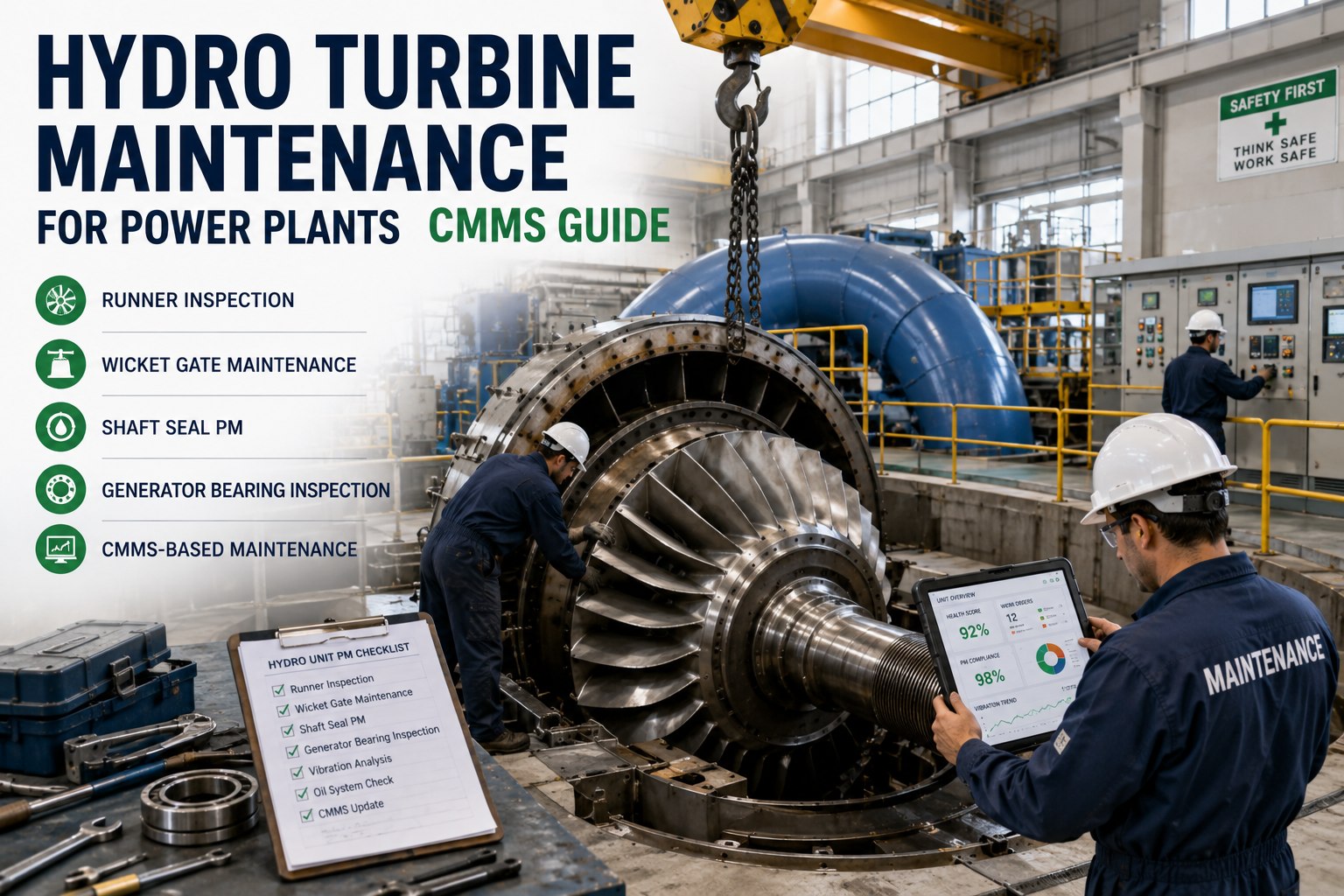
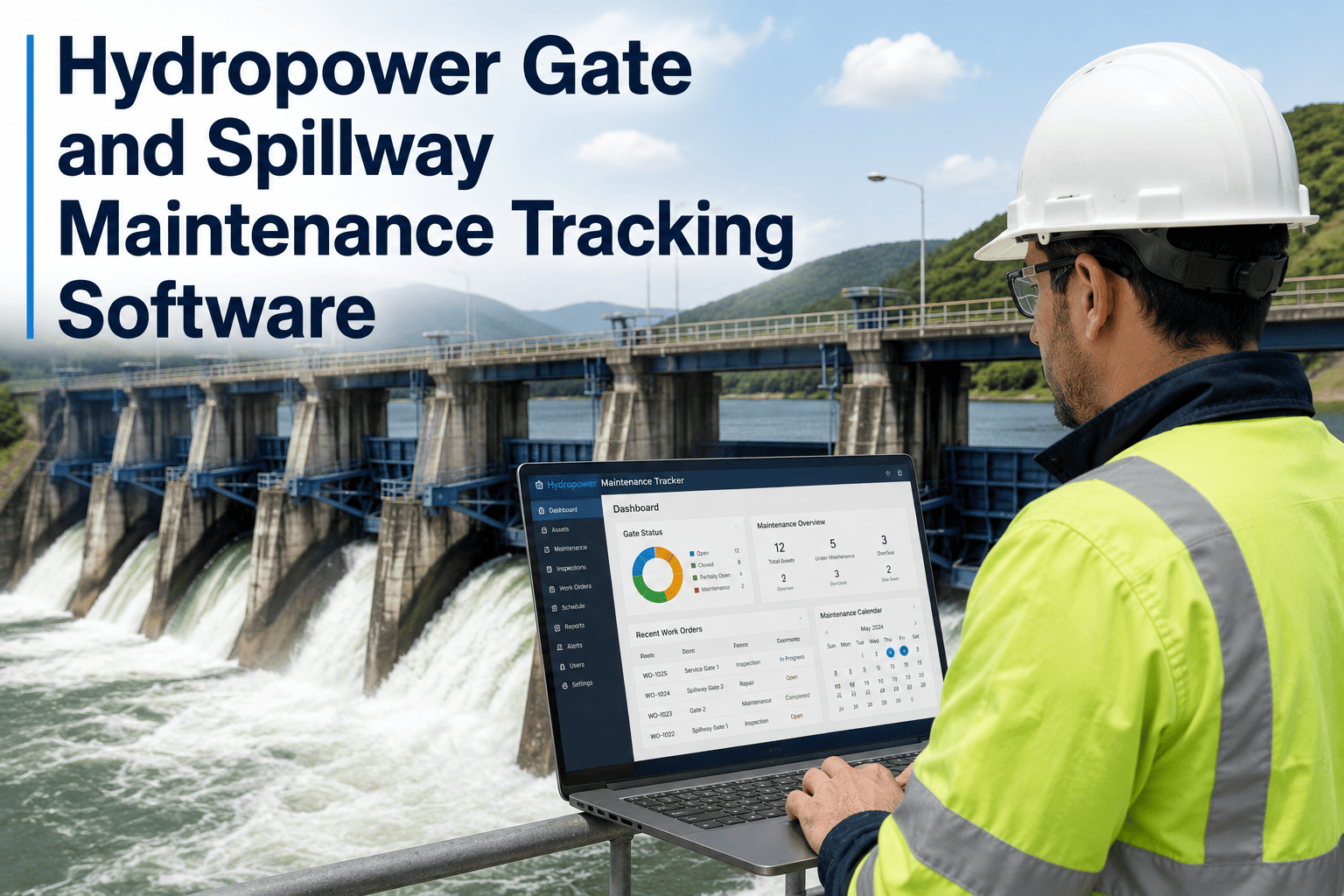
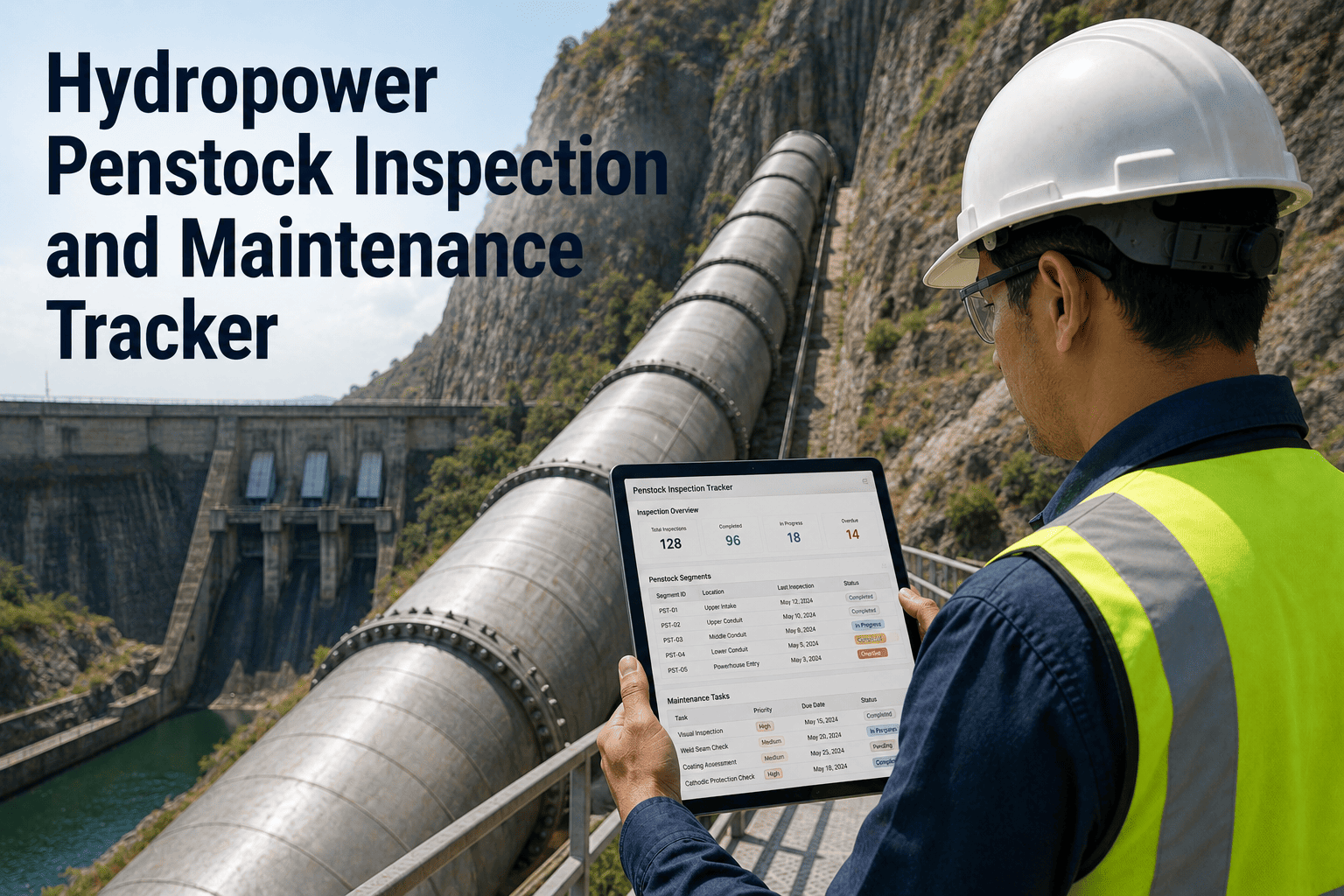
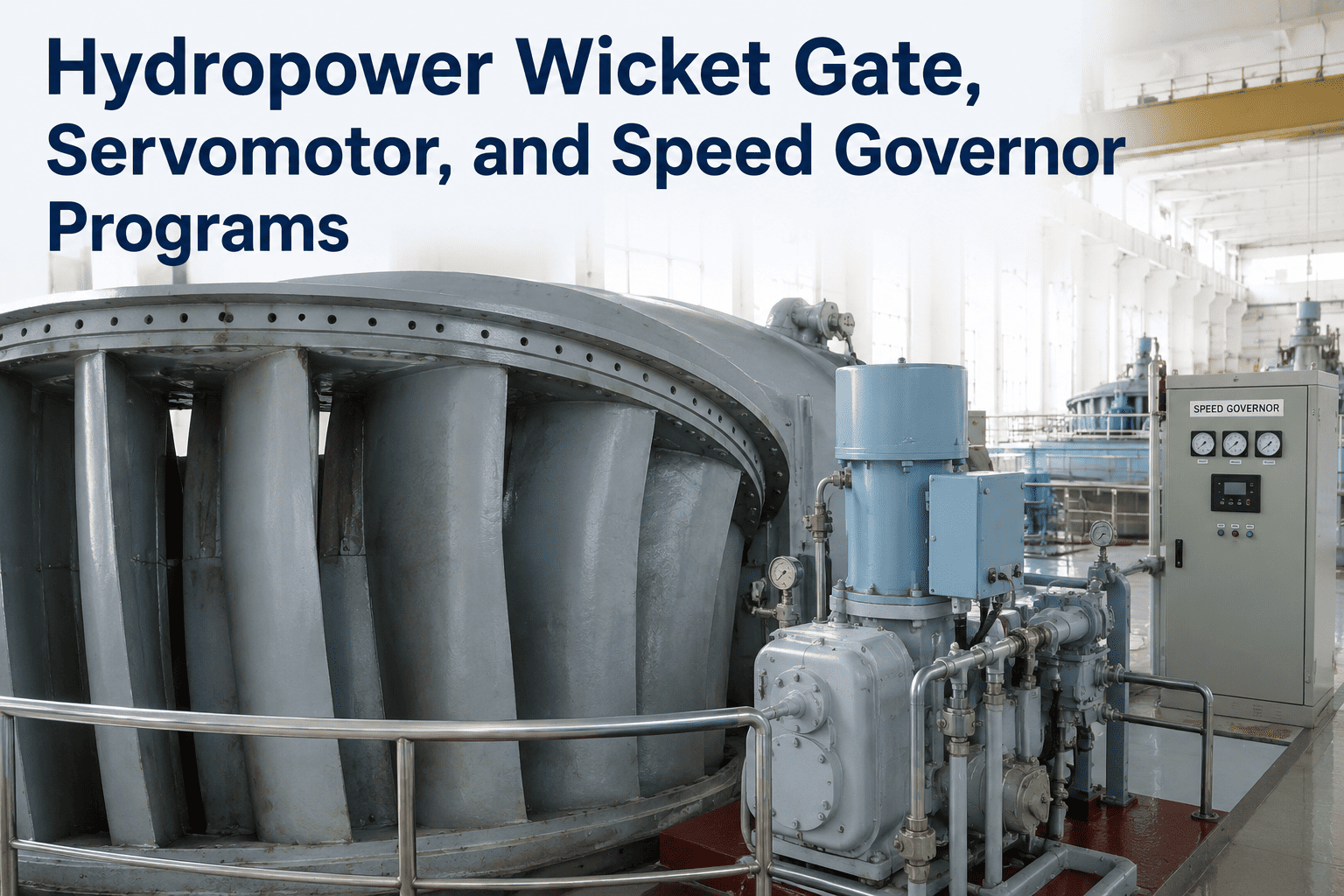
Hydropower plant maintenance is not just about fixing what breaks — it is about keeping turbines spinning, gates responding, and generation revenue flowing without interruption. A missed bearing inspection or a deferred trash rack cleaning can escalate into a multi-day outage worth hundreds of thousands in lost generation. Condition-based maintenance workflows, backed by a capable CMMS, are the operational backbone that separates high-availability hydro plants from those running on reactive firefighting. The systems covered below — turbines, gates, governors, bearings, and electrical infrastructure — each carry unique failure modes that CMMS-driven inspection scheduling can intercept before they become forced outages. Explore how OxMaint structures predictive maintenance for hydropower assets — or book a 30-minute session with our hydro plant specialists.
Get Started Free
Prevent Hydropower Outages Before They Happen
OxMaint's predictive maintenance AI monitors turbines, gates, bearings, and governors — surfacing failure risk before it becomes forced downtime.
73%
of hydro outages are preventable with condition monitoring
$180K
average cost of one unplanned turbine outage
40%
reduction in maintenance cost with CMMS-driven PM schedules
Why It Matters
The Real Cost of Reactive Hydro Plant Maintenance
Hydropower plants operate in harsh, water-intensive environments where corrosion, cavitation, silt ingestion, and electrical degradation work continuously against asset health. Unlike thermal plants, hydro assets are often remotely located, making emergency response expensive and slow. The economics favor prevention heavily.
Turbine Cavitation Damage
$250K – $1.2M
Runner replacement cost when cavitation goes undetected past early pitting stage. Vibration monitoring catches it 3–6 months earlier.
Gate Seal Failure
$40K – $180K
Repair and lost generation cost from emergency gate de-watering. Seal inspection cycles in CMMS prevent unplanned dewatering events.
Bearing Seizure
$80K – $320K
Guide and thrust bearing replacement cost after seizure. Temperature and vibration trend monitoring provides 30–90 days of advance warning.
Governor System Failure
$25K – $90K
Hydraulic governor failure forces immediate unit trip. Scheduled oil sampling and actuator stroke tests in CMMS prevent unplanned trips.
Asset Maintenance Guide
Critical Systems: Inspection Intervals and Failure Modes
Each hydro plant asset class carries distinct degradation patterns. The table below maps inspection frequency, primary failure modes, and the condition indicators that trigger maintenance action in a CMMS-driven workflow.
| Asset System |
Inspection Interval |
Primary Failure Mode |
CMMS Condition Trigger |
Risk Level |
| Turbine Runner |
Annual visual; 6-month vibration |
Cavitation pitting, erosion, blade cracking |
Vibration amplitude trend above baseline threshold |
Critical |
| Guide Bearings |
Quarterly oil analysis; monthly temp |
Babbitt wear, oil contamination, overheating |
Oil particle count or temperature deviation alert |
Critical |
| Thrust Bearings |
Semi-annual inspection |
Thermal warping, lubrication film breakdown |
Axial vibration and temperature trend monitoring |
Critical |
| Governor System |
Monthly oil; quarterly stroke test |
Hydraulic actuator leak, valve sticking |
Actuator response time deviation from baseline |
High |
| Intake Gates |
Annual seal; bi-annual structural |
Seal deterioration, corrosion, debris jamming |
Seal inspection checklist completion date trigger |
High |
| Trash Racks |
Weekly visual; seasonal cleaning |
Debris accumulation, bar corrosion, screen damage |
Differential pressure across rack above limit |
Moderate |
| Generator Windings |
Annual hipot; 2-year rewind assess |
Insulation degradation, moisture ingress |
Insulation resistance trending below IEEE limits |
Critical |
| Penstock |
5-year internal; annual external |
Corrosion, anchor block movement, joint leakage |
Inspection due date with ultrasonic thickness flag |
High |
Condition-Based Workflow
From Sensor Alert to Closed Work Order: The CBM Loop
Condition-based maintenance for hydro plants works through a structured detection-to-resolution loop. The value is in compressing the time between a developing fault and a planned repair intervention — before the fault forces an unplanned outage.
01
Condition Signal Detected
Vibration amplitude, bearing temperature, oil particle count, or differential pressure crosses a pre-set threshold in the CMMS asset health dashboard.
↓
02
Automated Work Order Created
CMMS generates a predictive maintenance work order with asset history, failure mode context, and required parts pre-populated from the asset record.
↓
03
Inspection and Diagnosis
Technician completes inspection checklist within the work order, documents findings, captures photos, and records measurements against condition limits.
↓
04
Repair or Defer Decision
Engineering review classifies the finding as immediate repair, planned outage work, or continue-monitor. Decision and rationale are recorded in the work order.
↓
05
Repair Closed and History Updated
Completed repair updates the asset health record. Parts consumed, labor hours, and cost actuals feed into MTTR and maintenance cost per MWh KPIs automatically.
Infographic
Hydro Plant Maintenance: What CMMS Tracks for Each Asset
Turbine & Runner
Vibration Amplitude
Cavitation Index
Runner Erosion Log
Annual Inspection WO
Bearings
Temperature Trend
Oil Analysis Results
Particle Count
Lubrication Schedule
Gates & Seals
Seal Condition Rating
Hoist Load Test
Corrosion Inspection
Emergency Close Test
Governor System
Hydraulic Oil Quality
Actuator Stroke Time
Valve Leak Check
Speed Response Test
Generator & Windings
Insulation Resistance
Hipot Test Record
Cooling System Check
Stator Temp Monitoring
Trash Racks
Differential Pressure
Debris Removal Log
Bar Corrosion Rating
Seasonal Clean WO
OxMaint for Hydro Plants
Track Every Asset, Every Inspection, Every Alert in One Place
OxMaint CMMS is configured for hydropower asset classes — turbines, gates, bearings, governors — with inspection checklists, condition triggers, and work order automation built for hydro plant operations.
Frequently Asked Questions
Hydropower Maintenance: Common Questions
How often should hydro turbine runners be inspected for cavitation damage?
Annual visual inspections combined with continuous vibration monitoring is the industry standard. Vibration amplitude trending gives 3–6 months of advance warning before cavitation pitting becomes structurally significant, allowing planned runner maintenance rather than emergency replacement.
See how OxMaint automates turbine inspection scheduling.
What is the most effective way to prevent guide bearing failures in a hydro unit?
Quarterly oil analysis combined with continuous temperature monitoring is the most effective approach. Oil particle count trends detect babbitt wear 30–60 days before bearing failure. Temperature deviation alerts provide a secondary early-warning layer. Both data streams should feed into work order creation in CMMS.
Book a session to configure bearing monitoring workflows.
How does condition-based maintenance reduce hydro plant outage frequency?
CBM replaces time-based maintenance with intervention triggered by actual asset condition. This eliminates unnecessary early replacements and catches degradation that calendar-based schedules miss. Plants using CBM report 40–60% fewer unplanned outages compared to purely time-based PM programs.
Explore OxMaint's predictive maintenance AI for hydro assets.
What CMMS data is needed to benchmark hydro plant maintenance performance?
Work order history, failure event records, labor hours, PM completion rates, and asset downtime logs are the core data sources. Most functioning CMMS systems already capture these — the gap is surfacing them as benchmark-ready KPIs like MTBF, MTTR, and PM compliance.
Book a 30-minute KPI configuration session with our team.
Can OxMaint integrate with existing sensor systems at a hydro plant?
Yes. OxMaint connects with vibration sensors, temperature transmitters, pressure transducers, and plant historians via API or scheduled data feeds. Sensor thresholds trigger automated work orders directly in the CMMS — eliminating the manual step between alert and action.
Start a free trial to review integration options for your plant.
Start Today
Your Hydro Plant Deserves Maintenance as Reliable as Its Water Supply
OxMaint brings condition-based maintenance workflows, automated inspection scheduling, and predictive failure alerts to every asset in your hydropower plant — from turbine runners to trash racks. Stop reacting. Start predicting.