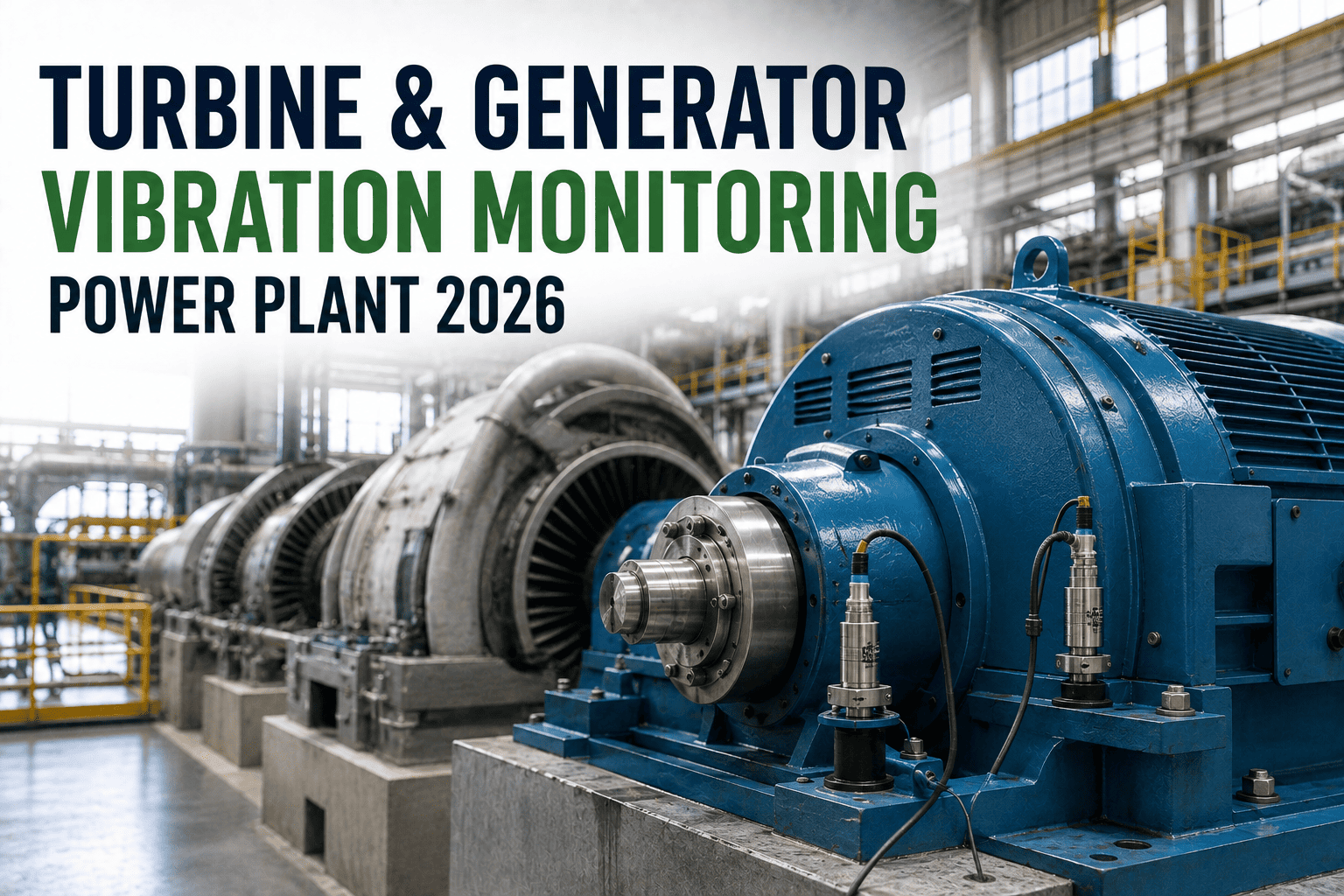
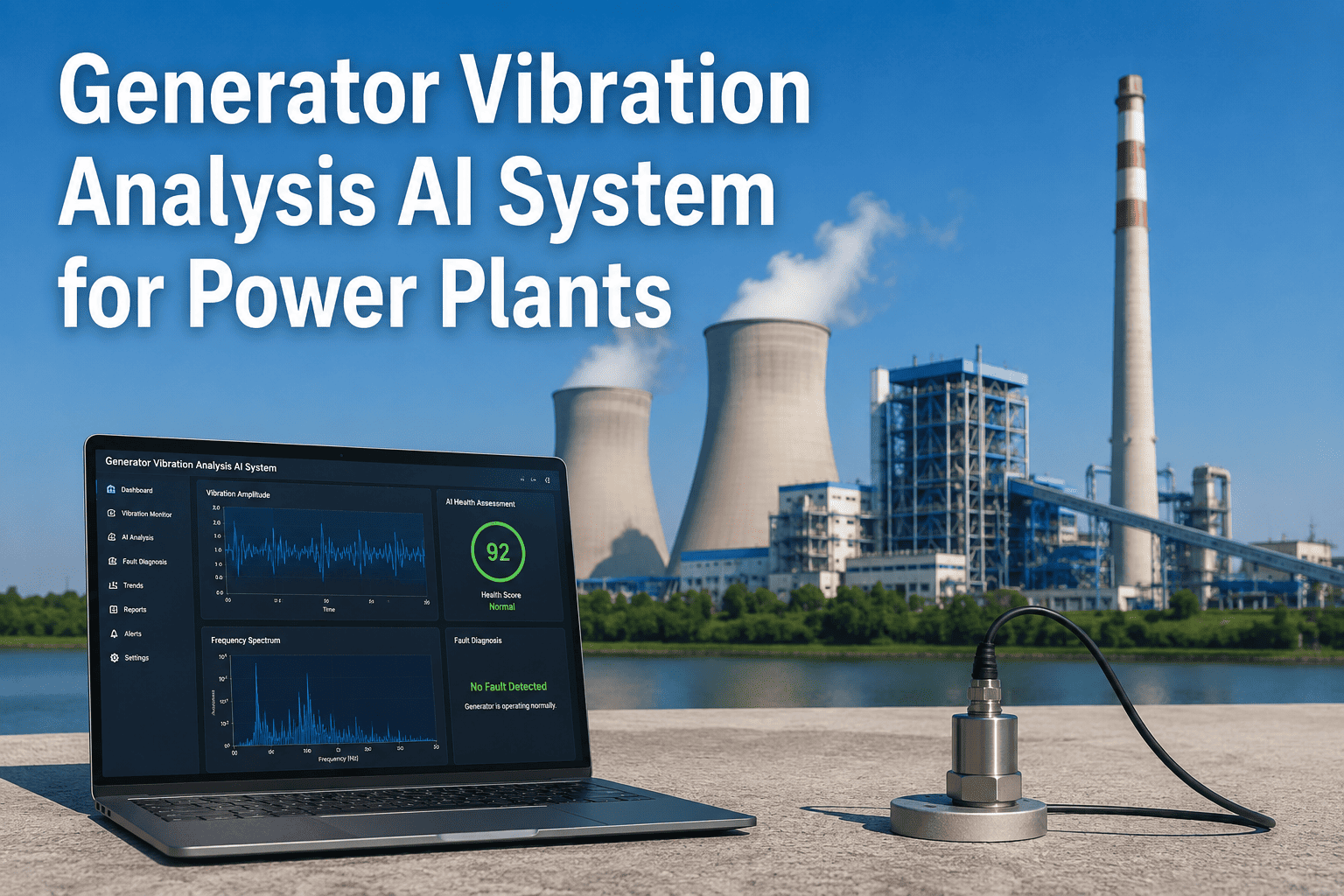
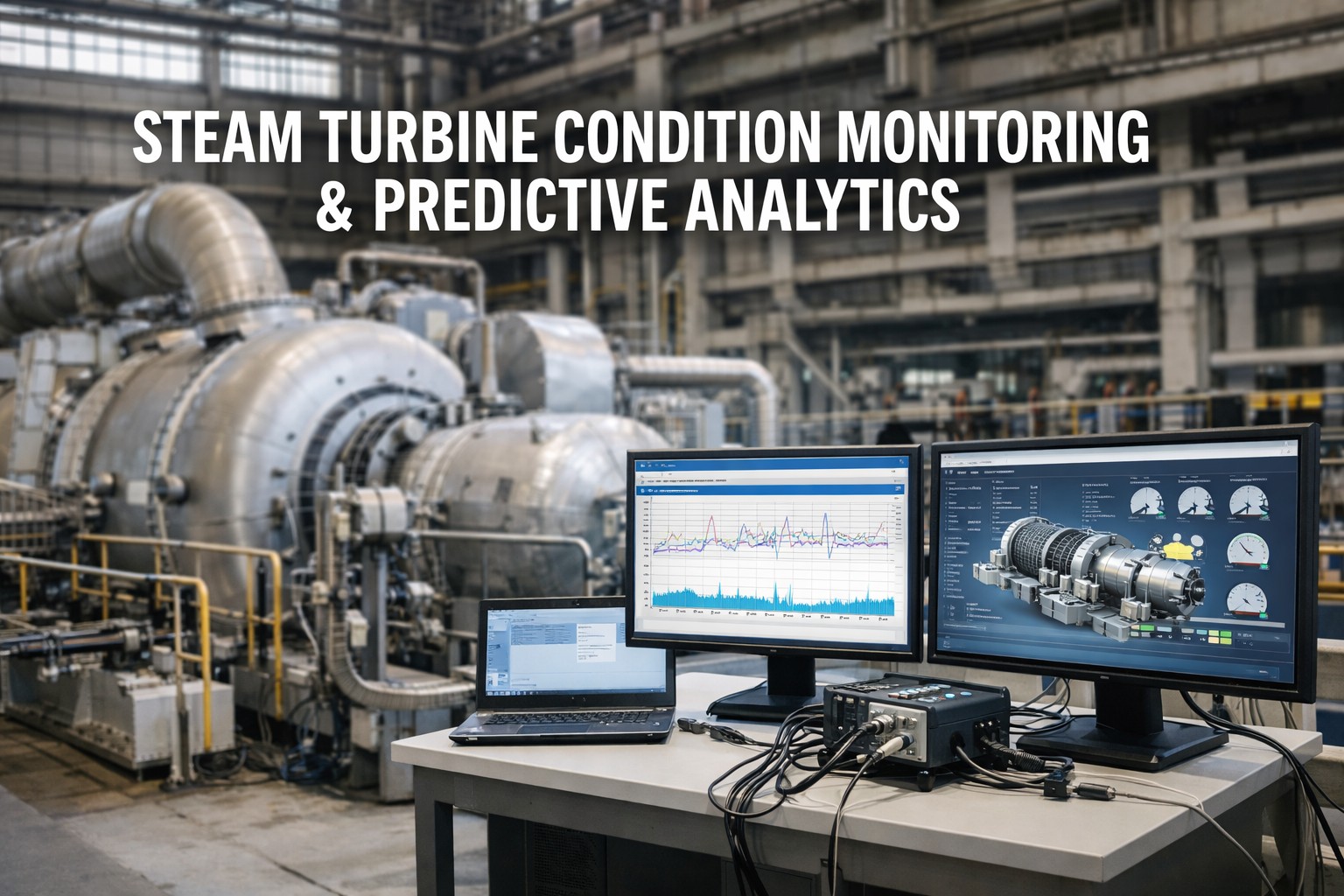
Power plants depend on rotating equipment running flawlessly around the clock. Turbines, generators, pumps, compressors, and fans form the mechanical backbone of every generation facility. Yet a single bearing failure in a 400MW steam turbine can cascade into $800,000+ in losses within hours, combining lost generation revenue, emergency repair premiums, grid penalties, and replacement power purchases at spot market rates. The frustrating reality is that over 85% of these catastrophic failures produce detectable vibration signatures weeks or even months before breakdown occurs. The gap between having that data and acting on it is where most power plants hemorrhage money. Oxmaint's vibration analysis and maintenance management platform bridges that gap by converting raw vibration data into automated work orders, predictive alerts, and measurable reliability improvements across your entire rotating equipment fleet.
Turbines Account for 43% of All Power Plant Equipment Failures
Generators follow at 14% and transformers at 11%. The common thread: these are high-value rotating assets where vibration analysis detects degradation weeks before failure occurs.
The vibration monitoring market is valued at approximately $1.87 billion in 2025 and is projected to grow at a 6-7% CAGR through 2030, reflecting an industry-wide shift from reactive to predictive maintenance strategies. Power generation ranks among the top three sectors driving this growth, alongside oil and gas and heavy manufacturing. Yet despite this momentum, most power plants still operate with fragmented monitoring approaches: data collected by one team, analyzed by another, and maintenance scheduled by a third. This disconnection is exactly what transforms a detectable bearing wear pattern into a midnight emergency call. With Oxmaint's integrated maintenance management system, vibration data flows directly into maintenance workflows, eliminating the gaps where failures slip through undetected.
The 6 Critical Rotating Assets That Demand Vibration Monitoring
Not every piece of equipment in your power plant justifies continuous vibration surveillance. But the assets that carry catastrophic failure consequences, serve as single points of failure for generation capacity, and operate under extreme mechanical stress absolutely do. These six asset categories account for over 90% of vibration-related forced outages in power generation facilities. Schedule a consultation with our power plant specialists to map vibration monitoring priorities across your specific equipment fleet.
Steam & Gas Turbines
Rotor imbalance, blade damage, bearing wear, thermal bow, and coupling misalignment produce distinct vibration signatures detectable 4-12 weeks before failure.
Generators
Stator eccentricity, rotor rub, winding looseness, and bearing oil whirl create measurable vibration changes that precede electrical failures by weeks.
Boiler Feed Pumps
Cavitation, impeller erosion, seal degradation, and shaft misalignment show as elevated vibration amplitudes and shifted frequency spectra weeks before pump failure.
Forced Draft & ID Fans
Blade buildup, bearing degradation, foundation looseness, and belt misalignment alter fan vibration profiles. Fan failures cascade to boiler trips within minutes.
Compressors
Surge instability, rotor unbalance, gear mesh faults, and valve flutter generate vibration anomalies that predictive algorithms detect 3-8 weeks ahead of breakdown.
Cooling Water Pumps
These often-overlooked assets serve condenser cooling loops. Vibration trending catches impeller damage, bearing wear, and seal failures before condenser backpressure rises.
How Vibration Analysis Software Detects Failures Before They Happen
Vibration analysis is not guesswork with better sensors. It is a structured intelligence pipeline that converts continuous mechanical data into failure forecasts with specific timelines, recommended actions, and cost impact projections. Every rotating component in your plant has a unique vibration signature when healthy. As faults like imbalance, misalignment, bearing wear, or gear defects develop, they alter this signature in predictable, measurable ways. Here is how Oxmaint's predictive maintenance platform processes this intelligence:
What Vibration Analysis Catches, and How Far in Advance
Each rotating asset category produces distinct degradation signatures that vibration algorithms detect at different lead times. Understanding these detection windows helps plant engineers prioritize monitoring investments and set realistic expectations for program outcomes.
Detect Equipment Failures Weeks Before They Shut Down Your Plant
Oxmaint connects vibration data from your rotating equipment fleet directly into maintenance workflows. Predictive alerts become automated work orders with parts, timing, and cost documentation, so your team intervenes during planned outages instead of scrambling at 2 AM.
ROI of Vibration-Based Predictive Maintenance for Power Plants
The financial case for vibration analysis software in power generation is arithmetic, not theory. Every prevented emergency failure avoids the 4-5x cost multiplier from overtime labor, expedited parts, replacement power purchases, and regulatory penalties. Plants that present this ROI data to leadership consistently secure funding that reactive-mode budget requests never achieve.
Reactive vs. Predictive: The Real Cost Comparison
Most power plant managers underestimate total forced outage costs by focusing only on repair bills. The reality involves cascading expenses that multiply the initial damage by 4-5x. Here is what the two approaches actually look like when you account for every cost category:
4 Steps to Implement Vibration Monitoring with Oxmaint
Deploying vibration analysis for your rotating equipment follows a structured path that delivers measurable value at each phase. You do not need to instrument every asset on day one. Start with the 15-20% of machines that cause 60-70% of your forced outage costs. Prove value fast and expand with evidence. Book a demo to design a phased deployment plan for your specific plant.
Asset Audit and Baseline
Catalog every rotating asset by criticality: turbines, generators, pumps, fans, compressors, and auxiliaries. Establish vibration performance baselines from existing data and OEM specifications. Prioritize assets by failure consequence and monitoring ROI.
Sensor Deployment and Integration
Install accelerometers, proximity probes, and velocity sensors on priority assets. Connect existing plant sensors and DCS data feeds to the Oxmaint platform. Wireless IoT sensors fill coverage gaps at $100-500 per monitoring point without cabling.
Predictive Alerts and Automated Work Orders
AI learns each asset baseline within 2-4 weeks. First anomaly detections and predictive alerts trigger automatically. Vibration threshold exceedances generate work orders with parts specs, labor estimates, and recommended repair timing aligned to planned outage windows.
Measure Savings and Scale
Track avoided outages, reduced maintenance costs, and extended equipment life per asset. Monthly optimization reviews with real data drive expansion to additional equipment classes. Typical payback on full program investment occurs within 6-12 months.
Turn Vibration Data Into Millions in Avoided Downtime
Power plants using predictive vibration monitoring reduce unplanned downtime by 35-50% and cut maintenance costs by up to 45%. Your rotating equipment is generating health data right now. Oxmaint transforms that data into actionable intelligence that prevents the emergency calls, protects generation capacity, and extends asset life across your entire fleet.