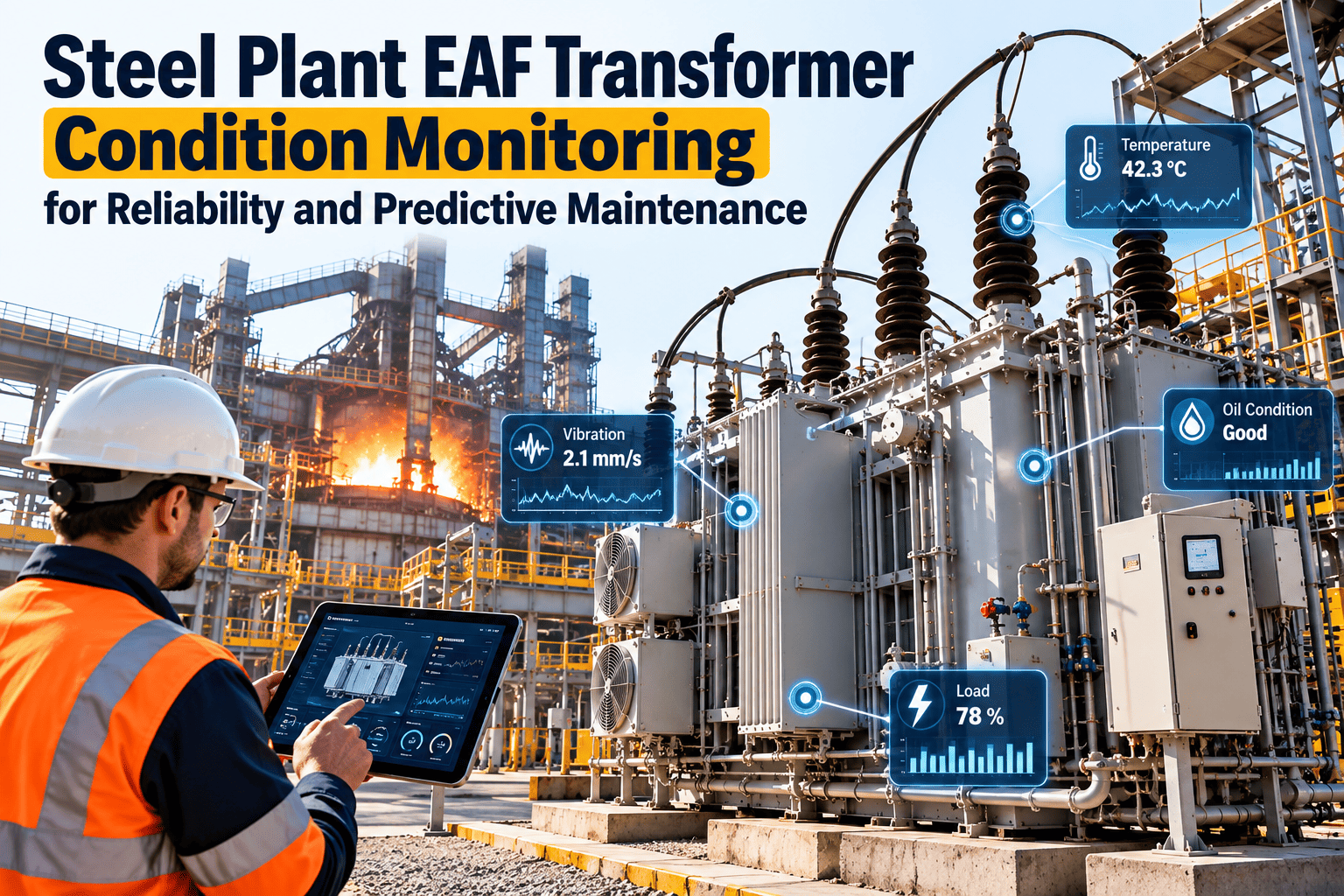
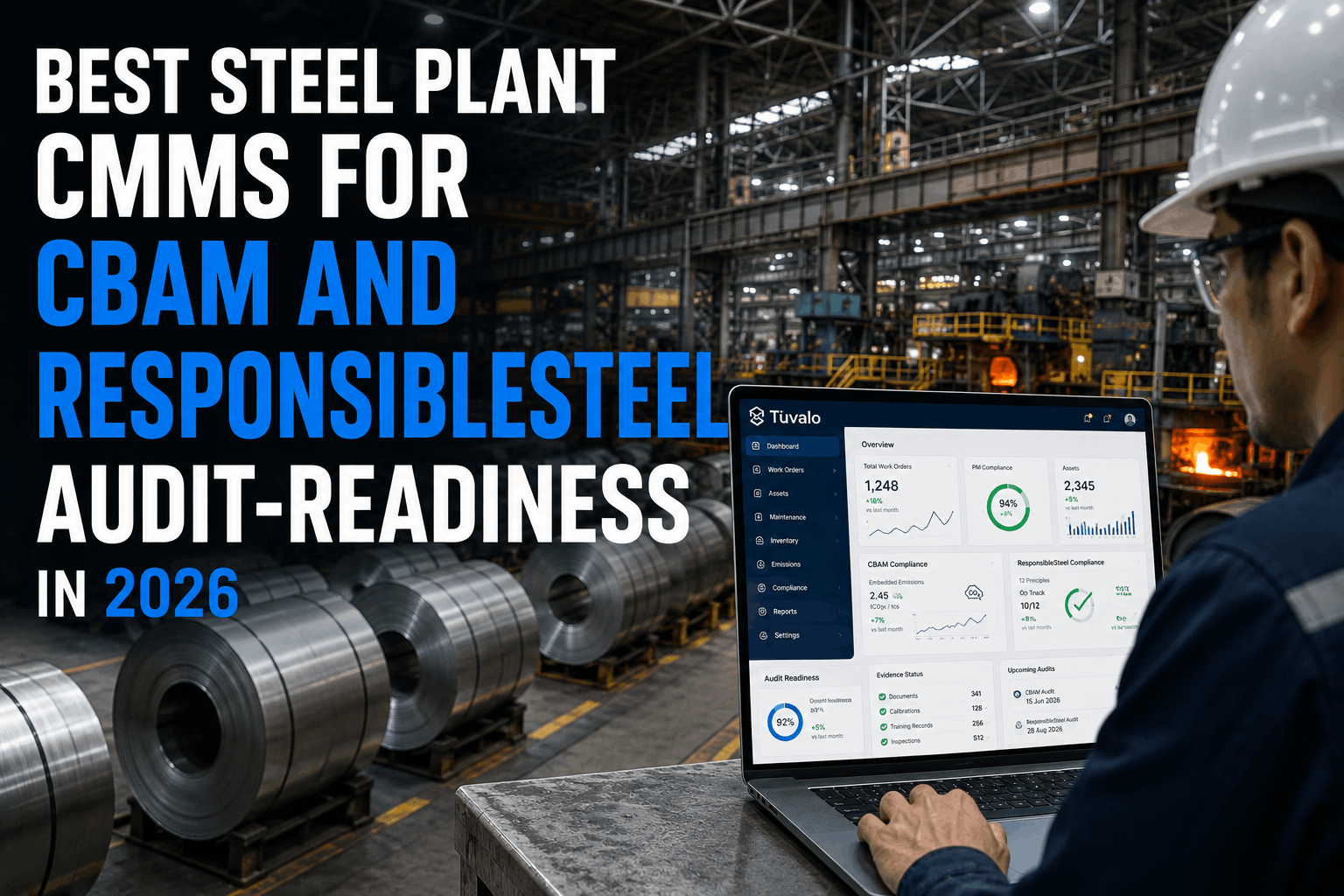
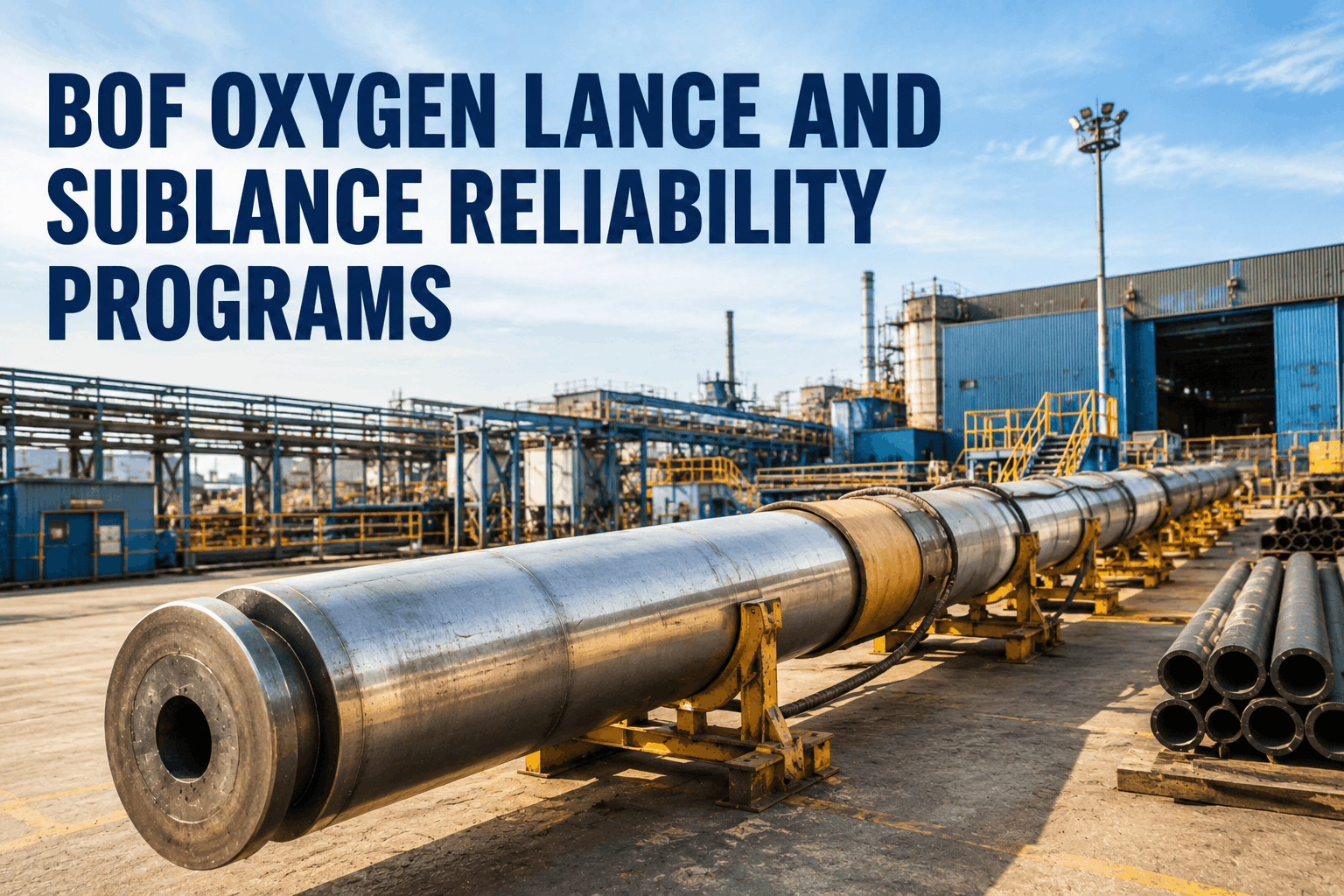
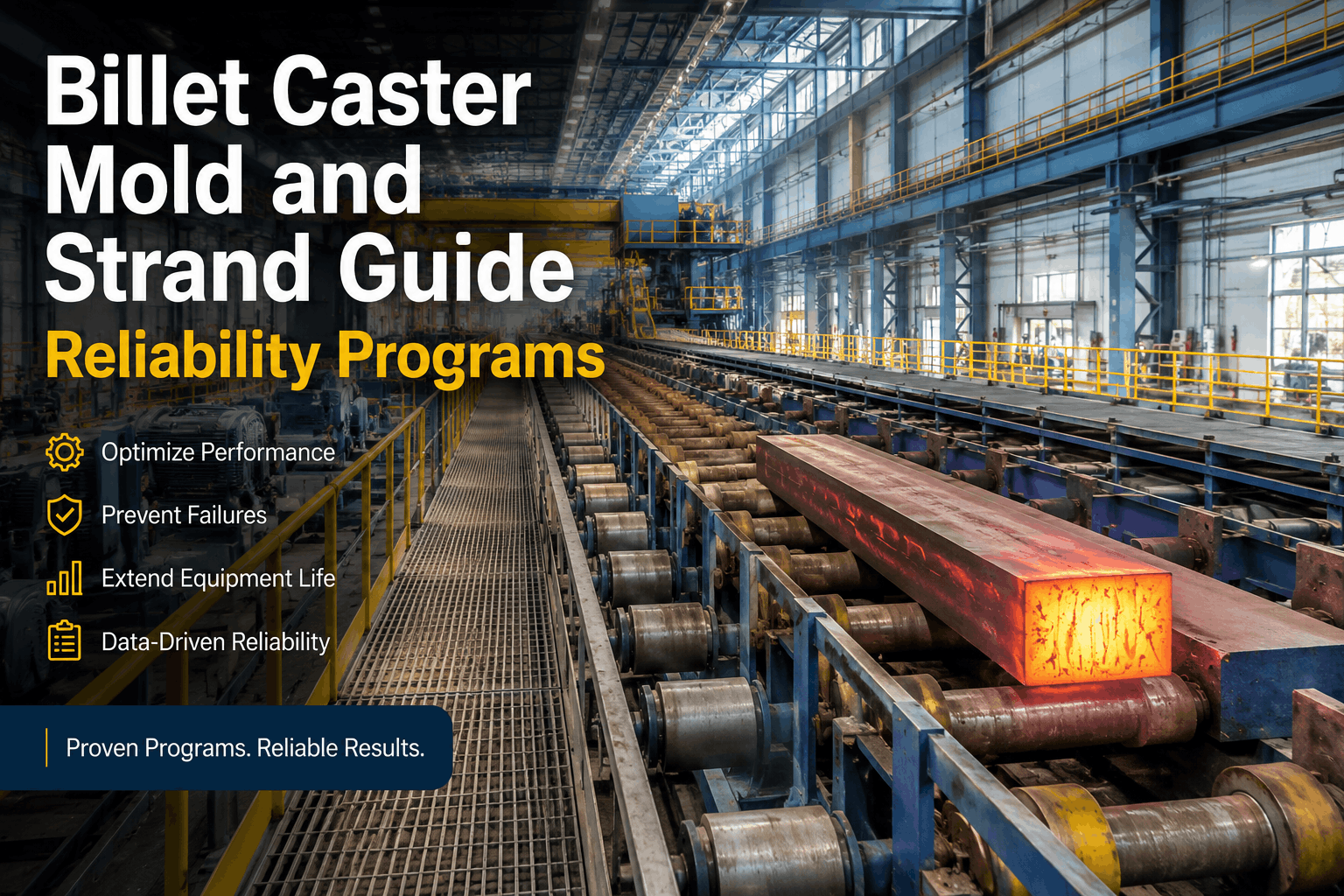
Electric Arc Furnace (EAF) transformers and bus tubes are the high-voltage heart and high-current arteries of the modern melt shop — delivering the massive energy required to liquify scrap steel at temperatures exceeding 3,000°F. When a transformer fails or a bus tube leaks, the entire mill stops, leading to millions in lost production and significant safety risks. Yet, many US steel facilities still manage these mission-critical assets through reactive "run-to-fail" strategies or fragmented paper logs. A dedicated electrical reliability CMMS transforms this by centralizing dissolved gas analysis (DGA) trends, tap changer cycles, and water-cooling flow data into a single, audit-ready record for every furnace campaign. Sign Up Free to start building your EAF reliability program today.
Maximize Furnace Uptime with Predictive Transformer Tracking
OxMaint gives steel plant electrical teams a unified platform to monitor transformer health, track bus tube wear, and manage specialized high-voltage spare parts inventory.
What is EAF Transformer & Bus Tube Reliability?
EAF reliability is a specialized engineering discipline focused on the health of the high-current secondary circuit. Because these transformers handle currents up to 60,000 Amps and frequent short-circuit stresses, traditional maintenance isn't enough. Reliability programs must integrate Dissolved Gas Analysis (DGA), infrared thermography of bus tube joints, and precise water-flow monitoring. Without a structured program, a single loose bus tube connection or a tap changer contact failure can trigger a transformer explosion. US steel mills utilizing OxMaint move from reactive repairs to evidence-based reliability, ensuring that every megawatt reaches the electrodes without interruption. Book a Demo to see how we track critical electrical asset health.
Core Components of a Furnace Reliability Program
Dissolved Gas Analysis (DGA) Trends
Capture and trend hydrogen, acetylene, and ethylene levels to detect internal arcing or insulation degradation before a transformer failure occurs.
Tap Changer (OLTC) Cycle Counts
Track cumulative operations per tap position. Trigger overhaul work orders based on manufacturer cycle limits rather than unreliable calendar dates.
Bus Tube Water Flow & Pressure
Monitor flow rates and pressure drops across secondary cooling circuits. Blocked tubes lead to melting and catastrophic water-to-molten-steel explosions.
Infrared Joint Thermography
Schedule and document periodic IR scans of bus tube connections and flexible cables. Identify high-resistance hotspots that signal impending failure.
Oil Dielectric & Acidity Testing
Log dielectric strength and neutralization values. OxMaint triggers automated filtration work orders when oil quality deviates from IEEE C57.106 standards.
Spare Bushing & Contact Inventory
Manage long-lead critical spares. Ensure bushings, gaskets, and tap contacts are in stock before a planned turnaround begins.
Implementing a World-Class EAF Reliability Workflow
Asset Hierarchy & Criticality Mapping
Define your electrical circuit from the utility incoming to the electrode holders. Assign high criticality to the transformer, OLTC, and bus tubes. Sign Up Free to map your melt shop assets and identify single points of failure across your furnace fleet.
Establish usage-based PM Schedules
Move away from "every six months" maintenance. Link tap changer inspections to operation counts and bus tube cleanings to cumulative furnace tap times. Usage-based scheduling ensures maintenance happens when the asset actually needs it, reducing unnecessary downtime.
Deploy Mobile Checklists for Field Inspections
Technicians use the OxMaint app to capture oil sample IDs, pump vibration data, and bus tube IR images directly at the furnace. Digital capture eliminates transcription errors and provides instant visibility to the reliability team. Book a Demo to see our mobile field apps.
Trend DGA and Water Flow Deviations
Don't just record data — analyze it. OxMaint plots gas-in-oil levels and cooling flow trends. If acetylene rises or flow drops below the 35 GPM minimum, the system generates an immediate priority alert for your electrical maintenance lead.
Audit-Ready Reporting & Root Cause Analysis
Generate timestamped reliability reports for insurance underwriters and internal audits. After any event, use the complete asset history in OxMaint to conduct thorough root cause analysis (RCA) and prevent repeat failures in future campaigns.
EAF Electrical Reliability Matrix: USA Standards
| Reliability Component | Critical Inspection | Failure Mode | Compliance standard |
|---|---|---|---|
| EAF Transformer | DGA (Gas-in-Oil) Analysis | Internal Arcing / Overheating | IEEE C57.104 (USA) |
| Tap Changer (OLTC) | Contact Wear & Cycle Count | Mechanical Jam / Phase Short | NFPA 70B Guidelines |
| Bus Tube Cooling | Water Flow & Pressure Drop | Tube Melting / Steam Explosion | OSHA Steel Mill Safety |
| Secondary Cables | Flex Integrity & IR Scan | Induction Heating / Cable Break | ANSI/NETA MTS Standards |
| Transformer Oil | Dielectric & Acidity Check | Insulation Breakdown | IEEE C57.106 Standards |
| Protection Relays | Calibration & Trip Testing | Uncoordinated Fault Clearing | NERC Reliability Rules |
Real-World Examples: Transformer Reliability in Action
DGA Trend Alerting
A Texas mini-mill identified rising acetylene levels in a 90MVA transformer. OxMaint flagged the trend, allowing a planned inspection that found a loose lead connection before a phase-to-ground fault occurred.
Bus Tube Flow Optimization
A specialty steel plant in Ohio reduced bus tube leaks by 60% after installing flow sensors. OxMaint automated the cleaning work orders whenever flow dropped 15% below the baseline, preventing thermal stress failures.
Tap Changer Predictive Overhaul
By tracking actual operation counts rather than years, a Pennsylvania mill extended their OLTC overhaul interval by 14 months, saving $45,000 in labor and parts while maintaining 100% reliability.
Why Furnace Reliability Programs Fail — and How to Fix It
If oil lab reports live in email inboxes and binders, you'll miss the trend. Centralize all DGA results in OxMaint to visualize gas accumulation over the full life of the transformer.
Relying on technicians to manually check gauges leads to missed deviations. Use digital checklists or IOT integrations to ensure every cooling zone is verified during every furnace campaign shift.
A failed bushing can take 12 weeks to source. Link your critical spares inventory to your electrical asset records in OxMaint so you always know your stock level for high-priority components.
Technicians shouldn't have to guess torque values or IR targets. Attach manufacturer manuals and high-res photos directly to OxMaint work orders for instant technician access at the furnace.
Transformer Maintenance Best Practices for US Steel Plants
Perform Quarterly Oil Sampling
US facilities operating above 100% rated capacity should sample oil every 90 days. This frequency is necessary to catch rapid gas generation caused by the high harmonic loads of modern EAF operations.
Automate Tap Changer Health Checks
Configure your CMMS to pull tap counts from the PLC. Usage-based maintenance is the only way to reliably manage tap changer contacts in a high-productivity melt shop environment.
Verify Bus Tube Grounding Regularly
Poor grounding in the secondary circuit causes stray currents that damage transformer insulation and instrumentation. Include grounding checks in every monthly furnace shutdown inspection checklist.
Track Remaining Useful Life (RUL)
Use cumulative thermal stress and DGA history to calculate the RUL of your transformer. This data allows for capital planning years in advance, avoiding emergency $2M replacement costs.
Document Post-Failure Forensics
If a component fails, use OxMaint to document the forensic findings. Photos of burnt contacts or clogged tubes are invaluable for training technicians to spot early warning signs in the future.
Integrate IR Scans into Monthly Rounds
Monthly infrared scanning of bus tube joints is a US industry benchmark. Hotspots identify loose bolts or poor conductivity that can lead to arc instability and localized melting.
Stop Reacting to Furnace Failures
Join the US steel plants using OxMaint to centralize transformer records, trend cooling flow, and maximize furnace campaign life through structured reliability programs.
Frequently Asked Questions
US steel mills should sample oil quarterly to track hydrogen and acetylene levels before internal arcing occurs.
OxMaint auto-schedules these samples based on tap counts to ensure IEEE C57.104 compliance.
Water-cooling sediment buildup leads to localized overheating and high-pressure steam leaks near the electrode arms.
Regular flow verification and ultrasonic testing are essential PMs to prevent catastrophic melt-shop incidents.
OxMaint logs cumulative operations per position, triggering overhaul alerts at limits like 100,000 cycles.
This predictive approach replaces outdated calendar-based maintenance with usage-based reliability for furnace electrical components.
IR thermography identifies high-resistance joints that indicate loose connections or internal clogging before melting starts.
Attaching snapshots to OxMaint work orders allows electrical engineers to trend temperature rises across campaigns.
IEEE C57 and NFPA 70B provide the framework for electrical testing, oil analysis, and safety-critical grounding inspections.
OxMaint includes checklists that map to these US requirements for simplified, audit-ready reliability records.
Installing flow sensors linked to your CMMS allows for real-time alerting when flow drops below 35 GPM minimums.
Automated work orders prevent bus tube melting by identifying flow deviations during high-current arc sequences.
The system manages inventory for critical items like bushings, tap contacts, and pumps specific to EAF designs.
Automatic reorder points ensure your US facility is never caught without a high-priority component during a furnace outage.
Technicians capture oil-sample IDs and pump vibration data directly at the furnace using the OxMaint mobile app.
This eliminates paper-log errors and provides immediate visibility to the reliability team across all operating shifts.
"We were managing our EAF transformer fleet across three US states with a patchwork of spreadsheets and lab emails. After a $1.8M failure in our Indiana mill due to a missed DGA trend, we moved everything to OxMaint. We now have real-time visibility into every tap changer cycle and cooling flow deviation across all furnaces. We extended the life of our main furnace transformer by nearly three years through predictive oil conditioning alone—that single result paid for the software a hundred times over."
Ready to Secure Your Furnace Energy Supply?
Start your free OxMaint trial and give your electrical reliability team the tools to document, trend, and audit transformer and bus tube health—accessible from any device.