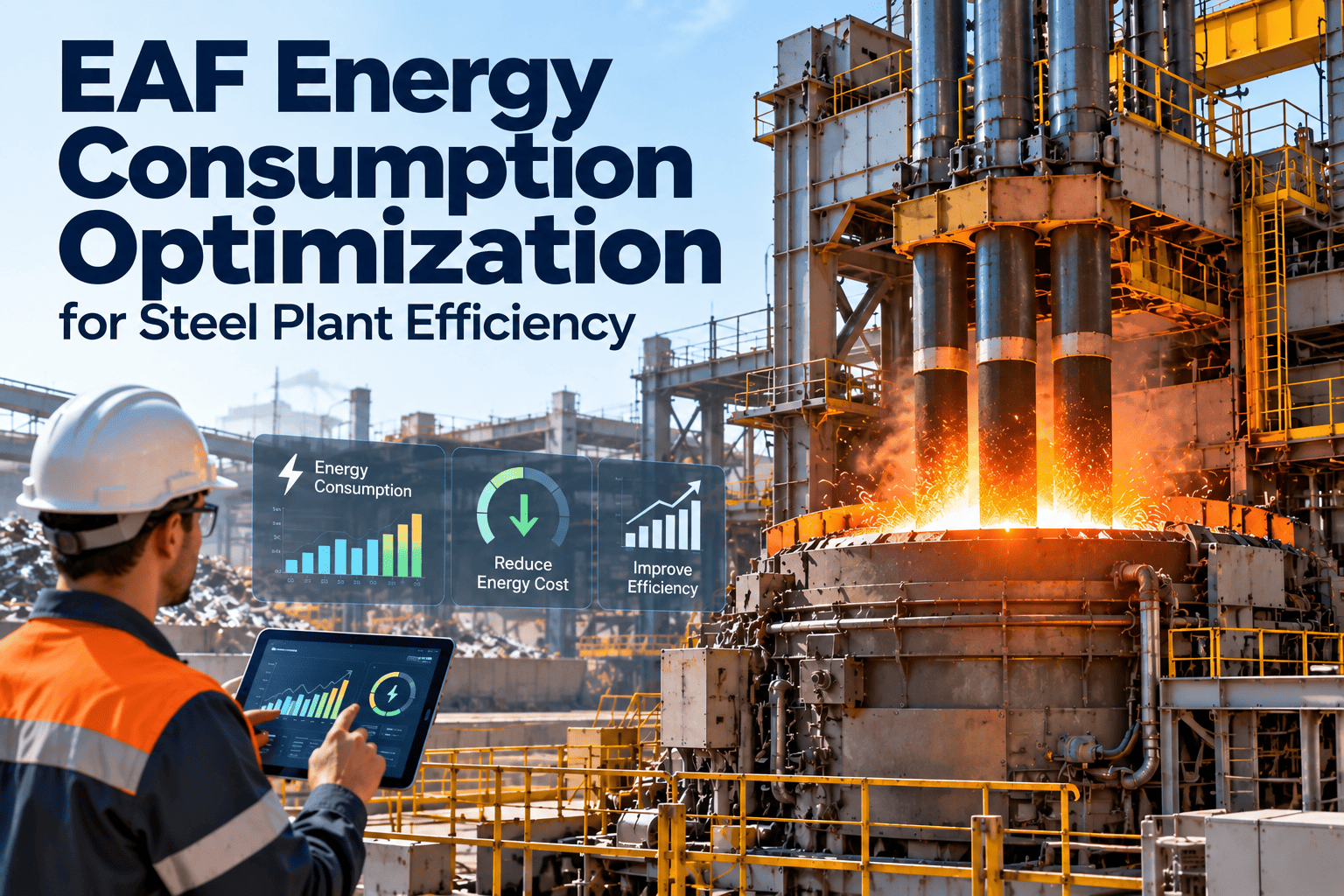
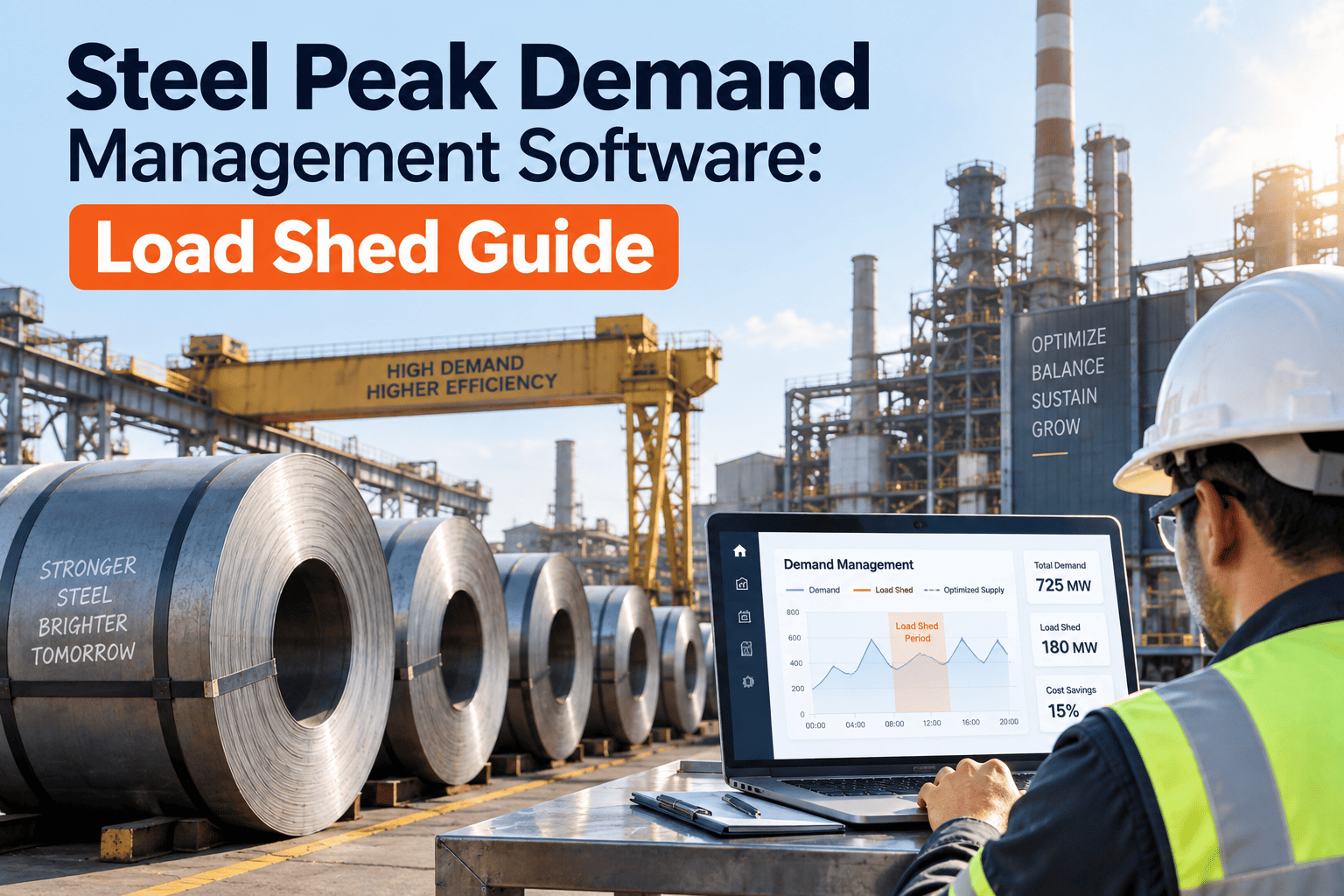
Energy costs can make or break a steel plant's profitability. With electric arc furnaces consuming between 500-650 kWh per ton of steel produced, and energy accounting for 25-35% of total operating expenses, the timing of your production runs directly impacts your bottom line. Smart manufacturers are now discovering that when they produce matters just as much as how they produce.
Energy-aware production scheduling is revolutionizing steel manufacturing by aligning energy-intensive operations with periods of lower electricity costs. This isn't just about cutting bills— it's about building a sustainable competitive advantage in an industry where margins are razor-thin.
Why Energy Costs Are Crushing Steel Margins
The steel industry faces a perfect storm of energy challenges. Global power curtailment policies are increasing, grid instability is becoming more common, and electricity prices continue to climb. For a mid-sized steel plant processing 50,000 tons annually, energy expenses can exceed $13 million per month—making it the second-largest cost after raw materials.
What many plant managers don't realize is that a significant portion of these costs is avoidable. The key lies in understanding how time-of-use (TOU) electricity pricing works and strategically scheduling production around it. Modern AI-powered maintenance platforms can help you identify these optimization opportunities automatically.
Steel Plant Operating Cost Breakdown
? Energy is the most controllable major cost—you can't negotiate scrap prices, but you can control when you use power.
See Your Energy Savings Potential
Get a personalized analysis of how much your steel plant could save with intelligent energy-aware scheduling. Our experts will map your current usage and identify optimization opportunities.
Understanding Time-of-Use Electricity Pricing
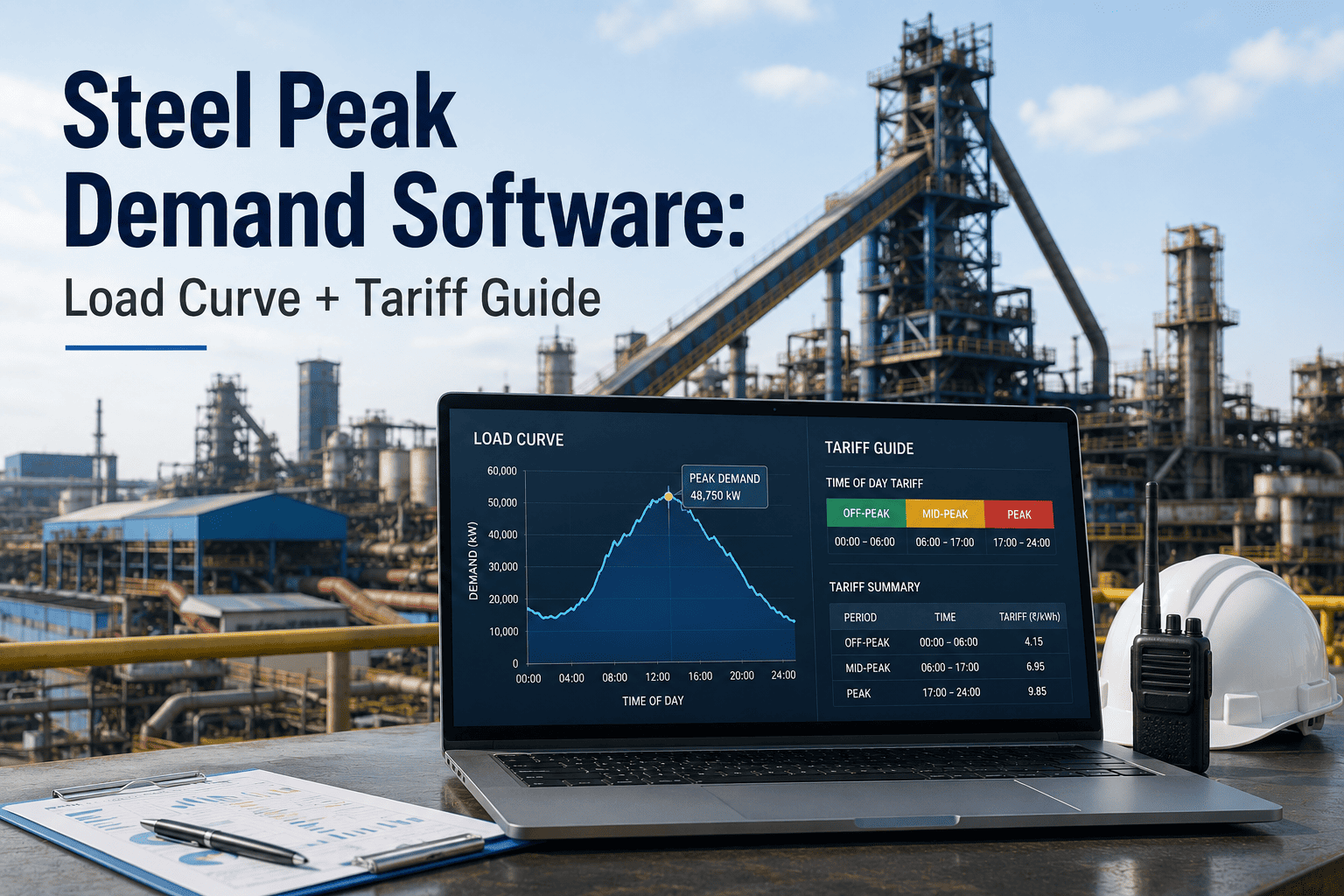
Utilities charge different rates depending on when electricity is consumed. During peak demand hours—typically 4 PM to 9 PM on weekdays—rates can be 2 to 3 times higher than off-peak periods. For energy-intensive steel operations, this creates both a challenge and an opportunity.
24-Hour Electricity Rate Pattern
Real-World Savings Example
How AI-Powered Energy Scheduling Works
Modern energy-aware scheduling goes far beyond simple time-shifting. AI algorithms analyze multiple data streams in real-time to find the optimal production schedule that balances energy costs, production deadlines, equipment constraints, and quality requirements.
Data Collection
IoT sensors monitor energy consumption, equipment status, and production metrics across every furnace and rolling mill
AI Analysis
Machine learning models analyze historical patterns, predict energy prices, and identify optimization opportunities
Schedule Optimization
Algorithms generate optimal production schedules that minimize energy costs while meeting all operational constraints
Real-Time Adaptation
System continuously monitors and adjusts schedules based on changing conditions or price fluctuations
Key Benefits of Energy-Aware Scheduling
Direct Cost Reduction
Reduce energy bills by 15-30% through intelligent load shifting to off-peak hours
Peak Demand Charges
Lower your maximum power draw to reduce demand charges that can add 20-40% to bills
Carbon Footprint
Off-peak energy often comes from cleaner sources, reducing emissions per ton of steel
Equipment Longevity
Optimized scheduling reduces thermal stress cycles and extends furnace refractory life
Grid Compliance
Avoid penalties from power curtailment policies and participate in demand response programs
Production Efficiency
Better scheduling improves overall equipment effectiveness and reduces idle time
Calculate Your Plant's Savings Potential
Every steel plant is different. Let our team analyze your specific production patterns, energy contracts, and equipment to show exactly how much you could save with intelligent scheduling.
Energy Consumption by Steel Process
Not all processes in a steel plant consume energy equally. Understanding the energy profile of each operation is crucial for effective scheduling optimization. The electric arc furnace dominates energy consumption, but significant savings can also come from optimizing auxiliary processes. To see how these insights translate into actionable scheduling, schedule a walkthrough with our energy optimization specialists.
Quick Wins: Start Saving Today
You don't need a complete digital transformation to start saving on energy costs. Here are actionable steps you can implement immediately:
Audit Peak Usage
Review your last 3 months of utility bills to identify what percentage of consumption occurs during peak hours.
Shift Auxiliary Loads
Move non-critical processes like scrap preheating and water treatment to off-peak hours.
Negotiate TOU Contracts
Work with your utility provider to get the best time-of-use rate structure for your operation.
Implement AI Scheduling
Deploy intelligent scheduling software that automatically optimizes production sequences based on energy costs. Try Oxmaint's scheduling module to see how AI can automate this process.
How Steel Compares to Other Industries
Steel manufacturing with EAF technology has one of the highest energy cost shares AND highest scheduling flexibility—making it ideal for energy-aware optimization.
Ready to Slash Your Energy Costs?
Join leading steel manufacturers who are saving millions annually with AI-powered energy-aware scheduling. See exactly how Oxmaint can optimize your specific operations.
What Leading Steel Plants Are Achieving
Production in Off-Peak
Top performers shift 75% of production to off-peak windows
Cost Reduction
Average energy cost reduction through optimization
Peak Demand Cut
Reduction in maximum power draw
CO₂ Reduction
Lower emissions through cleaner off-peak energy
Frequently Asked Questions
How much can energy-aware scheduling really save for a steel plant?
Most steel plants see 15-30% reduction in energy costs. For a mid-sized EAF facility processing 50,000 tons annually, this translates to $500,000 to $1.5 million in annual savings. Key factors include your current peak-hour usage, price differential between peak and off-peak rates, and production flexibility.
Will shifting production to off-peak hours affect product quality or delivery schedules?
Not when done intelligently. AI-powered scheduling considers all constraints including delivery deadlines, quality requirements, and equipment capabilities. Many plants report improved quality because optimized scheduling reduces thermal stress on equipment.
What's the typical ROI timeline for implementing energy-aware scheduling?
Most implementations show positive ROI within 3-6 months. Implementation typically takes 4-8 weeks. Many plants see their first month's energy bill drop by 10-15% even during the initial optimization phase. Want to understand your specific ROI potential? Book a free consultation with our team.
Do we need to install new equipment or sensors?
Many steel plants already have necessary energy metering through utility connections. Oxmaint integrates with existing systems including SCADA, MES, and utility meters. Minimal new hardware is typically required.
How does energy-aware scheduling integrate with existing production planning?
Oxmaint works alongside your existing ERP and production planning systems. Integration is achieved through standard APIs or file exchanges. Your planners remain in control—they can accept, modify, or override AI recommendations. Explore the platform to see how seamlessly it fits into your workflow.
Start Optimizing Your Energy Costs Today
Stop paying premium prices for peak-hour electricity. Oxmaint's AI-powered scheduling helps steel plants find optimal production windows, reduce demand charges, and maximize profitability.