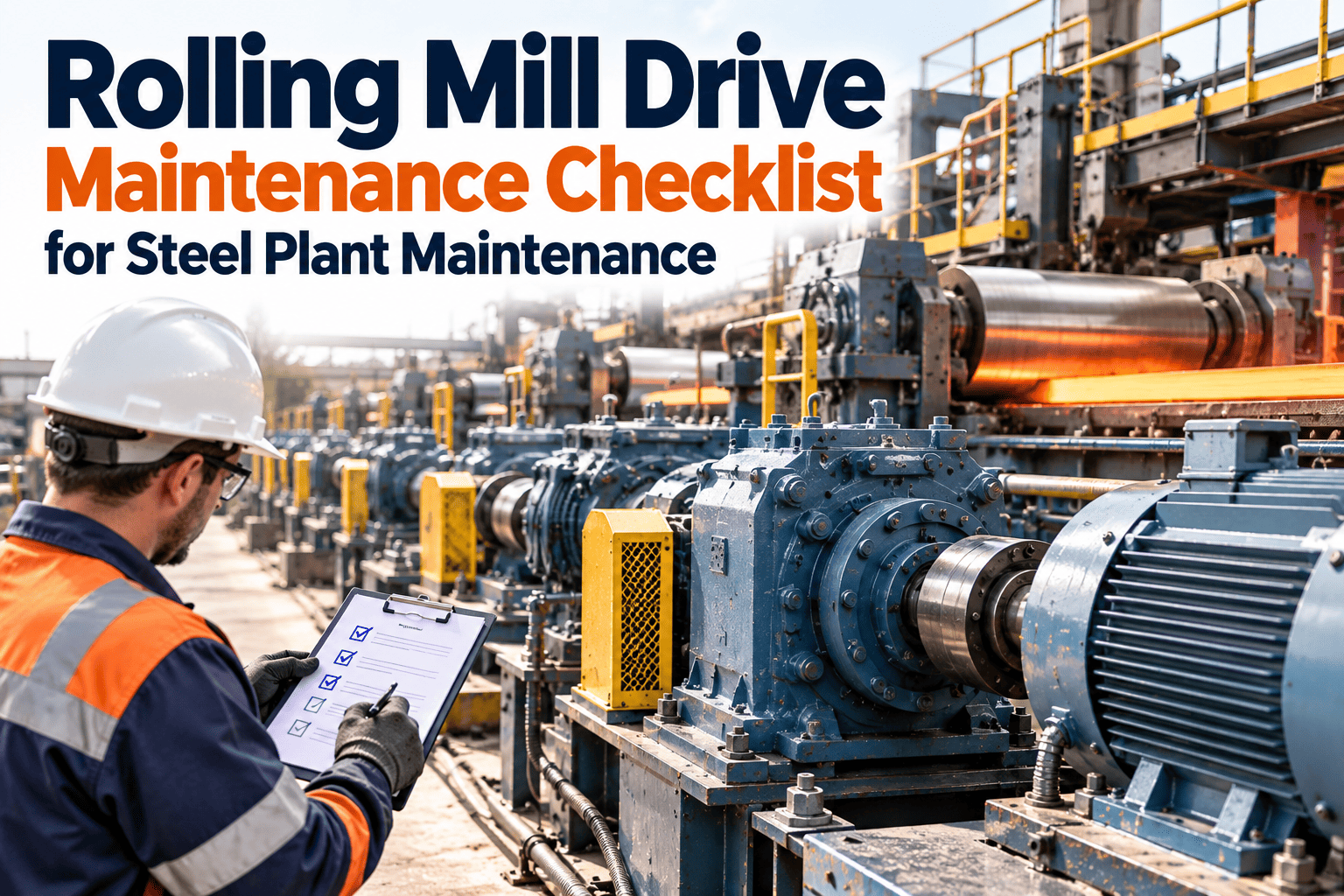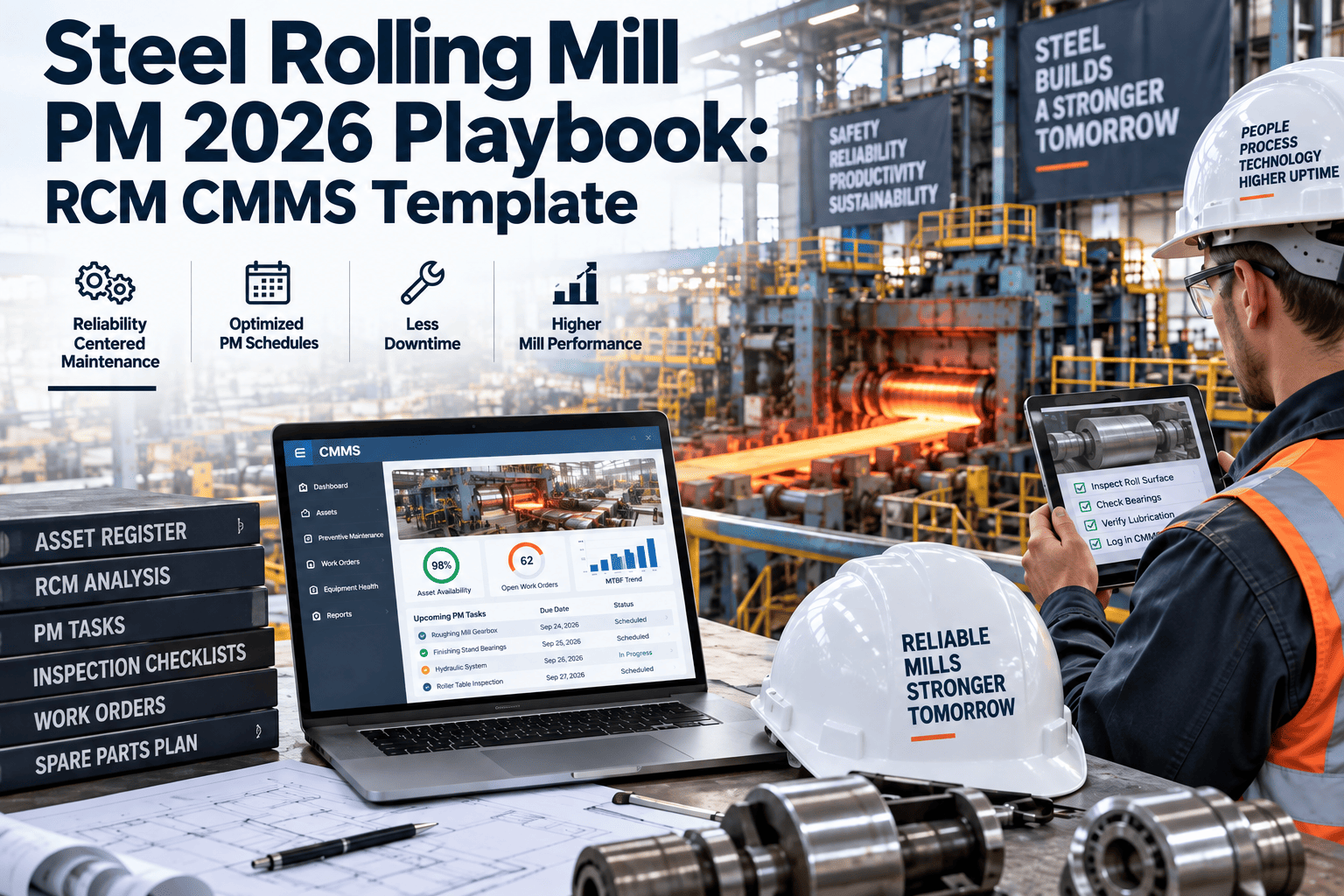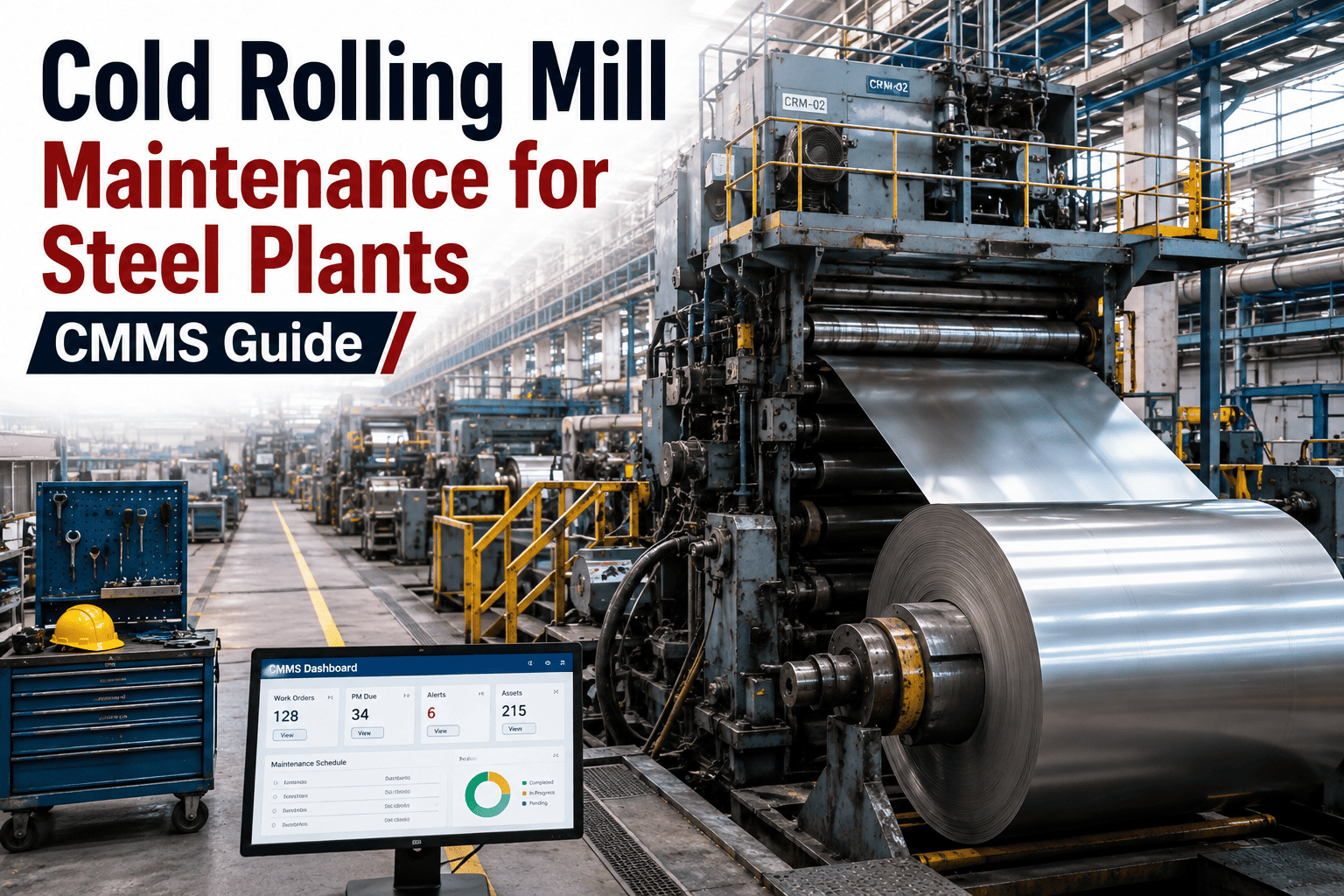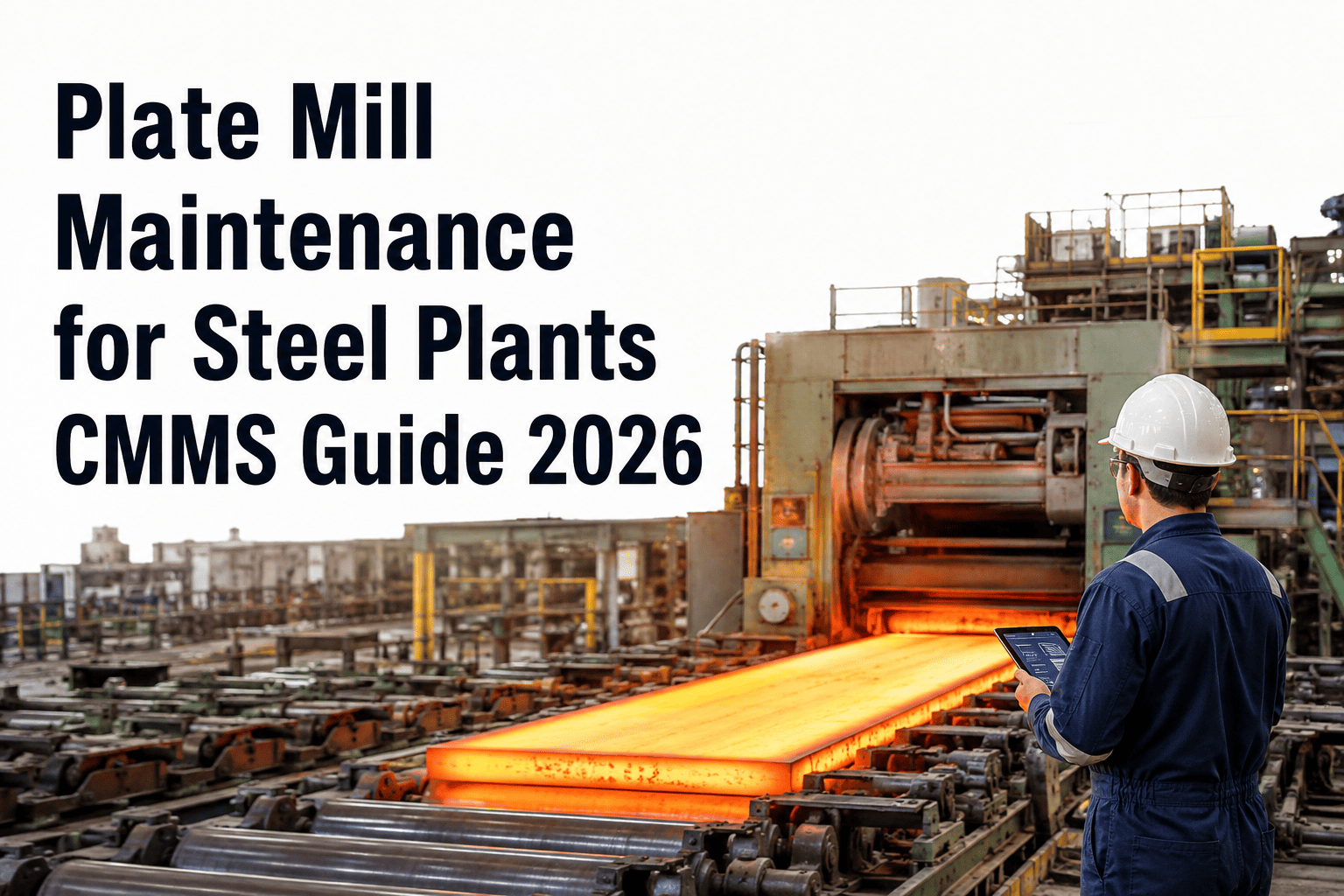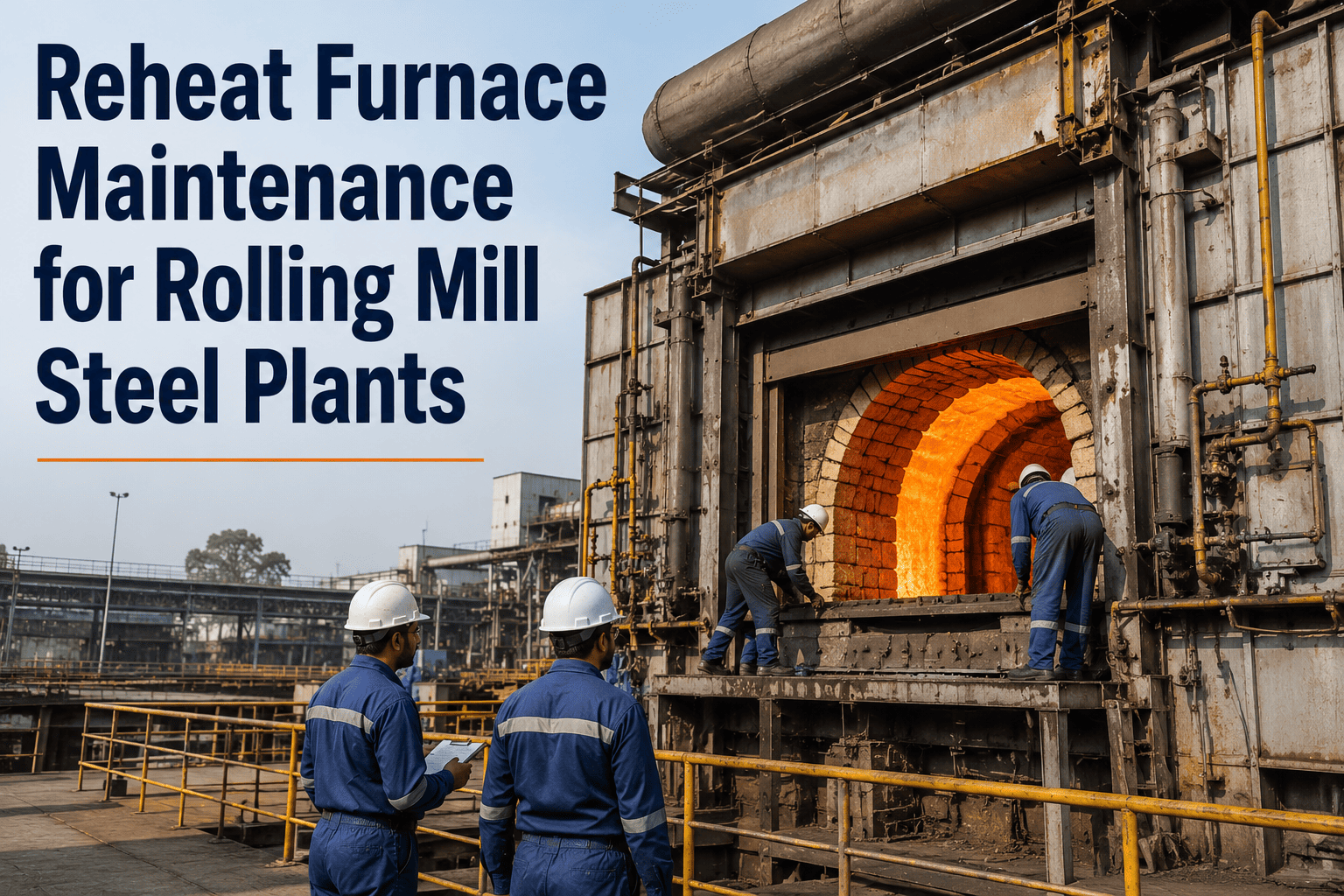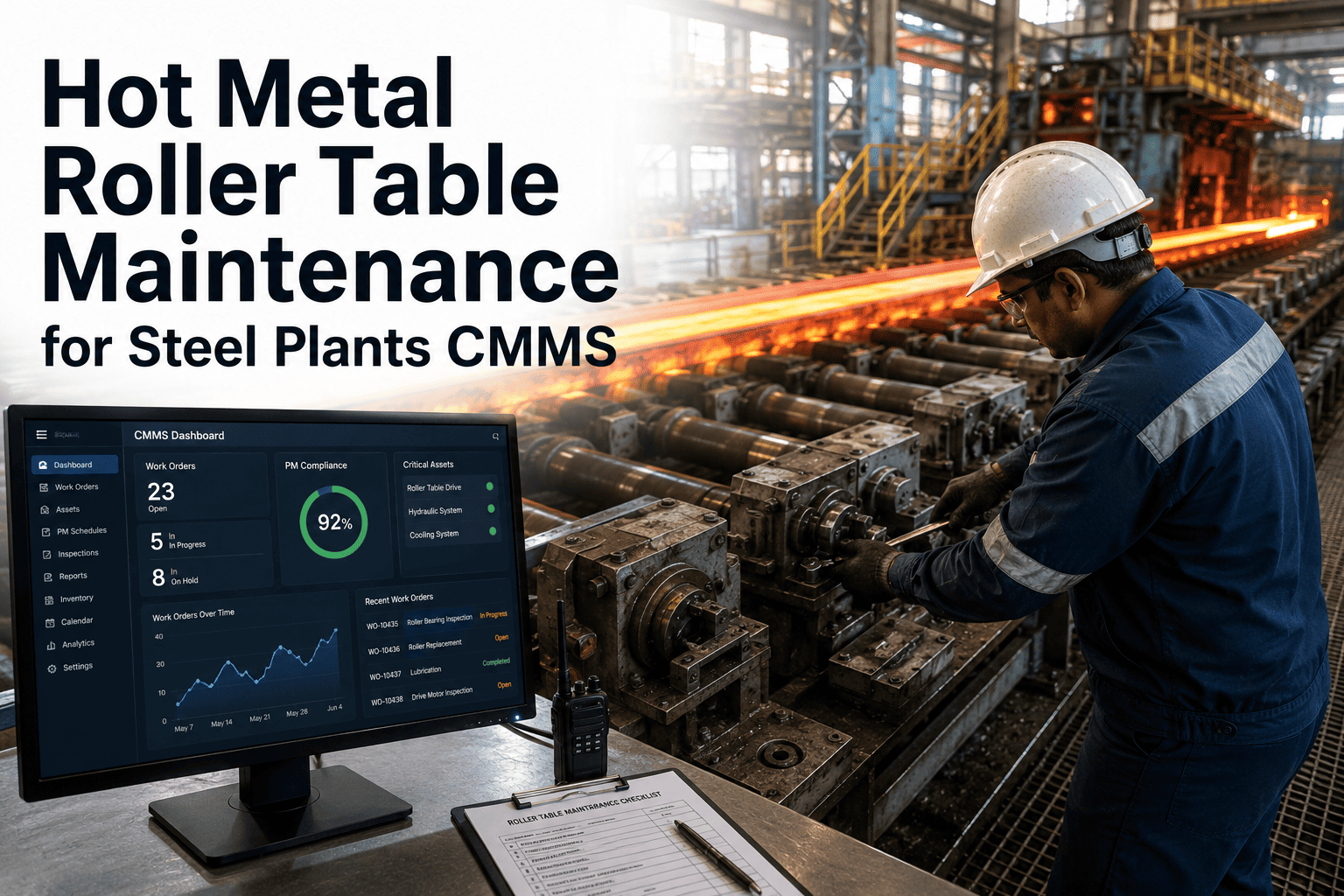
Hot metal roller table maintenance in steel plants demands a disciplined blend of bearing lubrication under extreme thermal load, drive motor preventive care, and cooling water nozzle inspection—because a single seized roll can stall a entire rolling mill for hours. This steel roller table maintenance guide breaks down the inspection routines, PM intervals, and lubrication best practices that keep hot metal tables moving slabs, billets, and blooms at 1,000°C-plus. You will see how a roller table CMMS like OxMaint digitizes work orders, triggers predictive alerts, and protects roller table performance across hot rolling operations. Ready to replace spreadsheets and clipboard rounds? Start Free Trial and configure your first asset hierarchy in under an hour.
STEEL PLANT MAINTENANCE GUIDE
Is a Single Roller Table Failure Costing Your Mill $90K Per Hour in Lost Production?
Hot metal roller tables carry white-hot slabs and blooms through the heart of your rolling mill. Without rigorous roller table PM—bearing lubrication, drive alignment, and cooling spray inspection—a seized roll can halt the entire line. OxMaint digitizes your roller table maintenance to predict failures before they stop production.
HOT METAL TABLE MAINTENANCE
Why Roller Table Maintenance Is the Backbone of Steel Plant Reliability
A typical hot rolling mill operates 50 to 300 roller table rolls in continuous shifts, transporting steel at temperatures exceeding 1,050°C. Under this thermal stress, water-cooled roller bearings degrade up to 4x faster than standard industrial bearings. When maintenance teams rely on reactive fixes or paper logs, roller table MTBF drops below 6 months. By implementing structured steel plant table maintenance through a CMMS, reliability teams routinely extend roller table drive life to 36+ months and reduce unplanned line stoppages by up to 45%.
PREVENTIVE MAINTENANCE CHECKLIST
Steel Roller Table PM Checklist: Bearings, Drives & Cooling Systems
Effective roller table inspection requires tiered routines. Daily walkdowns catch immediate hazards, while monthly and annual overhauls protect long-term asset health. Below is the core steel roller table maintenance checklist used by high-performing reliability teams.
- Visually inspect roller table drive guards and hot metal shields for alignment.
- Verify cooling water flow at spray nozzles; check for clogged or dry spray bars.
- Listen for abnormal vibration or grinding from roller table drive motors.
- Scan grease lines for leaks and confirm automatic lubrication system pressure.
- Perform roller bearing lubrication with high-temp synthetic grease per OEM specs.
- Check gear oil levels and condition in table drive gearboxes; sample for wear metals.
- Inspect universal shaft couplings for play and thermal expansion clearances.
- Test downstream emergency stop sensors and hot metal detectors.
- Pull and replace high-wear rollers; measure roll body diameter for wear limits.
- Rebuild or replace water-cooled bearing housings; flush internal cooling channels.
- Conduct vibration analysis and thermography on table drive motor assemblies.
- Recalibrate variable frequency drives (VFDs) to match new roll diameters.
INSPECTION FREQUENCIES
Roller Table PM Intervals and Compliance Standards
Standardizing roller table PM intervals ensures compliance with ISO 55000 asset management principles and prevents the costly cascade of reactive maintenance. Use this reference table to align your rolling mill roller table maintenance with industry benchmarks.
| PM Task | Frequency | Standard / Metric | Failure Risk if Missed |
|---|---|---|---|
| Cooling water nozzle inspection | Daily | Flow rate & spray pattern check | Roll surface overheating, bearing seizure |
| Roller bearing lubrication | Weekly / 250 hours | Grease volume per OEM chart | Bearing failure, roller lock-up |
| Drive motor vibration analysis | Monthly | ISO 10816 vibration velocity | Motor failure, production halt |
| Gearbox oil sampling | Quarterly | ISO 4406 cleanliness code | Gear wear, table drive failure |
| Table roll change & alignment | Annual / 6,000 hours | Roll wear tolerance limit | Slab marking, mis-tracking damage |
THE COST OF REACTIVE MAINTENANCE
How Much Does Roller Table Downtime Actually Cost Your Steel Plant?
When a hot metal roller table fails, the cost extends far beyond the replacement bearing. Consider a mid-sized steel plant running a 60-asset roller table system. If just one drive motor burns out due to missed lubrication, the line stops. The math below illustrates why proactive roller table maintenance supported by a CMMS delivers rapid ROI.
By contrast, an automated roller table CMMS Preventive Maintenance trigger for a $15 bearing grease cartridge costs roughly $45 in labor and materials. The ROI of preventing a single roller table failure exceeds 1,500%. For a plant experiencing four such events annually, digitizing steel plant table maintenance recovers over $288,000 in lost margin every year.
SOLUTION: CMMS FOR ROLLER TABLES
How OxMaint Digitizes Steel Plant Roller Table Maintenance
OxMaint is an AI-powered CMMS and EAM built for the harsh realities of heavy steel manufacturing. It replaces binders and reactive calls with automated work orders, predictive analytics, and complete asset tracking—specifically engineered for high-heat environments like rolling mills.
Predictive Bearing Alerts
AI-driven vibration and thermal data analysis predicts roller table bearing failures up to 21 days in advance, reducing unplanned rolling mill downtime by 30–50%.
Automated PM Work Orders
Trigger roller bearing lubrication and cooling nozzle inspection tasks automatically based on runtime hours or calendar intervals, ensuring 100% PM compliance.
Spare Parts & Inventory Tracking
Track water-cooled bearings, drive couplings, and spray nozzles in real-time. Auto-reorder critical roller table spares to cut emergency procurement by 40%.
Maintenance Analytics & OEE
Monitor MTBF, MTTR, and asset availability across all roller tables. Identify underperforming table drives and optimize your hot rolling maintenance strategy with live dashboards.
See OxMaint on Your Roller Tables — Book a 30-Min Demo
Discover how leading steel plants use OxMaint to eliminate paper work orders, predict bearing failures, and maximize hot rolling uptime. We will map your asset hierarchy live on the call.
FREQUENTLY ASKED QUESTIONS
Hot Metal Roller Table Maintenance FAQs
What is roller table maintenance in a steel plant?
Roller table maintenance is the preventive and predictive care of the powered rollers that transport hot steel through a rolling mill. It includes roller bearing lubrication under thermal load, cooling water nozzle inspection, table drive motor PM, and scheduled table roll changes to prevent line stoppages.
How often should roller table bearings be lubricated?
In high-heat hot metal roller table applications, bearings typically require grease re-lubrication every 250 operating hours or weekly, using high-temp synthetic grease. Exact intervals depend on roll speed and slab temperature, and are best automated using a roller table CMMS like OxMaint. Book a Demo to see how automated PM triggers work.
Why do roller table cooling water nozzles fail?
Cooling water spray nozzles fail primarily due to mineral scale buildup, debris blockage, and thermal fatigue. When nozzles clog, cooling water flow drops, causing roller surface temperatures to spike and rapidly degrading water-cooled bearings. Daily inspection and flow verification are critical.
How does a CMMS improve rolling mill roller table reliability?
A CMMS improves reliability by replacing manual logs with automated PM scheduling, real-time work order tracking, and predictive analytics. By monitoring vibration and temperature data, platforms like OxMaint flag drive motor and bearing anomalies before failure, cutting unplanned downtime by 30–50%.
Can I migrate my steel plant's reactive maintenance to OxMaint easily?
Yes, OxMaint is designed for rapid deployment. You can import your existing roller table asset list, PM checklists, and spare parts inventory via CSV in minutes. Start Free Trial to configure your first rolling mill asset hierarchy today and go live without IT headaches.
Stop Reacting to Roller Table Failures. Start Predicting Them.
Join the steel plants using OxMaint to protect their hot rolling operations, extend bearing life, and maximize OEE. Set up your CMMS roller table maintenance program today.
Free 14-day trial · No credit card