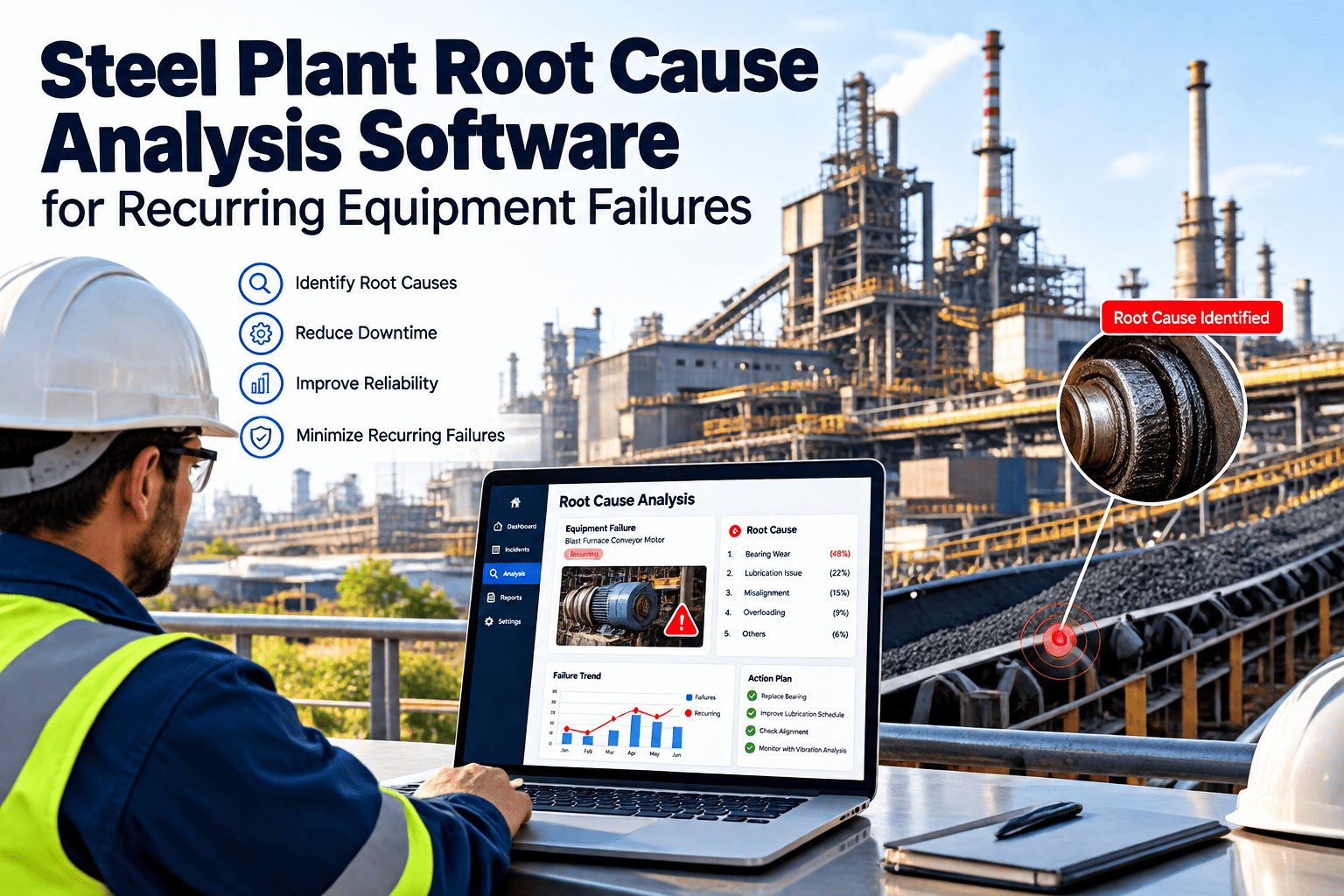
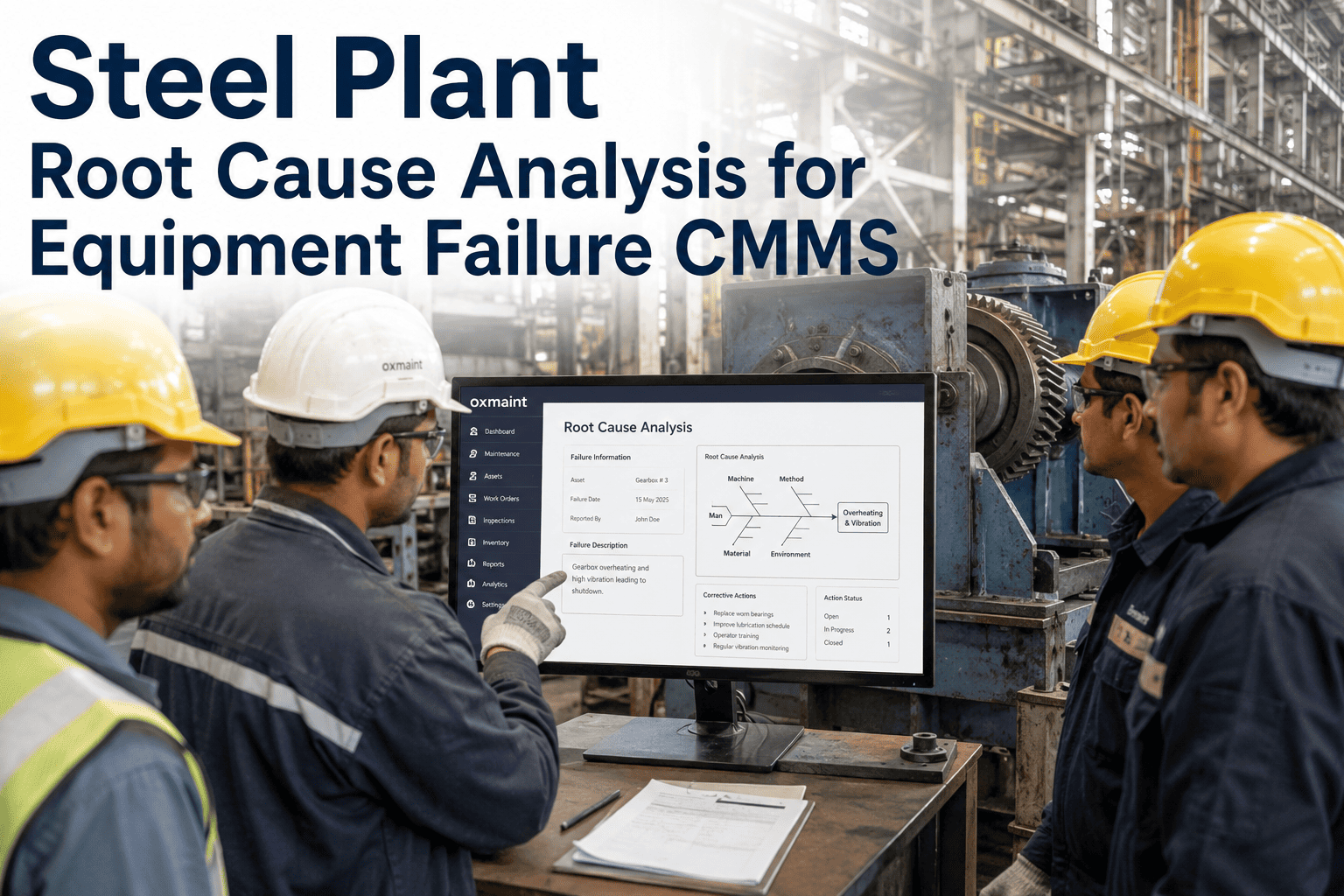
Every manufacturing operation experiences deviations—moments when reality diverges from the plan. A temperature reading outside spec. A dimension that doesn't match the drawing. A process step skipped or performed out of sequence. What separates high-performing manufacturers from the rest isn't the absence of deviations but how systematically they capture, investigate, and resolve them. A robust quality deviation management system transforms these events from recurring headaches into permanent improvements, building organizational knowledge with every issue resolved.
Without structured deviation management, the same problems resurface repeatedly, each time consuming resources and eroding quality. Integrated quality management platforms connect deviation tracking with root cause analysis and corrective actions, ensuring nothing falls through the cracks.
What Qualifies as a Deviation?
A deviation is any departure from approved procedures, specifications, or expected outcomes. This includes process deviations (doing something differently than documented), product deviations (output that doesn't meet specs), and documentation deviations (records that are incomplete or incorrect).
The Deviation Lifecycle
Effective deviation management follows a structured lifecycle. Each phase builds on the previous, creating a complete record from initial detection through verified resolution.
Detection
Deviation identified through inspection, monitoring, audit, or observation. Immediate documentation captures what, when, where, and who.
Containment
Immediate actions to prevent affected product from reaching customers or processes from causing further deviation. Isolate, quarantine, stop.
Assessment
Evaluate severity and scope. Determine impact on product quality, safety, and compliance. Classify risk level and assign investigation priority.
Investigation
Systematic root cause analysis using 5 Whys, fishbone diagrams, or FMEA. Distinguish symptoms from causes. Document findings thoroughly.
Correction
Implement corrective actions addressing root causes. May include process changes, retraining, equipment repairs, or specification updates.
Verification
Confirm corrective actions are effective. Monitor for recurrence. Close deviation only when evidence shows the fix works.
Product Disposition Decisions
When a deviation affects physical product, a disposition decision determines what happens to affected units.
Streamline Deviation Tracking
Oxmaint connects deviation detection with investigation workflows, ensuring every quality event follows your process from identification through verified closure.
Root Cause Analysis Methods
Effective investigation goes beyond surface symptoms to identify true root causes. Several proven methods help teams dig deeper. Talk with our quality specialists about building investigation capability.
5 Whys Analysis
Simple • Fast • IterativeRepeatedly asking "why" drills past symptoms to root causes. Typically 5 iterations, though more or fewer may be needed.
Fishbone Diagram
Comprehensive • Visual • Team-basedMaps potential causes across categories. The 6 M's provide a starting framework for manufacturing investigations.
Failure Mode & Effects Analysis (FMEA)
Preventive • Risk-based • SystematicProactively identifies potential failures before they occur. Prioritizes risks by severity, occurrence, and detection scores.
RPN = Severity × Occurrence × Detection. Higher scores = higher priority for preventive action.
From Deviation to CAPA
Not every deviation requires a full Corrective and Preventive Action (CAPA). Escalation criteria help determine when deeper intervention is warranted.
Minor Deviation
Handle DirectlyCharacteristics:
- First occurrence of this type
- No product or safety impact
- Clear, obvious cause
- Simple correction available
Moderate Deviation
InvestigateCharacteristics:
- Repeat occurrence (2-3 times)
- Minor product impact
- Cause not immediately clear
- Multiple factors involved
Critical Deviation
Full CAPACharacteristics:
- Chronic or systemic issue
- Significant quality/safety impact
- Regulatory implications
- Customer-affecting
Elements of Effective CAPA
Corrective Action
Eliminates the cause of an existing nonconformance. Reactive—addresses what already happened. Prevents recurrence of the specific problem.
Preventive Action
Eliminates the cause of a potential nonconformance. Proactive—addresses what might happen. Extends lessons learned to prevent similar issues elsewhere.
Building a Deviation Culture
Technology and processes only work when people use them. Creating a culture where deviations are reported—not hidden—requires deliberate effort.
Psychological Safety
People must feel safe reporting problems without fear of blame or punishment. If reporting a deviation leads to negative consequences for the reporter, issues go unreported and problems grow.
Timely Response
When someone reports a deviation, they should see action. Slow response signals that reporting doesn't matter. Fast investigation and visible fixes reinforce reporting behavior.
Transparency
Share deviation data openly. Trend charts showing common issues and improvement progress demonstrate that the system works and problems get solved.
Ownership
Assign clear responsibility for each deviation. Someone owns the investigation, someone owns the corrective action, someone verifies effectiveness. No orphan issues.
Implement Systematic Deviation Management
Oxmaint provides integrated quality deviation management that connects detection, investigation, and corrective action in a single platform—giving your team complete visibility and control over quality events.