Managing spare parts inventory in steel plants is a critical balancing act. Stockpiling too many parts locks up millions in working capital. Stocking too few leads to costly emergency orders and unplanned downtime that can halt entire production lines. With tens of thousands of unique SKUs—from blast furnace refractory bricks to precision rolling mill bearings—traditional inventory management approaches simply cannot deliver the optimization modern steel operations demand.
SAP Materials Management (MM) provides the intelligence layer that transforms spare parts from a cost burden into a competitive advantage. Through advanced analytics, automated workflows, and seamless integration with maintenance systems, SAP MM enables steel plants to achieve the seemingly impossible: reduced inventory investment alongside improved parts availability. Steel operations seeking to optimize their MRO strategy can start their inventory assessment today.
01
Data Fragmentation
Multiple systems, spreadsheets, and manual processes create incomplete visibility into actual stock levels and consumption patterns.
02
Demand Variability
Unpredictable equipment failures combined with planned maintenance cycles make forecasting parts consumption extremely difficult.
03
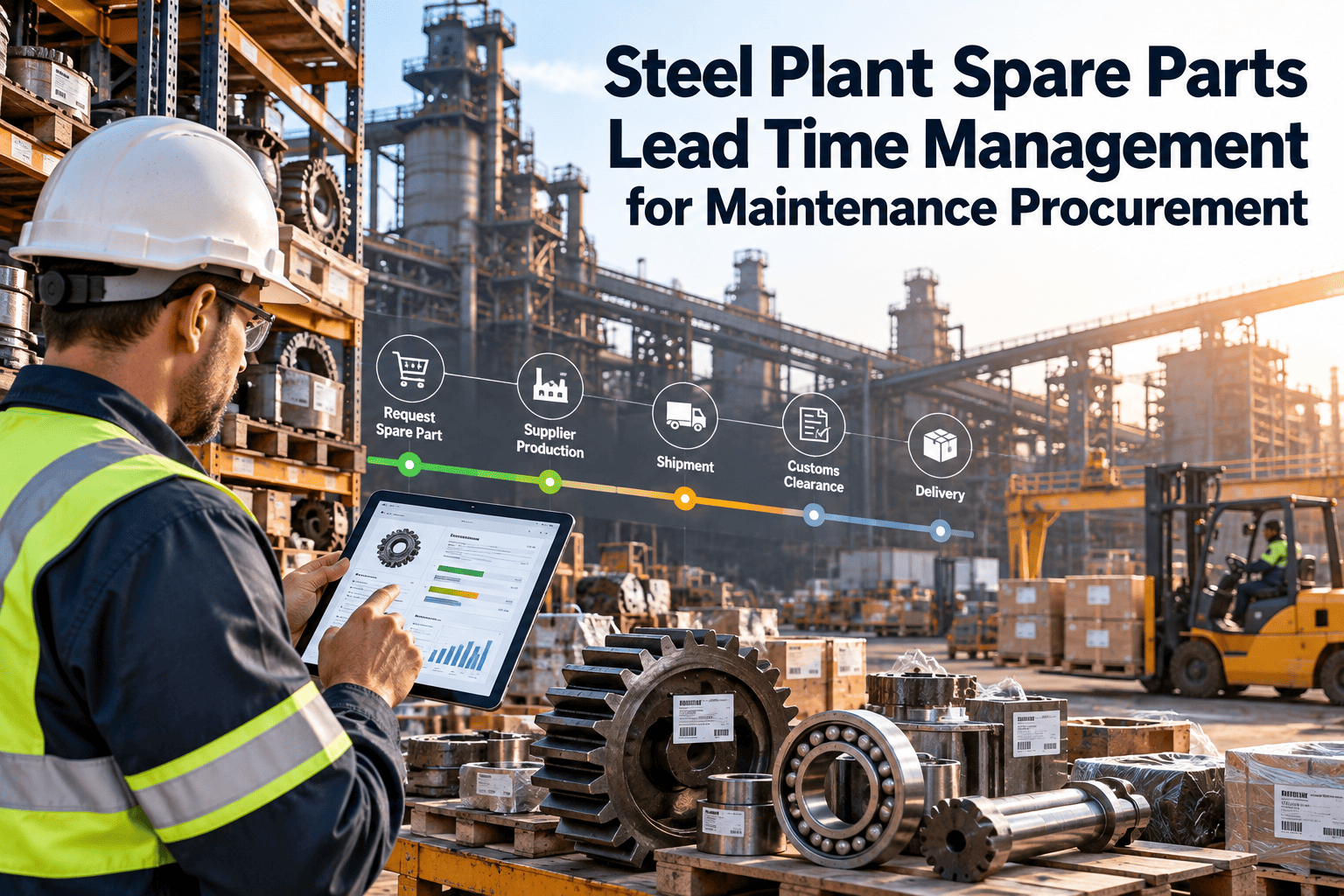
Procurement Delays
Long lead times for specialized components force excessive safety stock levels that tie up capital and warehouse space.
04
Obsolescence Risk
Equipment upgrades and technology changes create inventory of parts that will never be used, resulting in costly write-offs.
The Cost of Inefficient Inventory Management
30%
of MRO inventory is obsolete or slow-moving stock
Impact: $15-45M tied up unproductively in typical steel mill
85%
of emergency purchases are preventable with better planning
Impact: 10-20x premium costs on expedited procurement
40%
potential reduction in inventory carrying costs achievable
Impact: $6-18M annual savings for mid-sized operation
Source: Plant Engineering, Aberdeen Research, SAP Industry Benchmarks 2023-2025
The traditional approach to MRO inventory management—maintaining large safety stocks "just in case"—creates massive inefficiency. Capital sits idle in warehouses while critical parts stockout during turnarounds. Emergency airfreight shipments cost 10-20x normal procurement. SAP MM provides the intelligence to break this cycle, using consumption analytics, automated reordering, and integration with maintenance planning to ensure the right parts are available exactly when needed.
SAP MM: Foundation for Strategic Spare Parts Management
SAP Materials Management is not simply a purchasing system—it's a comprehensive framework that connects procurement, inventory control, warehouse management, and financial accounting. For steel plants, this integration enables visibility from the shop floor technician requesting a part through to the CFO analyzing working capital efficiency.
01
ABC Classification
Categorize parts by criticality and consumption to focus resources on high-impact items
02
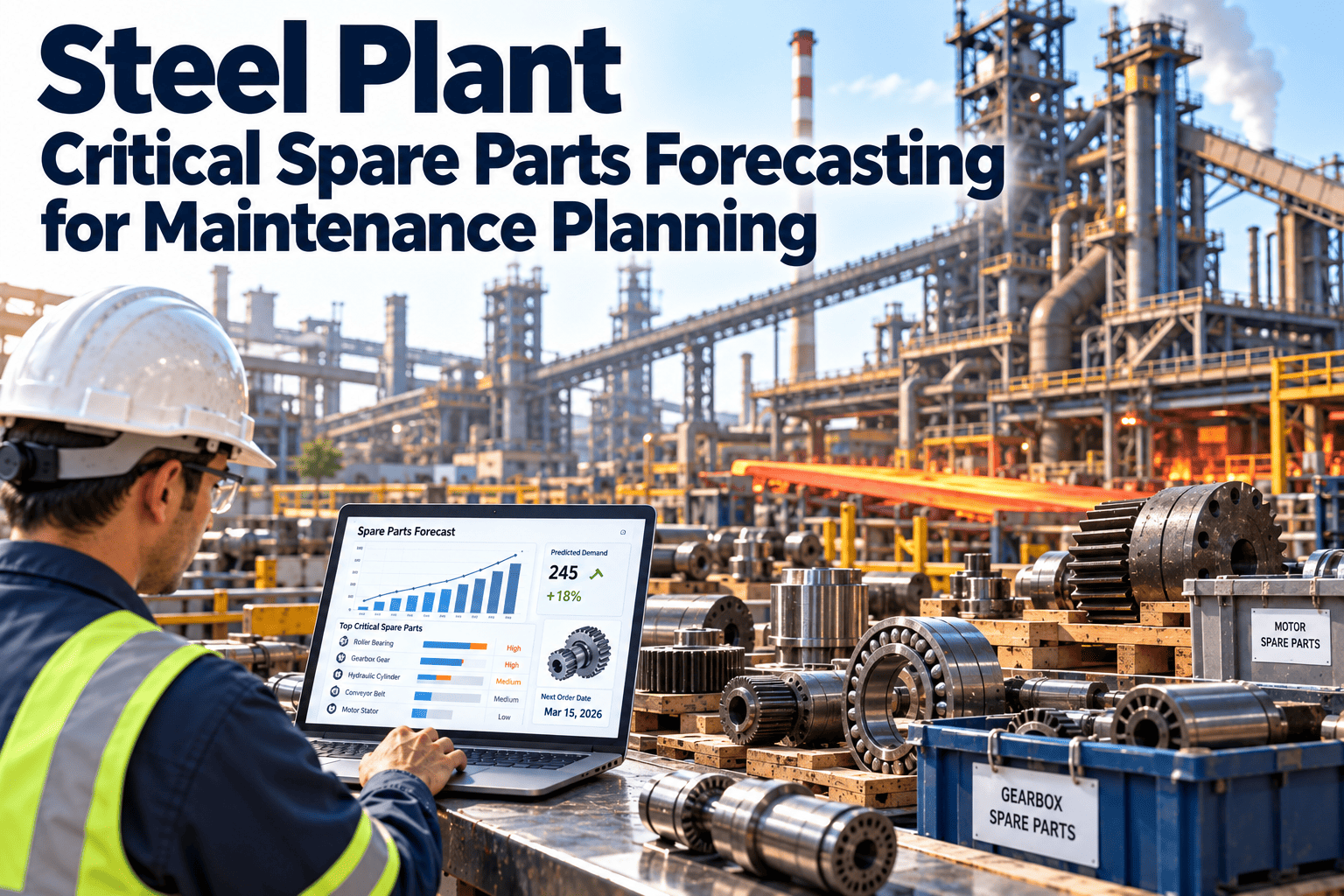
Demand Forecasting
Analyze historical consumption and integrate with PM schedules for accurate predictions
03
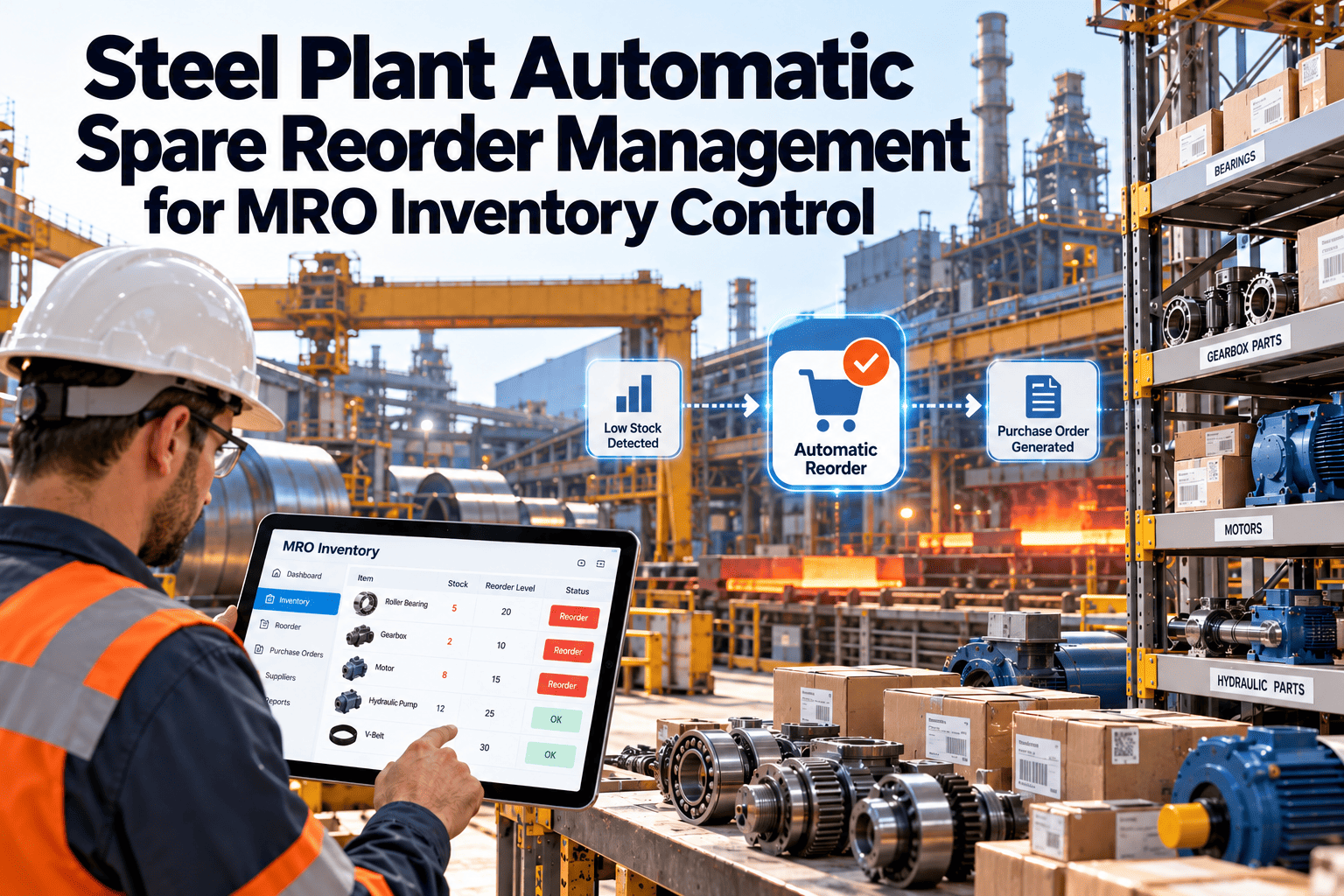
Automated Reordering
Generate purchase requisitions automatically when stock reaches reorder points
04
Continuous Optimization
Monitor KPIs and refine parameters based on actual consumption patterns
The power of SAP MM lies in its ability to differentiate inventory strategies by part characteristics. Critical, slow-moving components for blast furnace equipment require different stocking policies than high-turnover consumables for rolling mills. SAP MM enables sophisticated segmentation and automated execution of these varied strategies.
ABC-XYZ Analysis: The Foundation of Smart Inventory
Not all spare parts deserve equal attention. ABC-XYZ analysis combines value impact (A=high, B=medium, C=low) with consumption predictability (X=stable, Y=variable, Z=sporadic) to create nine distinct categories, each requiring tailored inventory policies.
Fixed safety stock percentages
Manual reorder point calculations
Spreadsheet-based tracking
Annual physical inventory counts
Reactive stockout management
Decentralized purchasing decisions
Limited visibility across plants
High Costs & Stockouts
Dynamic ABC-XYZ segmentation
Statistical reorder calculations
Real-time inventory visibility
Cycle counting for accuracy
Predictive demand planning
Centralized procurement leverage
Enterprise-wide transparency
Lean & Reliable
Consider AX items (high value, predictable consumption)—such as high-pressure hydraulic pumps for continuous casters. These justify sophisticated forecasting and vendor-managed inventory arrangements. CZ items (low value, sporadic use) like specialized fasteners can often be procured on-demand through catalog systems, eliminating inventory entirely.
35%
Inventory Reduction
Total MRO Value
50%
Fewer Stockouts
Critical Parts
60%
Faster Processing
Purchase Orders
98%
Inventory Accuracy
Cycle Count Verified
Integration with SAP PM: The Predictive Advantage
The most powerful capability of SAP MM in steel environments is its integration with Plant Maintenance (PM). When maintenance planners schedule work orders, SAP automatically reserves required parts, triggers procurement for items below stock levels, and provides visibility into material availability constraints that might delay maintenance activities.
Planned Consumption
Maintenance schedules drive material requirements, enabling proactive procurement.
Material Reservations
Lock parts for planned work, preventing allocation to lower-priority tasks.
Cost Transparency
Direct material costs to equipment and cost centers for accurate P&L analysis.
BOM Integration
Equipment bills of material ensure technicians have complete part kits ready.
The Financial Impact: Working Capital Optimization
For a typical integrated steel mill, MRO inventory represents $50-150 million in working capital. Reducing this by even 20% frees substantial cash for capital projects, debt reduction, or shareholder returns. SAP MM delivers this reduction while simultaneously improving service levels—a rare win-win in operations management.
Unoptimized Inventory
Inventory Carrying Costs
$12M - $18M
Emergency Procurement
$4M - $6M
Obsolescence Write-offs
$2M - $4M
Stockout Downtime
$5M - $10M
Total Impact: $23M - $38M
VS
SAP MM Optimization
Software & Implementation
$600k - $1.2M/yr
Process Redesign
$200k - $400k/yr
Training & Support
$150k - $300k/yr
Working Capital Released
$20M - $40M
Annual Investment: $950k - $1.9M
Beyond direct cost savings, optimized MRO inventory improves key operational metrics. Maintenance planners can confidently schedule work knowing materials will be available. Finance teams gain accurate cost accounting for maintenance activities. Procurement professionals can negotiate better terms with suppliers based on consolidated, predictable demand.
Transform Your MRO Inventory Management
Stop tying up capital in excess inventory while experiencing critical stockouts. Discover how integrated SAP MM solutions optimize spare parts management for steel operations.
Implementation Strategy for Steel Operations
Successfully deploying SAP MM for MRO inventory requires balancing technical configuration with organizational change management. Steel plants should adopt a phased approach that demonstrates value quickly while building toward comprehensive optimization.
Phase 1
Foundation Building (2-4 Months)
Material Master Data Cleanup
ABC-XYZ Classification
Initial Stock Assessment
Vendor Master Setup
Phase 2
Process Automation (4-8 Months)
Automated Reorder Points
PM-MM Integration
Approval Workflows
Mobile Warehouse Apps
Phase 3
Advanced Optimization (8-12 Months)
Predictive Analytics
VMI Arrangements
Cross-Plant Sharing
Supplier Collaboration
The most successful implementations begin with comprehensive material master data quality improvement. Duplicate part numbers, inconsistent descriptions, and missing criticality flags undermine even the best SAP configuration. Invest time upfront to create clean, standardized data that will serve as the foundation for all subsequent optimization.
Multi-Plant Operations and Global Sourcing
Steel companies operating multiple mills can leverage SAP MM's enterprise capabilities to balance inventory across locations, consolidate purchasing for better pricing, and share scarce parts dynamically based on production priorities. This requires robust master data governance and clear business rules, but the payoff is substantial.
English
Spanish
German
Mandarin
Portuguese
Japanese
Korean
French
Localized Catalogs
Material descriptions and specifications in local languages for global plants.
Multi-Currency Support
Handle procurement in local currencies with automatic conversion and hedging.
Global Visibility
Real-time inventory views across all plants for optimal resource allocation.
For multinational steel corporations, language localization ensures warehouse staff in Brazil, maintenance planners in Germany, and procurement teams in China all work from consistent data while using familiar terminology. Learn how global SAP MM deployments drive standardization.
Unlock Working Capital and Improve Service Levels
Join steel producers worldwide who have transformed MRO inventory from a liability into an asset. Our SAP MM expertise delivers measurable results in months, not years.
Frequently Asked Questions
What is ABC-XYZ analysis and why is it important for steel plants?
ABC-XYZ analysis combines value-based classification (A=high value, B=medium, C=low) with consumption pattern analysis (X=consistent, Y=variable, Z=sporadic). This creates nine distinct categories that each require different inventory strategies. For steel plants with 20,000+ SKUs, this method focuses management attention on the 5-10% of parts that represent 70-80% of inventory value while applying lean principles to low-value items.
How does SAP MM integrate with existing maintenance management systems?
SAP MM integrates seamlessly with SAP PM (Plant Maintenance) through shared master data, automatic material reservations for work orders, and integrated planning workflows. When maintenance planners schedule preventive or corrective work, the system automatically checks part availability, reserves materials, and triggers procurement if stock is insufficient. This prevents maintenance delays due to missing parts and eliminates duplicate data entry across systems.
What is the typical inventory reduction achieved through SAP MM optimization?
Steel plants typically achieve 25-40% reduction in total MRO inventory value within 12-18 months of full implementation. This comes from identifying and disposing of obsolete stock, optimizing safety stock levels based on statistical analysis rather than rules of thumb, implementing vendor-managed inventory for high-volume consumables, and enabling cross-plant sharing of slow-moving critical parts. Results vary based on starting inventory discipline and implementation thoroughness.
How do you handle emergency procurement situations in SAP MM?
SAP MM supports expedited procurement workflows with configurable approval chains for urgent requests. Emergency purchase requisitions can be flagged for immediate processing, bypass normal approval levels when justified, and track premium costs separately for management visibility. The system also enables analysis of emergency procurement patterns to identify root causes—often revealing parts that should be stocked or equipment reliability issues that need addressing.
Can SAP MM handle consignment inventory and vendor-managed inventory (VMI)?
Yes, SAP MM has robust support for both consignment and VMI arrangements. Consignment stock remains supplier-owned until consumed, improving working capital. VMI allows suppliers to monitor your consumption and replenish automatically based on agreed parameters. For steel plants, VMI works particularly well for high-volume consumables like welding supplies, lubricants, and protective equipment, where supplier expertise adds value and transaction costs are reduced.
What data quality issues must be addressed before implementing SAP MM?
Critical data quality issues include duplicate material master records with different part numbers for the same item, inconsistent or missing material descriptions that prevent intelligent searching, lack of ABC classification and criticality flags, inaccurate lead times and reorder points, and missing or outdated vendor information. Most steel plants spend 2-4 months on material master data cleanup before configuration begins. This upfront investment pays dividends throughout the system's life.