A European integrated steel producer committed to 50% emissions reduction by 2030 installed $340 million in decarbonization infrastructure—carbon capture systems, hydrogen electrolyzer arrays, and electric arc furnace upgrades. Within eighteen months, electrolyzer efficiency dropped 23% due to inadequate membrane maintenance, CCUS capture rates fell below design specifications, and the EAF expansion experienced repeated electrode failures. Their traditional maintenance approach couldn't handle these novel technologies. After implementing Oxmaint for decarbonization asset management, they restored system performance, achieved 94% availability across green steel infrastructure, and now track emissions reductions against net-zero targets in real-time dashboards.
Steel production accounts for approximately 7-9% of global CO2 emissions, making decarbonization essential for climate goals. The transition involves unfamiliar technologies—proton exchange membrane electrolyzers, amine-based carbon capture, direct reduced iron processes, and expanded electric arc furnace operations. Maintenance teams trained on blast furnaces and conventional rolling mills need new competencies, procedures, and tracking systems to maintain this equipment reliably. Schedule a consultation to discuss maintenance strategies for your decarbonization investments.
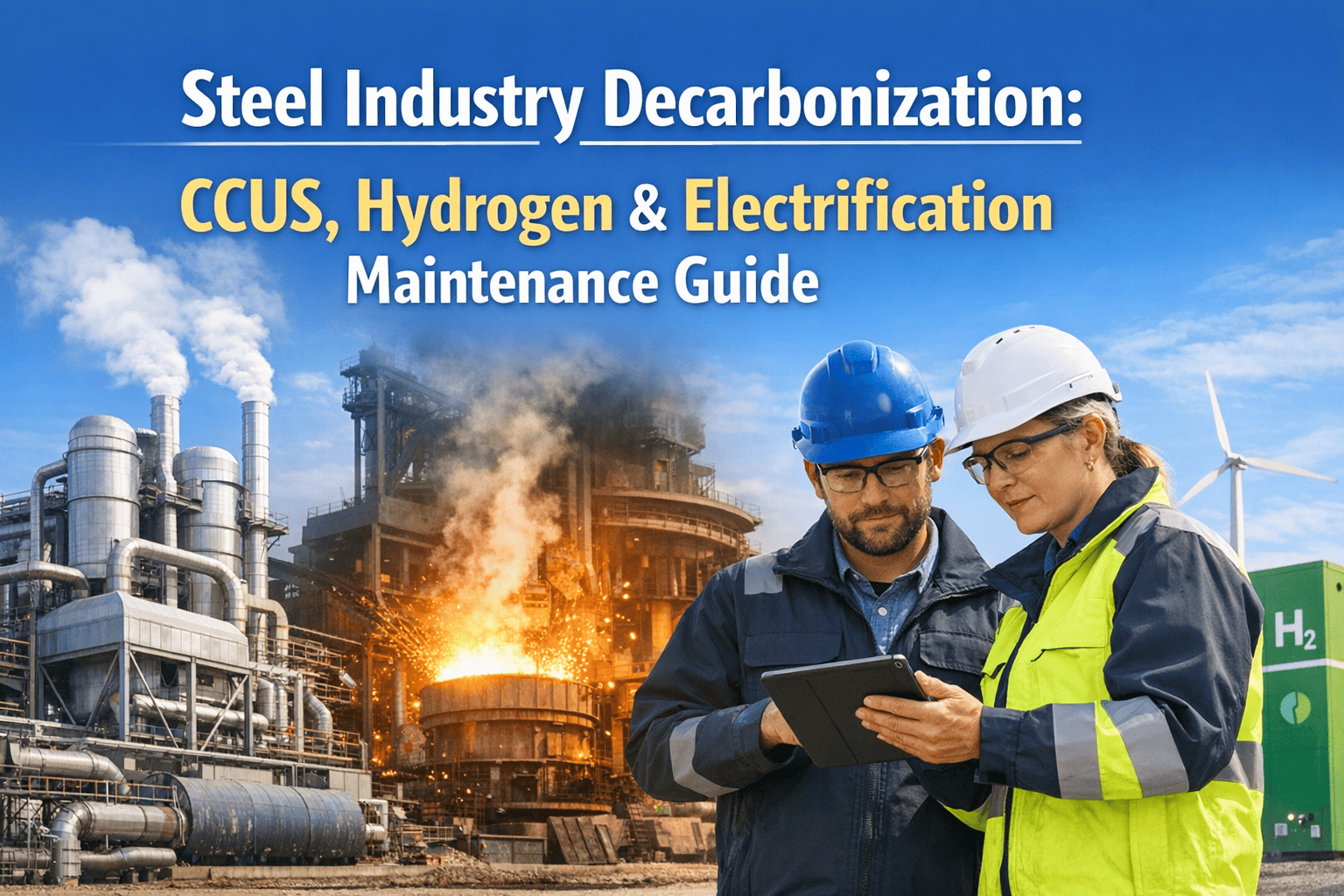
Steel Industry Decarbonization: CCUS, Hydrogen & Electrification Maintenance Guide
Comprehensive maintenance strategies for carbon capture, hydrogen production, and electrification technologies enabling steel industry net-zero transitions.
Decarbonization Pathways
Steel producers pursue multiple technology pathways depending on existing infrastructure and regional factors.
CCUS Retrofit
Carbon Capture, Utilization & Storage retrofits existing blast furnace operations—capturing CO2 from flue gases for geological storage or industrial use. Maintains existing ironmaking but adds complex capture infrastructure.
Hydrogen DRI
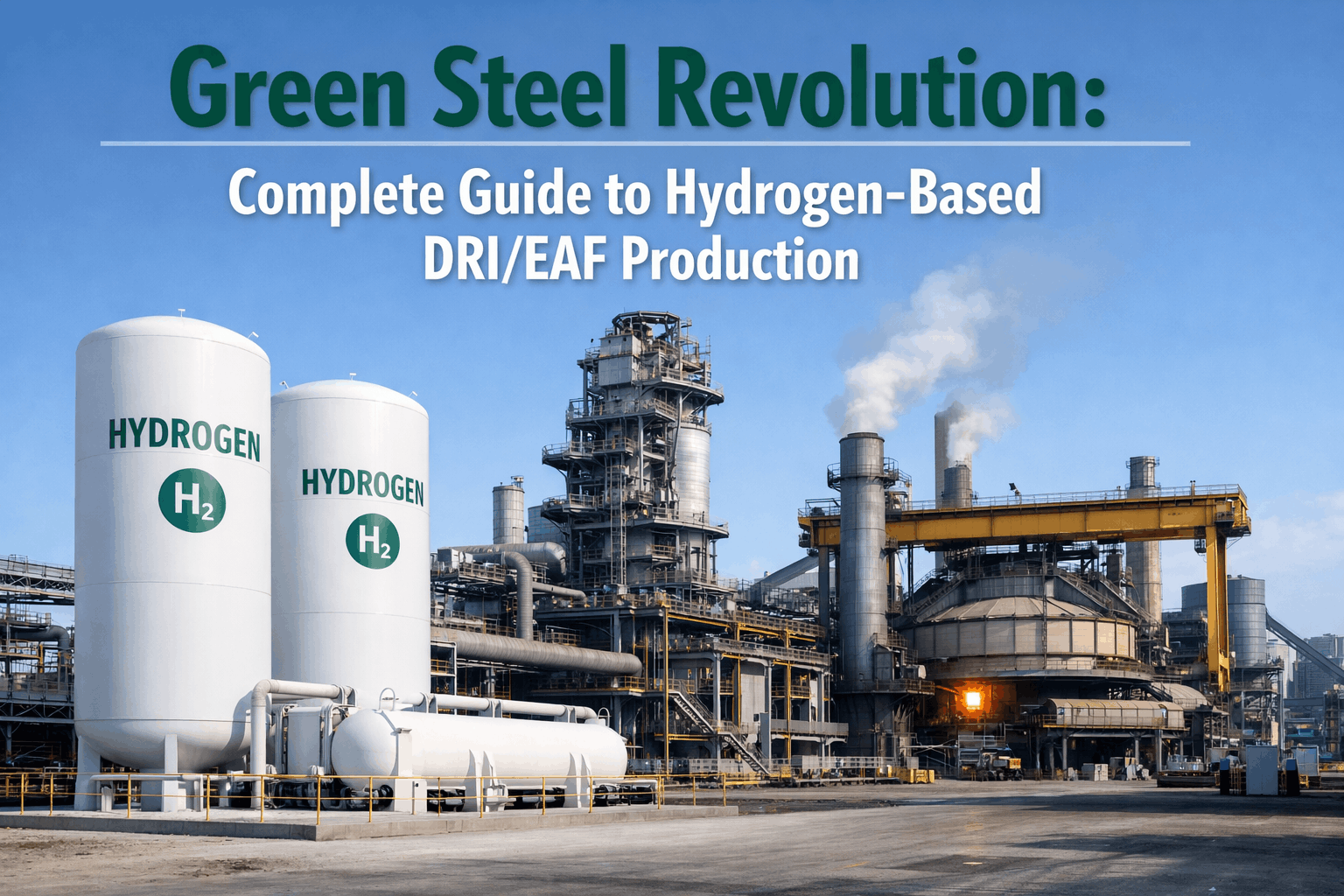
Direct Reduced Iron using green hydrogen instead of natural gas or coal. Hydrogen from electrolysis reduces iron ore in shaft furnaces, producing DRI for EAF melting with near-zero direct emissions.
Electrification
Expanded EAF production using renewable electricity and scrap-based or DRI feedstocks. Electric melting eliminates blast furnace emissions when powered by clean energy sources.
Hybrid Approaches
Combinations of pathways—partial hydrogen injection into existing processes, CCUS with EAF expansion, or phased transitions from BF-BOF to DRI-EAF routes based on equipment lifecycles and capital availability.
CCUS Maintenance
Oxmaint tracks carbon capture equipment requiring specialized maintenance approaches unfamiliar to traditional steel plant teams.
Absorber Columns
Packed columns where flue gas contacts amine solvent for CO2 absorption. Packing inspection, distributor maintenance, and corrosion monitoring prevent capture efficiency degradation.
Regenerator Systems
Thermal regeneration releases captured CO2 from rich solvent for compression and storage. Heat exchanger fouling, reboiler maintenance, and stripper performance monitoring are critical.
Solvent Management
Amine solvent degrades over time—oxidation, thermal degradation, and contamination reduce capture efficiency. Solvent analysis, makeup addition, and reclaiming system maintenance maintain performance.
CO2 Compression
Multi-stage compression prepares captured CO2 for pipeline transport or storage. Compressor maintenance, intercooler performance, and dehydration systems require attention.
Maintain Your CCUS Investment
Carbon capture systems represent significant capital investment with performance directly tied to maintenance quality. Oxmaint provides equipment-specific PM schedules, tracks capture efficiency against design rates, and documents maintenance supporting emissions reduction claims. Protect your decarbonization ROI with systematic maintenance management.
Hydrogen System Maintenance
Green hydrogen production requires maintenance competencies new to most steel plant teams.
PEM Electrolyzers
Proton Exchange Membrane electrolyzers produce high-purity hydrogen through water electrolysis. Membrane degradation, catalyst performance, and water quality management determine efficiency and lifespan.
Alkaline Electrolyzers
Established technology using potassium hydroxide electrolyte. Diaphragm condition, electrode maintenance, and electrolyte concentration management are key maintenance focuses.
Hydrogen Storage
Compressed or liquefied hydrogen storage requires safety-focused maintenance. Vessel inspection, valve maintenance, leak detection systems, and pressure relief device testing are mandatory.
Distribution Systems
Piping, regulators, and injection systems delivering hydrogen to DRI shaft furnaces or other consumers. Material compatibility, joint integrity, and flow control maintenance ensure reliable delivery.
Electrification Equipment
Electric arc furnace expansion introduces high-power electrical equipment with distinct maintenance requirements.
Transformer Maintenance
EAF transformers handle extreme duty cycles with high currents and thermal stress. Oil analysis, winding temperature monitoring, bushing inspection, and tap changer maintenance preserve transformer life and reliability.
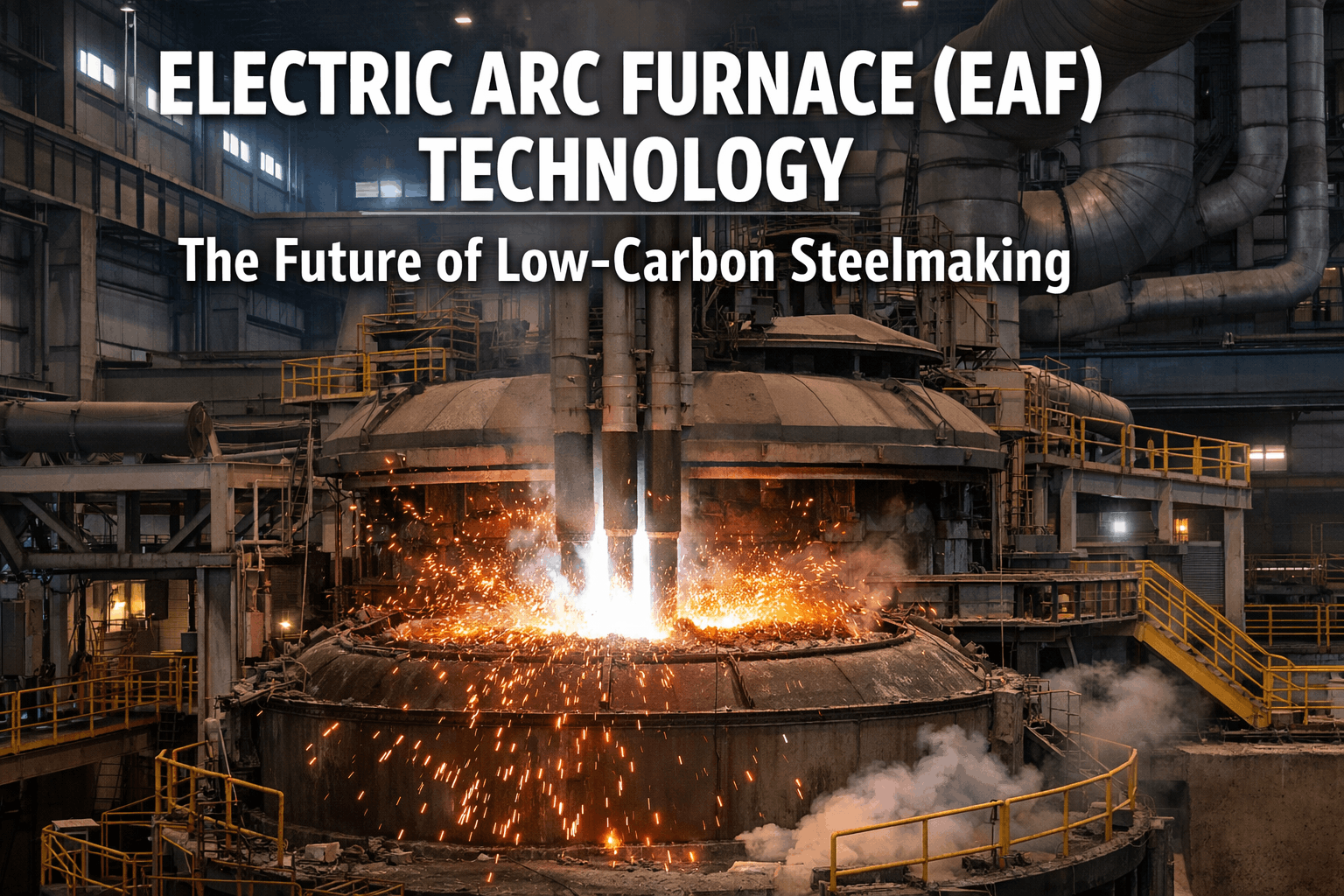
Electrode Systems
Graphite electrodes consume during operation and require systematic monitoring. Electrode arm maintenance, clamping systems, and regulation equipment ensure consistent arc performance and electrode economy.
Power Quality Systems
Reactive power compensation, harmonic filtering, and flicker mitigation equipment protect grid stability and facility power quality. Capacitor banks, reactors, and filter tuning require regular attention.
High-Voltage Equipment
Switchgear, circuit breakers, and power cables supporting EAF operations need systematic maintenance. Thermal imaging, contact resistance testing, and protective relay verification ensure safe operation.
Emissions Monitoring
Track decarbonization progress through integrated emissions monitoring and reporting.
Carbon Intensity
Track CO2 emissions per ton of steel produced—the primary metric for decarbonization progress. Compare actual performance against targets and industry benchmarks. Identify which production routes achieve lowest intensity.
Capture Efficiency
Monitor carbon capture rate against design specifications. Capture efficiency degradation signals maintenance needs. Track captured versus emitted CO2 to verify reduction claims and support carbon credit documentation.
Hydrogen Consumption
Track hydrogen usage per ton of DRI or steel. Correlate with electrolyzer production, storage levels, and process efficiency. Optimize hydrogen network operation and identify consumption anomalies.
Energy Intensity
Monitor electricity consumption per ton—critical for electrified operations. Track renewable energy percentage, grid carbon intensity, and Scope 2 emissions from purchased electricity.
Track Your Decarbonization Progress
Oxmaint connects maintenance data with emissions monitoring to provide complete visibility into decarbonization performance. See how equipment availability affects capture rates, correlate hydrogen system maintenance with production efficiency, and generate ESG reports documenting your sustainability progress with maintenance-backed verification.
Safety Considerations
Decarbonization technologies introduce safety hazards requiring updated maintenance protocols.
Hydrogen Safety
Hydrogen's wide flammability range, invisible flame, and embrittlement potential require rigorous safety protocols. Leak detection systems, ventilation maintenance, and material inspection programs prevent incidents.
Asphyxiation Risk
High-concentration CO2 from capture systems presents asphyxiation hazard in enclosed spaces. Atmospheric monitoring, ventilation systems, and confined space procedures must address this risk.
Amine Handling
CCUS amine solvents require chemical handling protocols. Exposure limits, personal protective equipment, and spill response procedures protect maintenance personnel working on solvent systems.
High Voltage
Expanded electrification increases high-voltage exposure. Arc flash assessments, lockout procedures, and electrical safety training must scale with increased EAF and electrolyzer capacity.
Implementation Approach
Building maintenance capability for decarbonization technologies requires systematic development.
Knowledge Development
Train maintenance teams on new technology fundamentals before equipment arrives. OEM training, industry courses, and site visits to operating facilities build competency foundation.
PM Program Design
Develop preventive maintenance programs based on OEM recommendations, industry experience, and reliability engineering analysis. Configure Oxmaint with equipment-specific schedules and procedures.
Commissioning Support
Maintenance involvement during commissioning captures baseline data, identifies early issues, and validates PM procedures. Document as-built configurations and initial performance benchmarks.
Continuous Improvement
Refine maintenance programs based on operating experience. Adjust PM intervals, update procedures, and develop internal expertise. Share learnings across facilities and industry networks.
Frequently Asked Questions
Support Your Net-Zero Journey
Steel industry decarbonization represents the largest transformation since the adoption of continuous casting. The technologies are proven, but maintaining them reliably requires new approaches, new competencies, and new systems. Oxmaint provides the CMMS platform purpose-built for this transition—tracking CCUS, hydrogen, and electrification equipment alongside traditional assets while monitoring the emissions metrics that matter for your sustainability commitments.