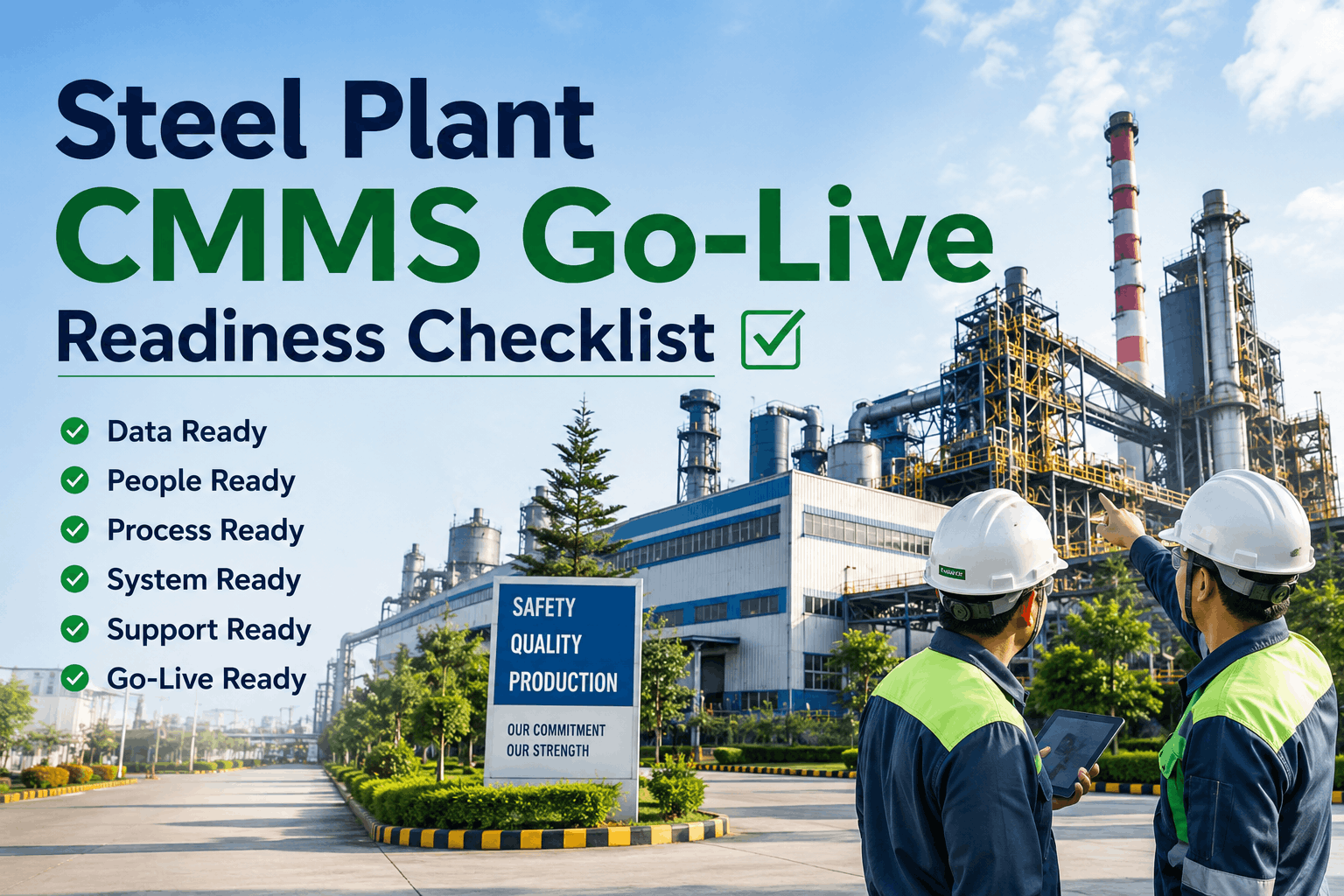
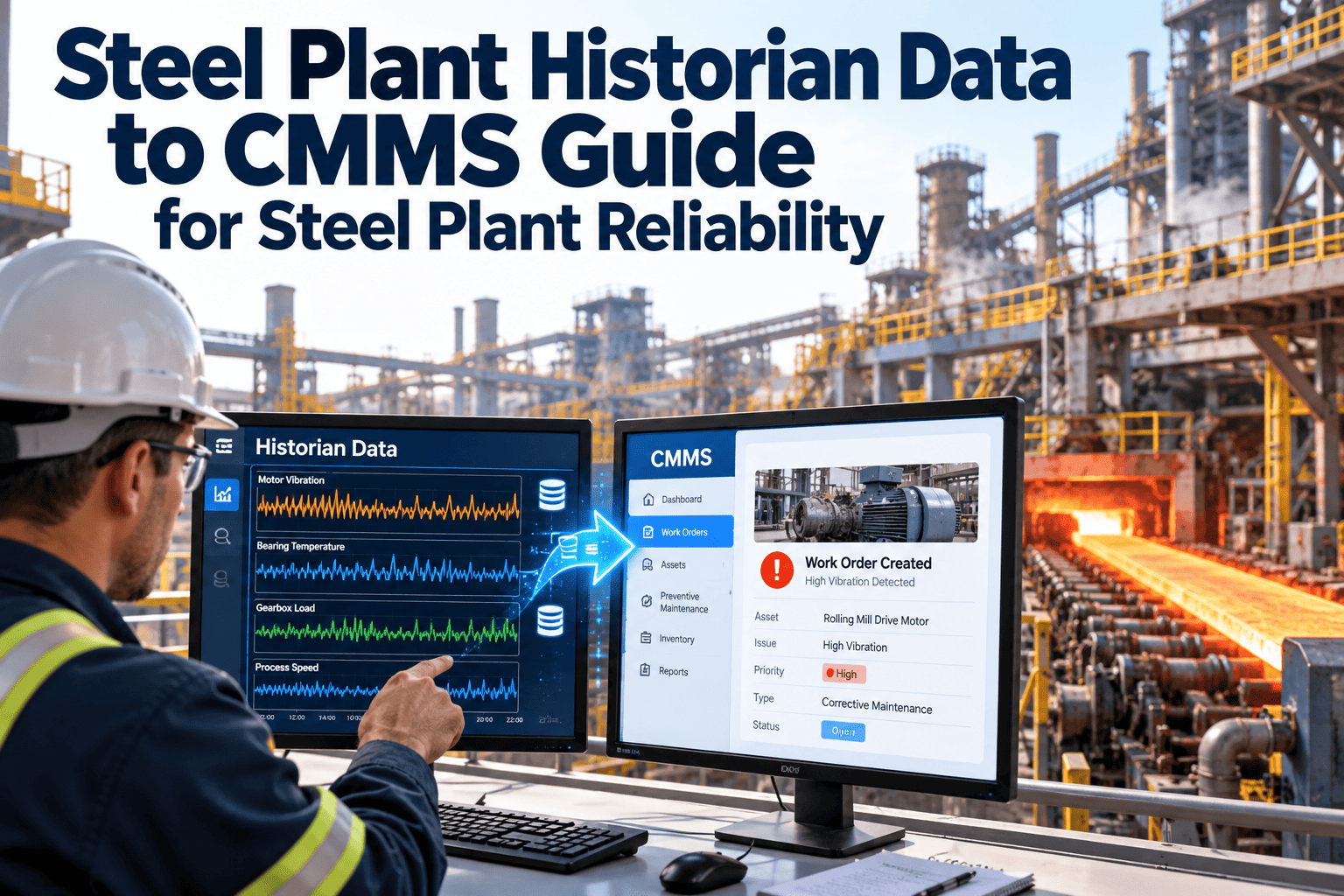
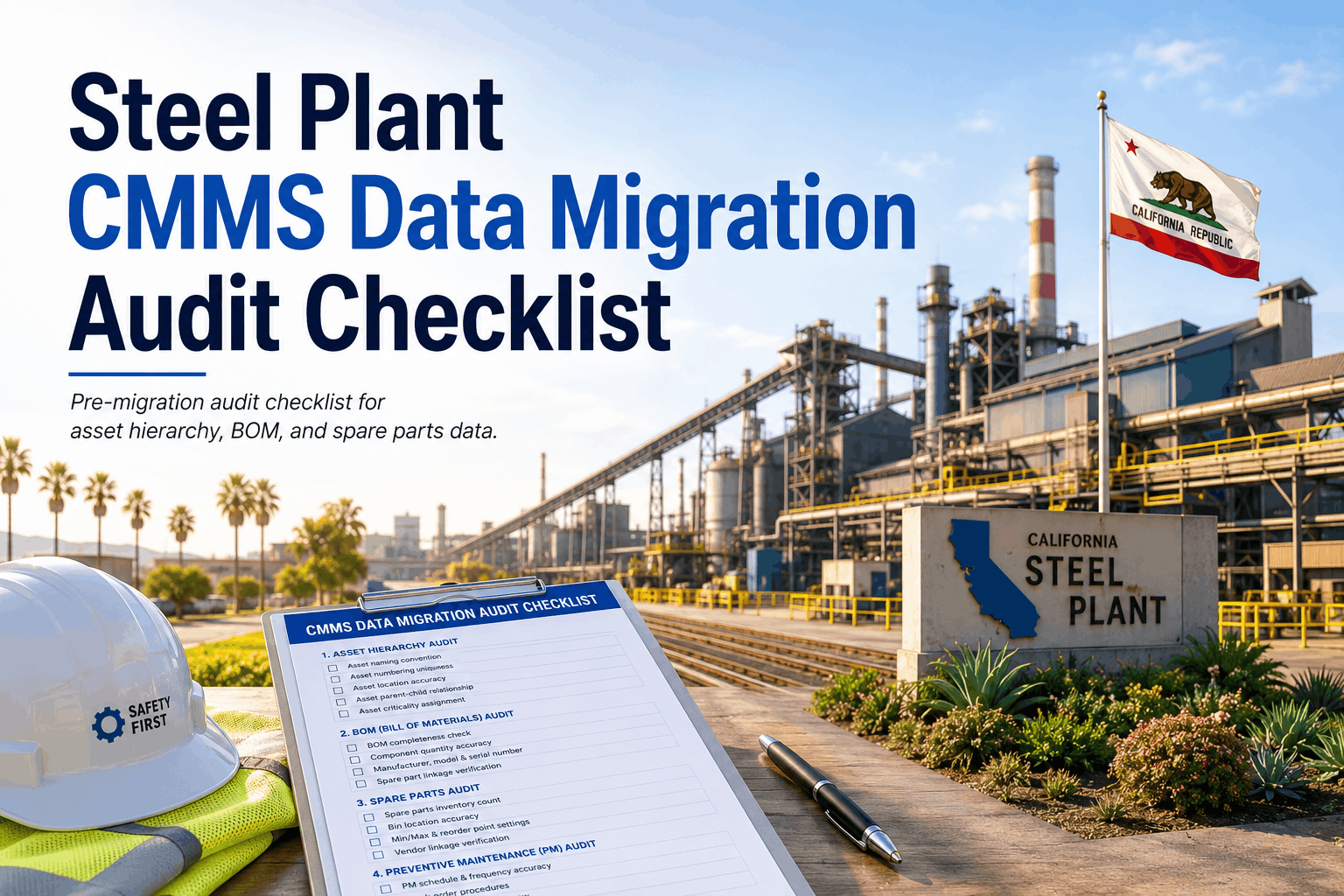
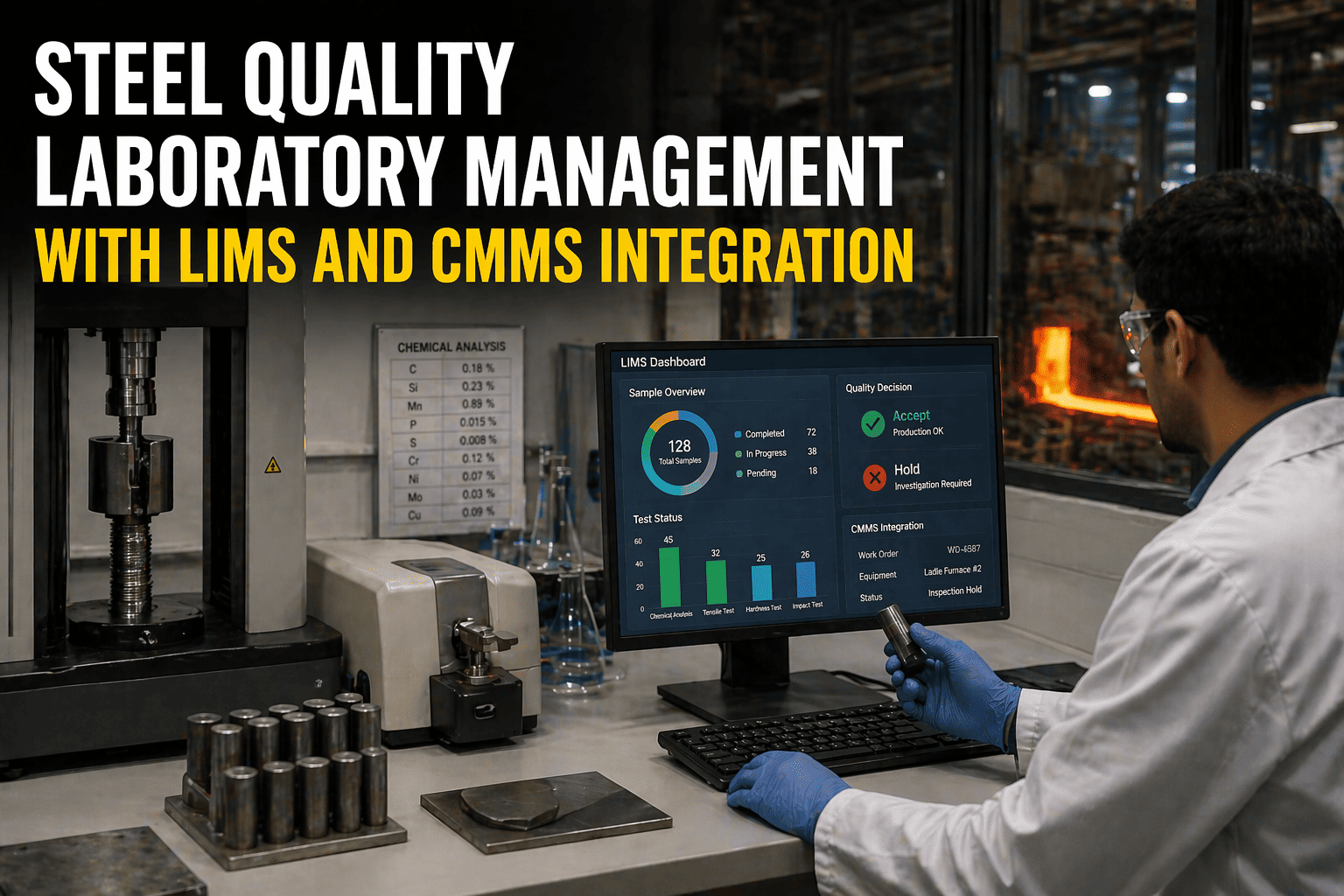
CMMS go-live readiness is the culmination of months of planning, configuration, testing, and team preparation. Industrial facilities that execute a structured go-live readiness checklist report 85% reduction in post-cutover incidents, faster stabilization timelines, and stronger user adoption rates compared to facilities that skip formal readiness validation. Go-live readiness encompasses data migration validation, integration testing completion, UAT sign-off, help desk preparation, backup/rollback procedures, hypercare team availability, and contingency planning. A single oversight — missing data validation, insufficient help desk training, or an untested rollback scenario — can result in days of production delays and operational chaos. This comprehensive checklist guides your organization through every critical gate required before switching production systems live, with particular focus on Oxmaint's go-live support methodology tailored for industrial operations.
Go Live Confidently with Oxmaint
Dedicated go-live command center, 24/7 hypercare support, automated data validation, and proven cutover playbooks — designed specifically for industrial CMMS migrations.
1. Data Migration Completion & Validation
Data migration is the highest-risk technical component of CMMS go-live. Production decisions depend on accurate asset history, spare parts inventory, and maintenance records. Every byte matters — incomplete or corrupted migration data can invalidate years of PM history and cause equipment reliability failures.
2. Integration Testing Completion & System Interfaces
Industrial CMMS platforms never operate in isolation. ERP systems, SCADA infrastructure, accounting software, and MES systems all depend on real-time data exchange. Integration failures post-go-live are among the costliest issues to remediate. All integrations must be tested and signed off before production cutover.
3. Help Desk Readiness & Support Team Preparation
The first week post-go-live is critical. Help desk and support team readiness determines whether issues are resolved in minutes or spiral into hours-long escalations that impact operations. Properly trained support staff working from detailed knowledge bases and escalation playbooks can reduce MTTR by 60%.
4. System Access, Backup & Disaster Recovery Validation
Production systems must be bulletproof. Before going live, confirm that user access provisioning is complete, system backups execute automatically, and disaster recovery procedures have been tested end-to-end. A single failure in these foundations can result in data loss, compliance violations, and extended downtime.
5. Go-Live Communication & Hypercare Planning
User adoption and operational confidence depend heavily on clear, timely communication before and after go-live. A formal communication plan, go-live kick-off meeting, and hypercare check-ins throughout the first month signal organizational commitment and prevent rumor-driven uncertainty.
Execute a Risk-Free CMMS Go-Live
Oxmaint's proven go-live methodology, dedicated hypercare team, and industry-leading SLA response times ensure your facility switches smoothly with minimal operational risk.
Frequently Asked Questions — CMMS Go-Live Readiness
1. How long should CMMS go-live readiness preparation take?
Go-live readiness typically requires 2–4 weeks of dedicated preparation after UAT completion. This includes data final validation, help desk training, backup testing, and communication rollout. Compressed timelines significantly increase go-live risk.
2. What is the optimal CMMS go-live timing in industrial facilities?
Schedule go-live during planned production shutdowns or low-volume operating periods (e.g., between annual turnarounds). Avoid go-live during peak production seasons or critical campaign periods when system issues impact revenue and operations.
3. How many hypercare support staff does a manufacturing facility need post-go-live?
Minimum recommended hypercare team: 1 full-time internal CMMS administrator, 2–3 help desk representatives for Tier 1 support, plus dedicated vendor (Oxmaint) support engineer assigned to your account for 4 weeks. Larger facilities (500+ users) may need 5–7 support personnel.
4. Should the legacy CMMS or maintenance system be shut down immediately after go-live?
No — maintain parallel running of legacy system for 1–2 weeks to allow manual verification of migrated data and to provide fallback access if critical issues force operational rollback. This "dual system" period adds safety but requires manual data reconciliation.
5. What percentage of production staff should receive formal CMMS training before go-live?
Target 100% of daily CMMS users (technicians, planners, supervisors). Minimum acceptable coverage: 80% trained with at least 50% having completed hands-on exercises. Undertrained users generate disproportionate help desk volume and reduce early adoption momentum.
6. How should go-live readiness sign-off be documented?
Obtain written sign-off from Operations Manager, IT Director, CFO, and CMMS Project Lead confirming: data migration validated, integrations tested, UAT complete, help desk ready, backups functional, and go-live date approved. This creates accountability and prevents ad-hoc cutover decisions.
7. What should be included in CMMS go-live risk mitigation planning?
Document potential failure scenarios: data corruption, integration outages, help desk overwhelm, user rejection. For each scenario, define impact, mitigation controls, detection method, and escalation procedure. Assign owners and test controls before go-live date.
8. How long is typical CMMS hypercare support period?
Standard hypercare duration is 4 weeks post-go-live (Weeks 1–4). Weeks 1–2 require 24/7 support intensity; Weeks 3–4 transition to business hours with on-call escalation. Facilities with complex integrations may extend hypercare to 6–8 weeks.
"Our go-live readiness checklist, combined with Oxmaint's hypercare support team, ensured we cut over to production on schedule with zero critical incidents. The first week was intense, but because we followed the readiness plan religiously and had real-time vendor support, we resolved issues within minutes instead of hours. The parallel running period for data validation caught a discrepancy in our spare parts BOM that could have cost us thousands in the second month. Highly recommend formal go-live readiness procedures." — IT Director, Major Chemical Refinery, Texas
Jennifer Rodriguez, IT Director | Southwest Petrochemical Complex, Texas, USA
Ready for a Flawless CMMS Go-Live?
Oxmaint's go-live readiness framework, hypercare methodology, and 99.9% uptime guarantee give your facility the confidence to cut over at scale with minimal risk.